

Calem Porto Fine Tawny
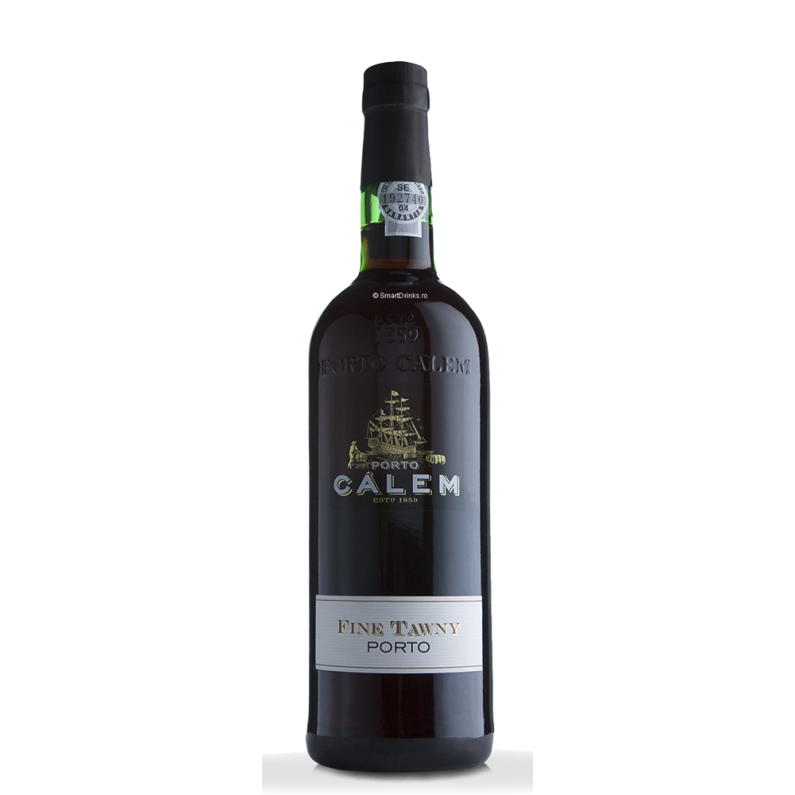
De specificaties zoals vermeld bij de wijn (o.a. wijnjaar) en in de titel zijn leidend en er kunnen geen rechten worden ontleend aan de afbeelding die wordt getoond. Lees meer in onze Frequenty asked questions
How does this wine taste?
How full and heavy the wine feels in your mouth, like the difference between skimmed milk and cream. More alcohol, sugar and oak ageing make a wine fuller.
How much sugar you taste, from dry to sweet. Fruity is not the same as sweet: a dry wine can taste of ripe fruit.
How fresh and juicy the wine is: acidity makes your mouth water. High acidity tastes lively and refreshing, low acidity soft and round.
What we taste What you taste Click a taste for what it means
The bars follow how sommeliers taste (WSET): body, tannin, sweetness and acidity, each from low to high.
Body: full-bodied. A fortified wine.
Sweetness: sweet. Port on the label.
Made: a tawny ages in wooden casks
Nothing noted for this wine yet. What do you smell, and how long does the taste linger?
Have you tasted this wine?
Save your rating and notes.
Save your rating and notes.
Have you tasted this wine?
Log in to save your tasting note.
Log in to save your tasting note.
Log inThe Calem Tawny port is a beautiful copper-colored Tawny made from 30% Tinta Roriz, 30% Tinta Barroca, 20% Tinto Cao and 20% Touriga Franca. This port is red-brown in the glass. The wine has aged in oak barrels for 4 years. This Tawny has a bouquet of nuts with a hint of wood. Soft fruit tones. This port combines well with cold fruit salad, chocolate cake or cream cheese.
Cálem Port stands for quality
Cálem Port was founded in 1859 by António Alves Cálem. The port was exported to Brazil and exotic wood was taken back. Cálem did this with its own ships, the so-called ' caravelles '. An image of such a ship can be found in the Cálem Port logo. The company remained in the family's hands for four generations . The aim was to create a port of excellent quality . Even when the port house was incorporated by the Sogevinus Group in 1998, nothing has changed. The many prizes that the Cálem ports win prove that.

Quinta do Arnozelo is beautifully situated in the middle of the steep terraced vineyards
The grapes for the port of Cálem come from Quinta do Arnozelo . This quinta is in a beautiful location among the steep vineyards in the Douro valley. The vinification of the Cálem port takes place in São Martinho da Anta , where the modern winery of Cálem is located. The port is then matured in Vila Nova de Gaia , the city where the large port houses have their cellars. Those cellars are cool and dark and have the perfect humidity for the maturing of the ports. That is necessary, because some ports need decades before they come on the market.

Character
The wine
Origin
Bottle
Wine features
Cálem Port was founded in 1859 by António Alves Cálem. The port was exported to Brazil and exotic wood was taken back. Cálem did this with its own ships, the so-called 'caravelles'. An image of such a ship can be found in the logo of Cálem Port. The company remained in the family for four generations. The aim was to create a port of excellent quality. Even when the port house was incorporated by the Sogevinus Group in 1998, nothing has changed. The many prizes the Cálem ports win prove that.
Quinta do Arnozelo is beautifully situated amidst the steep terraced vineyards
The grapes for the port of Cálem come from Quinta do Arnozelo. This quinta is in a beautiful location among the steep vineyards in the Douro valley. The vinification of the Cálem port takes place in São Martinho da Anta, where the modern winery of Cálem is located. The port is then aged in Vila Nova de Gaia, the town where the large port houses have their cellars. These cellars are cool and dark and have the perfect humidity for the maturation of the ports. This is necessary, because some ports need decades to come on the market.
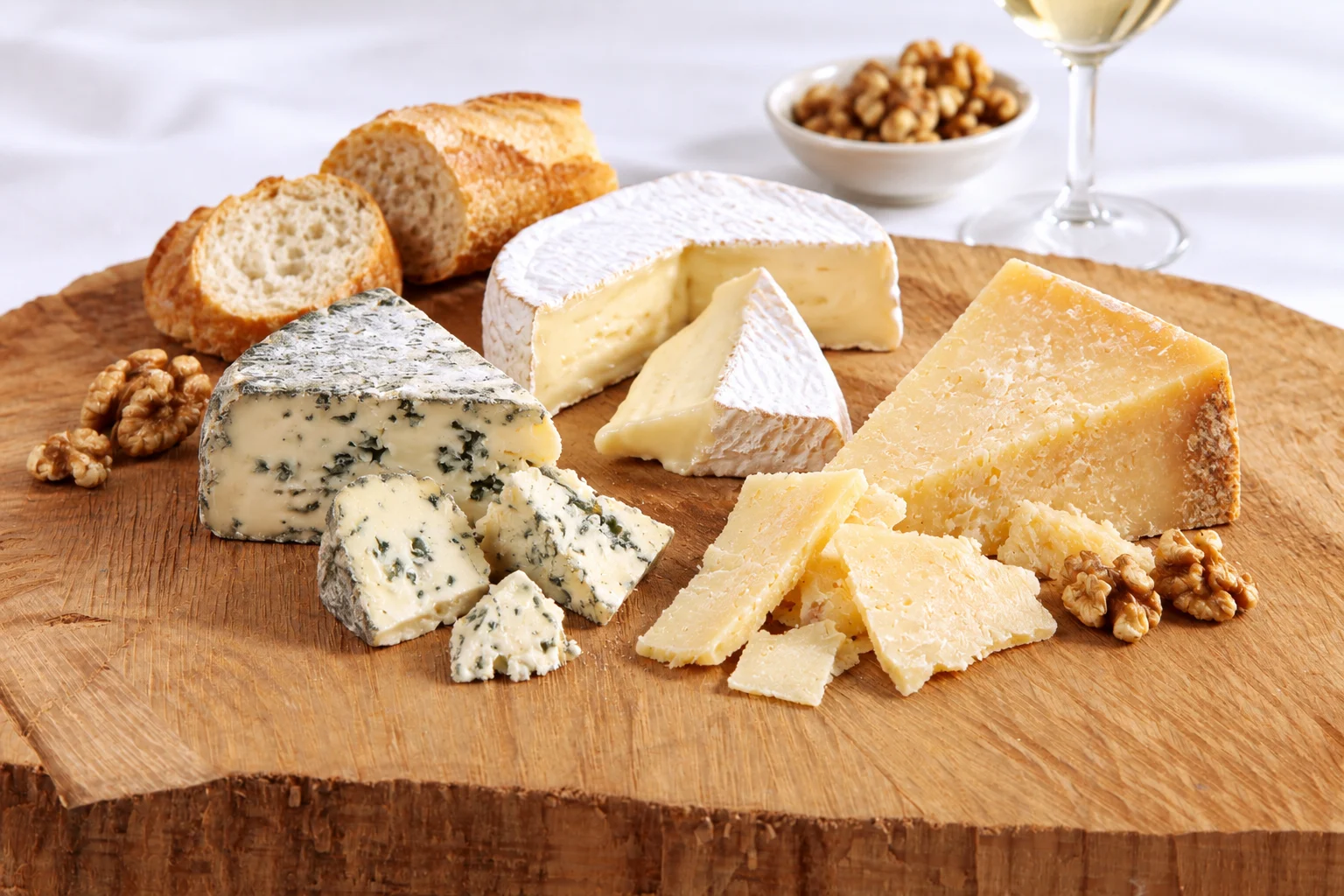
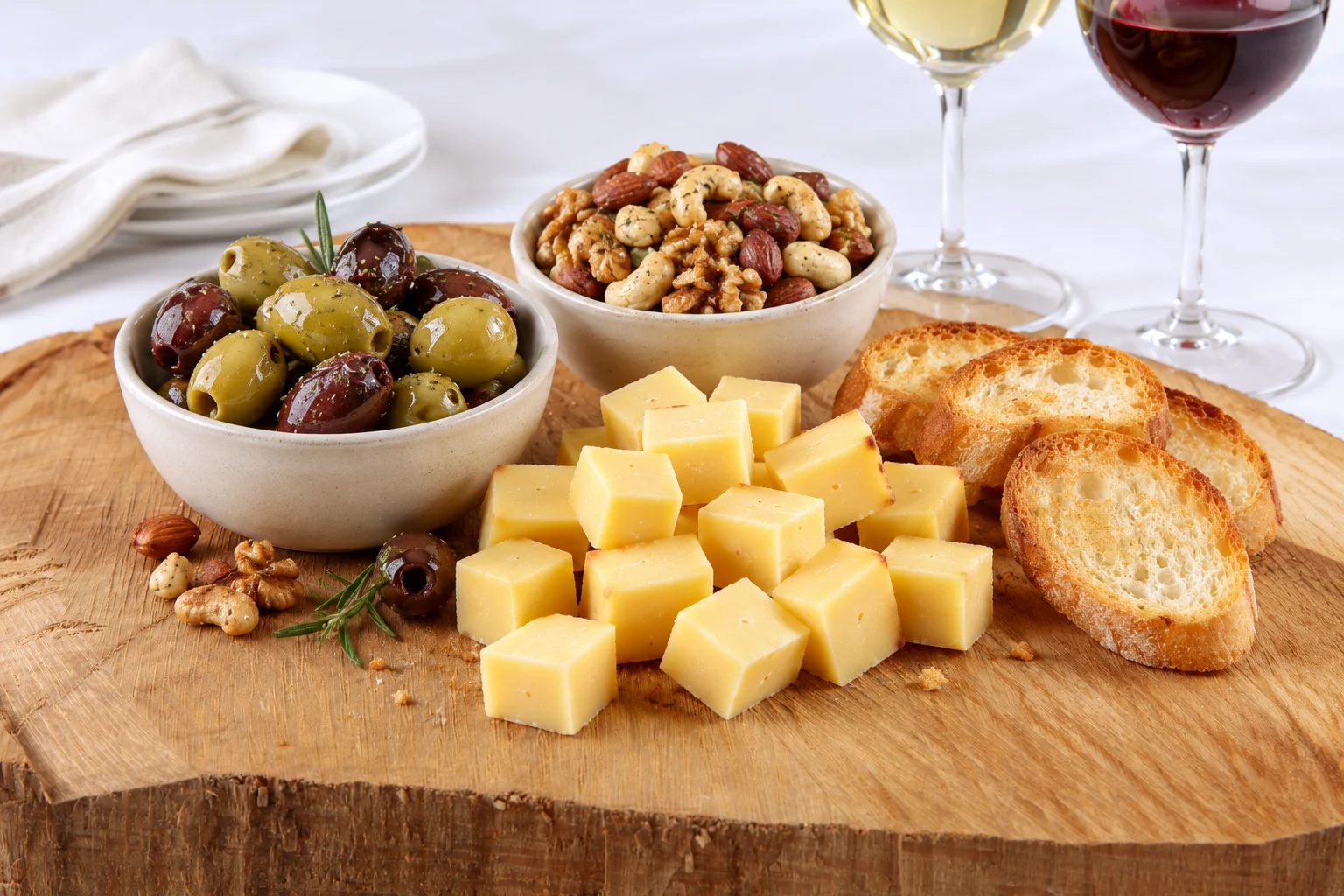
Calem Porto Fine Tawny toont zachte tonen van rijpe noten, karamel en gedroogd fruit met een subtiele houtigheid en een warme zoetheid die goed in balans is met zijn 19% alcohol. Daardoor voelt hij vanzelfsprekend bij een kaasplankje met romige brie of oude belegen kazen, als gezellige borrelgenoot naast chocolade of noten, en als afsluiter bij een dessert zoals chocoladecake of een koude fruitsalade; de zoetheid en de nootachtige tonen vullen zowel romige als rijke smaken aan zonder te overheersen. Serveer hem licht gekoeld en combineer hem met licht gezouten kazen, een smeuïge roomkaastaart of een pure chocoladebereiding om de roodbruine fruittonen en eikenaccenten maximaal te laten spreken.
Choose a category to discover dishes that pair well with this wine.
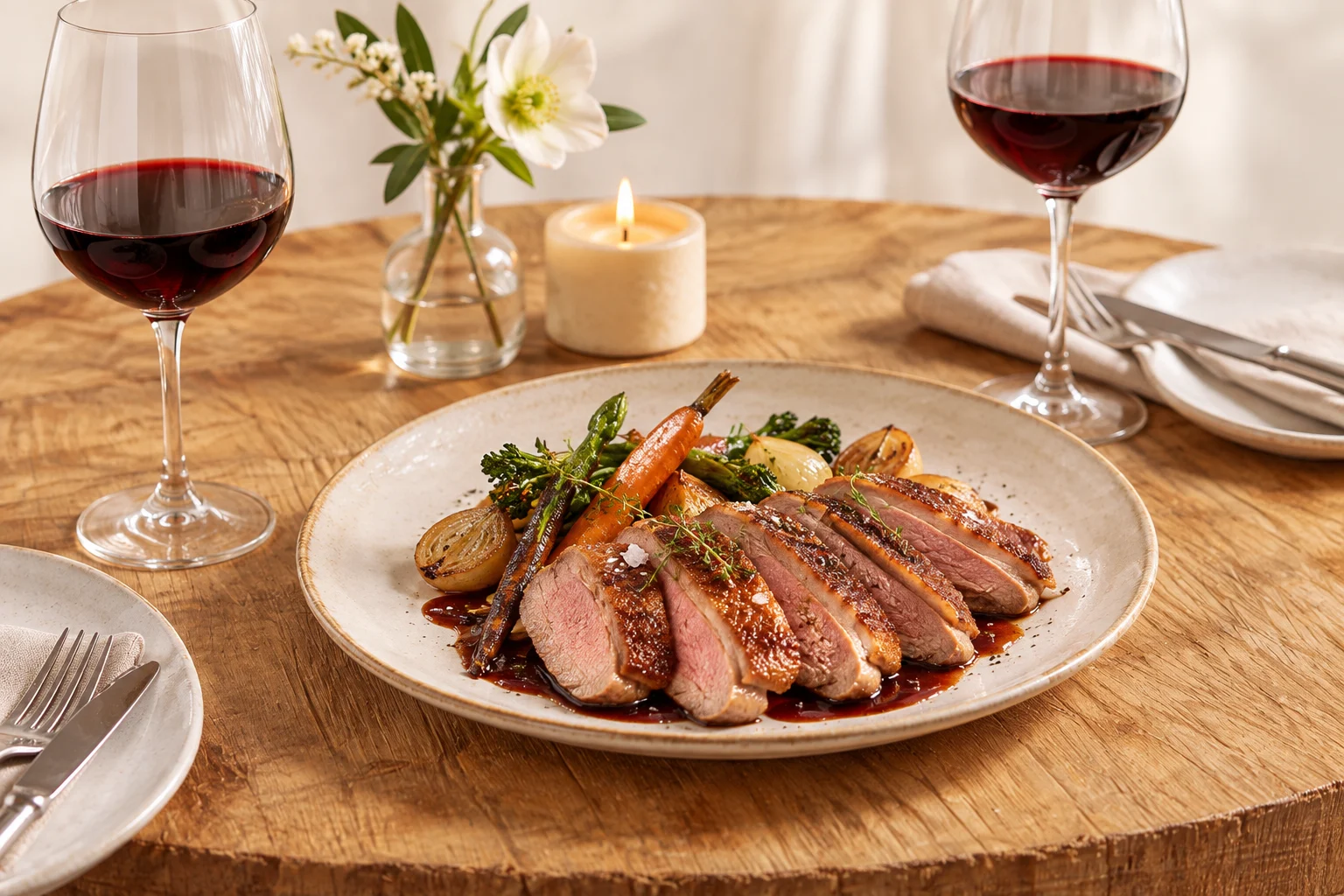
Do you already have a dish in mind?
Let Sommy find wines to pair with your meal.
Discover Wine Trivia
Sign in to unlock fascinating facts about this wine and expand your knowledge.
Sign In