

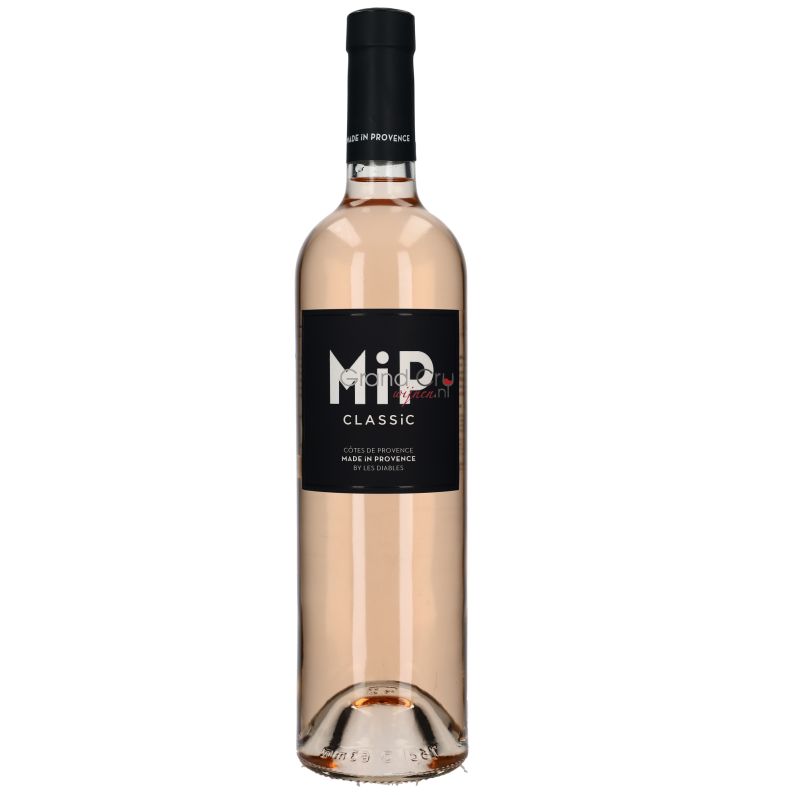
2025 Made in Provence (MIP) Rose Classic
How does this wine taste?
How full and heavy the wine feels in your mouth, like the difference between skimmed milk and cream. More alcohol, sugar and oak ageing make a wine fuller.
How much sugar you taste, from dry to sweet. Fruity is not the same as sweet: a dry wine can taste of ripe fruit.
How fresh and juicy the wine is: acidity makes your mouth water. High acidity tastes lively and refreshing, low acidity soft and round.
What we taste What you taste Click a taste for what it means
The bars follow how sommeliers taste (WSET): body, tannin, sweetness and acidity, each from low to high.
Body: full-bodied. 12.5% alcohol.
Acidity: medium. The warm climate of .
Nothing noted for this wine yet. What do you smell, and how long does the taste linger?
Have you tasted this wine?
Save your rating and notes.
Save your rating and notes.
Have you tasted this wine?
Log in to save your tasting note.
Log in to save your tasting note.
Log inIn Puyloubier, twenty kilometers east of Aix-en-Provence, at the foot of the Montagne Sainte Victoire, Michel Fabre founded Domaine Sainte Lucie in 1978. The Sainte Lucie vines, which average thirty-five years old, grow on a thin layer of calcareous sand and red clay soil, full of stones. This makes it essentially the only soil suitable for wine grapes. The grapes grown here are primarily the red Grenache and Syrah varieties, supplemented with some Cabernet Sauvignon, Mourvèdre, and, of course, Carignan and Cinsault.
In the glass, the MIP Classic is a very lightly tinted rosé with a caressing and explosive nose, revealing notes of white flowers and small yellow fruits. On the palate, it's a wine full of finesse, ideal with a summer aperitif or light meals.
Because the grapes on the estate enjoy optimal planting conditions in relation to the sun, they can mature healthily and fully. In humid weather, the gentle mountain winds—of which the Mistral is perhaps the most famous—ensure that mold and rot don't take hold of the bunches. This makes organic farming at Domaine Sainte Lucie an easy challenge. The estate's environmentally friendly approach naturally also affects the Sainte Lucie wines. They are fruity, elegantly spicy, floral, and pure. Add to that the modern bottle styles, and Domaine Sainte Lucie's rosés can be considered among the most tempting Provençal wines for any occasion and any occasion.
FACT: In the "Attachments" tab, you'll find the official fact sheet for this fine wine. We'll automatically send it to you when you order it. The wine is stored in our climate-controlled Wine Warehouse, and if you pick it up, you'll often receive a nice discount. You'll see your discount immediately when you select "Pickup" at checkout. We're located in Dordrecht with ample parking. Click here for our address.
Character
The wine
Origin
Bottle
Wine features
Michel Fabre founded Domaine Sainte Lucie in 1978 in Puyloubier, twenty kilometers east of Aix-en-Provence, at the foot of the Montagne Sainte Victoire. The average thirty-five-year-old sticks of Sainte Lucie are placed on a thin layer of calcareous sandy and red clay soil full of stones. Basically only a soil suitable for wine grapes. This mainly concerns the red varieties grenache and syrah supplemented with some cabernet sauvignon, mourvèdre and of course carignan, vermentino and cinsault.
Because the grapes on the domain enjoy optimal planting in relation to the sun, they can reach full and ripe maturity in good health. In humid weather, the gentle mountain winds - of which the Mistral is perhaps the best known - ensure that fungi and rot do not get a grip on the bunches. It makes organic farming at Domaine Sainte Lucie an easy challenge.
The nature-friendly approach on the domain naturally also has an impact on the wines of Sainte Lucie. They are fruit-rich, elegantly spicy, floral and pure. Add to this the modern bottle versions and the rosés of Domaine Sainte Lucie can be counted among the most seductive Provence wines on every occasion and every moment of use.
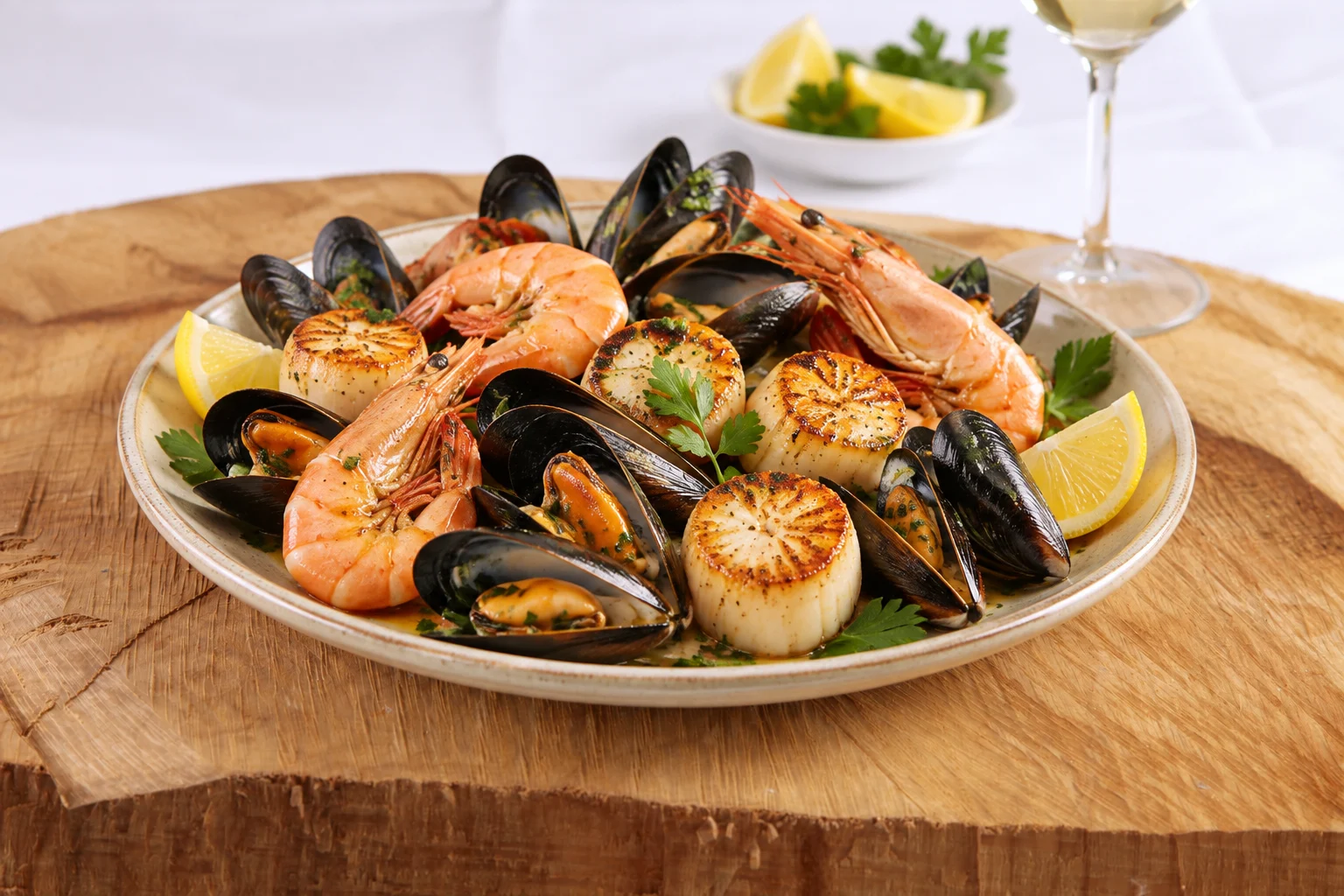
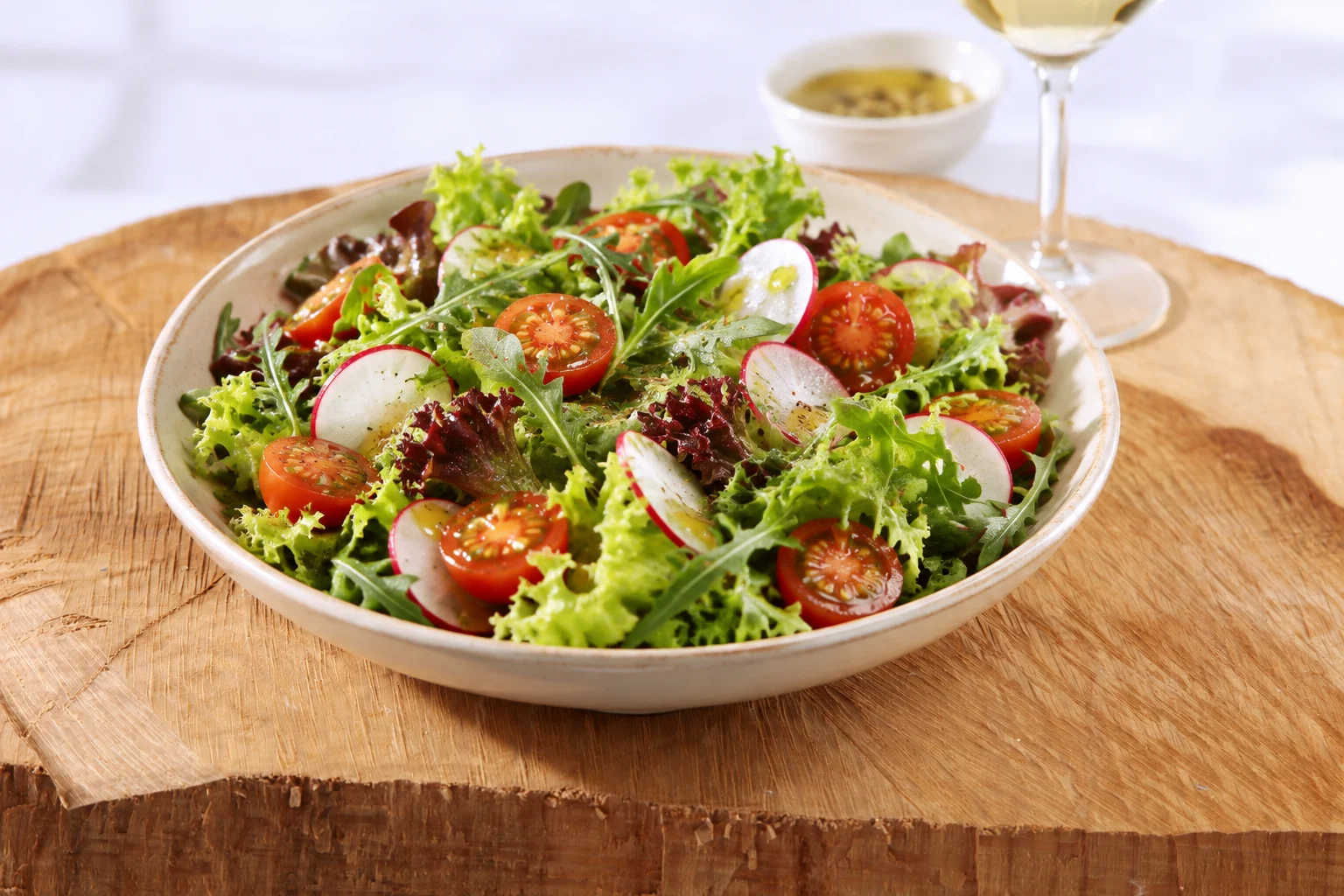
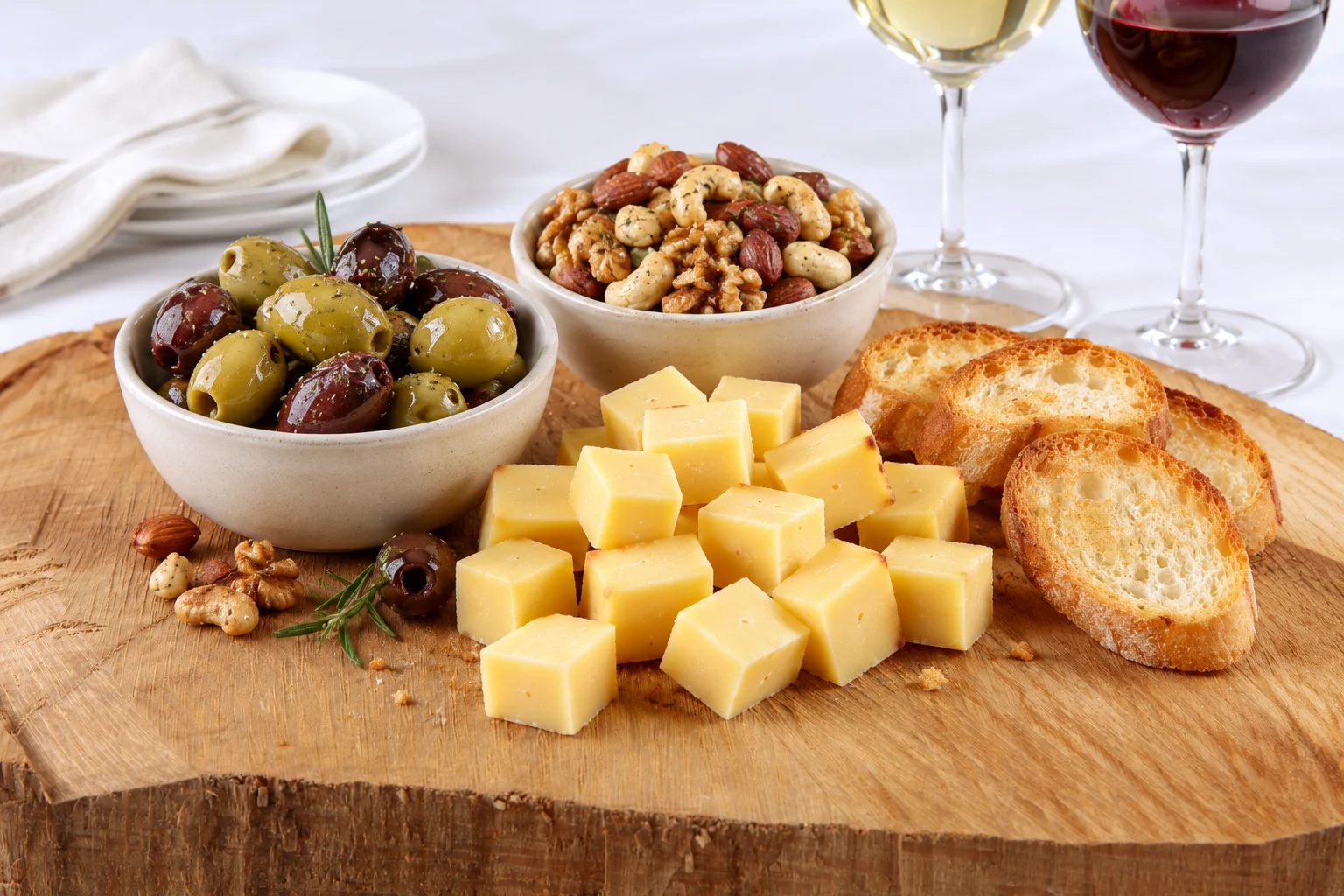
Licht zalmroze en fris van stijl met een strelende, bloemige neus en tonen van kleine gele vruchten, verfijnde kruidigheid en een heldere, zesteurige zuurgraad die het geheel een elegante finesse geeft. Daardoor speelt deze rosé perfect bij schelpdieren en schaaldieren, frisse salades en borrelhapjes: de frisheid snijdt goed door zeewierige en zure smaken en versterkt subtiel geroosterde of gegrilde smaken; denk aan ceviche of coquilles met een scheutje citroen, gegrilde garnalen of octopus, een salade Niçoise of geroosterde groenten op het terras voor de beste combinatie.
Choose a category to discover dishes that pair well with this wine.
Do you already have a dish in mind?
Let Sommy find wines to pair with your meal.
Discover Wine Trivia
Sign in to unlock fascinating facts about this wine and expand your knowledge.
Sign In