

2025 Château Mont-Redon Saint Max Côtes de Provence Rosé
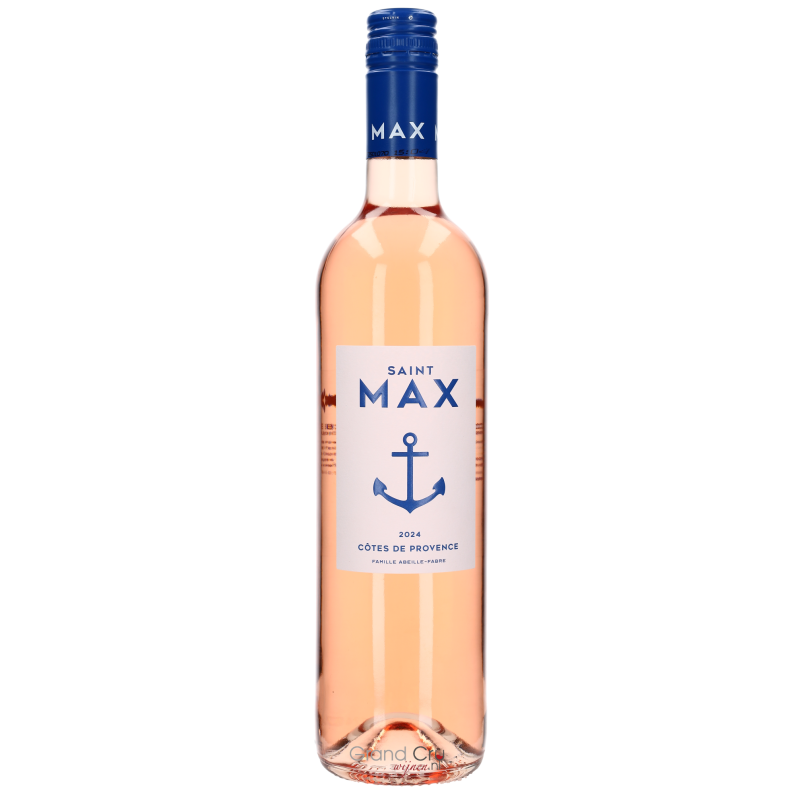
De specificaties zoals vermeld bij de wijn (o.a. wijnjaar) en in de titel zijn leidend en er kunnen geen rechten worden ontleend aan de afbeelding die wordt getoond. Lees meer in onze Frequenty asked questions
How does this wine taste?
How full and heavy the wine feels in your mouth, like the difference between skimmed milk and cream. More alcohol, sugar and oak ageing make a wine fuller.
The drying, grippy feel on your gums and tongue, as with strong tea. It comes from the skins and seeds of black grapes and from oak, and softens with age.
How much sugar you taste, from dry to sweet. Fruity is not the same as sweet: a dry wine can taste of ripe fruit.
How fresh and juicy the wine is: acidity makes your mouth water. High acidity tastes lively and refreshing, low acidity soft and round.
What we taste What you taste Click a taste for what it means
The bars follow how sommeliers taste (WSET): body, tannin, sweetness and acidity, each from low to high.
Body: medium-bodied. Like most red wines from ; 13% alcohol.
Tannin: medium. Aged in oak.
Sweetness: dry. Red wine from is almost always dry.
Acidity: medium. The warm climate of .
Nothing noted for this wine yet. What do you smell, and how long does the taste linger?
Have you tasted this wine?
Save your rating and notes.
Save your rating and notes.
Have you tasted this wine?
Log in to save your tasting note.
Log in to save your tasting note.
Log inThe Château Mont-Redon Saint Max Rosé is an elegant, fresh, and refined rosé from the Côtes de Provence in the south of France. Mont-Redon, best known for its top wines from Châteauneuf-du-Pape, produces this rosé at their Provençal estate near the Mediterranean Sea. The wine is named after Maxence, a relative of the winemakers, and reflects the style of a classic Provence rosé: light in color, lively, and thirst-quenching, yet with sufficient depth and finesse.
The Saint Max Rosé is a blend of grapes such as Grenache, Cinsault, Syrah, and optionally Rolle (Vermentino) . The wine displays aromas of raspberry, wild strawberry, redcurrant, and white peach, complemented by floral notes and a subtle spiciness. On the palate, it is fresh, dry, juicy, and crisp – with a mineral touch and a lively acidity that ensures drinkability.
This is a stylish and gastronomically versatile rosé that goes beyond a simple terrace wine.
Food and wine pairings
The wine's fresh acidity, low alcohol content, and subtle spiciness make it versatile at the table. Below are some suitable pairings, with explanations:
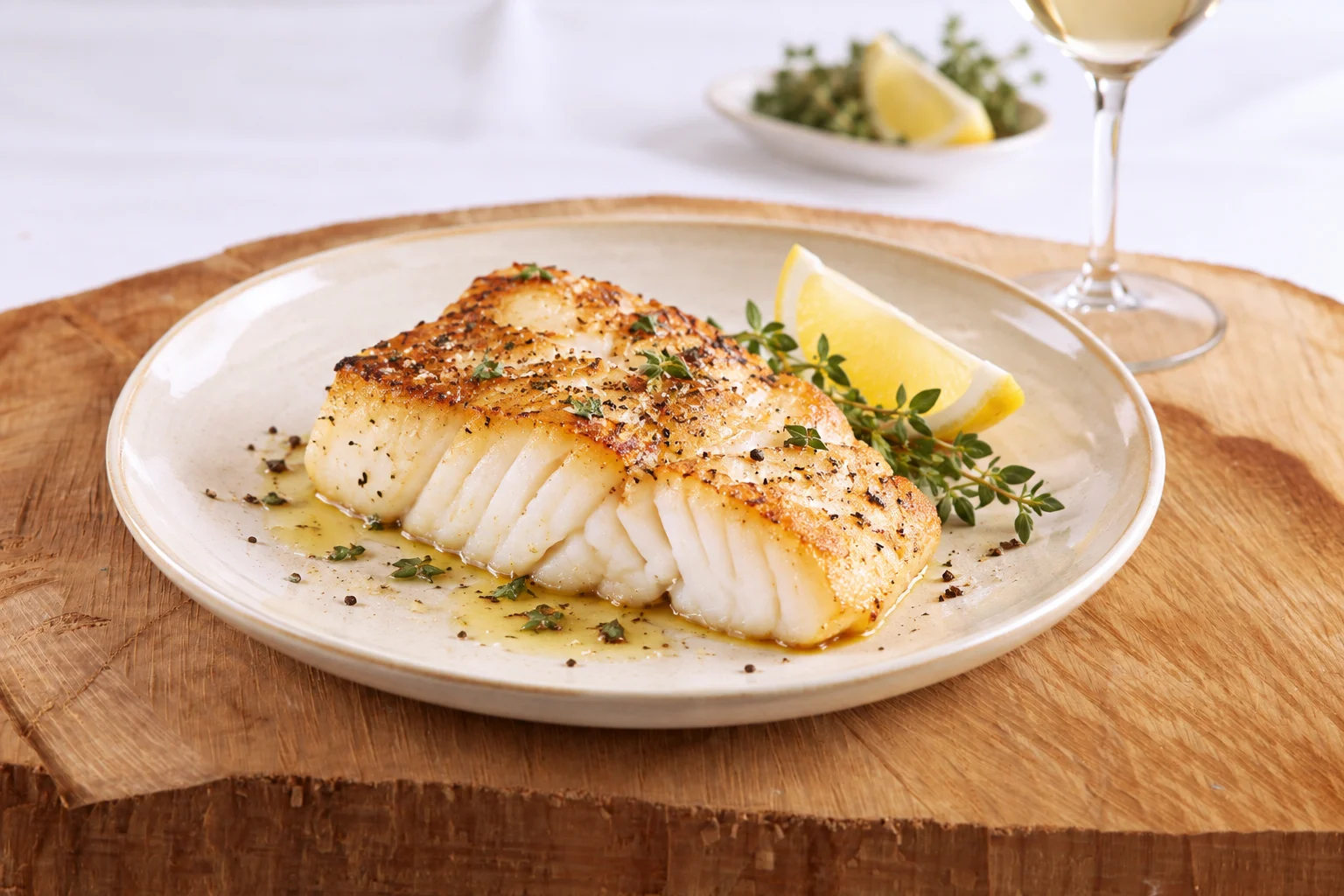
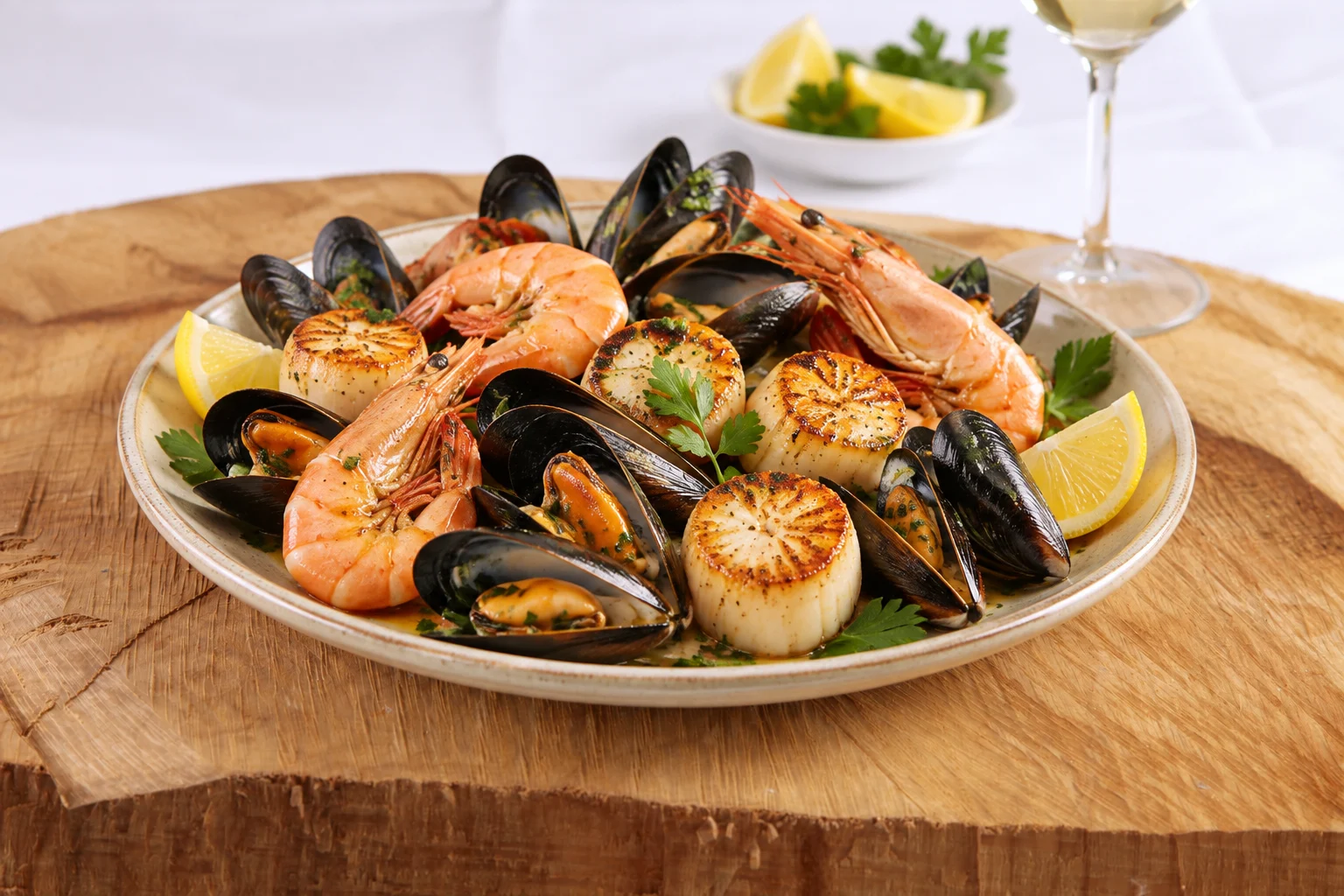
1. Grilled fish or seafood with Provençal herbs
Think of sea bream or sea bass with thyme and lemon, grilled prawns, or salad with squid and olives.
The briny freshness of the wine pairs beautifully with maritime dishes and regional herbs, while the acidity supports the texture of the fish.
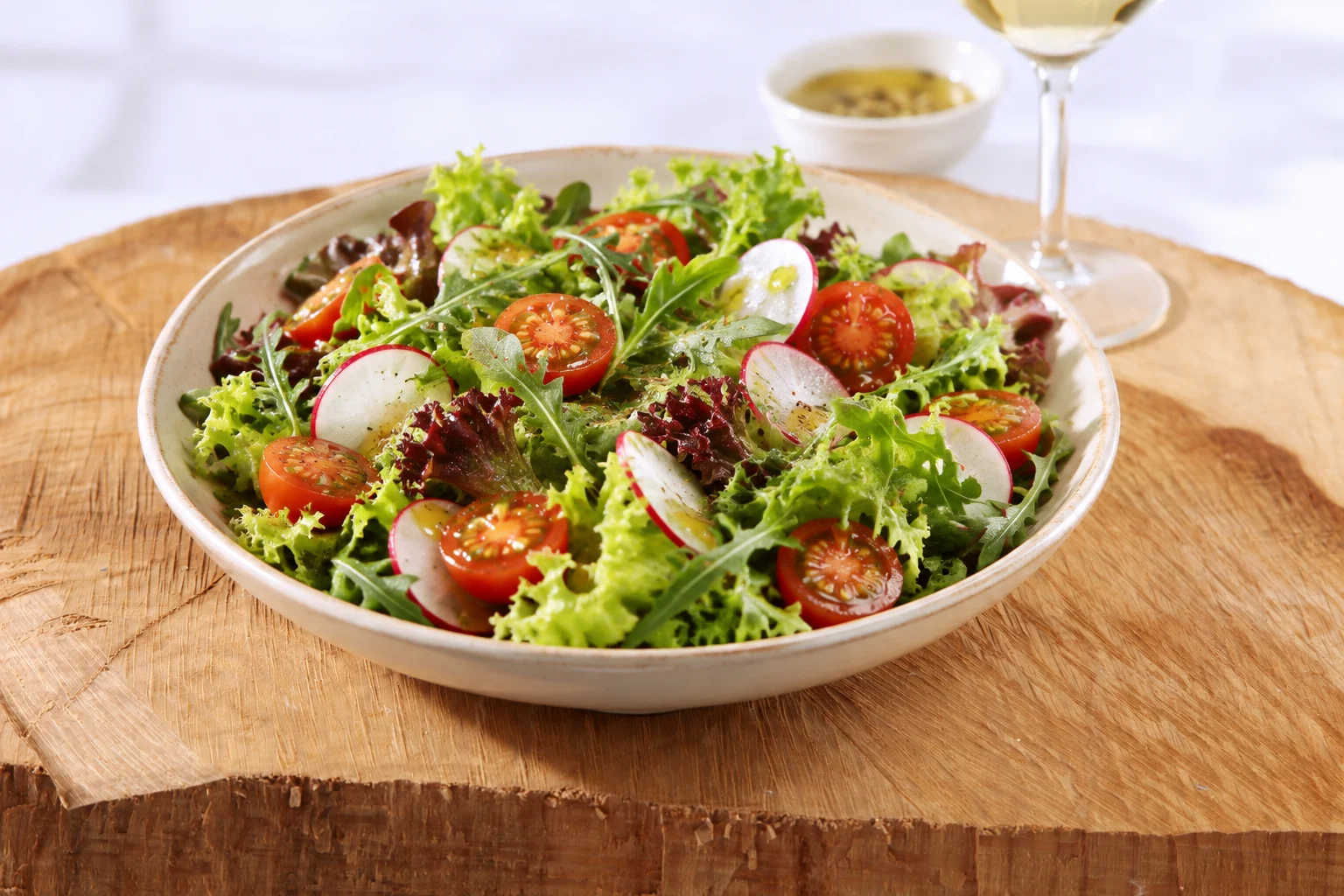
2. Salads with Mediterranean ingredients
For example, Salade Niçoise, tabouleh with mint and pomegranate, or goat cheese with watermelon.
The wine offers freshness and fruitiness that pair well with raw vegetables, olive oil, and acids such as lemon or vinaigrettes.
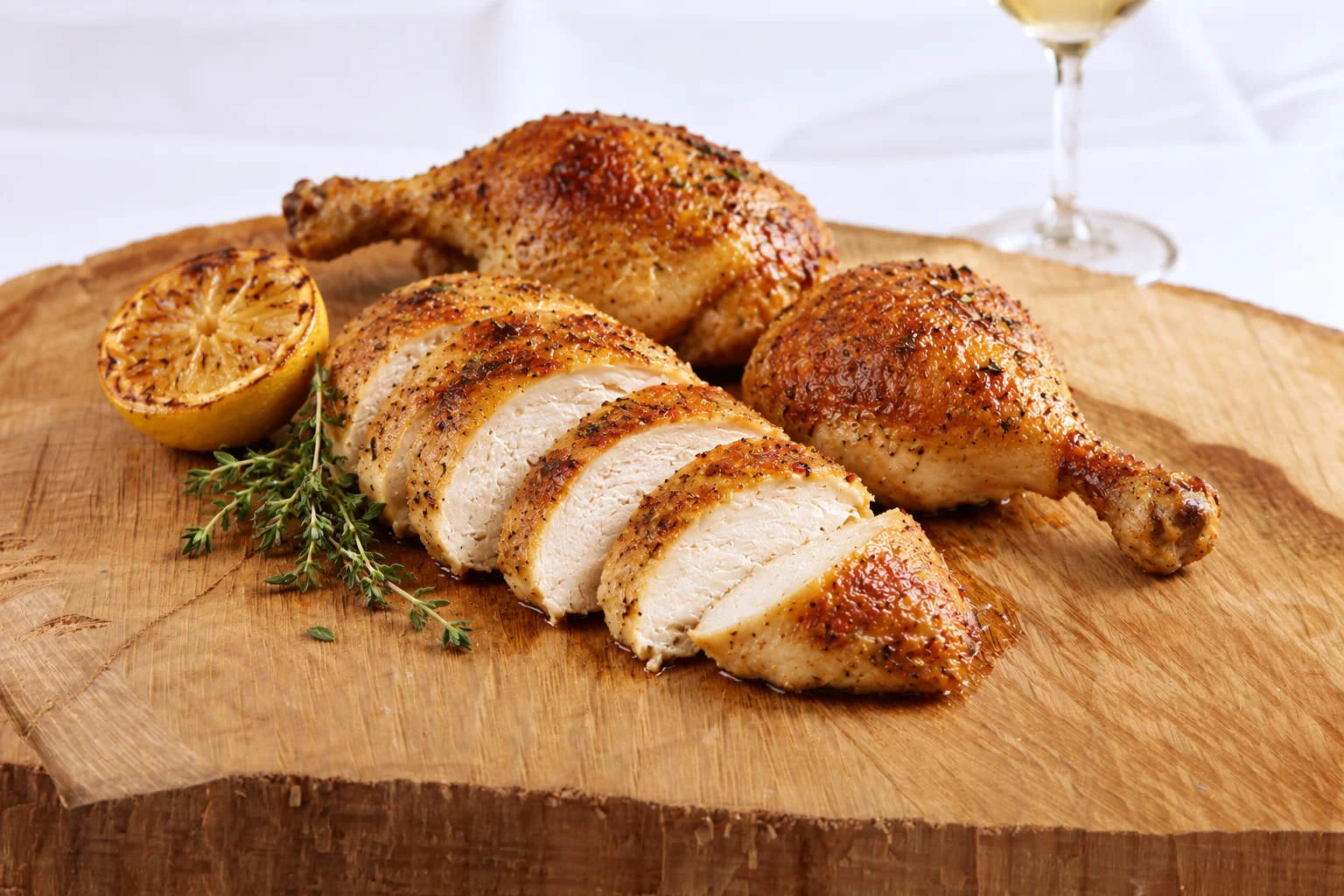
3. Grilled or oven-baked poultry
Roasted chicken with rosemary, guinea fowl with ratatouille, or turkey with Provençal spices.
The refined spiciness of the wine aligns seamlessly with the aromatic character of this type of preparation.
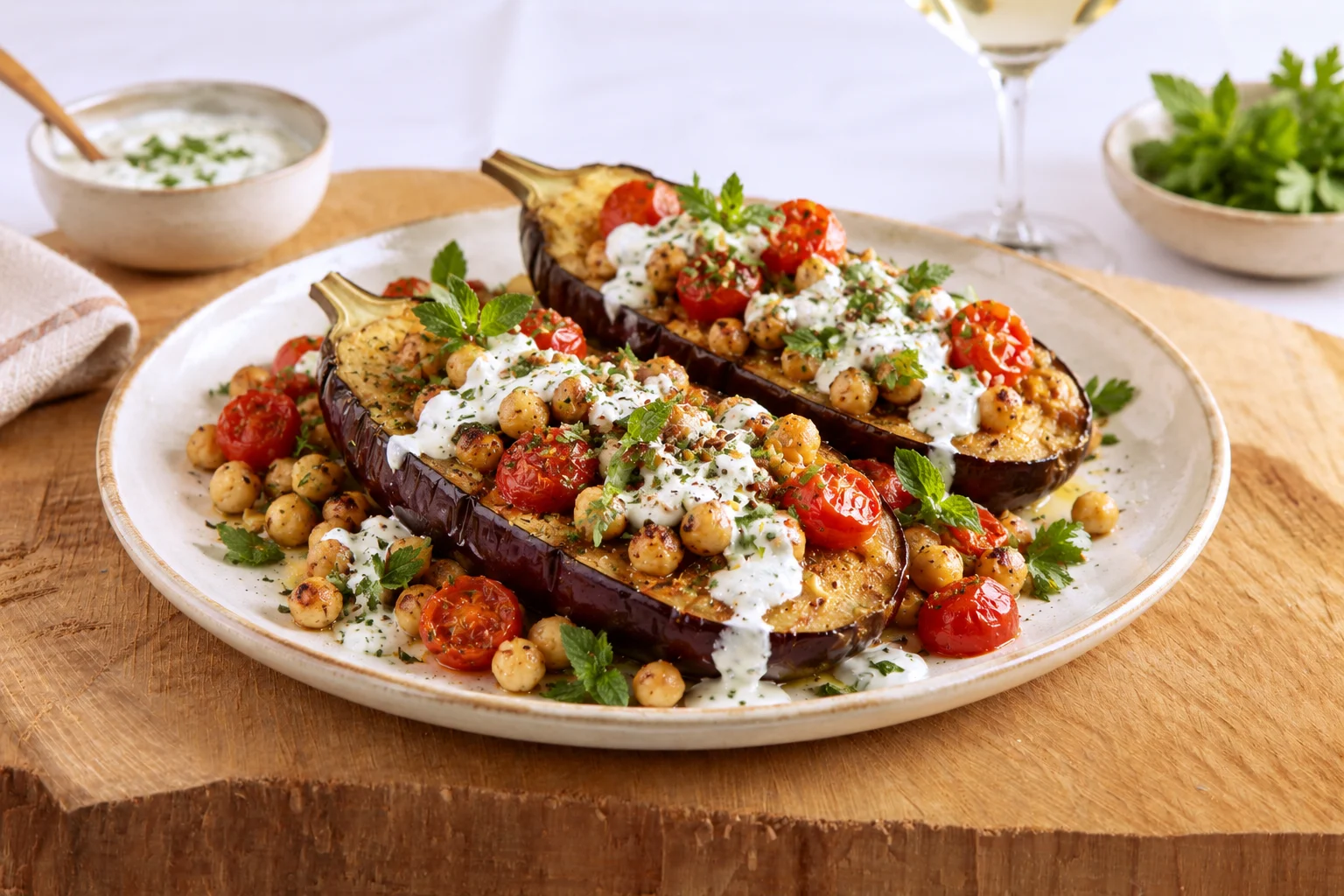
4. Vegetarian dishes with olive oil, herbs, or soft cheese
Roasted eggplant with feta and thyme, zucchini with Parmesan, or grilled bell peppers with burrata.
The wine supports the soft flavors and spicy accents without overpowering, and provides a refreshing contrast.
5. Rice dishes and light Mediterranean pastas
Paella with chicken and vegetables, pasta with seafood, or tomato-basil sauce.
The wine's fresh profile and lively acidity create balance with these dishes featuring structure and Southern flavors.
Character
The wine
Origin
Bottle
Wine features
Located on the highest point of the hills surrounding the village of Chateauneuf du Pape. It is the largest (private) company of the Appellation. Qualitatively at the top for years. The company belongs to the Abeil and Fabre families. Besides Chateauneuf du Pape they also make Lirac and Côtes du Rhône. with regard to the Chateauneuf du Pape, it applies that one has different labels such as "vignoble abeile" and "vignoble Fabre", but the wine is always the same. If you are in the area, the company's tasting room is definitely worth a visit. It is open every day. Around Châteauneuf-du-Pape there is a landscape of gently sloping slopes and sometimes large plateaus. The characteristic ground is reddish earth covered with round boulders, small and large: Galets or Caillous roulés. At the time, these were carried by the Rhône glacier. In some places, the cobblestone avenue is one and a half to two meters thick. The stones ensure that the grapes ripen completely, because during the day they collect solar heat to radiate it again at night.
Deze Saint Max Rosé toont frisse, droge en sappige smaken van framboos, wilde aardbei en rode bes met witte perzik, florale tonen, een subtiele kruidigheid en een minerale, levendige zuurgraad die elegant blijft bij 13% alcohol. Daardoor werkt hij uitstekend bij gegrild of in de oven geroosterd gevogelte en witte vis, bij zeevruchten zowel gegrild als in ceviche of lichte pasta's, en bij salades of geroosterde groenten met olijfolie en Provençaalse kruiden, omdat de zuren en het fruit het vet en de kruiden knippen zonder te overheersen. Kies voor bereidingen met citroen, een frisse vinaigrette of lichte grill- en roostertechnieken om de frisheid en het minerale karakter van de wijn extra te accentueren.
Choose a category to discover dishes that pair well with this wine.
Do you already have a dish in mind?
Let Sommy find wines to pair with your meal.
Discover Wine Trivia
Sign in to unlock fascinating facts about this wine and expand your knowledge.
Sign In