

2024 Sybille Kuntz Riesling Qualitätswein trocken
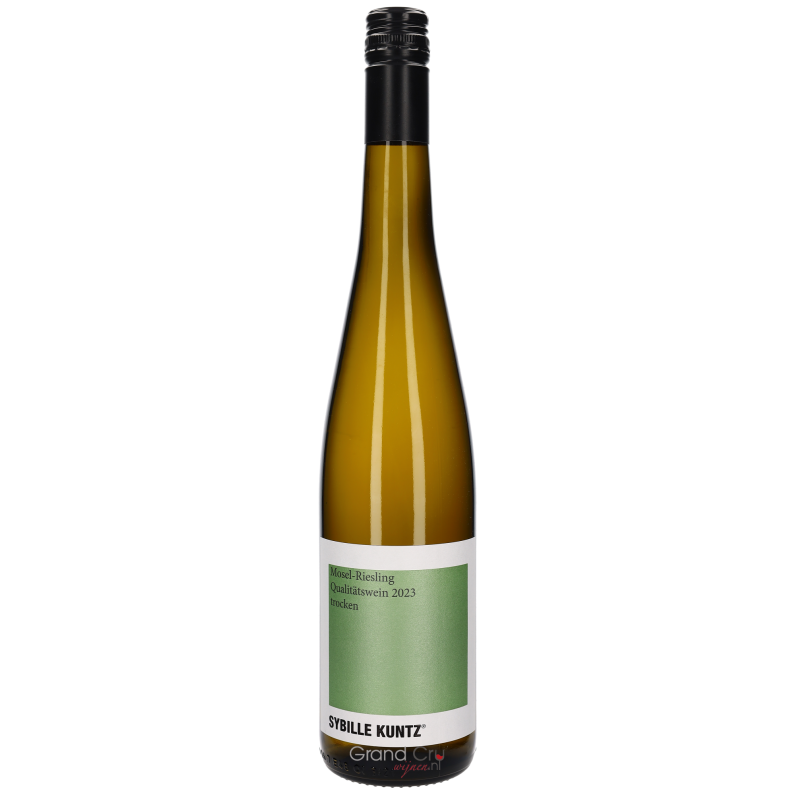
De specificaties zoals vermeld bij de wijn (o.a. wijnjaar) en in de titel zijn leidend en er kunnen geen rechten worden ontleend aan de afbeelding die wordt getoond. Lees meer in onze Frequenty asked questions
Ordering in bulk? Log in to request a quote
In stock
6 items available
How does this wine taste?
How full and heavy the wine feels in your mouth, like the difference between skimmed milk and cream. More alcohol, sugar and oak ageing make a wine fuller.
How much sugar you taste, from dry to sweet. Fruity is not the same as sweet: a dry wine can taste of ripe fruit.
How fresh and juicy the wine is: acidity makes your mouth water. High acidity tastes lively and refreshing, low acidity soft and round.
What we taste What you taste Click a taste for what it means
The bars follow how sommeliers taste (WSET): body, tannin, sweetness and acidity, each from low to high.
Body: medium-bodied. Fuller than most white wines from ; 12% alcohol.
Sweetness: dry. on the label.
Acidity: high. from the fairly cool climate of .
Aromas: flowers, stone fruit and tropical fruit, typical of
Nothing noted for this wine yet. What do you smell, and how long does the taste linger?
Have you tasted this wine?
Save your rating and notes.
Save your rating and notes.
Have you tasted this wine?
Log in to save your tasting note.
Log in to save your tasting note.
Log inThe best and largest plots of the 45 hectares of vineyards where SYBILLE KUNTZ Riesling grows are located on the grand cru site Niederberg-Helden in Lieser. The oldest vines thrive on these plots. They were planted in the 1920s as a "selection mass" and are still self-rooted. On a 70% slope, the midday sun hits the vines vertically and, in addition, the Moselle River reflects the sun with a mirror-like intensity.
The Qualitätswein is the first quality category to be harvested. The plots are in Lieser and Kues, planted with "young" vines up to 40 years old. The slope is 30-50% slope, the soil is a mix of slate and some quartz. The agricultural principles are biodynamic. Crop grows between the rows for a natural balance. A low yield is guaranteed by pruning the vines to 8-10 buds/vine. At the end of June, shortly after flowering, manual thinning of shoots is carried out, as well as the removal of leaves and secondary
shoots into the grape zone. This results in lightweight grapes with small berries that are perfectly exposed to the sun's rays. Total yield is 50 hl/ha which is approximately a bottle of Riesling per vine.
What is important for the timing of the harvest is reaching physiological ripeness in mid-October, with sugar values of around 90° Oechsle (Specific gravity 90° = 1,090 kg/l or 22.5° Brix). The grapes are collected in small crates during harvest to ensure that they reach the cellar undamaged. In the maceration of the skin with closed tank press takes a few hours to enhance the natural aroma extraction. Vinification starts with native yeast and takes place in stainless steel tanks at temperatures between 16° and 18° C. Initially, fermentation is temperature controlled; the entire fermentation process covers a period of 6 to 8 weeks.
This is a classic biodynamic Riesling wine that is vibrant and well-textured with refined aromas. The Sybille Kuntz Weingut Riesling Qualitätswein trocken has a complex nose with notes of grapefruit, lime, chamomile and some honey and white flowers. Wonderfully fresh and elegant, beautifully dry with ripeness and tension and a playful sweet-sour balance that so beautifully characterizes the wines from the Moselle!
Character
The wine
- 100%
Origin
Bottle
Wine features
Sybille was born into a family of winemakers, merchants, barrel makers and coopers, in the village of Lieser in the heart of the Moselle Valley. Initially, she opted for something completely different: studying Business Administration in Wuppertal, far away from the family vineyards.
But the blood creeps where it can't. She opens a wine shop to pay for her studies and thus gets to know the great white wines from France and Italy. Often tighter and drier, which impresses the wine lover who grew up with the traditional sweet Moselle wines. Sybille develops the urge to create a Moselle Riesling that can compete with the cuvées from the well-known top regions.
In the 1980s, she returns to Lieser where she and her husband Marcus gain total control over the family vineyards and winemaking. They get rid of the chemical weed killers and let flowers and plants grow luxuriantly between the vines. The vines are therefore forced to grow deeper, reaching a greater diversity of nutrients.
At the same time, the heavily slate soil remains healthy. This does the forty to no less than seventy-year-old vines well. From its first harvest, in 1984, you can taste the change: the wines have a great minerality, excellent natural acidity and a perfect balance. A new style of Moselle wines is born! Sybille is ambitious and is expanding the domain. The newly purchased vineyards are also planted with old vines and have a slope of up to seventy degrees.
The sun shines almost vertically on it, while the water of the Moselle reflects the sunlight again. Thanks to this exuberant sunlight, the grapes develop optimally and provide many aromas and flavors. Sybille picks the grapes as late as possible, so that they have time to develop 'character'. The result is stunning!
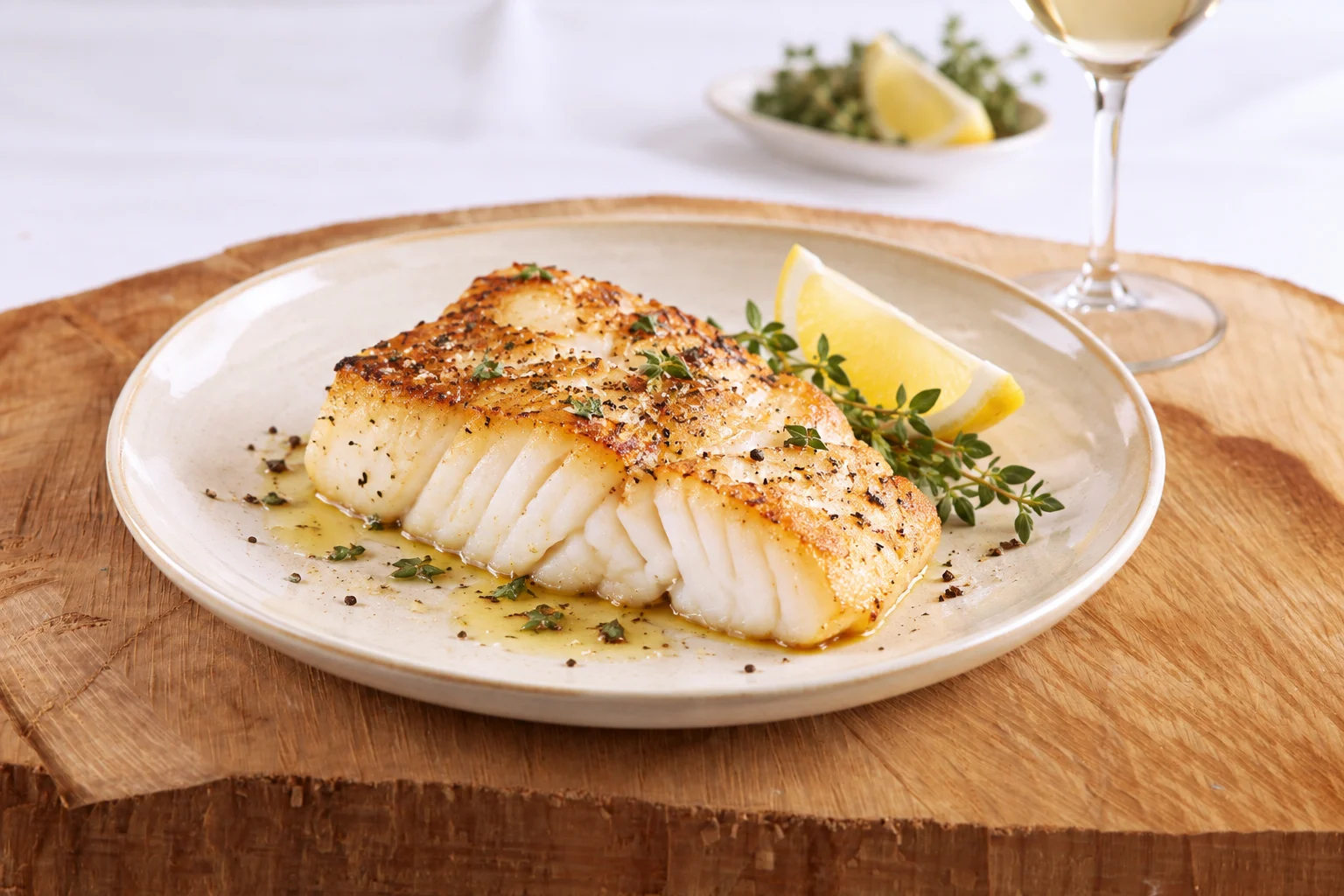
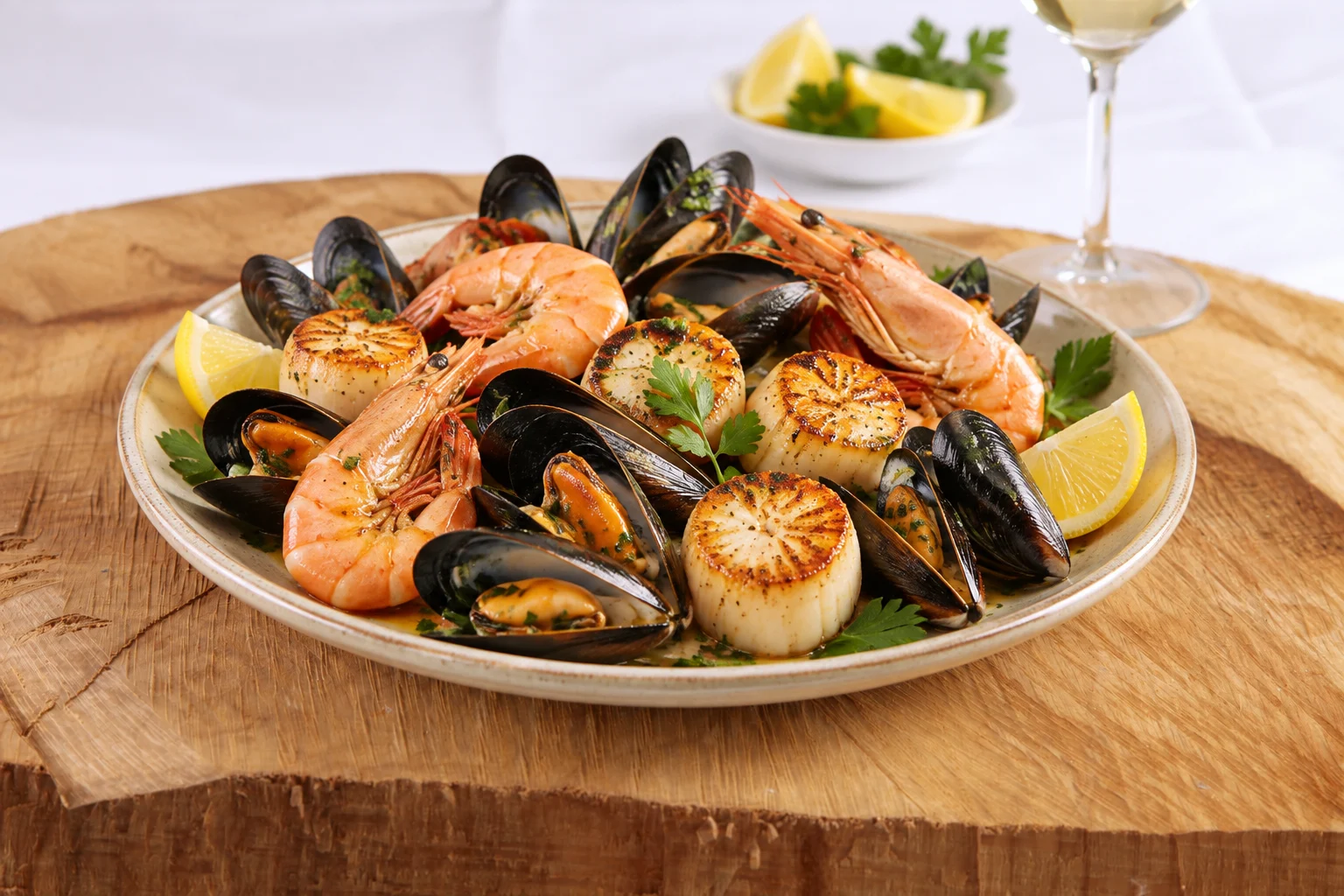
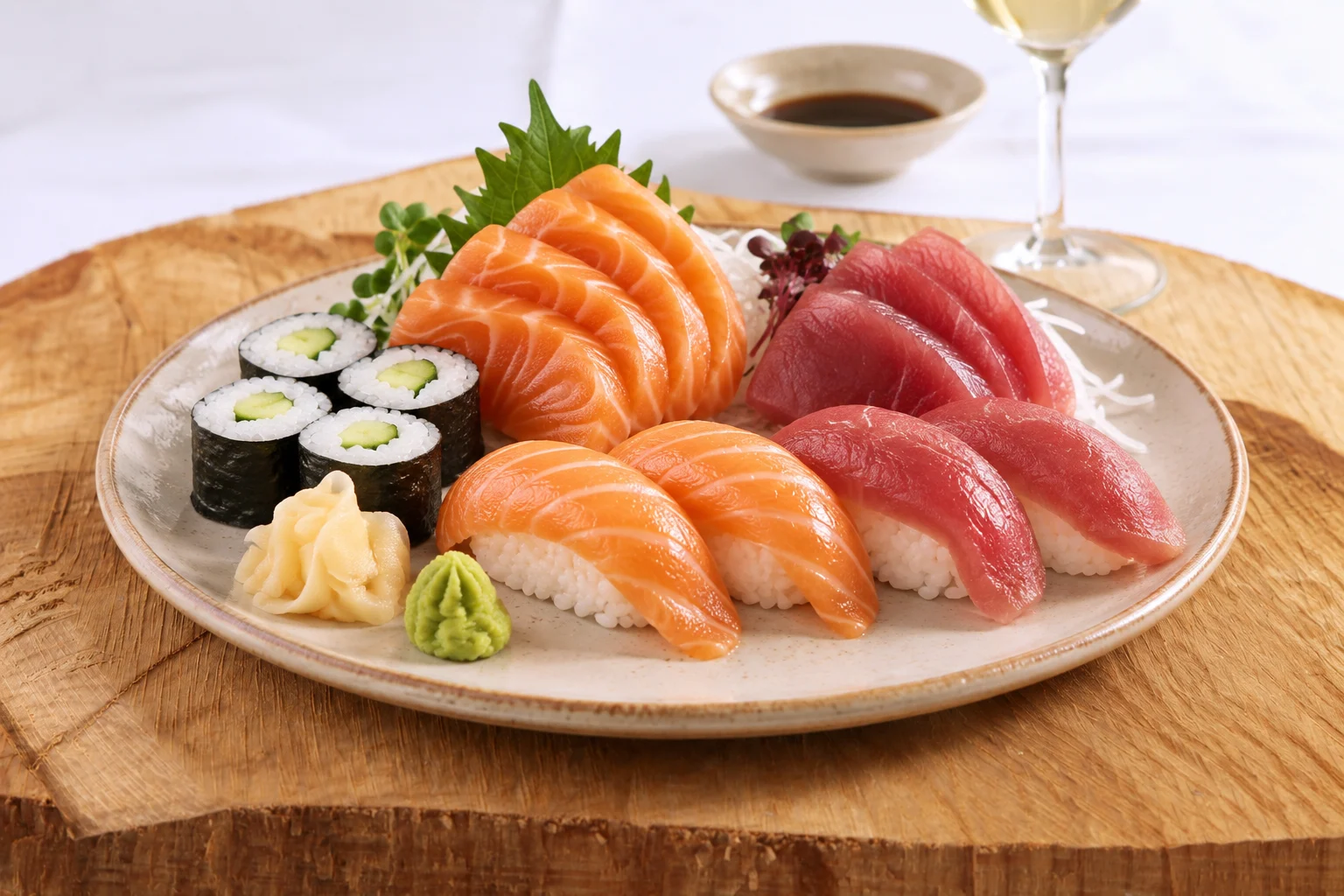
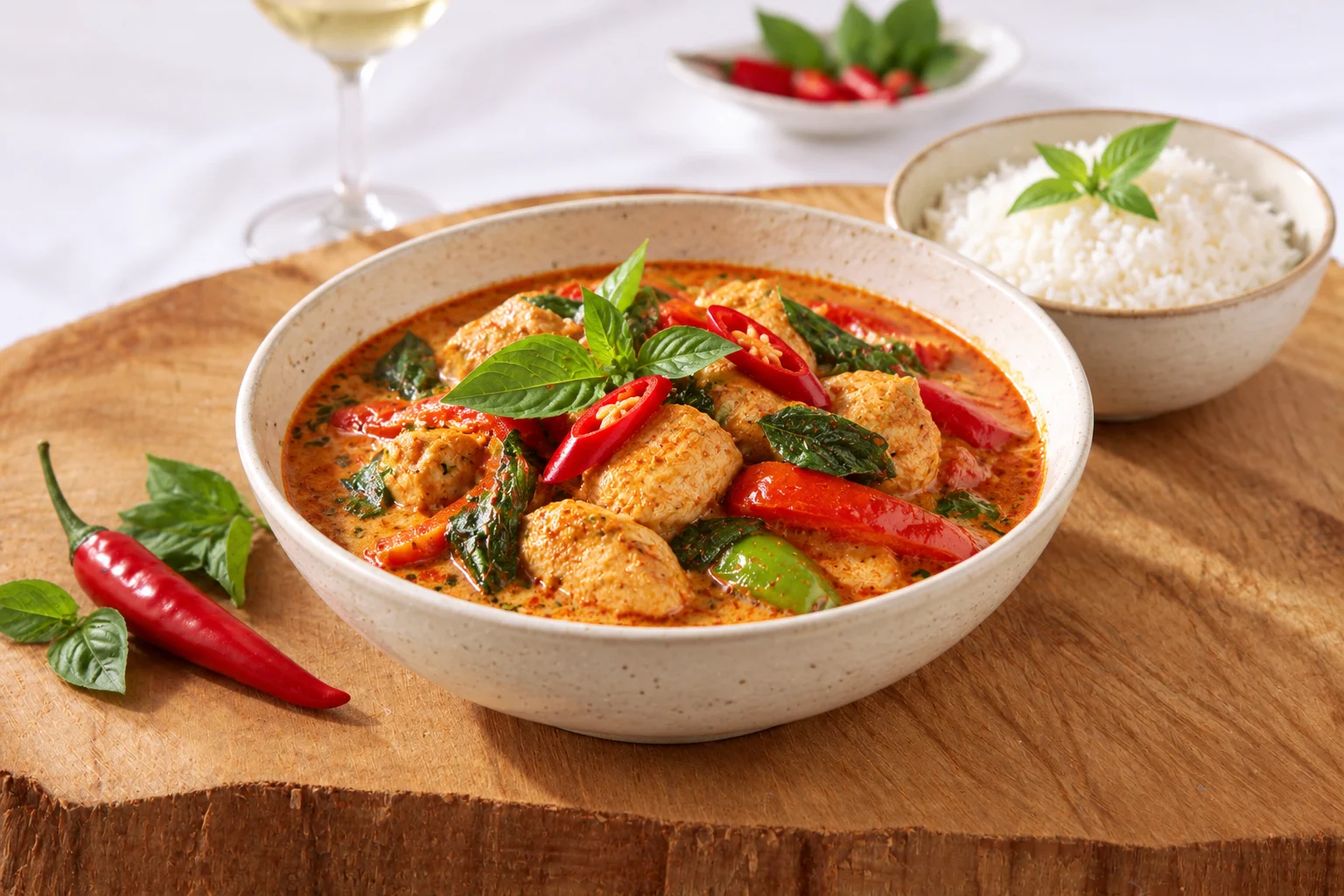
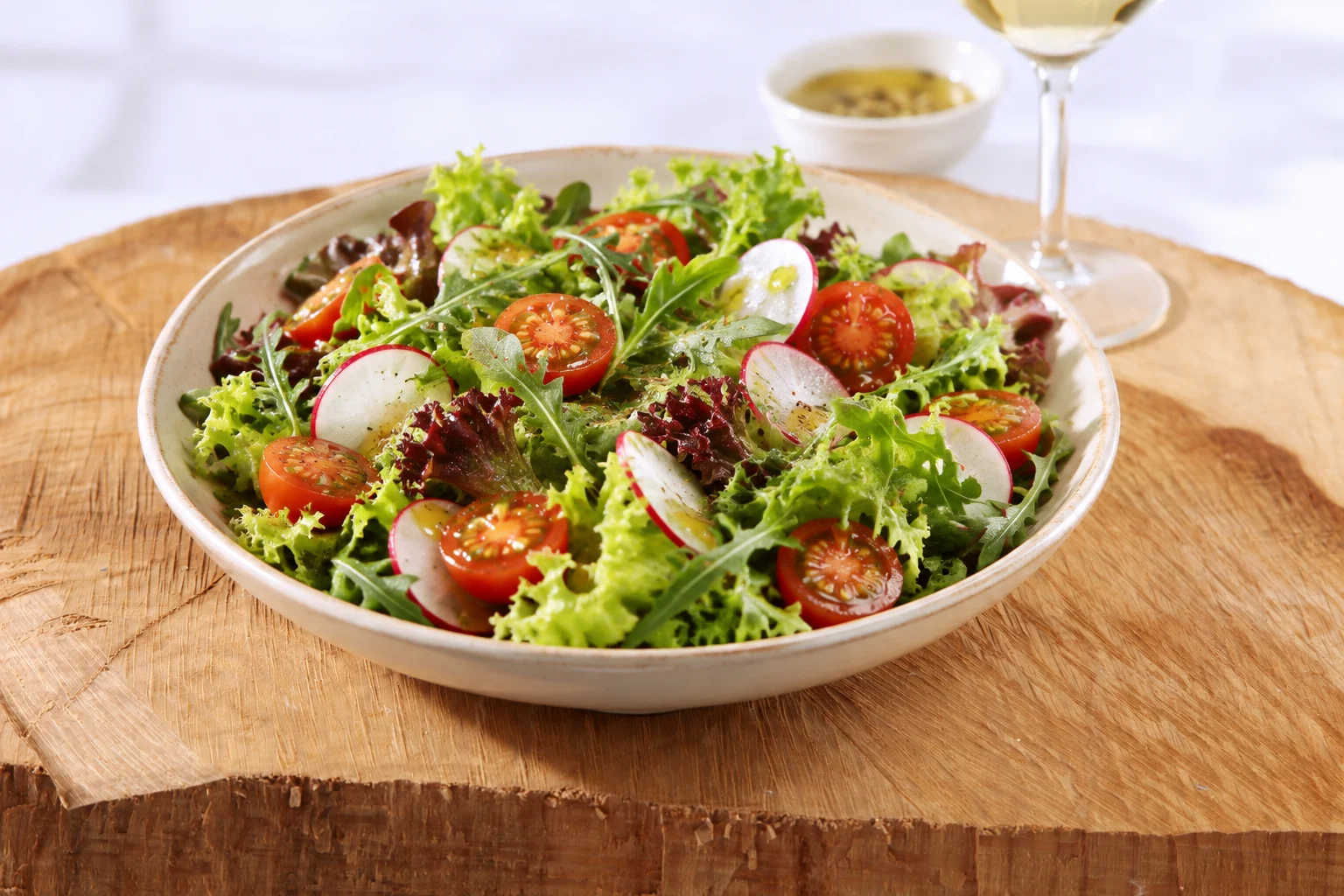
Deze biodynamische Riesling presenteert levendige citrusaroma's van grapefruit en limoen, subtiele tonen van kamille en witte bloemen en een hint van honing, gecombineerd met frisse, elegante zuren en een fijne rijpheid die voor spanning zorgt. Juist die verkwikkende aciditeit en het speelse zoet-zuur evenwicht snijden door vette vis heen, accentueren de delicaatheid van sushi en sashimi en temperen pittige Aziatische smaken, terwijl de bloemige ondertoon goed samengaat met schelpdieren en lichte salades. Kies voor bereidingen met frisse zuren en milde kruiden zoals ceviche of sashimi met een vleugje yuzu, licht gegrilde of gestoomde vis met citroen en peterselie, of een salade met een scherpe vinaigrette om de wijn op z’n best te laten spreken.
Choose a category to discover dishes that pair well with this wine.
Do you already have a dish in mind?
Let Sommy find wines to pair with your meal.
Discover Wine Trivia
Sign in to unlock fascinating facts about this wine and expand your knowledge.
Sign In