

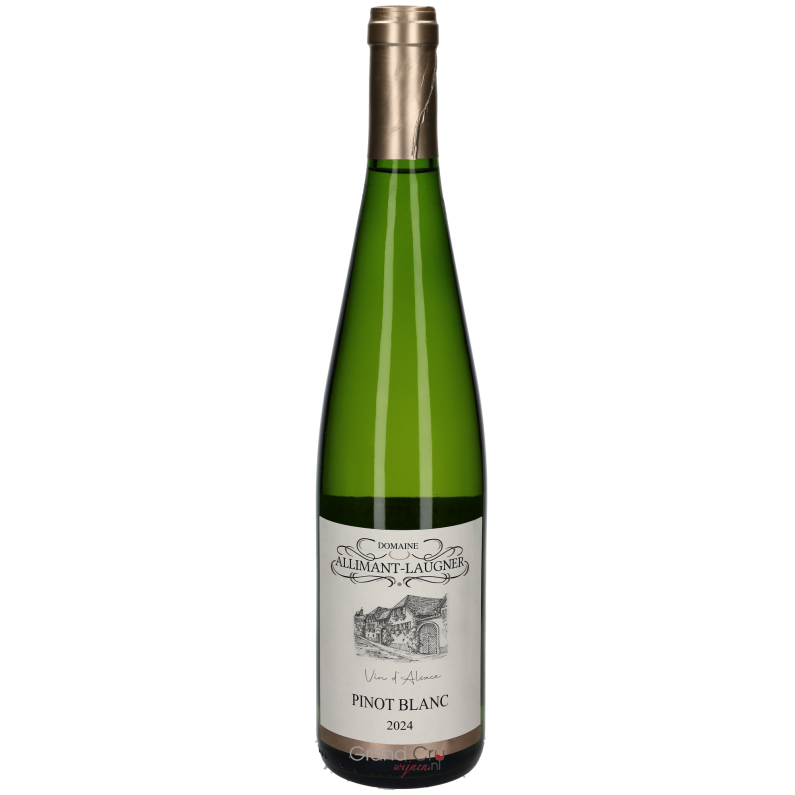
2024 Domaine Allimant-Laugner Pinot Blanc BIO
Ordering in bulk? Log in to request a quote
Low Stock
Only 3 left
How does this wine taste?
How full and heavy the wine feels in your mouth, like the difference between skimmed milk and cream. More alcohol, sugar and oak ageing make a wine fuller.
How much sugar you taste, from dry to sweet. Fruity is not the same as sweet: a dry wine can taste of ripe fruit.
How fresh and juicy the wine is: acidity makes your mouth water. High acidity tastes lively and refreshing, low acidity soft and round.
What we taste What you taste Click a taste for what it means
The bars follow how sommeliers taste (WSET): body, tannin, sweetness and acidity, each from low to high.
Body: medium-bodied. Fuller than most white wines from ; 12% alcohol.
Sweetness: dry. 1.9 g/l residual sugar.
Acidity: fairly high. 50% and 50% from the fairly cool climate of .
Aromas: stone fruit and orchard fruit, typical of and
Nothing noted for this wine yet. What do you smell, and how long does the taste linger?
Have you tasted this wine?
Save your rating and notes.
Save your rating and notes.
Have you tasted this wine?
Log in to save your tasting note.
Log in to save your tasting note.
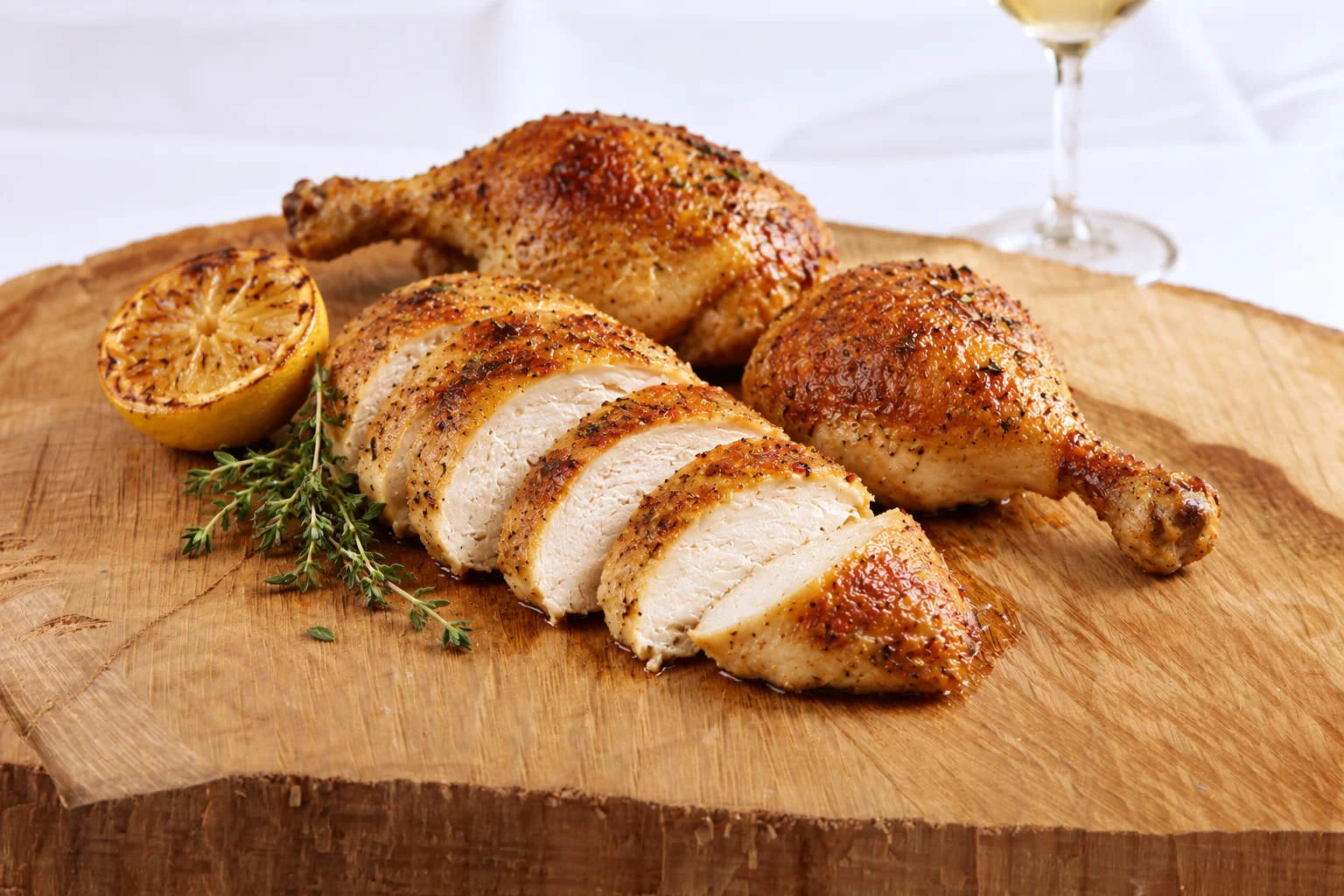
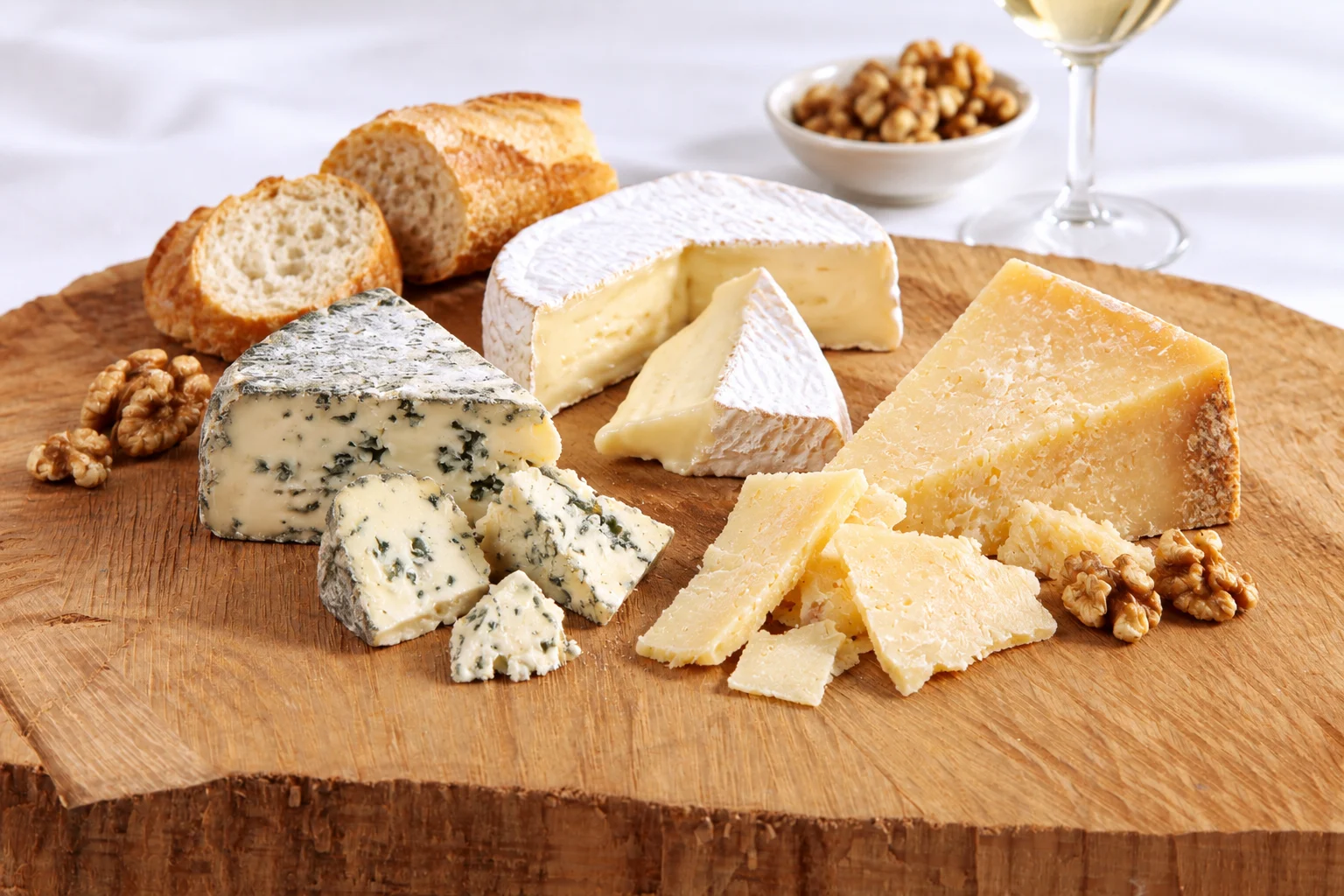
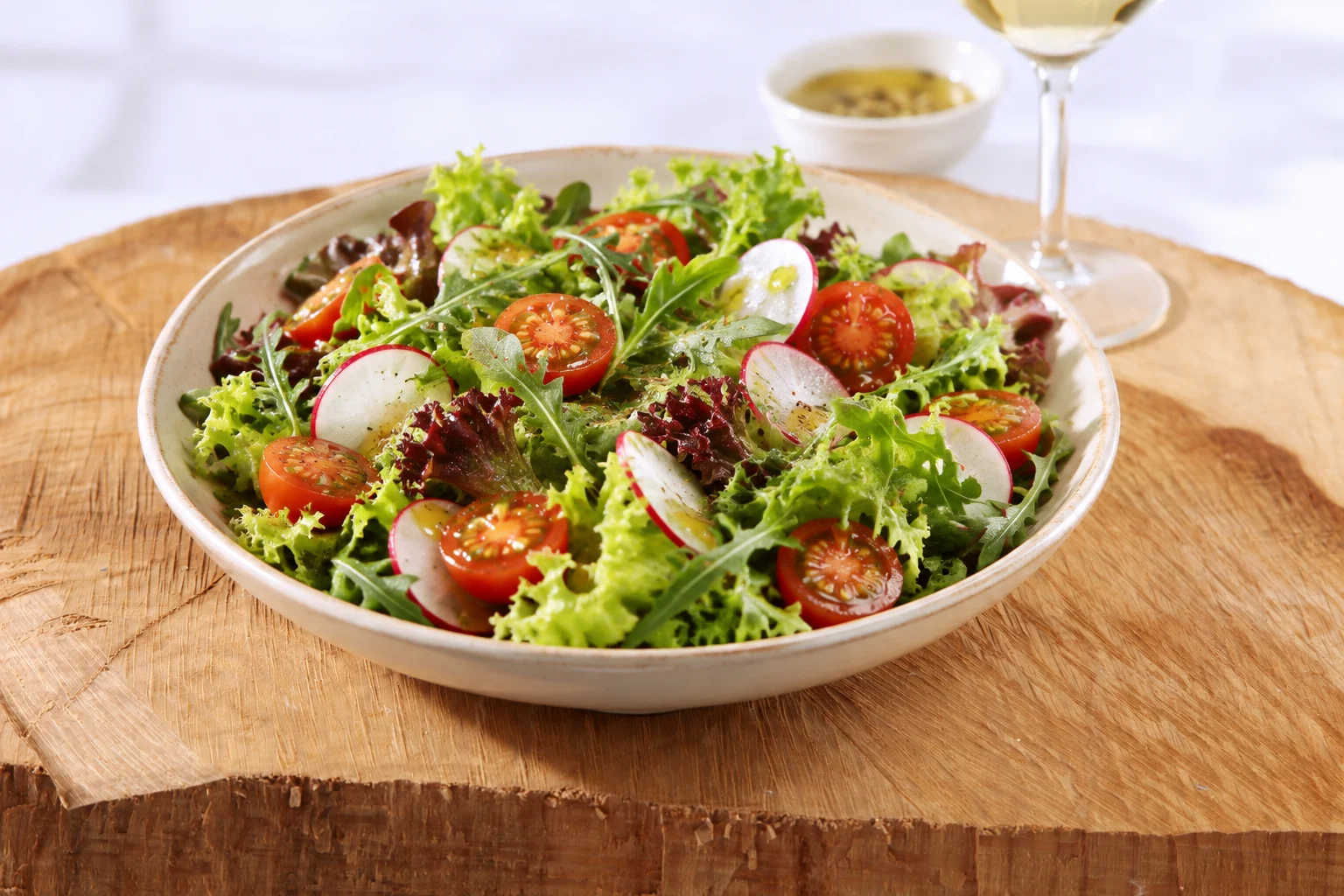
Log inThe Allimant-Laugner Pinot Blanc AOC Alsace consists of 50% Pinot Blanc and 50% Auxerrois, so a mix of the freshness of the Pinot Blanc and the fruit of the Auxerrois. The nose is aromatic with notes of reinette apple. The taste is lively, well balanced with a touch of roundness that makes way for a fresh, mineral aftertaste with some notes of plums at the back of the mouth. In contrast to the often somewhat (too) dry and flat Pinot Blanc (especially if it comes from a cold region), this one has a pleasant fruitiness in the mouth. A delicious fresh, fruity wine that never bores and is very suitable with mixed salads, cold roasted veal or chicken), with everyday dishes (quiches, omelettes) and with young or fresh cheeses. Drink nice and cool and recommended for lovers of a not too dry fruity white wine.
FACT: The Auxerrois grape, also called Pinot Auxerrois, is a white grape. It is a French grape variety and a cross between the Pinot (Blanc) and the Heunisch Weiss. The Auxerrois grape is mainly found in the French wine region of Alsace. This white grape is very similar to the French Pinot Blanc, also a grape from Alsace but with slightly more aromas. In the Tab: Attachment you will find the official fact sheet of this beautiful wine. We will automatically send it to you when you order this wine. The wine is in our conditioned Wine Warehouse and if you come to pick up the wine you will often also receive a nice discount. We are located almost next to the Rijksweg with plenty of parking space. Click here for our address.
ABOUT DOMAINE ALLIMANT-LAUGNER
The origins of Domaine Allimant-Laugner begin with 2 families who have cultivated the vineyards since the 17th century, the Laugners in the village of Dieffenthal and the Allimants in Saint-Hippolyte. In 1816 and after participating in all of Napoleon's campaigns, Captain François-Antoine Allimant bought more vines on the hills of Haut-Koenigsbourg and a beautiful farmhouse from 1664 in the village of Orschwiller, the current property of the domaine. Like most families, the Allimants still made a living from growing multiple crops, but chose to focus more on wine with Charles Allimant, who began bottling his wine in 1949 and developed their distribution with his daughter Mariette and her husband René Laugner. Their eldest son Hubert took over in 1984, giving the domaine its real fame together with his wife Françoise, and since 2013 with their son Nicolas. The family manages Domaine Allimant-Laugner as a beautiful heritage for more than 10 generations.
The privilege of a product of this unique authentic terroir also gives a responsible and therefore Domaine Allimant-Laugner works naturally with the greatest respect for the environment. All tasks are (pruning, picking, maintenance) and also because through close contact with the vines it is better understood what the needs are. In order to control the power of the vines well and to preserve the ecosystem, they mainly work with alternating ploughed and grassy rows. In the cellar too, modernity and tradition must be well balanced to produce precise and fine wines, but with a minimal human and ecological footprint. They work with a brand new pneumatic press and stainless steel tanks with temperature control and fermentation takes place only with natural yeasts. The foundation is laid in the unique vineyards that have been managed by the family for 10 generations. With respect and modernity, Domaine Allimant-Laugner makes great wines.
Read more under the Winery tab - here you will also find some photos and a video of this beautiful estate.
Character
The wine
- 50%
- 50%
Origin
Bottle
Wine features
90
"Notes of crushed dandelion leaves and green apple on the nose of this wine have the slightest edge of yeast. The palate is lively and frothy, edging close to creaminess, while the finish is dry and lasting." Anne Krebiehl, MW
Lorem ipsum dolor sit amet, consectetur adipiscing elit. Sed do eiusmod tempor incididunt ut labore et dolore magna aliqua...
Exclusive Content
Sign in to unlock professional wine reviews from world-renowned critics
The origins of Domaine Allimant-Laugner begin with 2 families who have cultivated the vineyards since the 17th century, the Laugners in the village of Dieffenthal and the Allimants in Saint-Hippolyte. In 1816 and after participating in all of Napoleon's campaigns, Captain François-Antoine Allimant buys more vines on the Haut-Koenigsbourg hills and a beautiful 1664 farm in the village of Orschwiller, the current property of the domain.
Like most families, the Allimants still subsisted on growing more crops but chose to focus more on wine with Charles Allimant, who began bottling his wine in 1949 and developed their distribution with his daughter Mariette and her husband René Laugner. . Their eldest son Hubert took over in 1984, gave the domain real fame together with his wife Françoise, and since 2013 with their son Nicolas. The family manages Domaine Allimant-Laugner as a beautiful heritage of more than 10 generations.
The 7 varieties from Alsace (Alsace) are grown on a total of 12 hectares of vines, representing 40 separate plots of different orientations, ages and terroirs. This division of parcels is essential for the varieties to be properly expressed on the right grounds. South of the village, between Orschwiller and Saint-Hippolyte, the heavy clay and limestone soils are particularly suitable for the Pinots. North of the village as far as Châtenois there are granitic soils which allow the production of more aromatic Riesling and Gewurztraminer. Above Orschwiller, the granite and schist hills of the Praelatenberg have been turned into vines since the 9th century. This terroir allows the production of precise and very typical wines, naturally classified as Grand Cru d'Alsace. The plots have a density of more than 5500 vines per hectare, which promotes competition and deeper rooting, for better typicity. The more competition the harder a grape has to work and the deeper it has to root. Bad for high volumes but perfect for quality and that is what this house stands for.
The demand for sparkling wine is also growing in the region and the Crémants Blanc and Rosé, produced by the traditional method with our local varieties, represent half of the production of Domaine Allimant-Laugner and have certainly given the house much more international fame. after each and every one of the wines has received very high ratings from the international wine press.
The privilege of a product of this unique authentic terroir also entails a responsibility and so Domaine Allimant-Laugner works naturally with the greatest respect for the environment. All tasks (plant pruning, picking, maintenance) are done naturally, also because the close contact with the vines gives a better understanding of the needs. In order to properly control the vigor of the vines and preserve the ecosystem, work is mainly done with alternating plowed and grassy rows. Also in the cellar, modernity and tradition must be well balanced to produce accurate and refined wines, but with a minimal human and ecological imprint. They work with a brand new pneumatic press and stainless steel tanks with temperature control and fermentation takes place only with natural yeasts. The foundation is laid in the unique vineyards which have been managed by the family for 10 generations. With respect and modernity, Domaine Allimant-Laugner makes great wines.


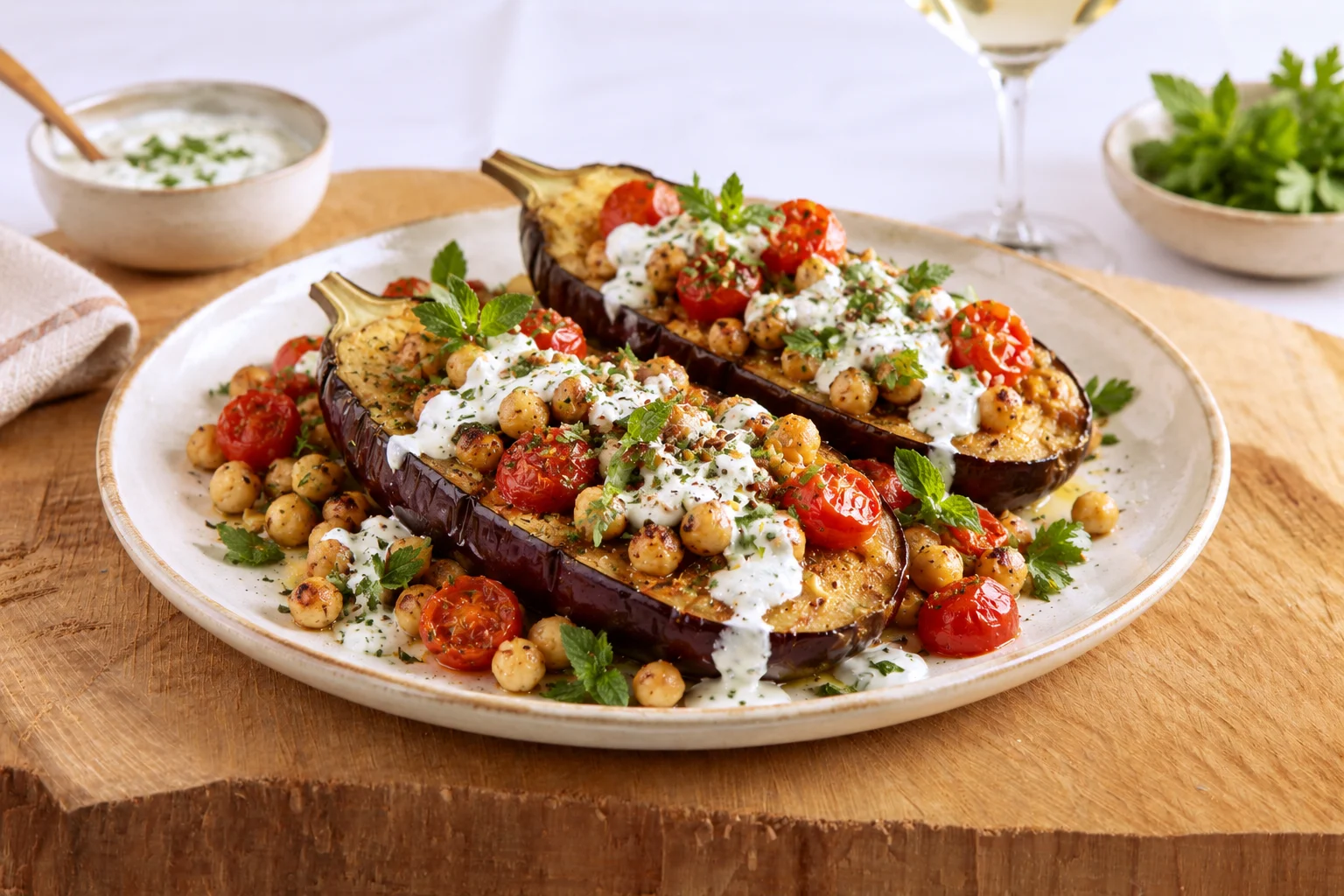
Fris en fruitig met aroma's van reinetteappel en rijpe pruim, een prettige zachte rondheid in de mond en een mineralige, verkwikkende afdronk die de wijn mooi in balans houdt. Daardoor sluit hij heel goed aan bij gevogelte en koud gebraden kalfsvlees of kip, jonge en frisse kazen, gemengde salades en lichte vegetarische gerechten; de fruitigheid snijdt door romige sauzen heen en de mineraliteit verfrist bij vinaigrettes en frisse citrusdressing. Extra geslaagd zijn koud gebraden of licht gegrilde kip en kalfsvlees, quiches en omeletten met kruiden of zachte kazen op kamertemperatuur, en gegrilde of geroosterde groenten met een beetje olijfolie en citroen.
Choose a category to discover dishes that pair well with this wine.
Do you already have a dish in mind?
Let Sommy find wines to pair with your meal.
Discover Wine Trivia
Sign in to unlock fascinating facts about this wine and expand your knowledge.
Sign In