

2024 Château Léoville Barton Saint-Julien Grand Cru Classé
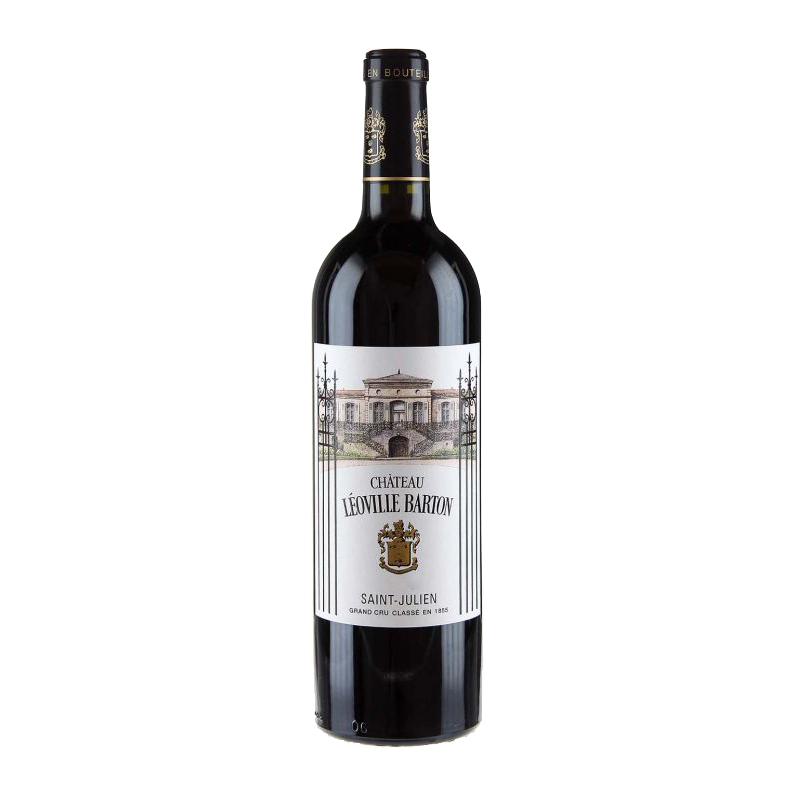
De specificaties zoals vermeld bij de wijn (o.a. wijnjaar) en in de titel zijn leidend en er kunnen geen rechten worden ontleend aan de afbeelding die wordt getoond. Lees meer in onze Frequenty asked questions
- Cellar wine - 4 more years to mature
- Serve at 16-18°C
- Perfect with Rundvlees
Available as of Apr 15, 2027
Ordering in bulk? Log in to request a quote
- Cellar wine - 4 more years to mature
- Serve at 16-18°C
- Perfect with Rundvlees
Available as of Apr 15, 2027
How does this wine taste?
How full and heavy the wine feels in your mouth, like the difference between skimmed milk and cream. More alcohol, sugar and oak ageing make a wine fuller.
The drying, grippy feel on your gums and tongue, as with strong tea. It comes from the skins and seeds of black grapes and from oak, and softens with age.
How much sugar you taste, from dry to sweet. Fruity is not the same as sweet: a dry wine can taste of ripe fruit.
How fresh and juicy the wine is: acidity makes your mouth water. High acidity tastes lively and refreshing, low acidity soft and round.
What we taste What you taste Click a taste for what it means
The bars follow how sommeliers taste (WSET): body, tannin, sweetness and acidity, each from low to high.
Body: full-bodied. Like most red wines from ; 14% alcohol.
Tannin: firm. Aged in oak.
Sweetness: dry. Red wine from is almost always dry.
Acidity: medium. The temperate climate of .
Nothing noted for this wine yet. What do you smell, and how long does the taste linger?
Have you tasted this wine?
Save your rating and notes.
Save your rating and notes.
Have you tasted this wine?
Log in to save your tasting note.
Log in to save your tasting note.
Log inChâteau Léoville Barton has been a family legacy for 300 years. It was founded in 1722 when Thomas Barton left his native Ireland to settle in Saint Julien and began a wine business there. In 1826, his grandson, Hugh Barton, purchased 50 hectares of vineyards in the Saint Julien appellation. In the 1855 historical classification, the château was already classified as a "Second Classified Growth." The property was managed by several generations over the years until Anthony Barton raised Château Léoville to the international recognition it enjoys today. The Barton story continues with his daughter, Lilian, and her two children, who are now writing the chapter of the 10th generation.
The vineyard nestles in the heart of the St. Julien terroir, nestled beneath the most beautiful Garonne gravel slopes, which originate from the Gironde estuary. The clayey, gravelly subsoil facilitates excellent growing conditions and ensures consistently high quality in both wet and dry years. The vineyard is cultivated dynamically, with plowing, weeds, and grasses thriving in the vineyard to foster good biodiversity. No pesticides or herbicides are used.
This vintage is a blend of Cabernet Sauvignon and Merlot. The harvest is entirely hand-harvested. After destemming, the berries are carefully sorted, crushed, and poured into temperature-regulated wooden vats. They are vinified plot by plot. Alcoholic fermentation lasts 7 to 10 days, and maceration lasts approximately 3 weeks. The wine is then aged for 16 to 18 months in French oak barrels, 60% of which are brand new. The wine is aged in an impressive cellar maintained at 15°C. The barrels are refilled three times a week to prevent the wine from coming into contact with the air. The nose is intense and expressive, with aromas of minty, spicy, and black fruit. On the palate, flavors of blueberry and blackcurrant, along with hints of white pepper, are present. The tannins are delicate and velvety. The wine is pure, balanced, and exponentially powerful.
Character
The wine
Origin
Bottle
Wine features
- Deuxième Grand Cru Classé en 1855
Château Léoville Barton is a wine estate in Bordeaux and a second cru from the Bordeaux wine classification system of 1855. It is located in the village of Saint-Julien in the iconic terroir of the Médoc.
The wines have long represented 'the magic of Saint-Julien and the elegance of Barton' according to the passionate Barton family.
The castle (originally called: Langoa) on the estate was built in 1758 by Monsieur de Pontet. Vaulted cellars have been created under the private rooms where silence and tranquility reign. The most renowned wines of Léoville Barton are allowed to reach their ultimate maturity in peace in these serene cellars. After the French Revolution, and thanks to the Droit d'Aubaine (Windfall Law) in France, Hugh Barton, an Irish merchant of Bordeaux wines, fulfilled his dream of owning an estate in Bordeaux. Pierre-Bernard de Pontet sold the Langoa chateau to Hugh Barton in 1821 who renamed it 'Château Langoa Barton'.
A few years later, in 1826, Hugh also bought a quarter of the former Léoville domain. When buying what would later become Léoville Barton, Hugh had actually only bought the vineyards of the estate, because he already owned the winemaking facilities at Langoa.
The total area of the vineyards is approximately 48 ha with a plantation of cabernet sauvignon (70%), merlot (22%) and cabernet franc (8%). The average age of the vines is 28 years. The average production per year is 25,000 boxes of 12 bottles.
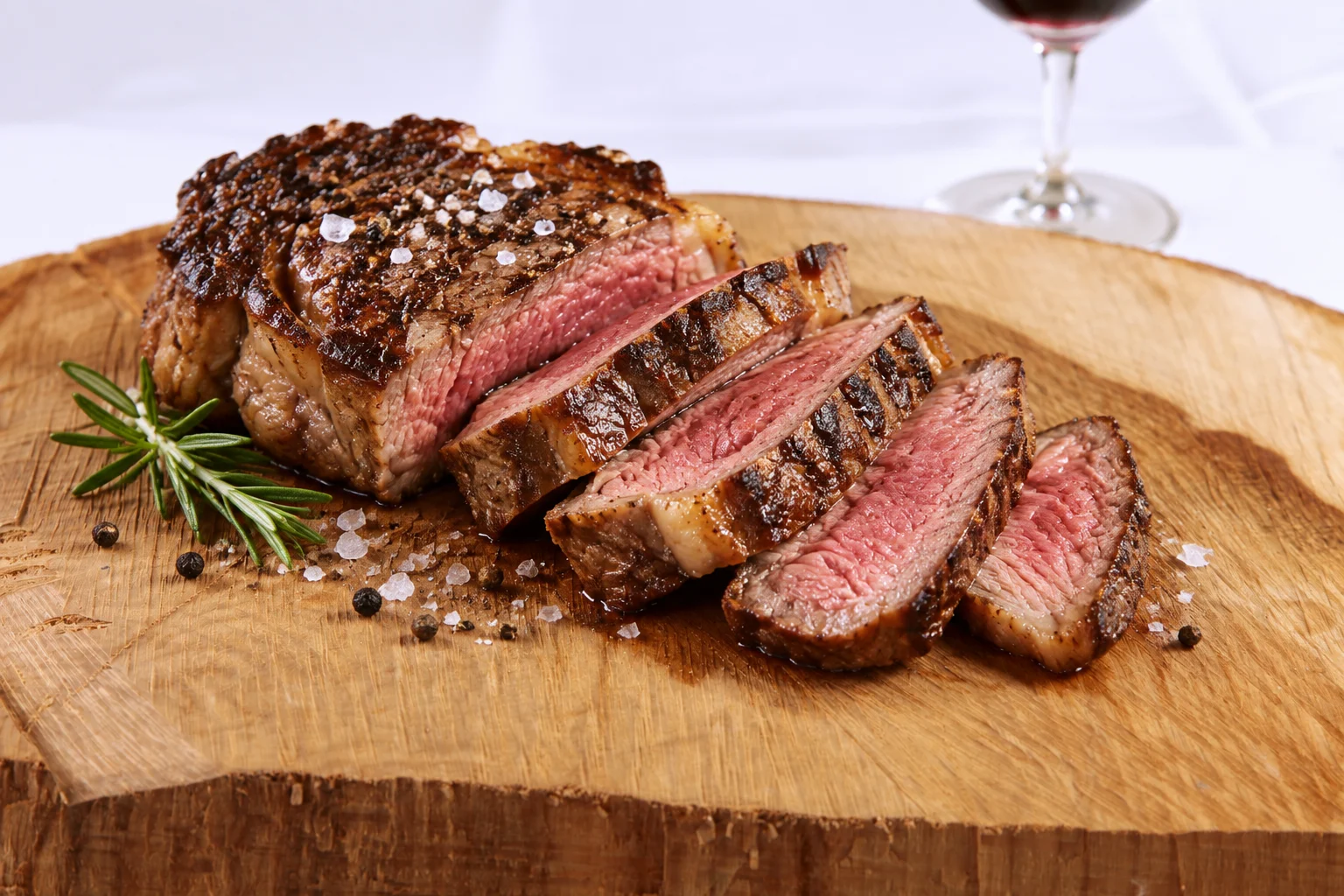
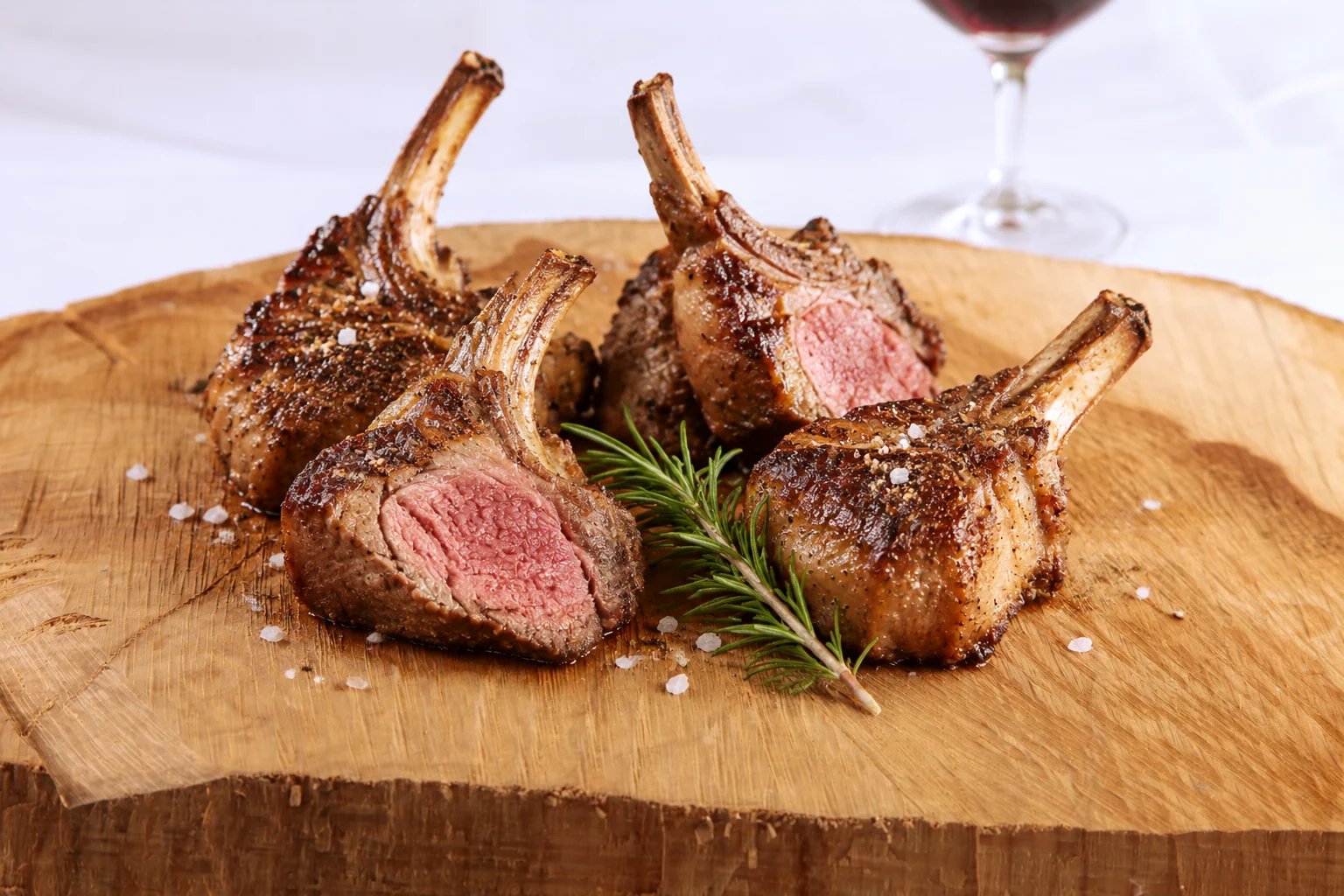
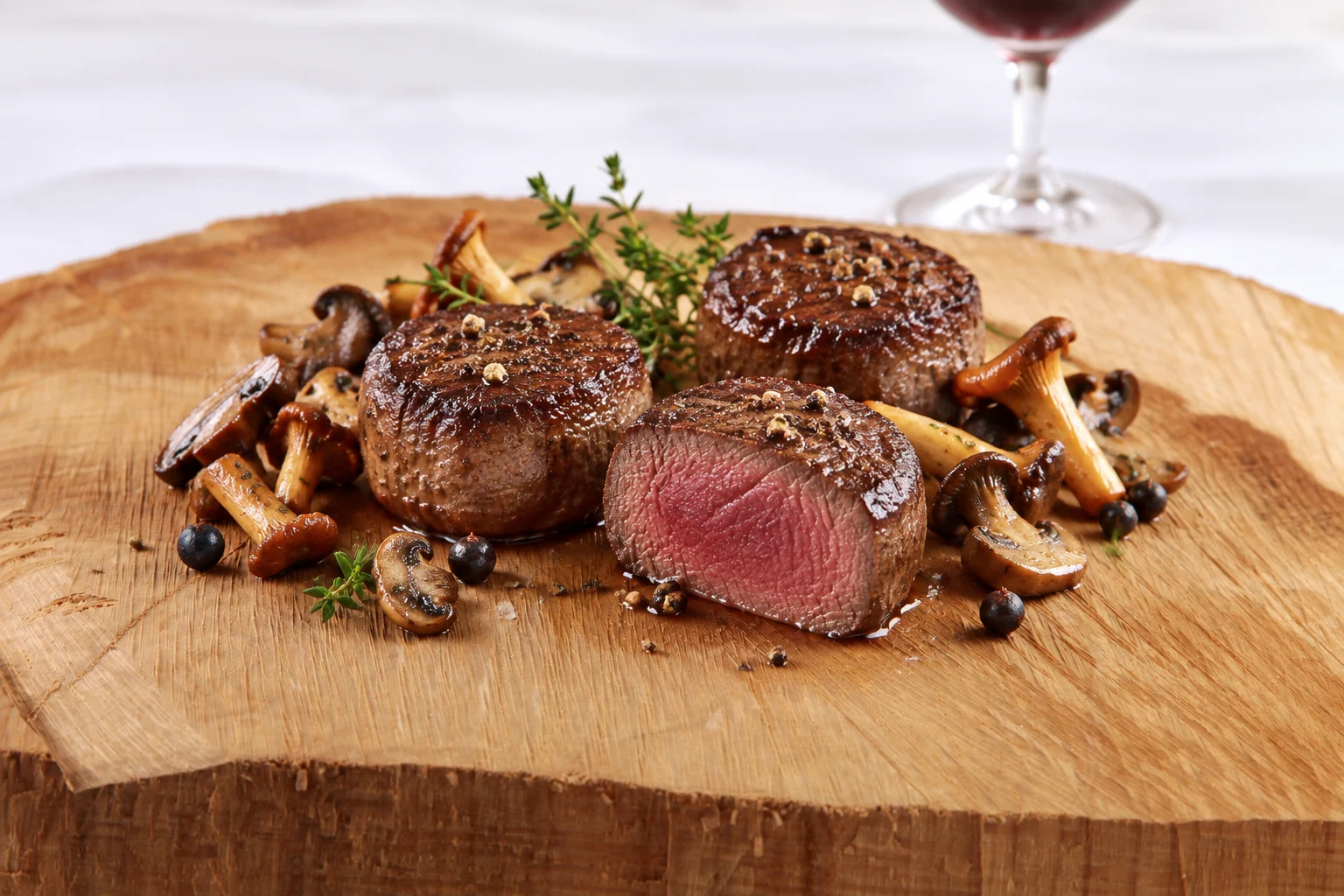
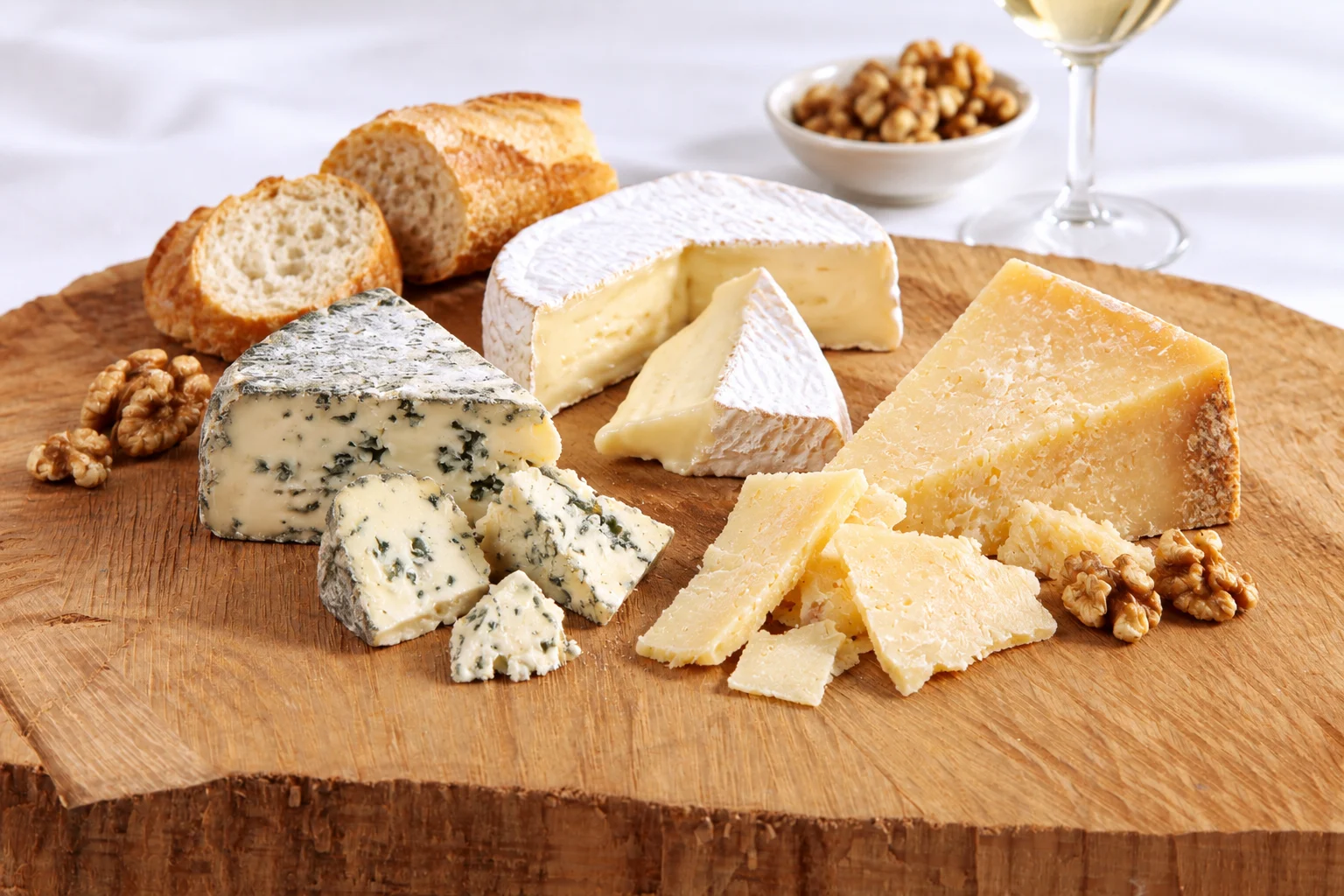
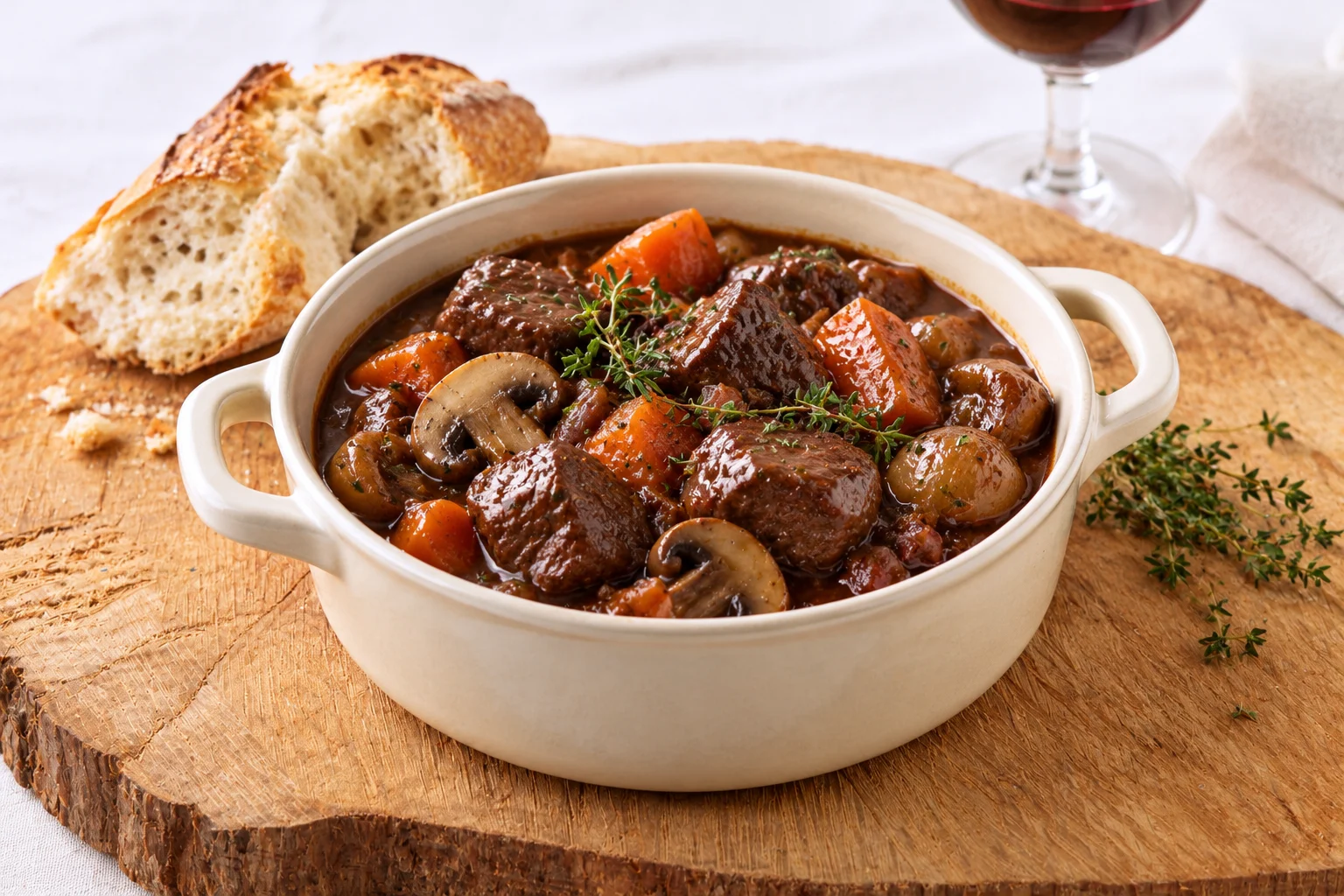
Deze Saint-Julien toont intens zwart fruit van bosbessen en zwarte bes, frisse munt- en kruidtonen met een vleugje witte peper, en fluweelzachte maar aanwezige tannines die de wijn puur en evenwichtig maken. Dankzij die stevige structuur en smaakconcentratie combineert hij prachtig met rundvlees, lamsgerechten, wild, rijke stoofschotels en rijpe kazen; denk aan gegrild of rosé gebakken entrecôte, langzaam gegaard lamsbout of hertstoof met specerijen, en tuig aan met een lange garing of op hout gerijpte kazen voor het beste samenspel.
Choose a category to discover dishes that pair well with this wine.
Do you already have a dish in mind?
Let Sommy find wines to pair with your meal.
Discover Wine Trivia
Sign in to unlock fascinating facts about this wine and expand your knowledge.
Sign In