

2024 Bodega Volcanes Reserva Cabernet Sauvignon
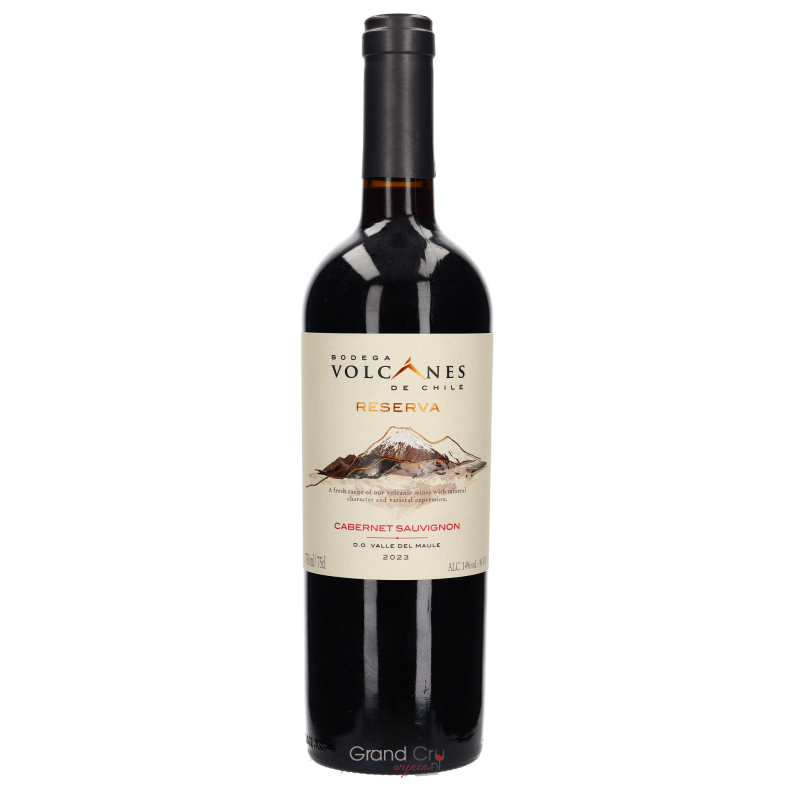
De specificaties zoals vermeld bij de wijn (o.a. wijnjaar) en in de titel zijn leidend en er kunnen geen rechten worden ontleend aan de afbeelding die wordt getoond. Lees meer in onze Frequenty asked questions
How does this wine taste?
How full and heavy the wine feels in your mouth, like the difference between skimmed milk and cream. More alcohol, sugar and oak ageing make a wine fuller.
The drying, grippy feel on your gums and tongue, as with strong tea. It comes from the skins and seeds of black grapes and from oak, and softens with age.
How much sugar you taste, from dry to sweet. Fruity is not the same as sweet: a dry wine can taste of ripe fruit.
How fresh and juicy the wine is: acidity makes your mouth water. High acidity tastes lively and refreshing, low acidity soft and round.
What we taste What you taste Click a taste for what it means
The bars follow how sommeliers taste (WSET): body, tannin, sweetness and acidity, each from low to high.
Body: powerful. Fuller than most red wines from ; 14% alcohol.
Tannin: tannic. From ; aged in oak.
Sweetness: dry. Red wine from is almost always dry.
Acidity: medium. from the temperate climate of .
Aromas: dark fruit and green notes, typical of
Nothing noted for this wine yet. What do you smell, and how long does the taste linger?
Have you tasted this wine?
Save your rating and notes.
Save your rating and notes.
Have you tasted this wine?
Log in to save your tasting note.
Log in to save your tasting note.
Log inWith 2,900 volcanoes, Chile has a huge variety of volcanic soils spread across the country. Bodega Volcanes was founded in 2009 to honor this unique aspect of Chilean terroir. A Terroir Manager and Viticulturist were appointed to find the best vineyards to produce wines with tension and depth. Since 2018, a talented geologist has been employed who specializes in the influence of volcanic soil on the style of the wine. Winemaker María del Pilar Díaz has been involved in the project from the beginning and has since become an established name in the Chilean wine world.
This Cabernet grape for the Volcanes comes from a vineyard located in Rapel Valley. The soils are all of volcanic origin because they were deposited by the river that has brought erosion material from the mountains. It is therefore a mix of intrusive rock such as granite and rock that was deposited during volcanic eruptions. The wine has matured for 8 months in barrels of American and French oak. The Volcanes Cabernet Sauvignon Reserva has a bright, ruby red color. The nose is very expressive, with notes of red fruit, tobacco, sweet spices and a hint of smoke. The wine has a medium body, firm but ripe tannins and the taste of candied fruit, toast, menthol and liquorice.
Bodega Volcanos
Bodega Volcanes is a project that started in 2009 and is part of Grupo Vinos del Pacifico (GVP). Some employees of this group came up with the idea to make a series of wines that had to come from vineyards with 100% soils of volcanic origin.
The five-person team consisted of winemaker María del Pilar Díaz, geologist Gonzalo Hendriguez and terroir manager Agustín Aguerrea. They selected three vineyards, spread throughout Chile, which they believe convey the ultimate expression of a volcanic soil to the wines. In Rapel Valley this is a vineyard with a soil of silt, clay and loam supplemented with coarser material such as stones of Andesite (an extrusive rock). In Maule Valley they found a vineyard with a soil of (weathered) granite. In Malleco Valley the vineyard is planted on a soil of so-called “Tolhuaco”, which consists of the ash of a volcano. María Díaz strives to express the purity and minerality of the soils in the wines. She succeeds very well, especially because excessive use of (new) wood is never made during fermentation and maturation. The wines are all lively and rich and have more complexity in aroma and flavour than comparable wines from the same region.
Character
The wine
- 100%
Origin
Bottle
Wine features
Bodega Volcanes is a project that started in 2009 and is part of the Grupo Vinos del Pacifico (GVP). A number of employees of this group came up with the idea of creating a series of wines that should come from vineyards with 100% soils of volcanic origin.
The team consisted of winemaker María del Pilar Díaz, geologist Gonzalo Hendriguez and terroir manager Agustín Aguerrea. They have selected three vineyards, located throughout Chile, which they believe convey the ultimate expression of a volcanic soil in the wines. In Rapel Valley this is a vineyard with a soil of silt, clay and loam supplemented with coarser material such as Andesite stones (an outflow rock). In Maule Valley they found a vineyard with a soil of (weathered) granite. In Malleco Valley, the vineyard is planted on a soil of so-called "Tolhuaco", which consists of the ashes of a volcano. María Díaz strives to express the purity and minerality of the soil in the wines. This works very well, especially because there is never excessive use of (new) wood during fermentation and maturation. The wines are all vibrant and rich and have more complexity in aroma and taste than comparable wines from the same region.
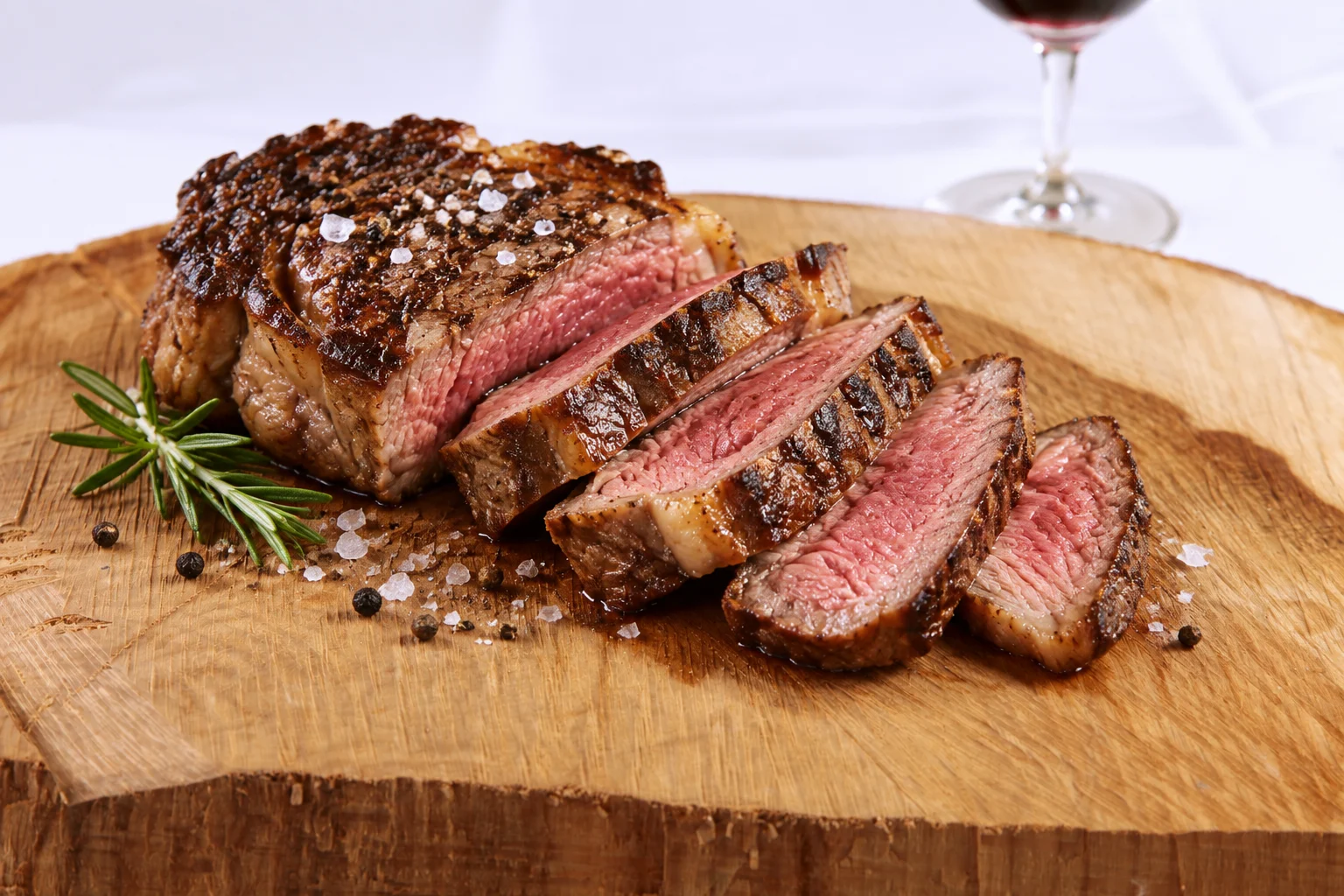
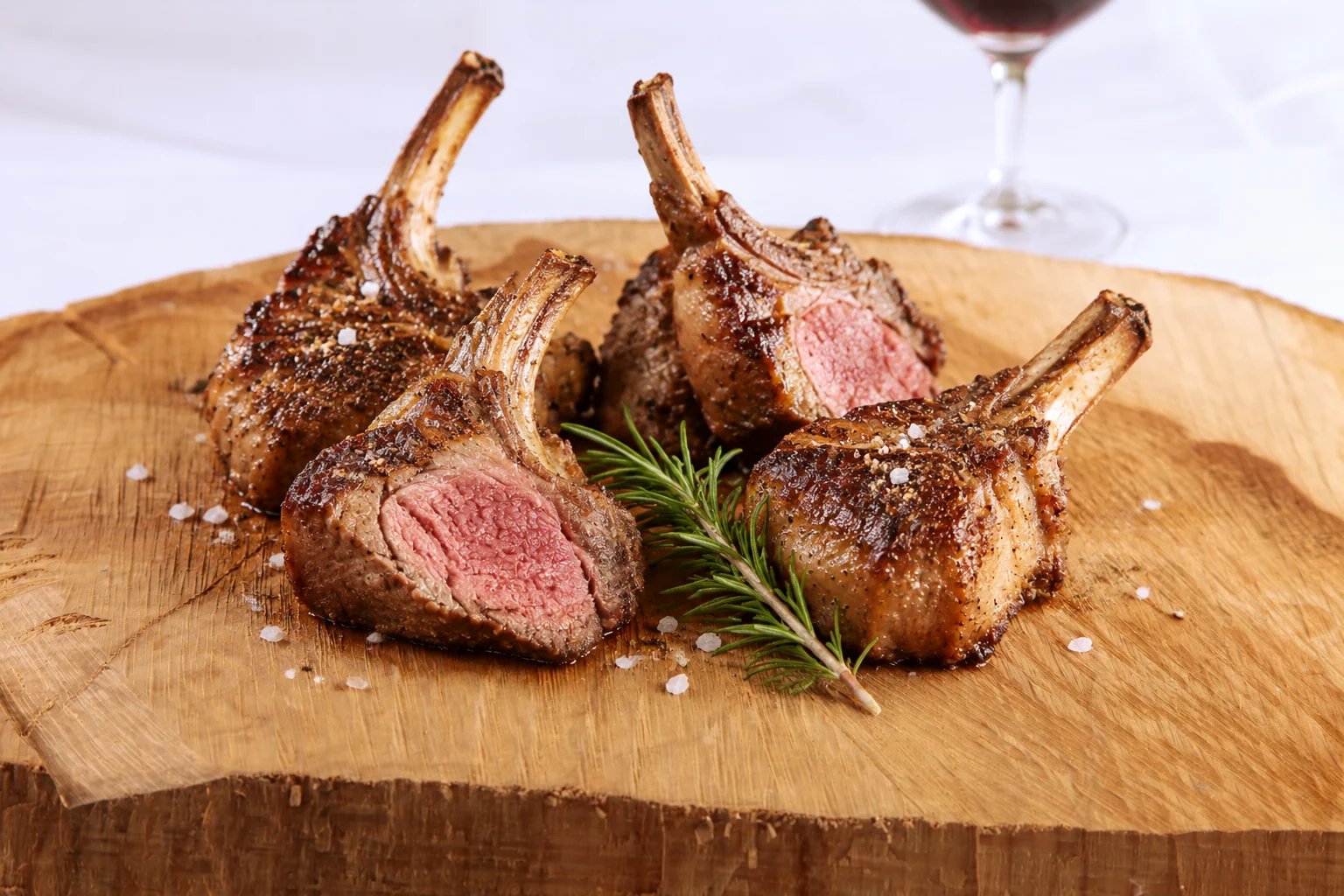
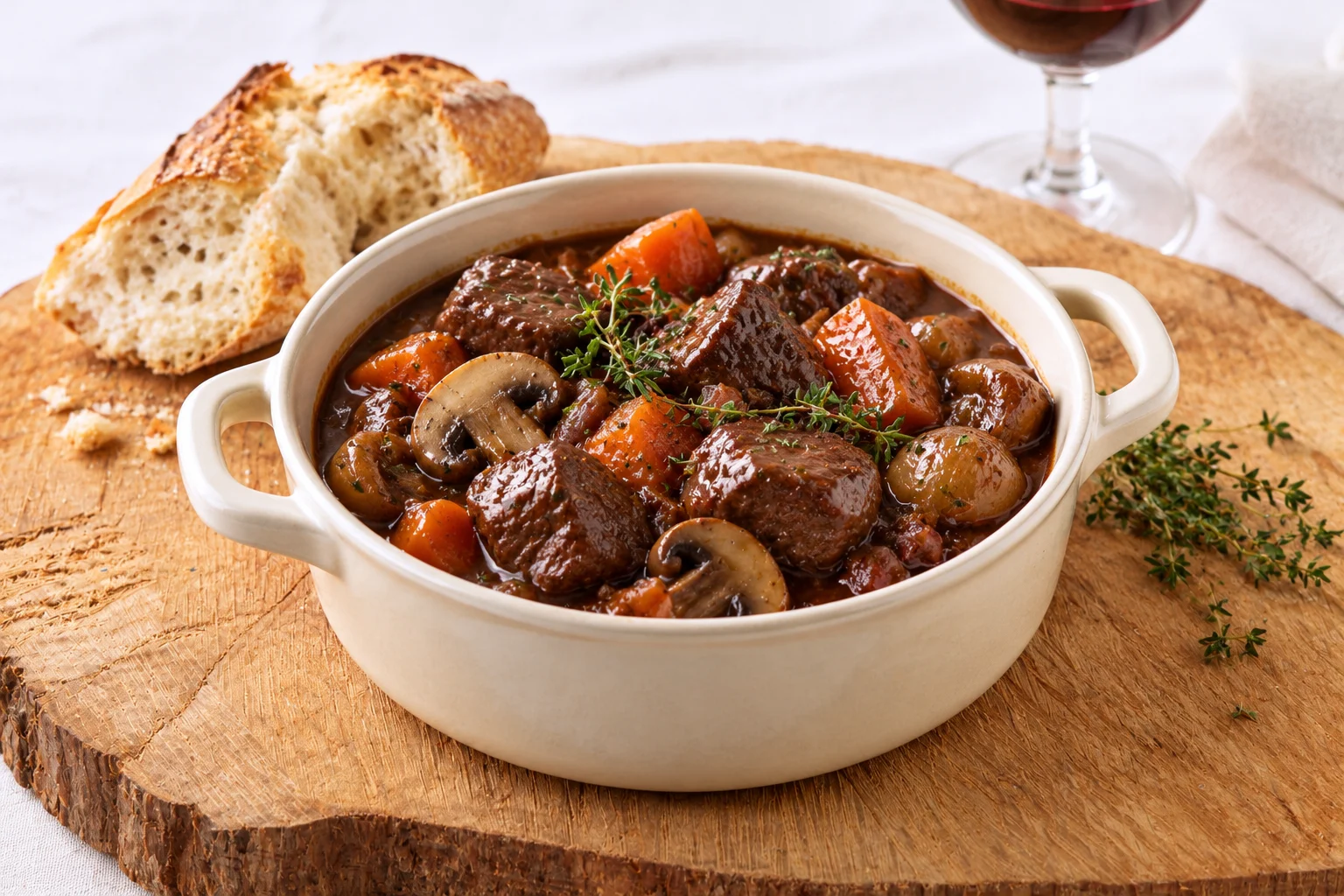
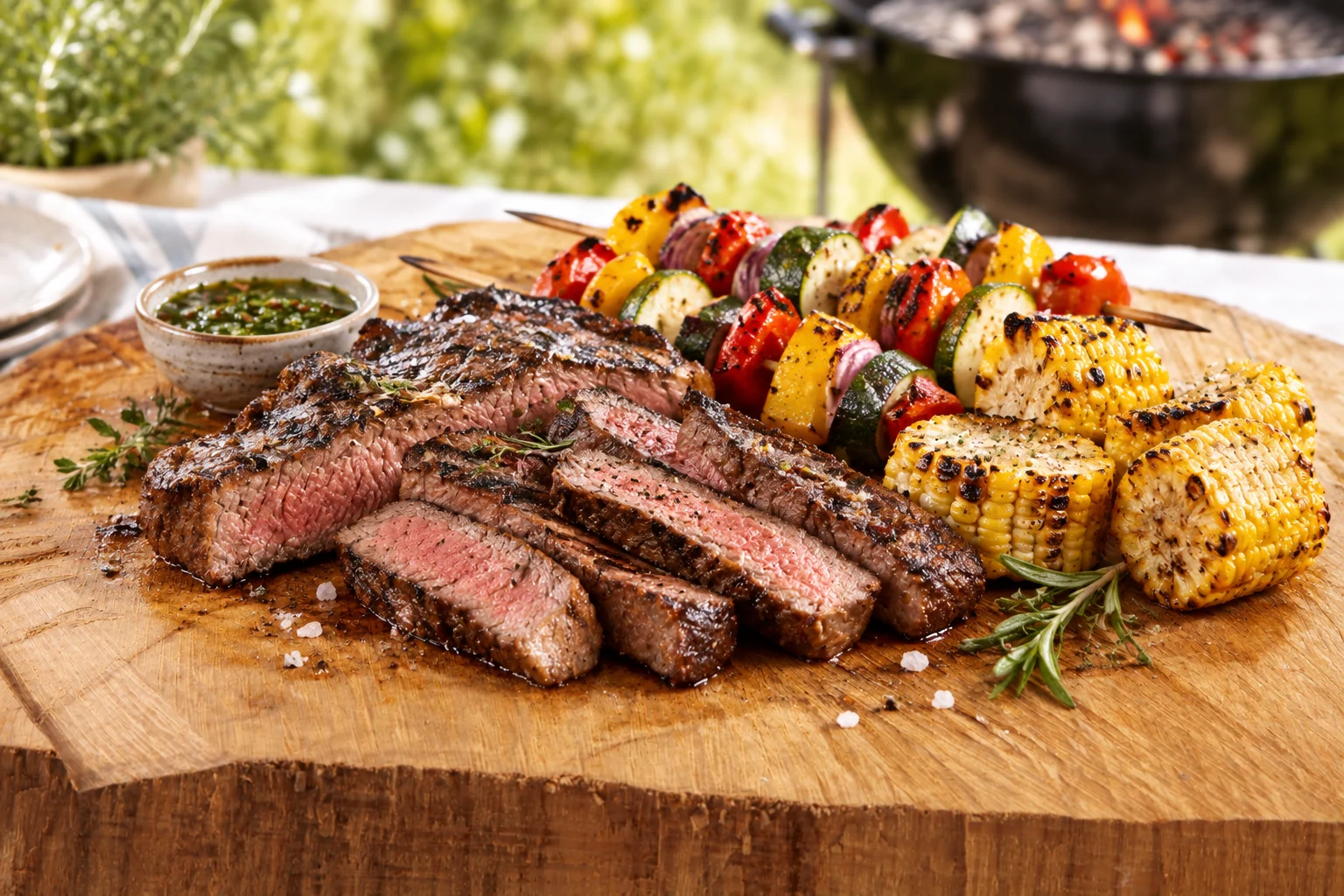
Deze robijnrode 2024 Bodega Volcanes Reserva Cabernet Sauvignon opent met expressieve aroma’s van rood fruit, tabak, zoete kruiden en een vleugje rook, heeft een medium body met stevige maar rijpe tannines en smaken van gekonfijt fruit, toast, menthol en zoethout. Door die structuur en het gerijpte houtaccent snijdt de wijn mooi door het vet van rundvlees en lam en vult hij de diepe, hartige smaken van stoofschotels en barbecue aan; vooral gegrild of aan het spit bereid vlees, herb-crusted lamsbout, langzaam gestoofde runderstoof of geroosterde ribbetjes met een rokerige glaze versterken de toast- en rooksignalen en laten de rijpe tannines zacht vallen.
Choose a category to discover dishes that pair well with this wine.
Do you already have a dish in mind?
Let Sommy find wines to pair with your meal.
Discover Wine Trivia
Sign in to unlock fascinating facts about this wine and expand your knowledge.
Sign In