


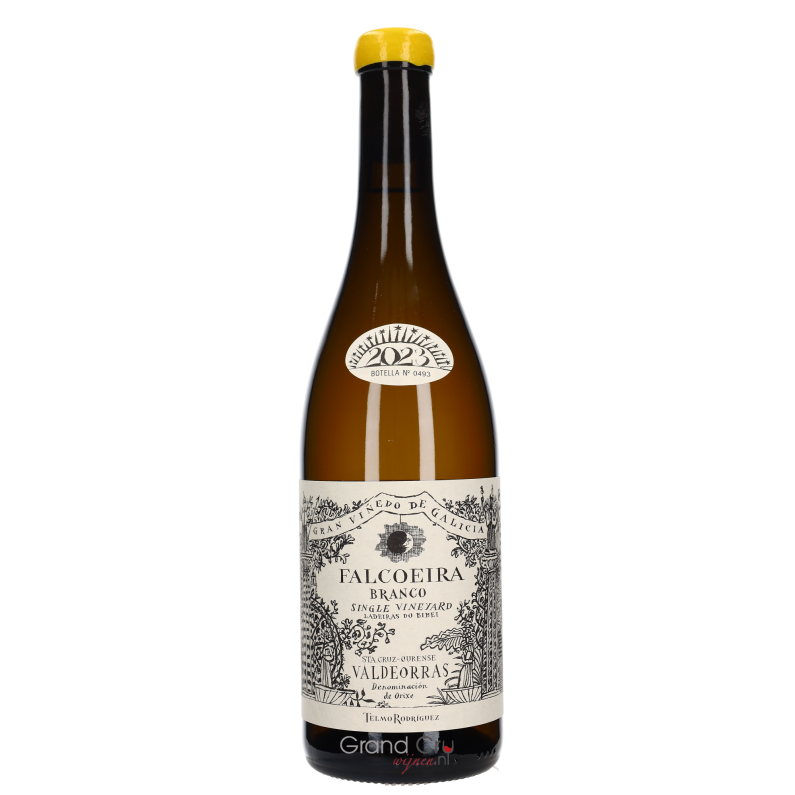
2023 Telmo Rodriguez Falcoeira Branco
| Type of Wine | White |
|---|---|
| Country | Spain |
| Region | |
| Appellation | Valdeorras (Appellation) |
| Winery | |
| Vintage | 2023 |
| Grape | , , |
| Content (Alc) | Standard (0.75 ltr) (13.5%) |
| Drink window | 2026 - 2038 |
Ordering in bulk? Log in to request a quote
In stock
6 items available
Notities
Foto
Proefnotities
Heb je deze wijn geproefd?
Bewaar je beoordeling en aantekeningen.
Bewaar je beoordeling en aantekeningen.
Heb je deze wijn geproefd?
Log in om je proefnotitie op te slaan.
Log in om je proefnotitie op te slaan.
Log inHoe wil je je wijn beoordelen?
Max 5 MB. JPG, PNG, WebP.
Hoe smaakt het?
Klik op wat het beste past. Alles is optioneel.
Welke geuren en smaken herken je?
Klik op alles wat je herkent. Dit is optioneel.
Uiterlijk
Neus
Aroma's (neus)
Smaak
Smaken (mond)
Afdronk
Wijngegevens
Automatisch ingevuld vanuit productgegevens.
Persoonlijke gegevens
The 2023 Telmo Rodriguez Falcoeira Branco is one of the most exceptional white wines in Spain. Sourced from a tiny vineyard in Valdeorras, this wine combines historic terroirs, local grape varieties, and the vision of Telmo Rodríguez. Falcoeira Branco is not a classic Godello, but a complex field blend that reflects the unique identity of the Bibei Valley. With only 1,300 bottles produced, this wine is among the most exclusive white wines from Northwest Spain.
A historic vineyard on the river Bibei
When Telmo Rodríguez settled in Valdeorras and asked local winemakers about the best vineyard in the region, he received the same answer every time: Falcoeira. This spectacular, amphitheater-like vineyard lies above the Bibei River and was formerly considered one of the most important sites in Santa Cruz.
However, the vineyard had largely fallen into disuse. Over several years, Telmo Rodríguez and his team invested significantly in restoring the nearly one hundred historic terraces and their stone walls. A large portion of the vineyard was replanted with local red grape varieties, while a small plot of only 0.45 hectares was reserved for traditional white grapes.
It is precisely this small plot that forms the basis today for Falcoeira Branco, a wine that showcases the unique characteristics of this historic location.
Valdeorras, altitude and granite
Falcoeira Branco comes from the Ladeiras do Bibei subregion in Valdeorras. The vineyards are situated on steep, narrow terraces between 400 and 600 meters in altitude, close to the Bibei River. The soils consist primarily of poor, acidic, and coarse granite, which provides tension, minerality, and precision.
The vineyard is farmed organically, and the grapes are harvested by hand in small crates. Thanks to the combination of altitude, granite soils, and the cooling influence of the river, a unique style emerges here that clearly distinguishes it from many other Spanish white wines.
The blend consists of Godello, Doña Branca, Treixadura, Palomino, and various other local white grape varieties. This traditional field blend contributes significantly to the complexity and layering of the wine.
2023 vintage and vinification
The 2023 vintage experienced an exceptionally mild winter season, causing the vegetative cycle to start early. The greatest challenge followed in August, when an intense heatwave struck the region. To preserve the freshness and balance of the grapes, the harvest was carried out exceptionally early, starting on August 25.
The grapes were fermented with natural yeasts, after which the wine aged in barriques for ten months. Thanks to this relatively modest aging in wood, the terroir remains central while the wine develops extra depth, texture, and complexity.
The combination of the early harvest and the granite-rich soils resulted in a wine that managed to retain its freshness and elegance despite the warm year.
Scent, taste and style
Falcoeira Branco 2023 presents a complex and refined aromatic profile. Aromas of ripe citrus, white peach, yellow apple, and blossom are supported by subtle spicy nuances and a distinct mineral undertone.
On the palate, the wine immediately reveals its distinctive character. The texture is broad and enveloping without becoming heavy. The different grape varieties provide layers of fruit, tension, and aromatic complexity. The Godello delivers structure and substance, while the other local varieties contribute freshness, finesse, and nuance.
The granite soils provide a refined minerality that gives the wine length and precision. The finish is long, clean, and layered, where fruit, spices, and mineral notes come together beautifully.
What makes this wine special is the combination of concentration and elegance. Despite the warm growing season, the wine remains lively and energetic, with a striking balance between richness and freshness.
Drinking window and gastronomic options
The 2023 Falcoeira Branco is already impressively young, but possesses sufficient concentration and structure to continue developing for years to come. The expected drinking window runs from 2026 to approximately 2038.
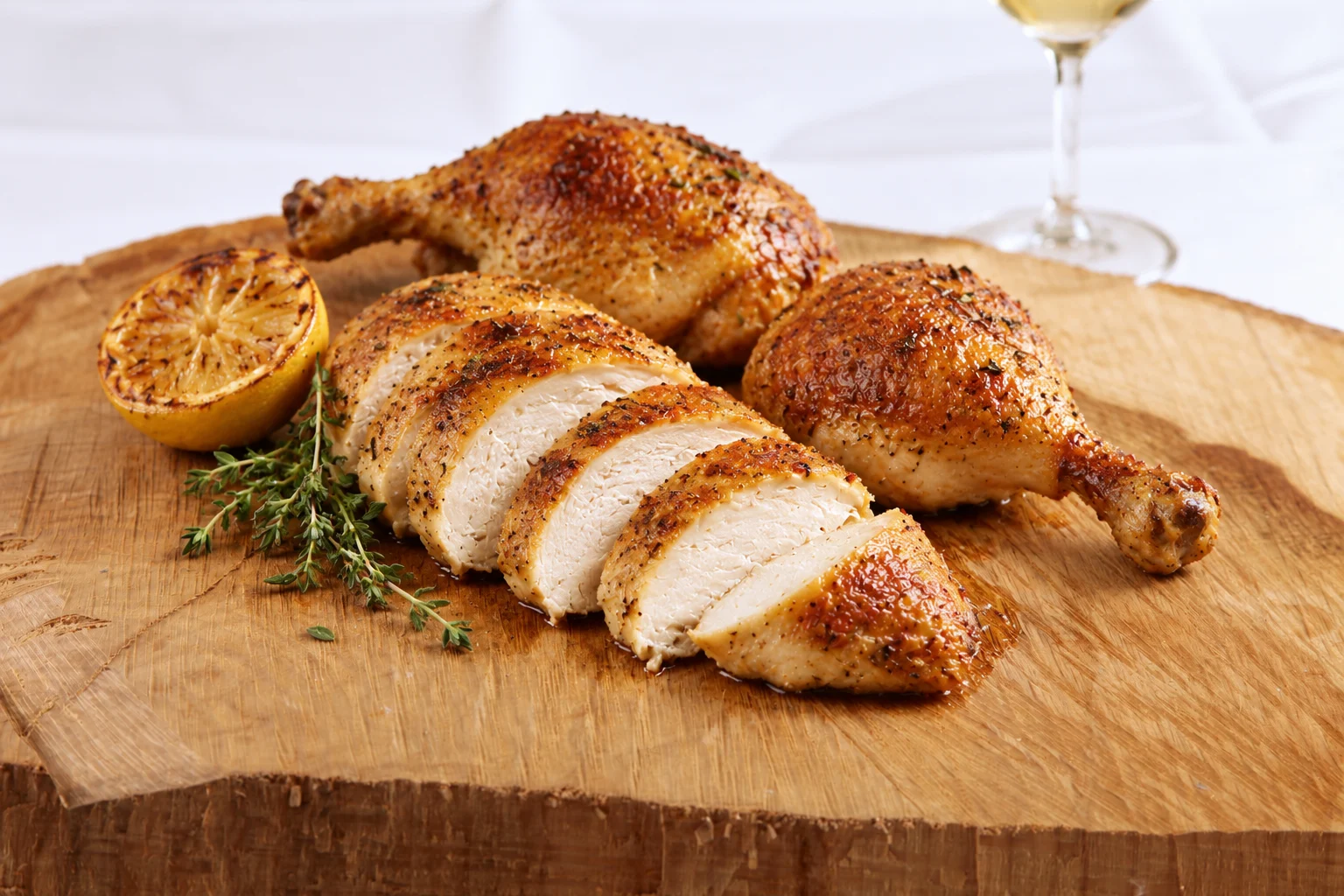
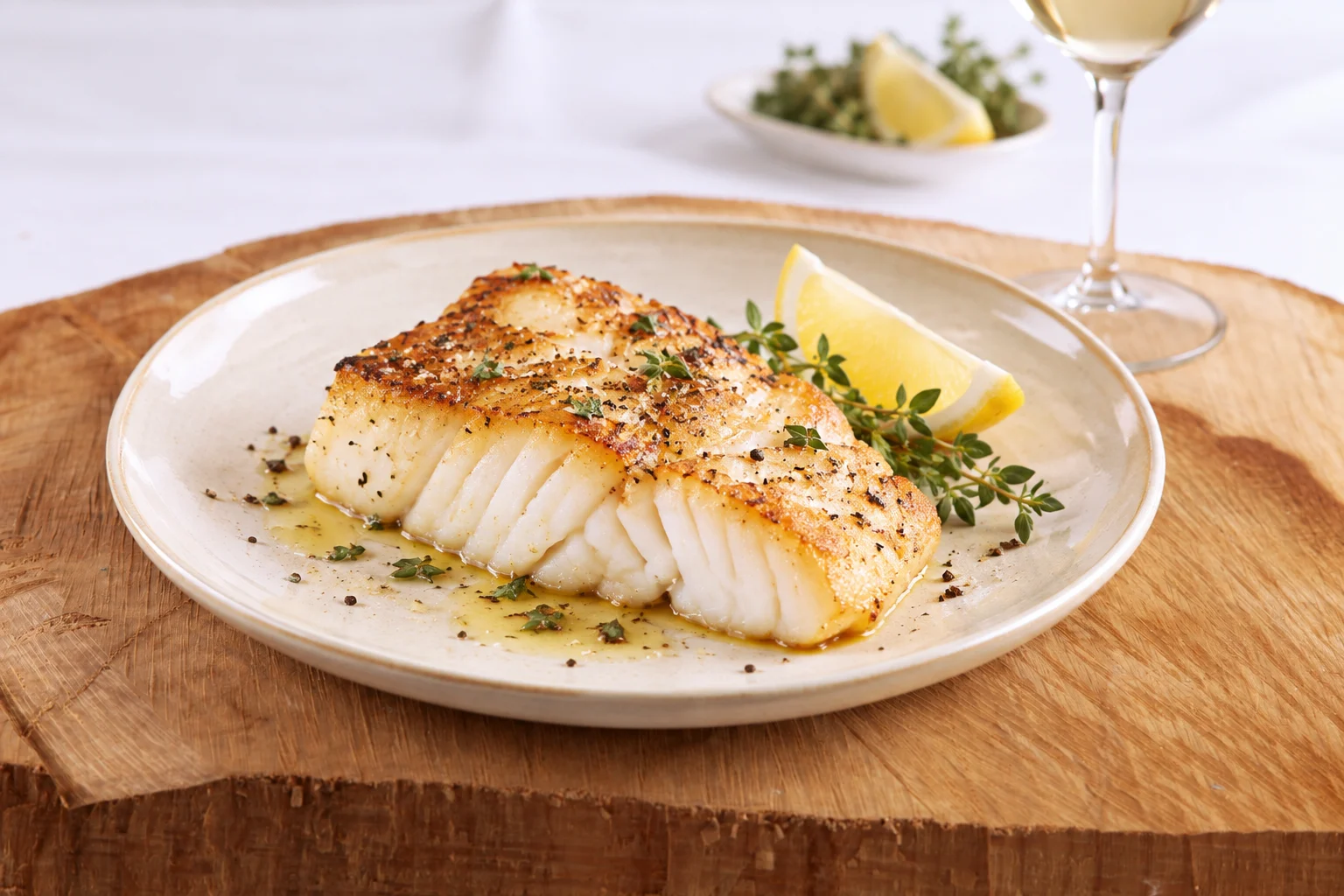
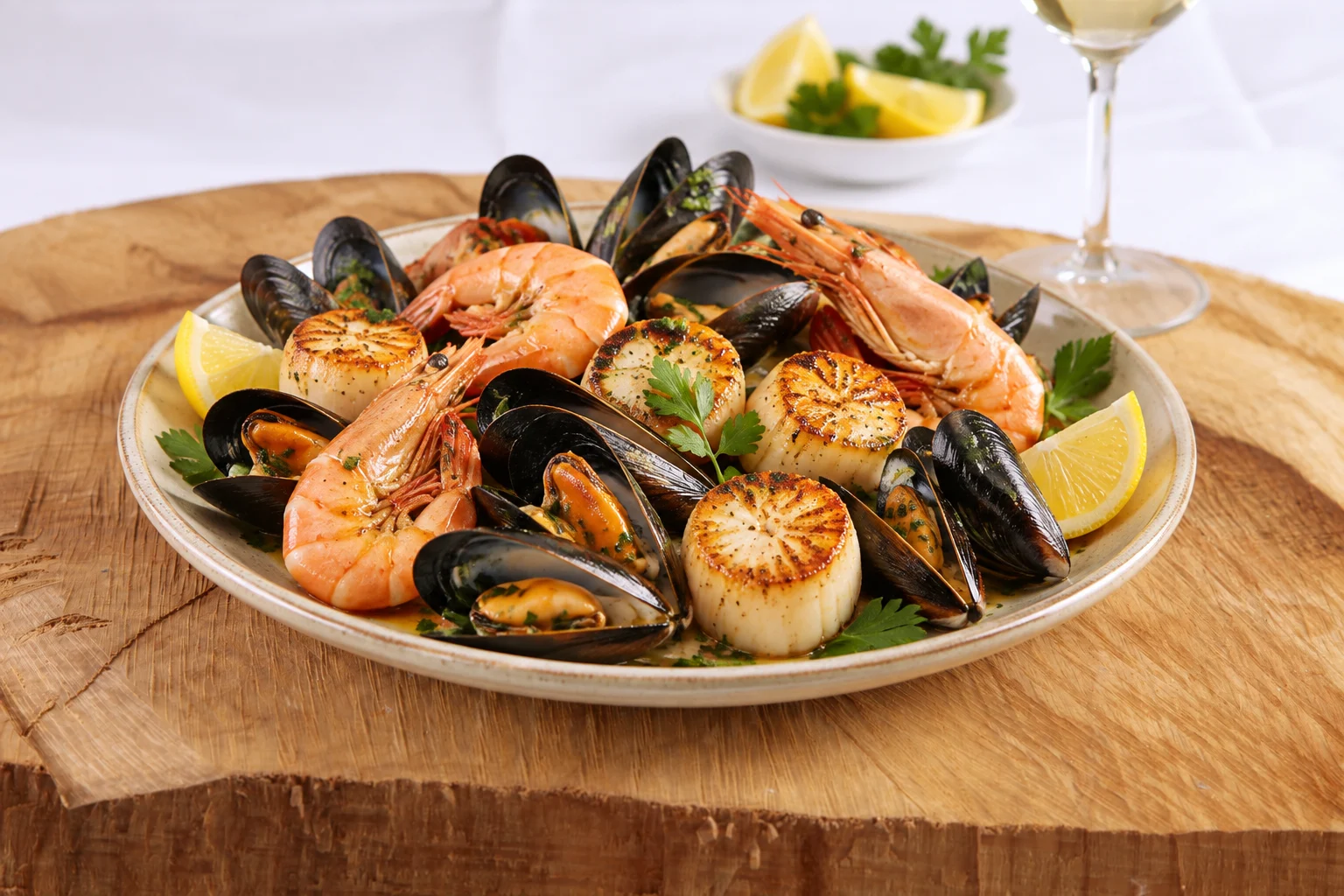
Preferably serve the wine at 10 to 12°C. Thanks to its depth and texture, it pairs excellently with turbot, sole, lobster, langoustine, scallops, poultry with creamy sauces, and refined mushroom dishes.
| Type of Wine | White |
|---|---|
| Country | Spain |
| Region | Galicia |
| Appellation | Valdeorras (Appellation) |
| Winery | Telmo Rodriguez |
| Grape | Dona Blanca, Godello, Palomino |
| Biological certified | No |
| Natural wine | No |
| Vegan | No |
| Vintage | 2023 |
| Drinking as of | 2026 |
| Drinking till | 2038 |
| Alcohol % | 13.5 |
| Alcohol free/low | No |
| Content | Standard (0.75 ltr) |
| Oak aging | Yes |
| Sparkling | No |
| Dessert wine | No |
| Closure | Cork |
| Parker rating | 95 |
| James Suckling rating | 94 |
| Tasting Profiles | Bloemig, Complex, Houtgerijpt, Mineraal, Steenfruit, Wit fruit |
| Drink moments | Cadeau!, Indruk maken, Lekker luxe |
| Sommy Pairing Beschrijving | Fris en mineraal met duidelijke tonen van rijpe citrus, witte perzik en gele appel, subtiele kruidigheid en een krijtachtige, granietachtige mineraliteit die wordt ondersteund door een brede, lichtere houttextuur. Daardoor snijdt de wijn vet en rijkdom in vis en schelpdieren mooi aan en biedt hij genoeg structuur om romige sauzen en gevogelte te dragen; bij coquilles of langoustine brengt hij lengte zonder het delicate vlees te overheersen en bij tarbot of zeetong verfijnt hij boterige bereidingen. Bereidingen die extra goed werken zijn licht gebraden of in boter geserveerde vis zoals tarbot meunière, coquilles kort aangebakken of gegratineerde kreeft met een zachte romige saus, en bij vegetarische gerechten geven gebakken paddenstoelen of een romige risotto met citrustoetsen een mooie match. |
Parker
The Wine Advocate
RP 95
Reviewed by:
Luis Gutiérrez
Release Price:
$140
Drink Date:
2023 - 2030
This is the second vintage of the single-vineyard white 2020 Falcoeira Branco. It's from a 0.45-hectare vineyard planted with a field blend of red and white varieties: Godello, Doña Branca, Treixadura, Palomino and other grapes that give the wine great complexity. In this warm year, they managed to keep the wine to a moderate 13.5% alcohol and a pH of 3.42 after fermenting and maturing in 225- and 500-liter oak barrels for 10 months. It's a wine of emotion, serious and austere, and there's no fruit; it's like liquid granite, with notes of herbs and a chalky palate. It's a triumph over the challenging conditions of the year. Only 678 bottles from this low-yielding year were filled in July 2022.
Telmo Rodríguez and his partner Pablo Eguzkiza keep working in different regions, although still quite focused in Galicia, reducing the volumes for entry-level wines and going for more serious wines, moving away from generic varietal bottlings and going more for site-designated wines. I tasted the fine wine portfolio that has just been released, different vintages depending on the place, looking at the very small details of each.
2022 was a very warm year, and the wines from Rueda were saved by some rain in mid-September that slowed the ripening and achieved fresh wines. In Valdeorras, they have discontinued the Gaba do Xil red and replaced the white with a single-vineyard bottling from the O Barreiro lieu-dit, also reducing volumes. Here, they are releasing mostly 2020s, except for the younger white from 2022. They are both warm years with an early harvest that resulted in ripe wines, with the complication of lots of fungal diseases in 2020 that decimated the crop. In Galicia, the organic certification is complex when you have neighbors, so they are still in a transition moment.
In Rioja, the current vintage is also (mostly) 2020, a challenging year with mildew, but they were lucky to escape the hail that didn't hit Lanciego but affected the vineyards in Labastida (Tabuérniga and Beatas were affected). The harvest was earlier than in 2019, but they still started the sixth of October with the terraces of Tabuérniga. Pablo Eguzkiza told me it was a strange year for Tempranillo, when Graciano ripened earlier than Tempranillo.
I tasted the wines from Galicia from Telmo Rodríguez as part of the whole portfolio tasting a couple of months ago, and the notes were published in a specific article. But now that I have tasted all the relevant wines from the different regions of Galicia, I thought it would make sense to include those notes again here, for completeness of this article and context for the rest of wines from the region, in this case Valdeorras. They have discontinued the Gaba do Xil red and replaced the white with a single-vineyard bottling from the O Barreiro lieu-dit, also reducing volumes. Here, they are releasing mostly 2020s, except for the younger white from 2022. They are both warm years with an early harvest that resulted in ripe wines, with the complication of lots of fungal diseases in 2020 that decimated the crop. In Galicia, the organic certification is complex when you have neighbors, so they are still in a transition moment.
Published: Nov 16, 2023
Lorem ipsum dolor sit amet, consectetur adipiscing elit. Sed do eiusmod tempor incididunt ut labore et dolore magna aliqua...
James Suckling
COMPAÑIA DE VINOS TELMO RODRIGUEZ VALDEORRAS FALCOEIRA BRANCO 2020
Monday, October 9, 2023
CountrySpain
RegionGalicia
Vintage2020
CHECK PRICE
DOWNLOAD SHELFTALKER
Score
94
A white wine that shows depth with minerality. Quite reserved. This is round and textured on the palate, showing transparency and weight with fresh, medium acidity. Full-bodied and not too demanding.
Lorem ipsum dolor sit amet, consectetur adipiscing elit. Sed do eiusmod tempor incididunt ut labore et dolore magna aliqua...
Exclusive Content
Sign in to unlock professional wine reviews from world-renowned critics
Winemaker Telmo Rodriguez is labeled as one of the young lions of the Spanish wine industry. He studied at the University of Bordeaux and later in the Rhône with the famous August Clape. He was the winemaker of La Granja Senora De Remelluri, his father's bodega in Rioja. He left there to become what some would call a flying winemaker. However, Telmo prefers to call itself a 'driving winemaker'. he lives in Madrid and drives his car to the areas where he makes wine. In a short time his wines have found a place on the international playing field. One example: in Tom Stevenson's Wine Report 2008, Telmo is included among the top 10 producers from Spain. We once again spoke extensively with Telmo Rodriguez. That is always a pleasure. If you sit down with him you always learn something or he gives food for thought. What makes this 'conscience of the Spanish wine world' so special? When Telmo completed his studies in Bordeaux and then had internships with people like Chave (Hermitage), Clape (Cornas) and Dürrbach (Trévallon) he came back to Spain. There he saw other Spaniards who had studied in France bringing French grape varieties and customs to Spain. For example, there was more and more wire guidance, while the Spanish system had always been free-standing sticks. Telmo concluded that he wanted to focus on the old qualities of Spain such as freestanding sticks, indigenous grape varieties and field blends. In addition, he was the first in Spain to introduce modern labels and he opposes the rigid Spanish wine laws.
Free standing sticks
Spain used to be a country of bush vines: the sticks were so far apart per area and per vineyard that they could each get enough water. If you place your sticks far apart with wire articulation, the stick will grow far and become much too large. With wire articulation, you therefore need many more sticks per hectare. However, the problem is that there is not enough water for this and you therefore have to irrigate, in areas that often already suffer from a shortage of water. In addition, the grapes hang more in the shade with free-standing sticks, which gives less chance of 'burning' and leads to less stewed fruit and fresher acids. The only downside to free-standing canes is that more manual work is involved in vineyard management and harvesting. Telmo works almost exclusively with bush vines.
Native grape varieties
It was clear to Telmo that there are so many good indigenous varieties in Spain that importing 'the big five' (Chardonnay, Sauvignon Blanc, Merlot, Cabernet and Syrah) from France was not necessary at all. He was one of the first to produce good Rueda from Verdejo and Viura, he embraced Mencia and Godello in Valdeorras, Monastrell in Alicante, Moscatel in Malaga, Garnacha in Cebreros…. In the mid-1990s he was still considered crazy with this philosophy, but now everyone is following him.
Field blends
There used to be many vineyards in Spain with various grape varieties mixed together, also called 'field blends'. It is often argued against field blends that the varieties (that are picked together) are not all ripe at the same time. It speaks for the fact that diversity and disease resistance increase and that it promotes complexity. Telmo now has two vineyards with field blends in production. In Rioja he makes it Las Beatas (named after the vineyard, first vintage awarded with 97 points by Parker) and in Valdeorras Las Caborcas. Beautiful, original wines!
Spanish wine laws
Telmo was the first to remove the word Reserva from a Rioja in 1995. In his words: 'I ask my wines how long they want to stay in the wood'. One year grapes can easily handle a 12-month aging in wood, but not in another year. There was consternation about Las Beatas: the Consecho initially did not want to approve the wine made with a field blend as Rioja… while there was a time when all Rioja was made that way! Consecho did not push this to the extreme and ultimately fortunate for them, given the enormously high international appreciation.
Fris en mineraal met duidelijke tonen van rijpe citrus, witte perzik en gele appel, subtiele kruidigheid en een krijtachtige, granietachtige mineraliteit die wordt ondersteund door een brede, lichtere houttextuur. Daardoor snijdt de wijn vet en rijkdom in vis en schelpdieren mooi aan en biedt hij genoeg structuur om romige sauzen en gevogelte te dragen; bij coquilles of langoustine brengt hij lengte zonder het delicate vlees te overheersen en bij tarbot of zeetong verfijnt hij boterige bereidingen. Bereidingen die extra goed werken zijn licht gebraden of in boter geserveerde vis zoals tarbot meunière, coquilles kort aangebakken of gegratineerde kreeft met een zachte romige saus, en bij vegetarische gerechten geven gebakken paddenstoelen of een romige risotto met citrustoetsen een mooie match.
Choose a category to discover dishes that pair well with this wine.
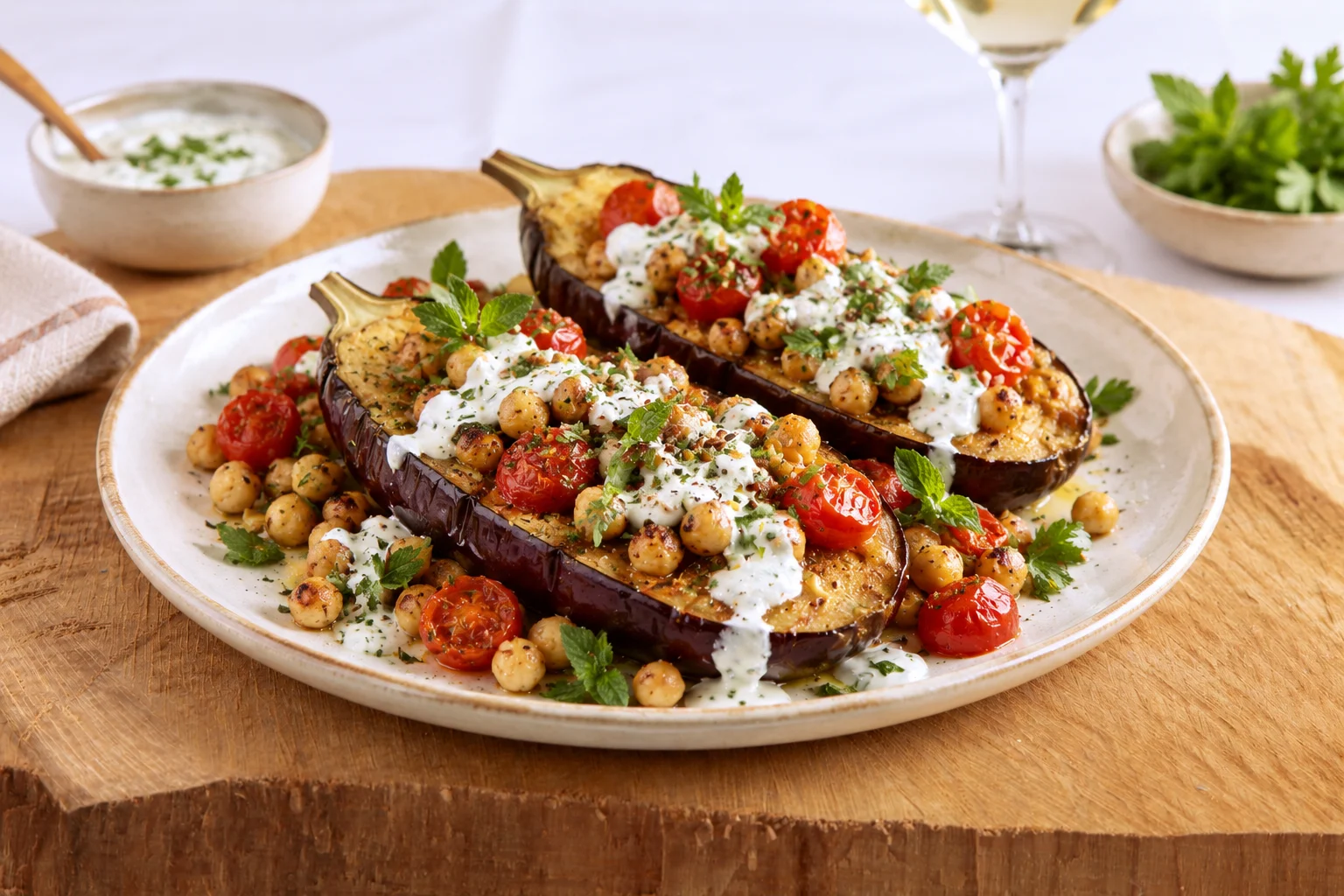
Do you already have a dish in mind?
Let Sommy find wines to pair with your meal.
Discover Wine Trivia
Sign in to unlock fascinating facts about this wine and expand your knowledge.
Sign In