

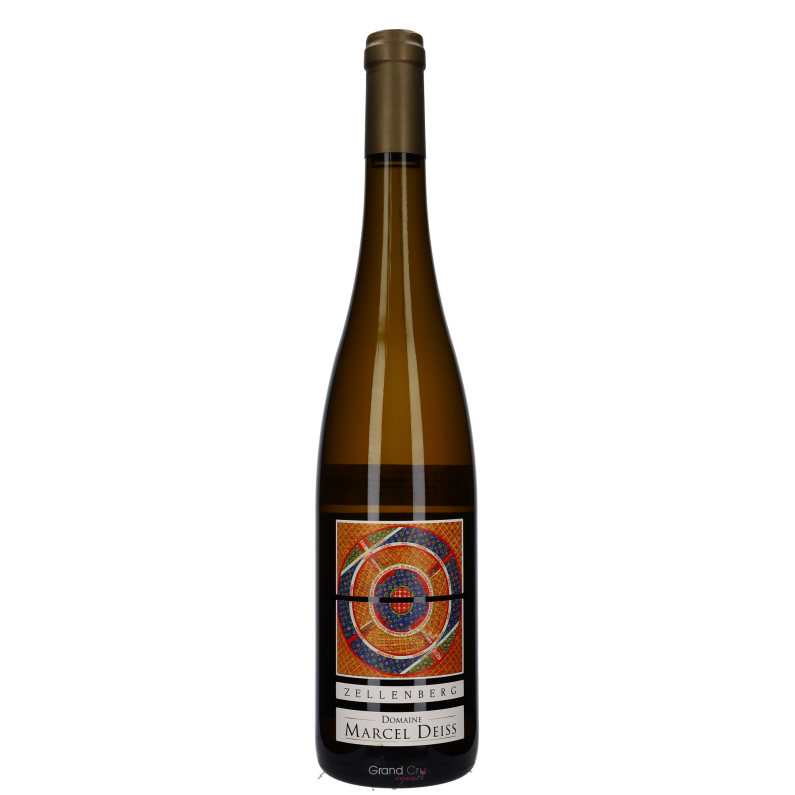
2023 Marcel Deiss Zellenberg
Ordering in bulk? Log in to request a quote
Low Stock
Only 1 left
Need more? You can backorder the rest.
How does this wine taste?
How full and heavy the wine feels in your mouth, like the difference between skimmed milk and cream. More alcohol, sugar and oak ageing make a wine fuller.
How much sugar you taste, from dry to sweet. Fruity is not the same as sweet: a dry wine can taste of ripe fruit.
How fresh and juicy the wine is: acidity makes your mouth water. High acidity tastes lively and refreshing, low acidity soft and round.
What we taste What you taste Click a taste for what it means
The bars follow how sommeliers taste (WSET): body, tannin, sweetness and acidity, each from low to high.
Body: full-bodied. Fuller than most white wines from ; 13.5% alcohol.
Acidity: fairly high. The fairly cool climate of .
Nothing noted for this wine yet. What do you smell, and how long does the taste linger?
Have you tasted this wine?
Save your rating and notes.
Save your rating and notes.
Have you tasted this wine?
Log in to save your tasting note.
Log in to save your tasting note.
Log inMarcel Deiss – the undisputed guru of field blends from Alsace. Jean-Michel Deiss is a unique, unconventional winemaker who produces exceptional wines. Biodynamics and terroir expression go hand in hand, and he firmly believes that "the vineyard comes before the grape variety."
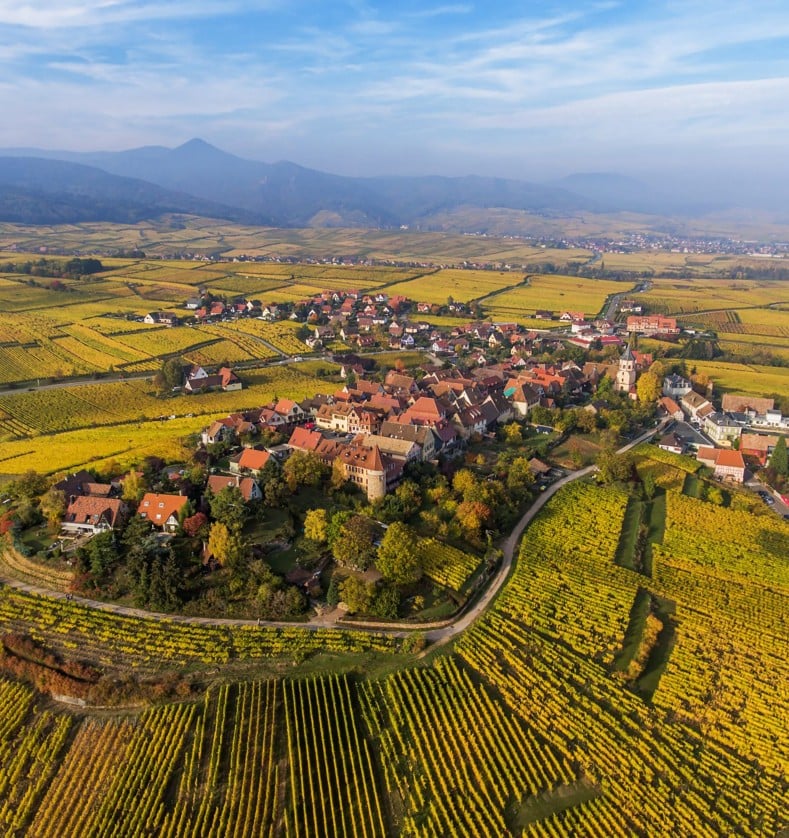
This "vin de terroir" comes from the Graffenberg and Ritterpfad vineyards near the picturesque village of Zellenberg. The Marcel Deiss Zellenberg is made from Riesling, Auxerrois, and various Pinot grapes, interspersed throughout the vineyards. The soil, a mix of clay and fossil remains, is rich in minerals, giving the wine intense aromas, a pure, fresh taste, and beautiful elegance. Minimal intervention is made during the winemaking process to maximize the terroir's potential. The wine is aromatic and inviting, with clean, juicy aromas of citrus, grapefruit, quince, and peach. Pure and precise on the palate, it offers a wonderful balance between ripeness, invigorating freshness, and elegance.
ABOUT MARCEL DEISS
Domaine Marcel Deiss is one of the finest producers in Alsace. The estate was founded in 1947, but the Deiss family's history in winemaking goes back much further. The current owner and winemaker, Jean-Michel Deiss, emphatically embraces a terroir philosophy. About 40 years ago, he changed course to forge his own path in the then-varietal-focused wine market. This viticultural method, in which entire hectares of vineyards are planted with a single grape variety, produces characterless wines and unhealthy vineyards, he believes. The trick is to capture the enormous diversity of this unique wine region, with all its subclimates and soil compositions, in the wines. "The vineyard comes before the grape variety," is his firm belief.................... Read more under the Tab/Link: Winery
ZELLENBERG
Character
The wine
Origin
Bottle
Wine features
Domaine Marcel Deiss is one of the best producers in Alsace. The house was founded in 1947, but the history of the Deiss family in viticulture goes back much further. The current owner and winemaker, Jean-Michel Deiss, emphatically opts for a terroir philosophy. About 40 years ago he changed course to completely choose his own path in the grape variety-oriented wine market at that time. This way of viticulture, in which entire hectares of vineyards are planted with a single grape variety, creates characterless wines and unhealthy vineyards, according to him. It is precisely the art of capturing the enormous diversity of this special wine region, with all its sub-climates and soil compositions, in the wines.
“The vineyard takes precedence over the grape variety”, is his firm conviction. That is why he planted grape varieties in various vineyards together (complantation), as the winegrowers used to do. This promotes biodiversity in the vineyard: the different grape varieties reinforce and support each other. Other local crops, trees and shrubs in and around the vineyards provide even greater biodiversity. In the vineyards, work is done manually as much as possible and according to biodynamic principles. Vertical growth of the roots is stimulated as much as possible: the deeper the roots go into the soil, the more nutrients and characteristics of the vineyard the vines can absorb.
Deiss distinguishes between the 'vins de fruits' and the 'vins de terroirs'. The first group often concerns varietal wines that are extremely pure, have a high concentration and clearly reflect the vintage. The terroir wines are the regional, communal or vineyard wines, where the wine is much more influenced by the terroir than by a grape variety. These wines are made from at least 3 grape varieties, but sometimes from 13 varieties. The wines can differ greatly per terroir and per vintage. The winemaking philosophy is simple: intervene as little as possible so that the terroir speaks fully. "The wine has to 'form' itself and needs only the most necessary support from the winemaker," says Jean-Michel. Deiss wines excel through precision, concentration and a wonderfully soft mouthfeel. Despite Jean-Michel's specific views, the wines cannot be called 'difficult', and they therefore have a wide range of enthusiasts.
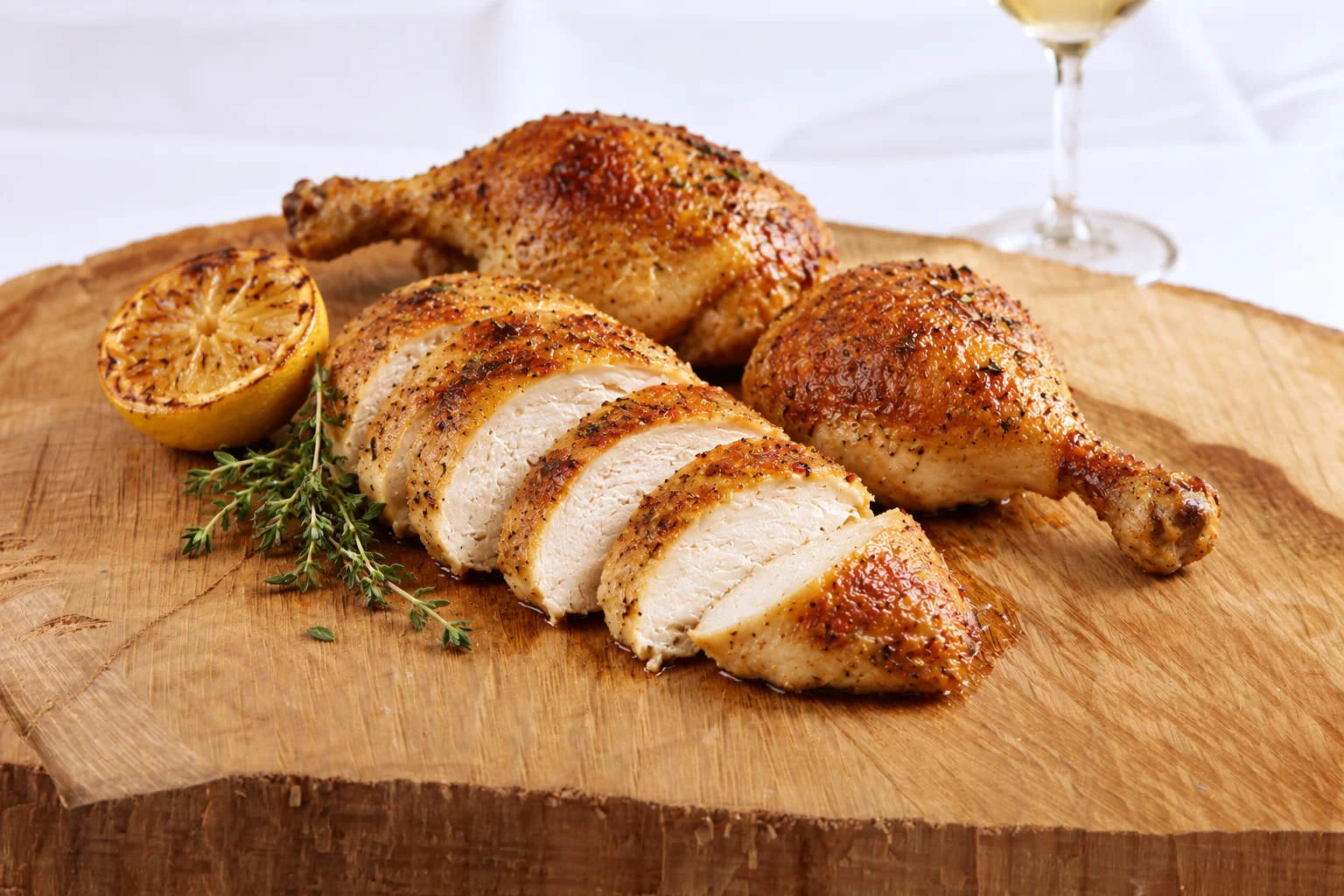
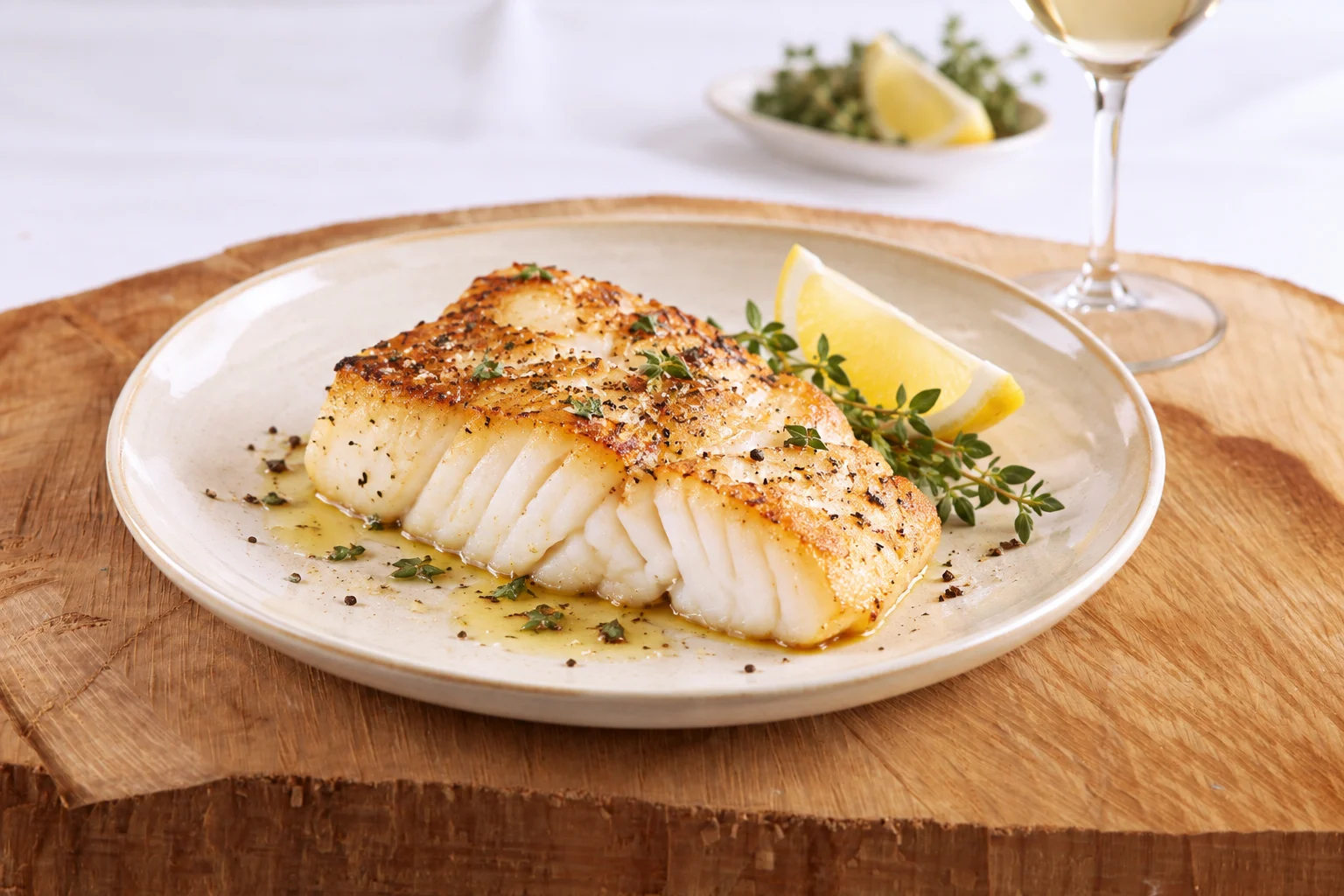
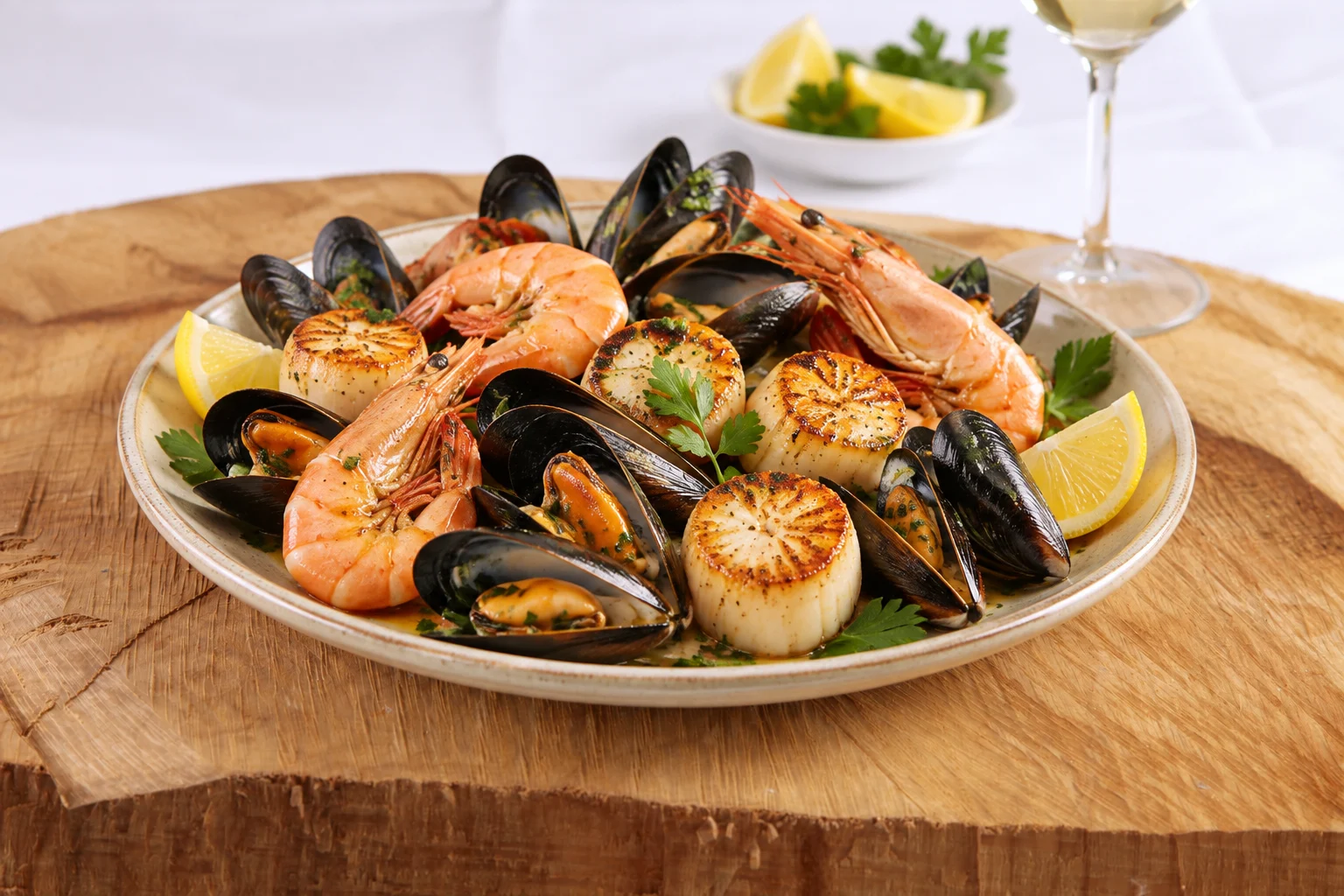
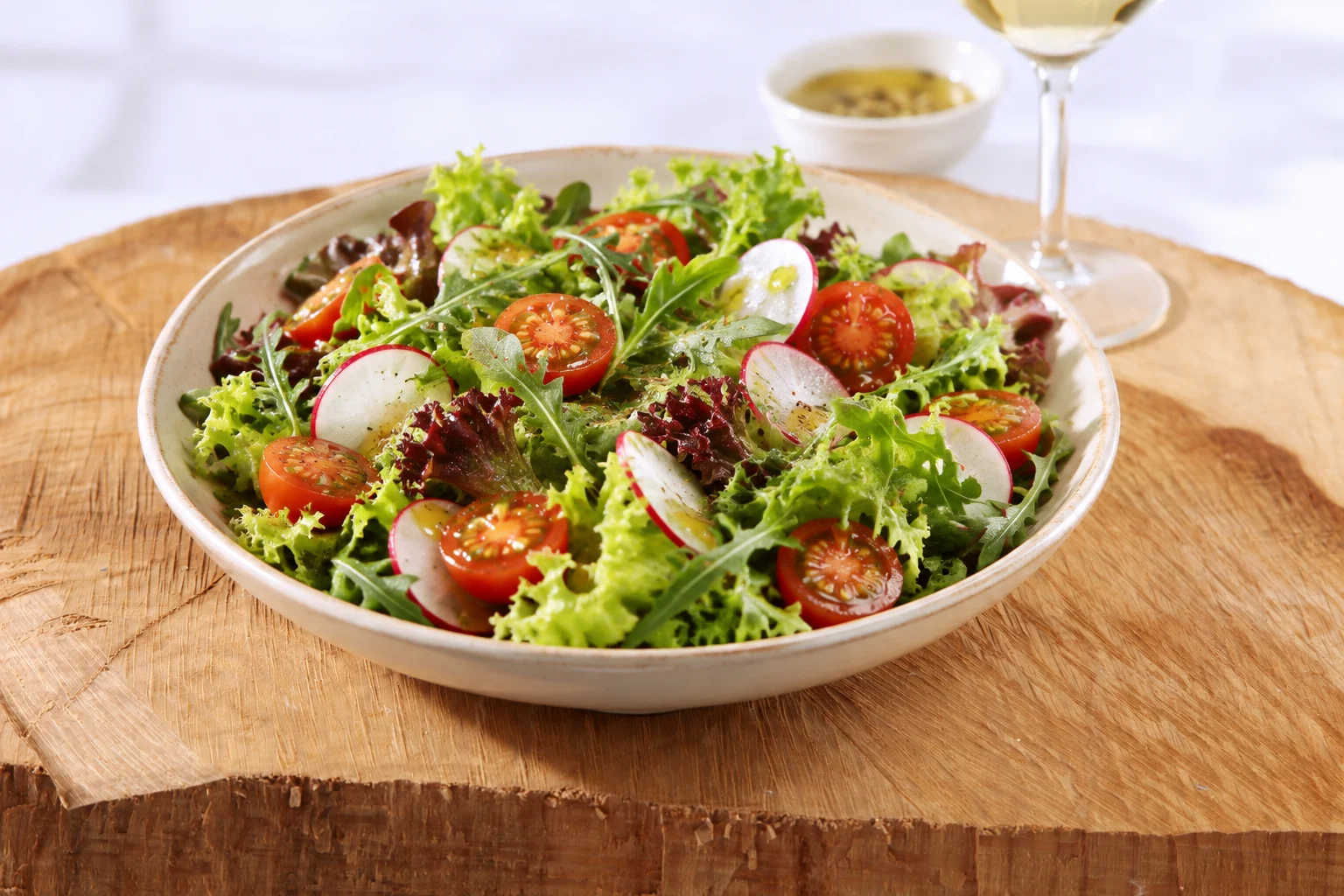
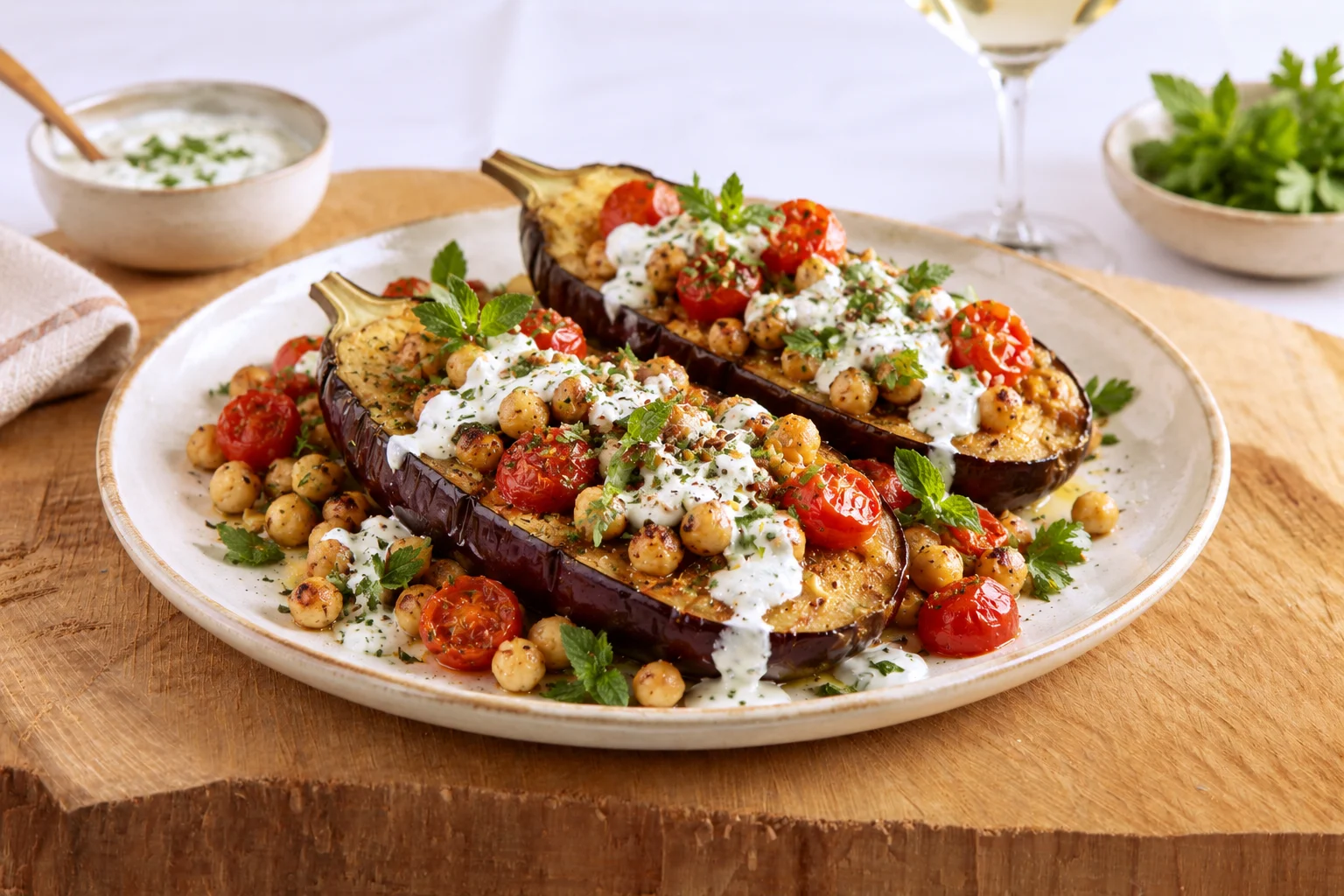
Fris en elegant met zuivere aroma’s van citrus, grapefruit, kweepeer en perzik, een fijne minerale onderstroom en een mooie balans tussen rijpheid en opwekkende frisheid. Daardoor vult deze Zellenberg gevogelte, witte vis, schelpdieren, salades en vegetarische gerechten op natuurlijke wijze aan; denk aan gegrilde of langzaam geroosterde kip met citroen, in boter gepocheerde of kort gebakken vis, ceviche of coquilles met een lichte vinaigrette en frisse salade-combinaties die de mineraliteit en zuurgraad van de wijn benadrukken.
Choose a category to discover dishes that pair well with this wine.
Do you already have a dish in mind?
Let Sommy find wines to pair with your meal.
Discover Wine Trivia
Sign in to unlock fascinating facts about this wine and expand your knowledge.
Sign In