

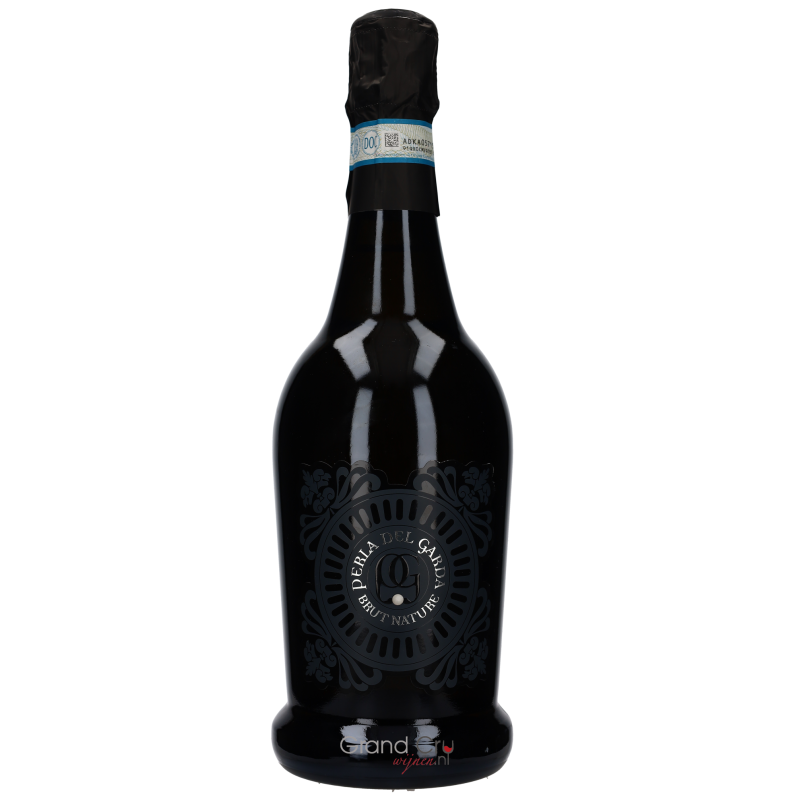
2022 Perla del Garda Spumante Lugana Millesimato Brut Nature BIO
Ordering in bulk? Log in to request a quote
In stock
11 items available
How does this wine taste?
How full and heavy the wine feels in your mouth, like the difference between skimmed milk and cream. More alcohol, sugar and oak ageing make a wine fuller.
How much sugar you taste, from dry to sweet. Fruity is not the same as sweet: a dry wine can taste of ripe fruit.
How fresh and juicy the wine is: acidity makes your mouth water. High acidity tastes lively and refreshing, low acidity soft and round.
What we taste What you taste Click a taste for what it means
The bars follow how sommeliers taste (WSET): body, tannin, sweetness and acidity, each from low to high.
Body: fairly light. 11.5% alcohol.
Sweetness: brut nature. 1.6 g/l residual sugar.
Acidity: high. From .
Aromas: green notes and orchard fruit, typical of
Made: aged in stainless steel, without wood; 9 months on the lees
Nothing noted for this wine yet. What do you smell, and how long does the taste linger?
Have you tasted this wine?
Save your rating and notes.
Save your rating and notes.
Have you tasted this wine?
Log in to save your tasting note.
Log in to save your tasting note.
Log inThe Perla del Garda Lugana Spumante Millesimato Brut Nature BIO is a sparkling wine made from 100% Turbiana, produced using the traditional method. This wine combines freshness and tension with added depth through bottle aging, resulting in a refined mousse and a more complex character.
The wine and style
This Spumante is a Brut Nature, which means that little to no dosage is added. As a result, the style is crisp, dry, and precise, with a clear focus on purity and terroir.
As a millesimato, the wine comes from a single vintage, which provides more character and the recognizability of the season. The combination with organic cultivation reinforces the pure profile of the wine.
Turbiana grape character
The wine is made from 100% Turbiana, the grape known for its fresh acidity, light spiciness, and mineral tension. This combination comes into its own particularly well in sparkling form.
Turbiana provides a tight structure here with sufficient depth, ensuring the wine is not only fresh but also has length and complexity.
Metodo Classico explanation
This wine is made using the traditional method, where the second fermentation takes place in the bottle. This results in a finer mousse and more complexity compared to tank methods.
The wine subsequently ages on the lees in the bottle, which provides extra structure and subtle aromas that can lean towards bread-like and slightly nutty notes.
Vinification and aging
After the manual harvest, the grapes are gently pressed and fermented in stainless steel tanks at a controlled temperature.
The second fermentation takes place in the bottle, followed by aging on the lees for approximately 9 months. The bottles are manually racked (remuage), which contributes to the precision and finesse of the wine.
Lugana Spumante Flavor Profile
In the glass, the wine displays a clear, light yellow color with a fine and persistent mousse. The aroma features fresh notes of citrus, green apple, and subtle floral accents, complemented by light brioche notes.
On the palate, tight and dry, with lively acidity and a refined structure. The finish is long, fresh, and slightly mineral.
Location Lugana area
The vineyards are situated around Lonato del Garda, on the southern slopes of Lake Garda, at an altitude of 150 to 250 meters. This location ensures a combination of sun and cooling.
The proximity of the lake contributes to even ripening and the preservation of freshness in the grapes.
Lake Garda climate influence
Lake Garda ensures a mild and stable climate. As a result, temperature fluctuations remain limited and the grapes ripen gradually.
The constant air currents support healthy vineyards and contribute to the quality of the fruit.
Soil and terroir
The soils are of moraine origin and consist of calcareous clay and stones. These ensure good drainage and contribute to the fresh, mineral style of the wine.
Limestone provides tension and length, while clay ensures structure. This interplay defines the character of this sparkling Lugana.
Character
The wine
- 100%
Origin
Bottle
Wine features
Perla del Garda is located south of Lake Garda, in the area between Desenzano and Sirmione. The estate covers around 40 hectares of vineyards on the morainic hills near Lonato del Garda. The focus is mainly on Turbiana, complemented by varieties such as Chardonnay, Sauvignon, Riesling and Incrocio Manzoni. For red wines, the estate works with grapes including Rebo, Merlot and Cabernet Sauvignon.
Location and terroir Garda
The vineyards are situated on the southern slopes of Lake Garda, on soils formed by glacial deposits. These morainic soils consist of calcareous clay and stones, relatively poor and well-draining. This forces the vines to root deeply in search of water and nutrients, contributing to concentration and structure in the wines.
The proximity to Lake Garda creates a moderated climate. The lake acts as a temperature buffer, reducing extreme heat and softening cooler nights. As a result, the grapes ripen gradually and retain their natural acidity, a key characteristic of Lugana.
Prandini family history
The Prandini family has a long agricultural background rooted in the Verona area. For generations, the family worked the land, passing down knowledge and experience. The move into wine production began in 2000, when Giovanna and Ettore Prandini started exploring the potential of the morainic hills south of Lake Garda.
After several harvests and careful observation, the first estate wine was produced in 2006: a Lugana named Perla. At the same time, a modern winery was built among the vineyards to allow for fast and efficient grape processing.
Vineyard approach
At Perla del Garda, the focus is clearly on vineyard work. There are no fixed schedules; decisions are made based on each vintage. Climate conditions, ripeness and grape health determine the timing of the harvest and subsequent steps.
Harvesting is done entirely by hand. Grapes are collected in small boxes and quickly transported to the winery. The maximum distance between vineyard and cellar is about one kilometre, minimizing oxidation and preserving fruit quality.
Winemaking and technique
An important part of the production process is the use of gravity in the winery. The gravity-flow system reduces mechanical intervention, helping to preserve the purity of the fruit.
Winemaking is focused on precision and control, using modern techniques to support rather than dominate the character of the grape and terroir. For white wines in particular, the emphasis is on freshness, clarity and structure.
Grapes and wine styles
The key grape is Turbiana, also known as Trebbiano di Lugana. It forms the backbone of the Lugana wines and is valued for its fresh acidity, subtle aromatic profile and ageing potential.
In addition, Perla del Garda works with both international and local varieties such as Chardonnay, Sauvignon and Riesling for whites. For reds, grapes such as Rebo, Merlot and Cabernet Sauvignon are used. Across the range, the style remains focused on balance and drinkability.
Sustainability and development
Sustainability plays an increasing role within the estate. Part of the vineyards is farmed organically, and since 2016 the winery has produced certified organic wines. The decision to certify the production chain reflects a commitment to transparency and quality control.
Recognition and quality
The quality of Perla del Garda has been recognized over the years. Early on, the estate received a place among the 100 best wines of Italy for Madre Perla. Later, it was awarded Tre Bicchieri by Gambero Rosso for the Lugana Superiore Madonna della Scoperta.
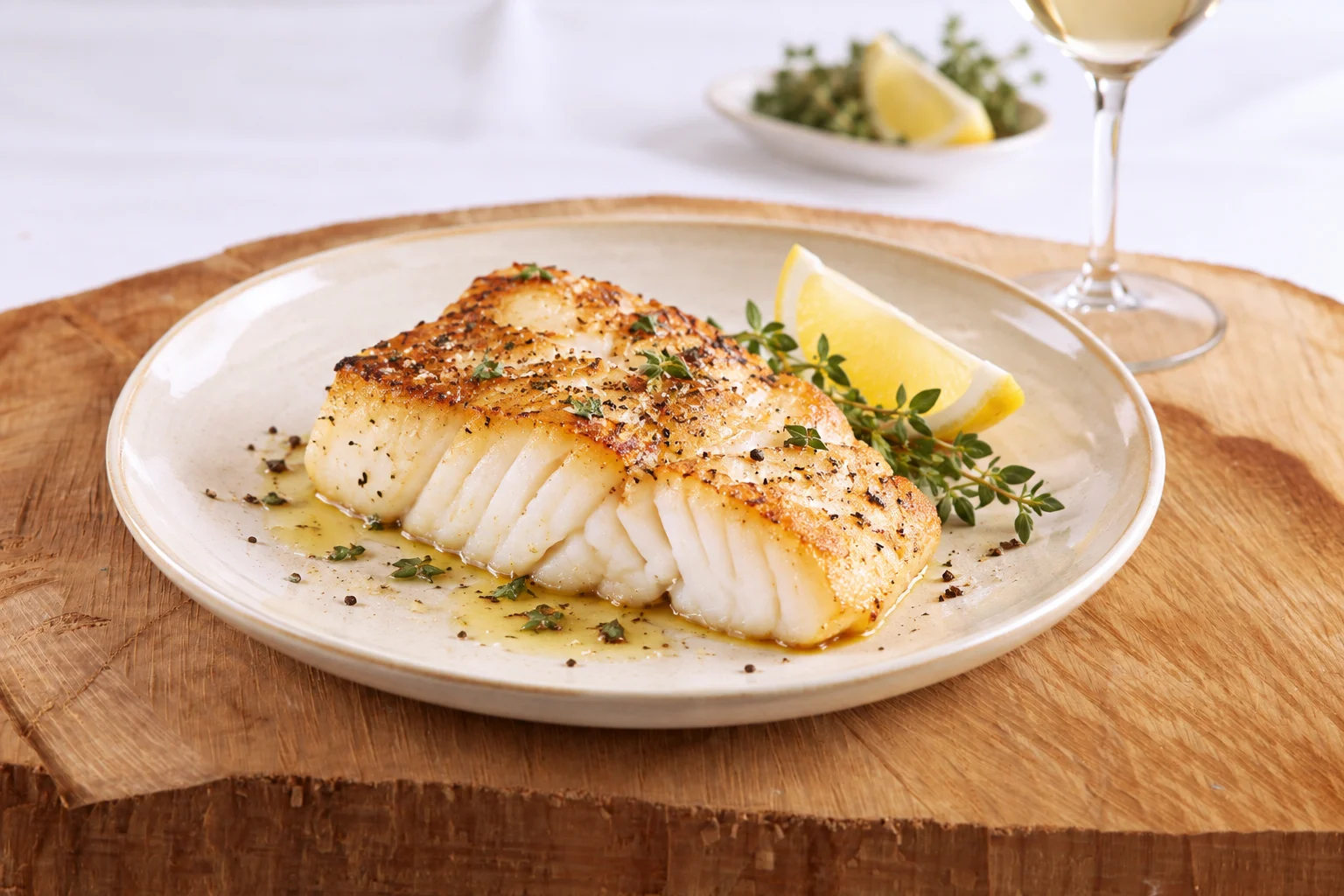
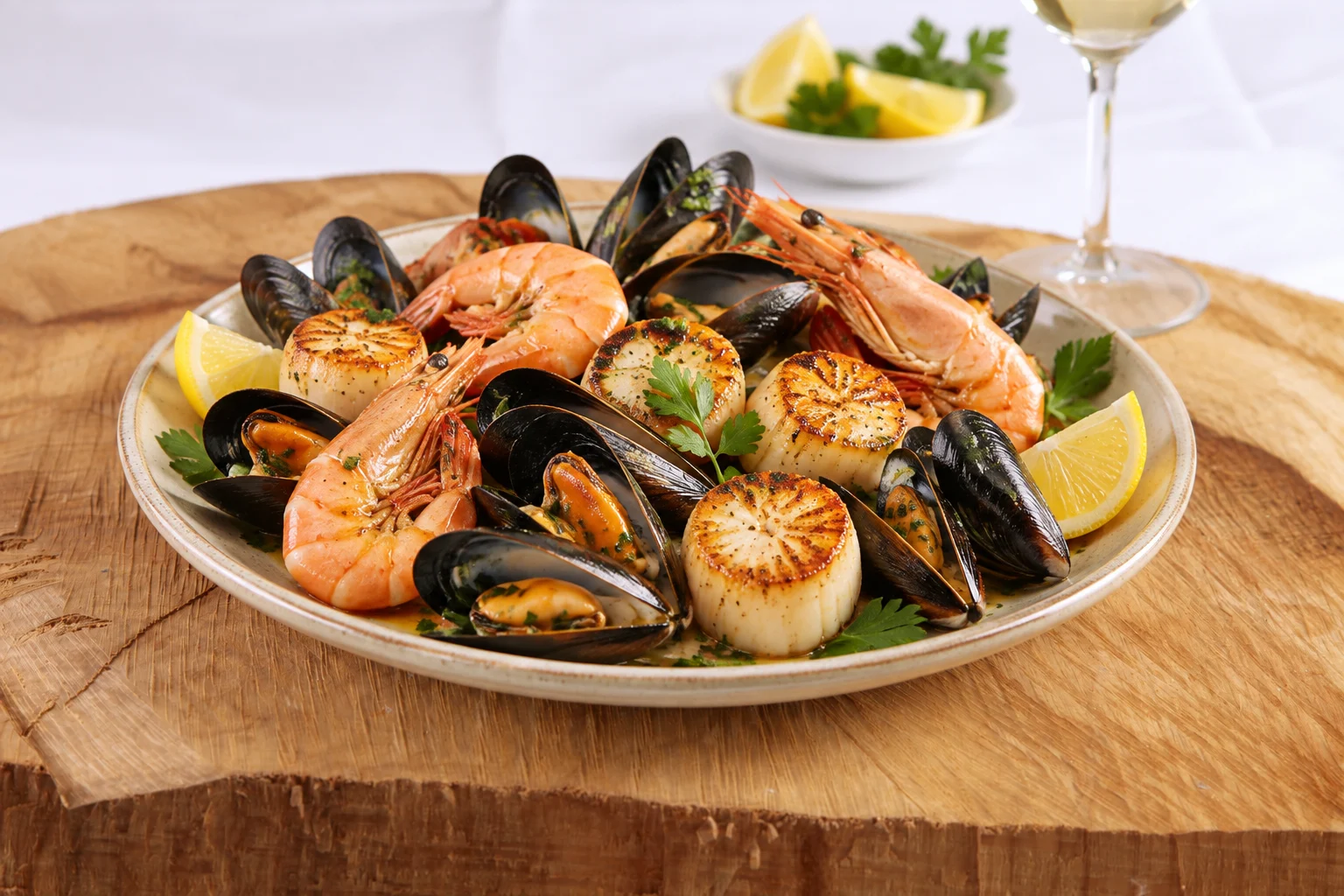
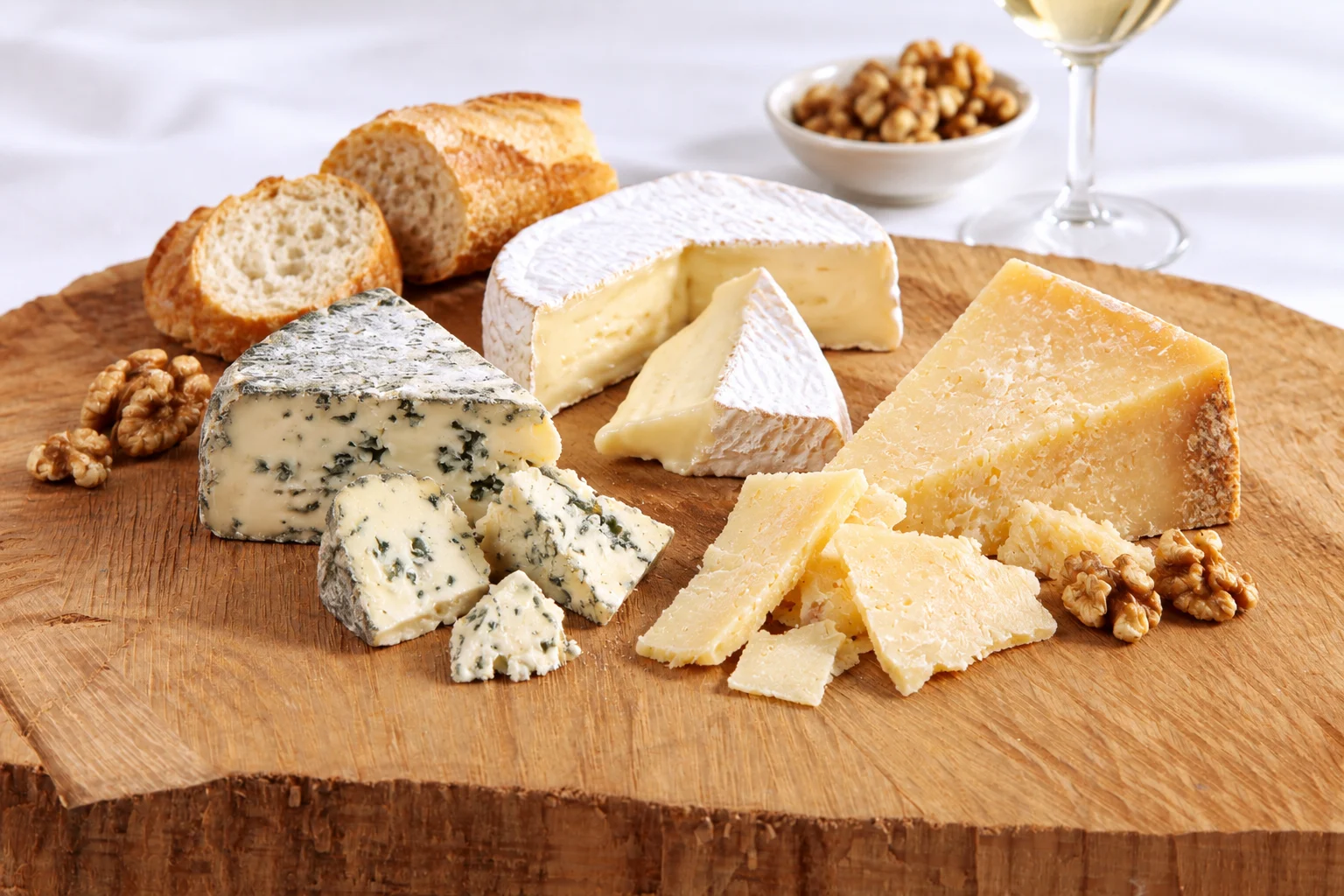
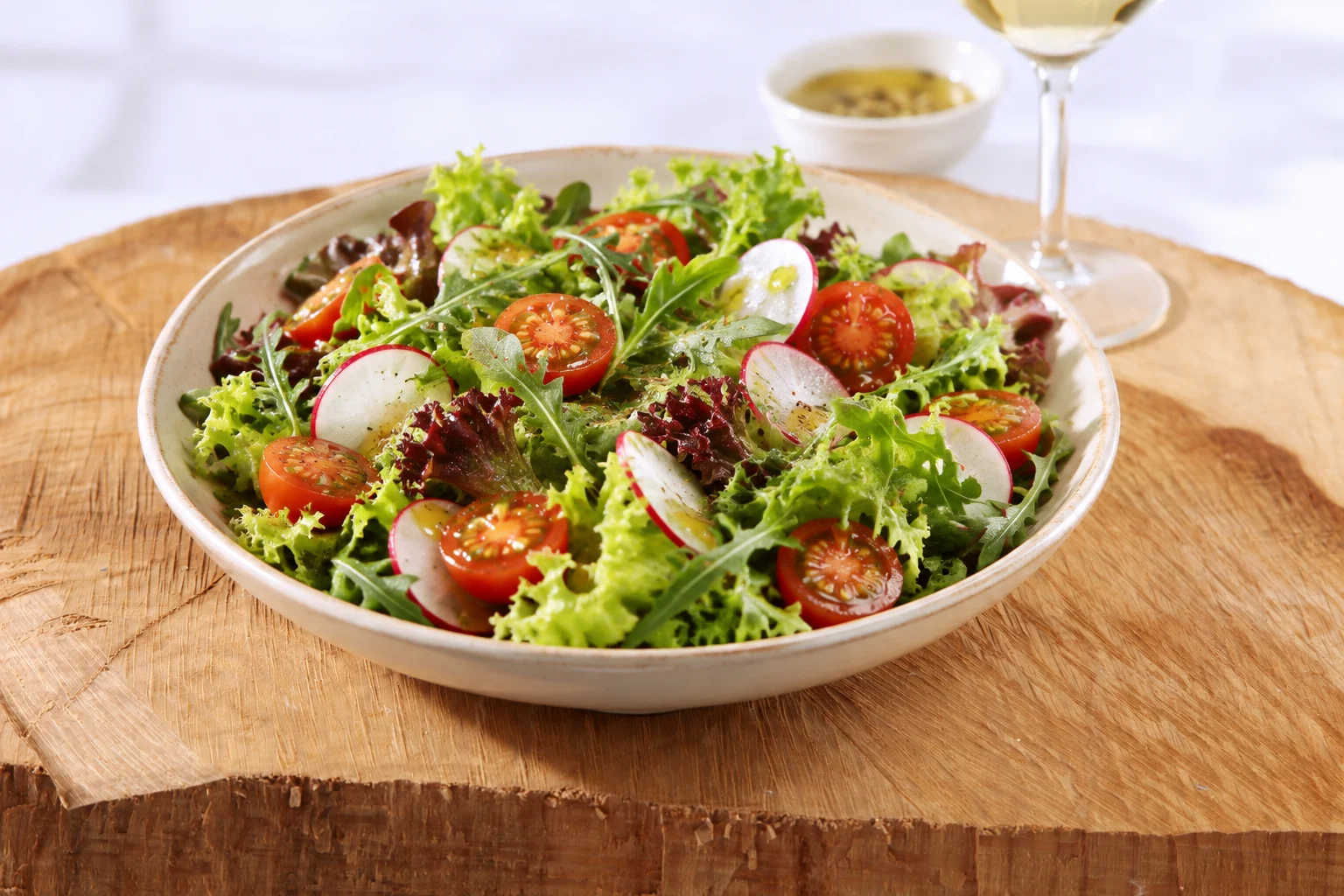
Fris en strak van stijl met levendige zuren en een verfijnde mousse, waarin frisse citrus en groene appel samenkomen met subtiele bloemige tonen, lichte brioche en een aangename minerale spanning. Dankzij die zuiverheid en het droge karakter snijdt deze Spumante perfect door de vettigheid van romige kazen en beurre noisette bereidingen, accentueert hij de zilte frisheid van oesters en schelpdieren en vult hij frisse salades of gegrilde witte vis met citroen mooi aan. Probeer hem bij ceviche of citroen-gemarineerde zeebaars, licht geroosterde coquilles of een salade met vinaigrette voor een extra geslaagde match.
Choose a category to discover dishes that pair well with this wine.
Do you already have a dish in mind?
Let Sommy find wines to pair with your meal.
Discover Wine Trivia
Sign in to unlock fascinating facts about this wine and expand your knowledge.
Sign In