

2020 Château d'Aussières
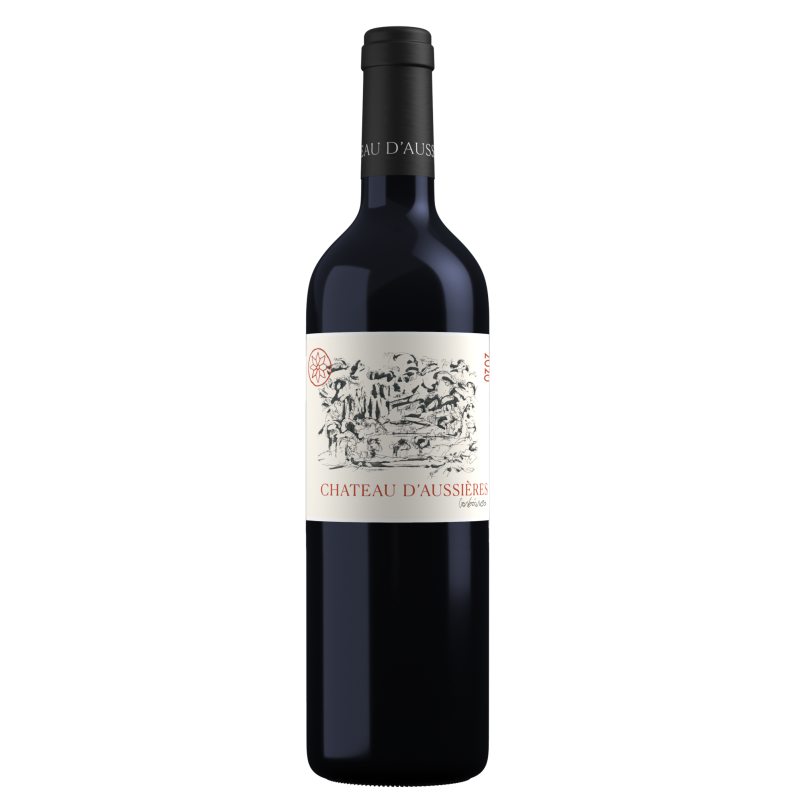
De specificaties zoals vermeld bij de wijn (o.a. wijnjaar) en in de titel zijn leidend en er kunnen geen rechten worden ontleend aan de afbeelding die wordt getoond. Lees meer in onze Frequenty asked questions
How does this wine taste?
How full and heavy the wine feels in your mouth, like the difference between skimmed milk and cream. More alcohol, sugar and oak ageing make a wine fuller.
The drying, grippy feel on your gums and tongue, as with strong tea. It comes from the skins and seeds of black grapes and from oak, and softens with age.
How much sugar you taste, from dry to sweet. Fruity is not the same as sweet: a dry wine can taste of ripe fruit.
How fresh and juicy the wine is: acidity makes your mouth water. High acidity tastes lively and refreshing, low acidity soft and round.
What we taste What you taste Click a taste for what it means
The bars follow how sommeliers taste (WSET): body, tannin, sweetness and acidity, each from low to high.
Body: powerful. Fuller than most red wines from ; 15% alcohol.
Tannin: firm. From 77% and 23% .
Sweetness: dry. Red wine from is almost always dry.
Acidity: fairly low. 77% and 23% from the warm climate of .
Aromas: dark fruit and spice, typical of and
Made: aged in small casks
Nothing noted for this wine yet. What do you smell, and how long does the taste linger?
Have you tasted this wine?
Save your rating and notes.
Save your rating and notes.
Have you tasted this wine?
Log in to save your tasting note.
Log in to save your tasting note.
Log inIn 1999 the abandoned estate was bought by Baron Éric de Rothschild (Château Lafite Rothschild), who decided to reshape it as a high quality wine estate. Price/quality is excellent
The Aussières vineyard extends over 167 hectares at the foot of Fontfroide, south of Narbonne. On the high slopes, the soils are very shallow and stony. They are sandier and deeper in the plains. In some plots, blocks of pink sandstone protrude from the ground, which hinders mechanical work. Two thirds of the vineyard are in AOC Corbières. And one third in Vin de Pays d'Oc. Each with its own grape variety: Firstly, Syrah, Mourvèdre, Grenache, Carignan and Cinsault; Chardonnay, Merlot, Cabernet-Sauvignon, Cabernet Franc and Petit Verdot for the second.
The management of the Aussières vineyard is part of the Corbières tradition, with plantations of 4,400 vines/hectare, using trellised vines. The first official documents of Aussières date back to 97 AD. The vines were an important supplier of wine to Rome for many years and the vines were uprooted by decree of the Roman Emperor Domitius, who wanted to increase the success of his own Italian wines.
Aussières returned to the Abbey of Fontfroide in 1065 and was again used as a farm and vineyard. After the French Revolution, it was confiscated from the church and bought by Count Daru, administrator of Napoleon Bonaparte's private estate, who continued the lucrative wine production. Until the 1950s, Aussières remained a wine village with 180 inhabitants, a school, a bakery, a forge and hundreds of hectares of vines in production. In 1999, the abandoned estate was bought by Baron Éric de Rothschild, who decided to redefine it as a high-quality wine estate.
The Aussières 2020 is a blend of 77% Syrah and 23% Mourvèdre. This wine offers aromas of blackberries, dark berries, pepper and flowers. It is well structured with powdery tannins. This estate is owned by the Rothschild family Ratings: 93 Jane Anson, 93 James Suckling. An excellent value for money wine from the Mouton Rothschild stable.
FACT : The wine is in our conditioned Wine Warehouse and if you come to pick up the wine you will often also receive a nice discount. You will see the possible discount immediately if you choose Pick up on the Checkout page. We are located almost next to the Rijksweg with plenty of parking. Click here for address.
Character
The wine
- 77%
- 23%
Origin
Bottle
Wine features
James Suckling
Château d’Aussières Corbières 2020
Monday, July 8, 2024
CountryFrance
RegionLanguedoc
Vintage2020
CHECK PRICE
DOWNLOAD SHELFTALKER
Score
93
A well-composed, textural, balanced and layered red with aromas of cherries, strawberries, Mediterranean herbs, baking spices, bark and hints of undergrowth. It’s medium-bodied with finely grained tannins and a refined texture. Focused and precise, with a flavorful and elegant finish. Drink or hold.
Lorem ipsum dolor sit amet, consectetur adipiscing elit. Sed do eiusmod tempor incididunt ut labore et dolore magna aliqua...
Exclusive Content
Sign in to unlock professional wine reviews from world-renowned critics
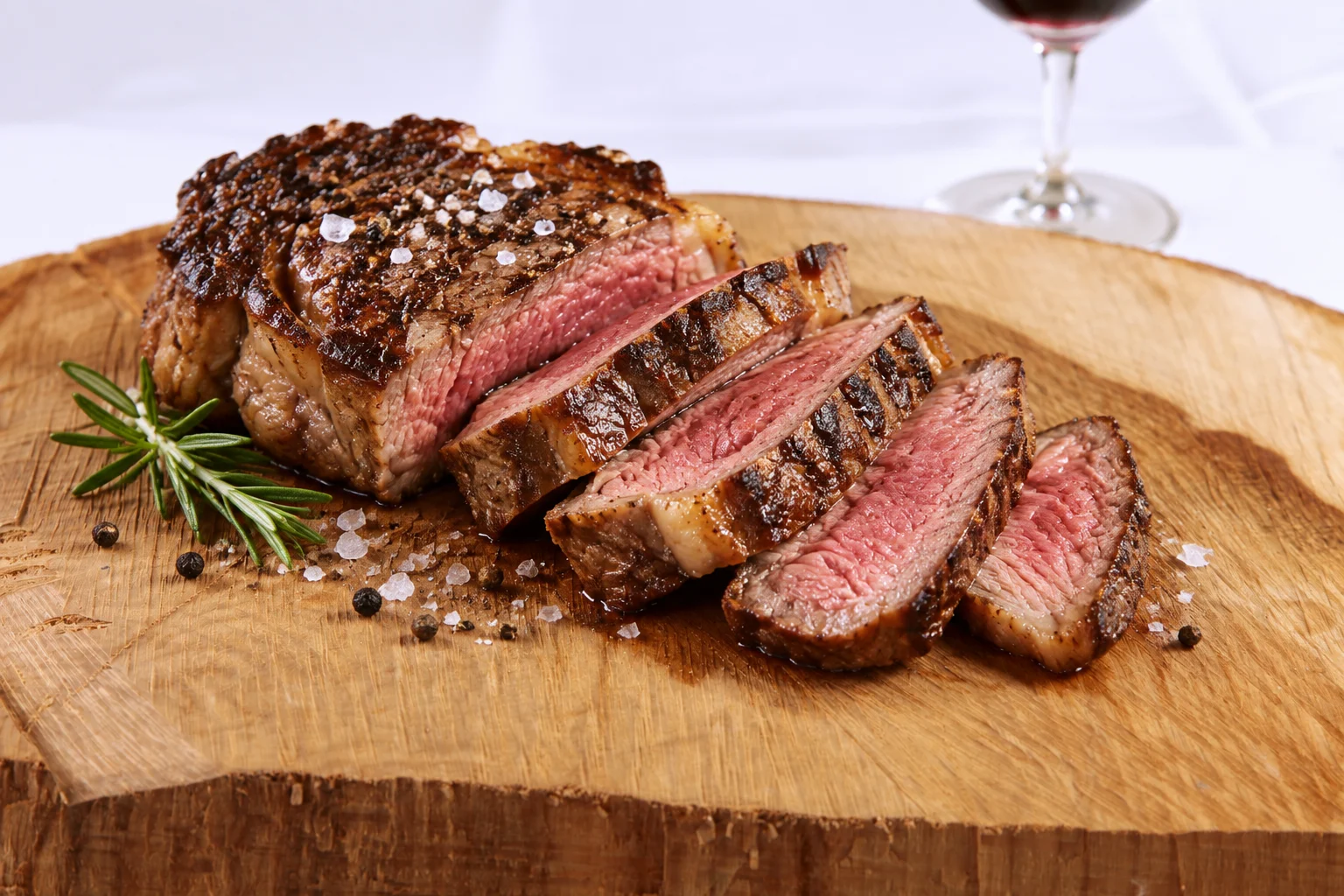
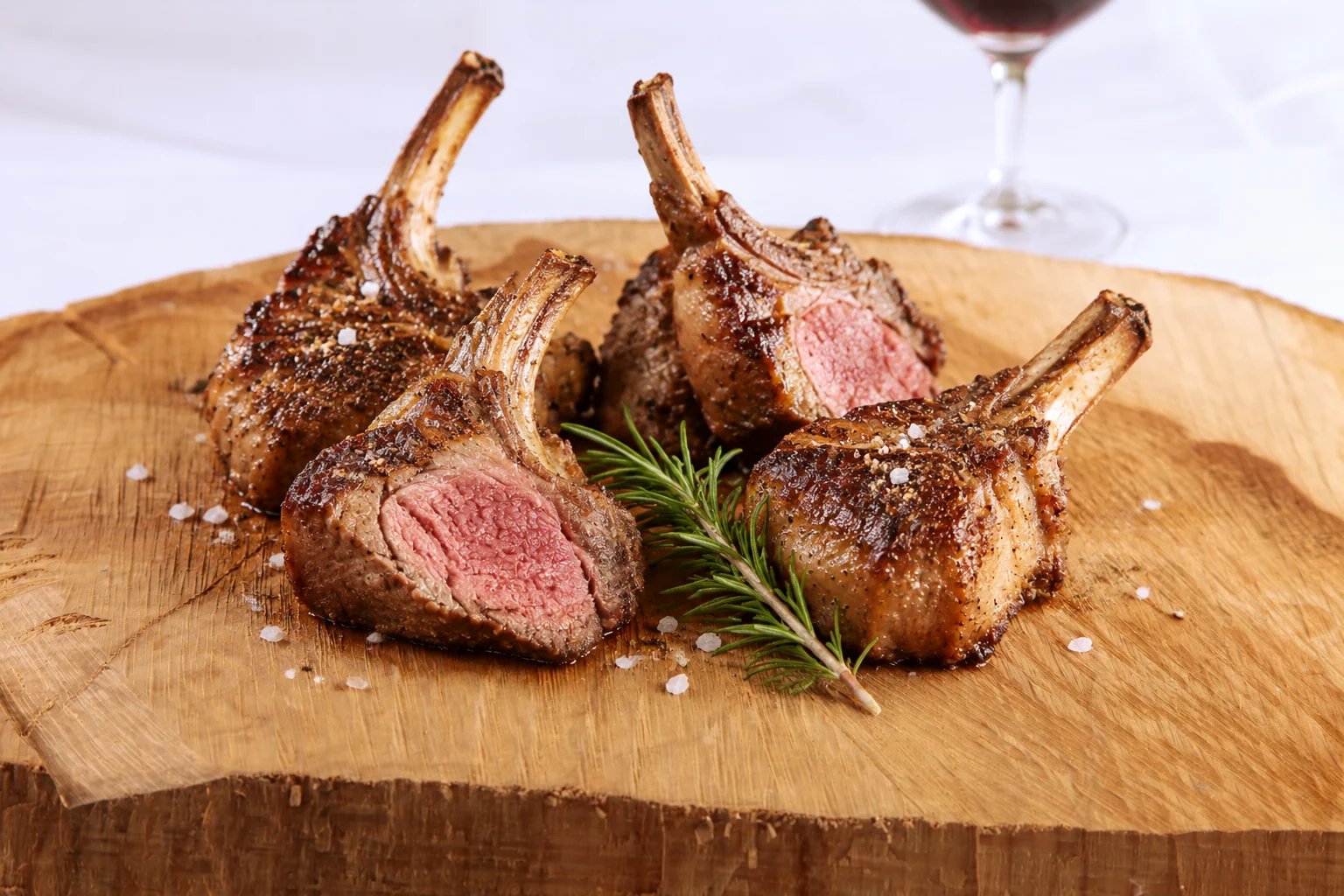
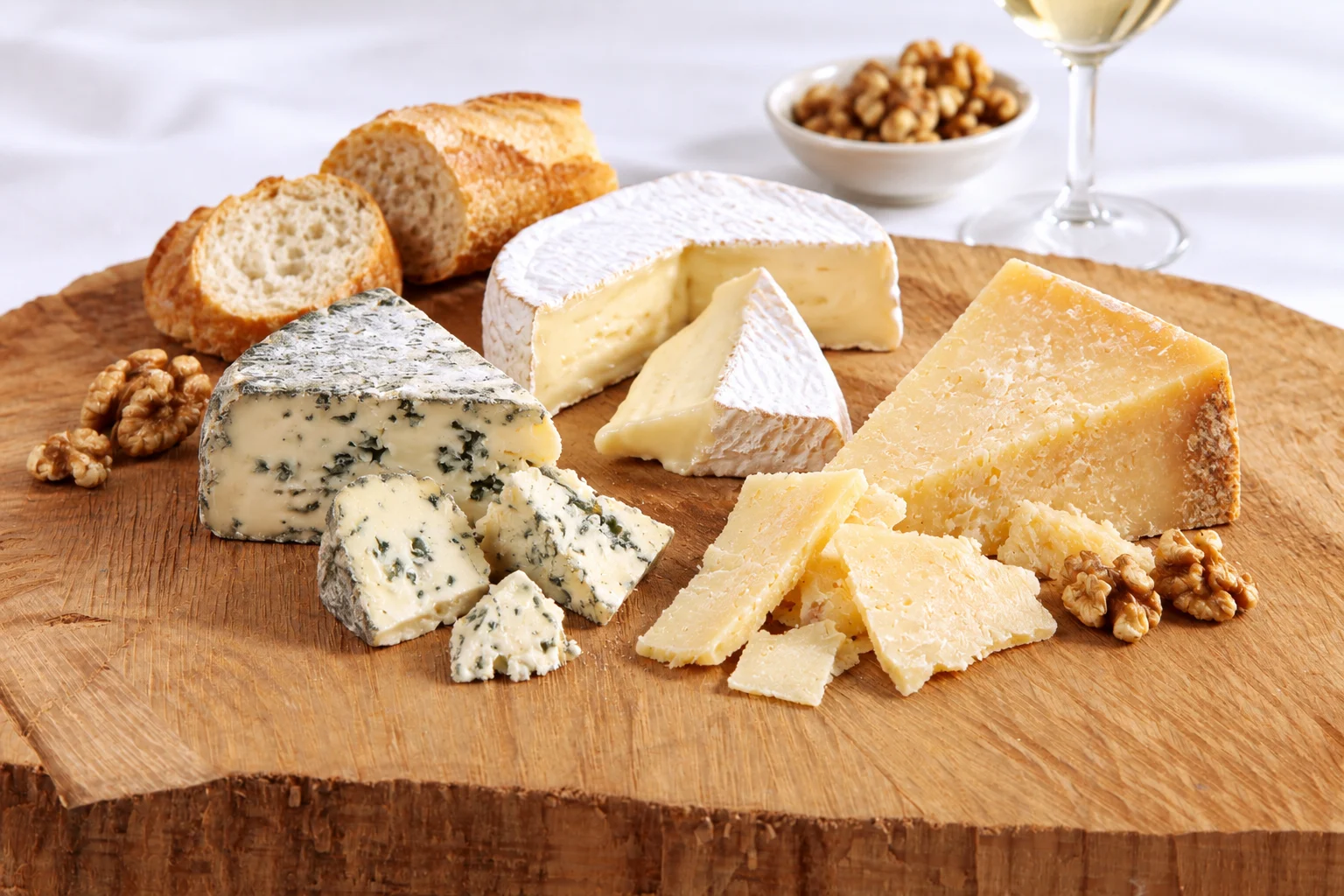
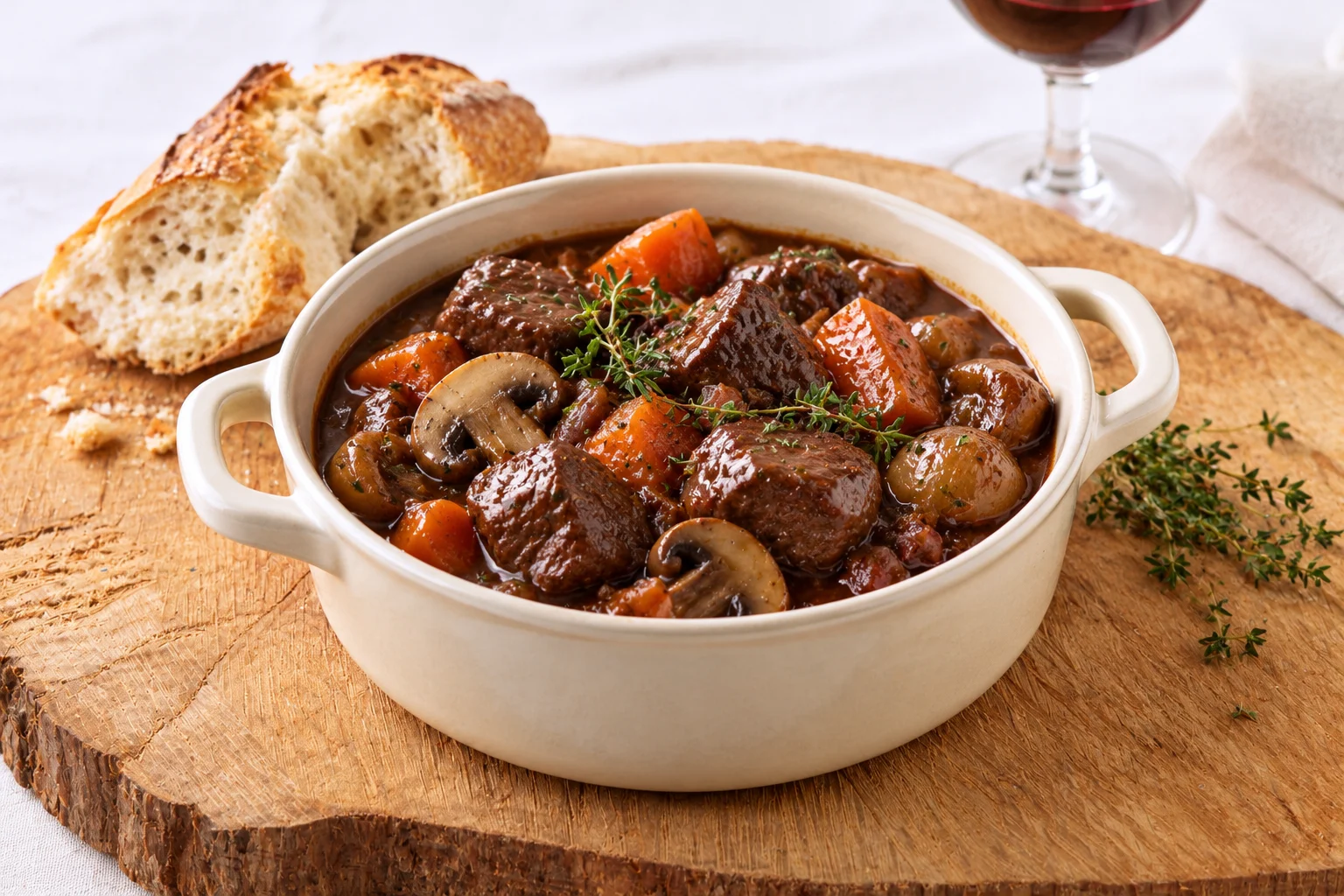
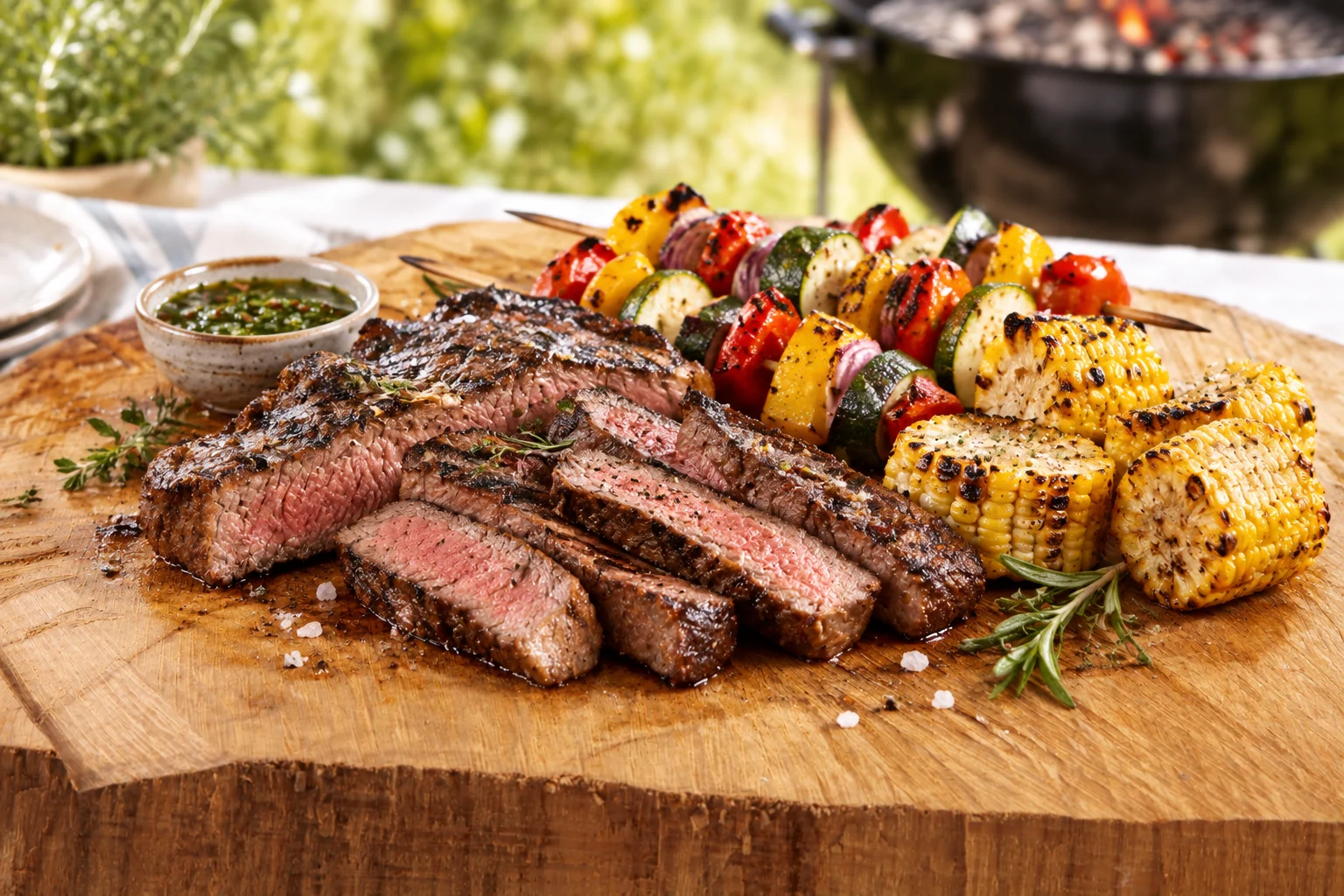
Deze 2020 Château d'Aussières toont rijpe bramen en donkere bessen, mediterrane kruiden, een vleugje peper en florale tonen, onderbouwd door poederachtige, fijnmazige tannines en een elegante, medium body. Daardoor snijdt hij goed door het vet en de rijke sauzen van rundvlees, lam en stoofschotels en vormt hij een mooie tegenhanger van gegrilde en gemarineerde stukken op de barbecue, terwijl de rijpe fruitigheid en zachte tannines ook prachtig aansluiten bij gerijpte kazen. Kies bij vlees voor langzaam gestoofd of krachtig gegrild met rozemarijn, zwarte peper of een rokerige barbecuesaus, en bij kazen voor pittige schapen- of blauwe kazen om de smaken maximaal te versterken.
Choose a category to discover dishes that pair well with this wine.
Do you already have a dish in mind?
Let Sommy find wines to pair with your meal.
Discover Wine Trivia
Sign in to unlock fascinating facts about this wine and expand your knowledge.
Sign In