

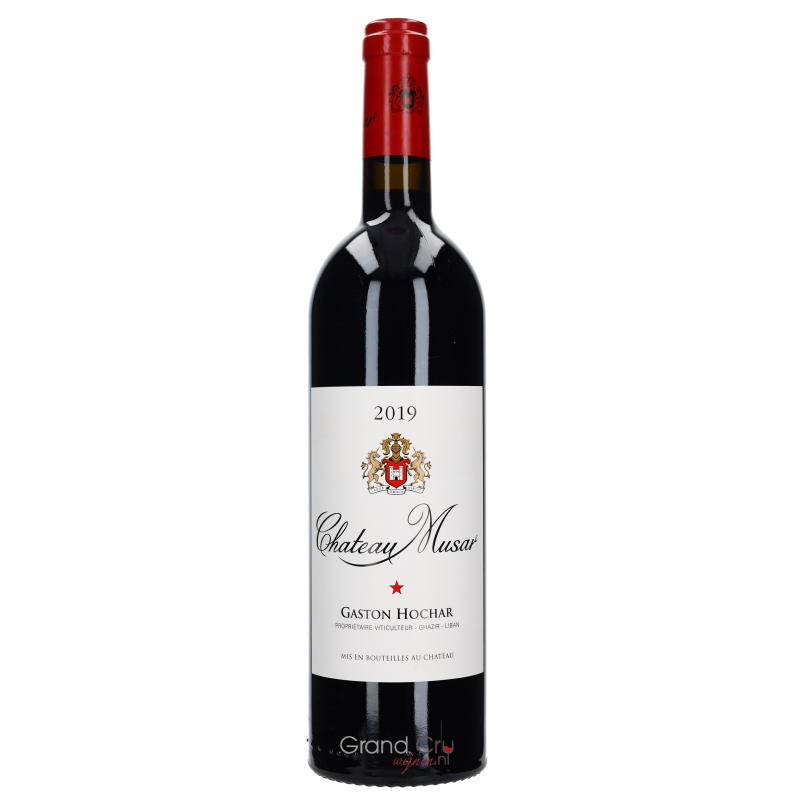
2019 Chateau Musar Bekaa Valley Rouge
| Type of Wine | |
|---|---|
| Country | Lebanon |
| Region | |
| Winery | |
| Vintage | 2019 |
| Grape | |
| Content (Alc) | Standard (0.75 ltr) (14%) |
| Drink window | 2025 - 2041 |
Ordering in bulk? Log in to request a quote
In stock
6 items available
Backorder Information
It is possible to order this article in backorder. This is possible with items that we can generally have in stock again in 3-5 working days. You can simply order it, but it is important to mention that we only send the order when it is complete.
Notities
Foto
Proefnotities
Heb je deze wijn geproefd?
Bewaar je beoordeling en aantekeningen.
Bewaar je beoordeling en aantekeningen.
Heb je deze wijn geproefd?
Log in om je proefnotitie op te slaan.
Log in om je proefnotitie op te slaan.
Log inHoe wil je je wijn beoordelen?
Max 5 MB. JPG, PNG, WebP.
Hoe smaakt het?
Klik op wat het beste past. Alles is optioneel.
Welke geuren en smaken herken je?
Klik op alles wat je herkent. Dit is optioneel.
Uiterlijk
Neus
Aroma's (neus)
Smaak
Smaken (mond)
Afdronk
Wijngegevens
Automatisch ingevuld vanuit productgegevens.
Persoonlijke gegevens
Chateau Musar is regarded as one of the most exceptional wine estates in the world. On the one hand, this is due to the location in the Lebanese Bekaa Valley; on the other, a completely traditional method is still employed. The vineyards are situated on gravelly calcareous clay soils at an altitude of around 1,000 meters. The long, warm summers guarantee excellent ripening of the grapes. Owner Serge Hochar, who was previously named Winemaker of the Year by the English magazine Decanter Magazine, received his wine education in France.
2018 began with an impressive amount of rain and snow—no less than 355mm—in January, while the amount of precipitation in February, at 162ml, was also strongly above average. In March and April, it rained considerably less than in the preceding months, and thanks to the unexpected rise in temperatures after April 15, the vines slowly began to bloom. May and June were relatively wet during the flowering period. The vines benefited from the moist conditions, and the harvest already looked promising. July was dry, as is typical, with temperatures exceeding 35 degrees Celsius. In August, there was even a three-day heatwave with temperatures around 39-40 degrees.
Cinsault was harvested first on September 4, and the grapes were dry with a high sugar concentration. This had never occurred before in the Cinsault vineyards of Musar Vineyards, showing that no grape can escape changing climatic conditions; every year is different and unique.
Musar Red 2019 is a blend of equal parts Cabernet Sauvignon, Cinsault, and Carignan. Each grape variety was fermented with its own natural yeasts in concrete vats, after which the base wines matured for 12 months in French Nevers oak barrels. The fermentation of the red grapes was challenging this year: Cabernet Sauvignon was ready first without too much difficulty, while Cinsault and Carignan required more attention to keep the fermentation going until the last gram of sugar. The malolactic fermentation of these two grapes was still not complete 3 months after the start of the harvest, a reminder of the very delicate fermentation and the distinctive character of Cinsault. This vintage was bottled in the summer months of July and August 2022, without filtration or clarification. After bottling, the bottles rested for approximately 3 years in the Musar cellars.
Delicious to drink now, but as with all Musars, this wine can also age wonderfully.
FUN FACT: Under the tab: Attachments, you will find the official factsheet for this wine. We will automatically send this to you digitally upon ordering this wine.
| Type of Wine | Red |
|---|---|
| Country | Lebanon |
| Region | Bekaa-vallei |
| Winery | Chateau Musar |
| Grape | Cabernet Sauvignon |
| Biological certified | No |
| Natural wine | No |
| Vegan | No |
| Vintage | 2019 |
| Drinking as of | 2025 |
| Drinking till | 2041 |
| Alcohol % | 14 |
| Alcohol free/low | No |
| Content | Standard (0.75 ltr) |
| Oak aging | Yes |
| Sparkling | No |
| Dessert wine | No |
| Closure | Cork |
| Promotion | Tier Price |
| Vinous rating | 91 |
| Tasting Profiles | Aards, Complex, Donker fruit, Fruitig, Houtgerijpt, Krachtig, Kruidig, Mineraal, Rijk, Rood fruit, Tannines, Vol |
| Drink moments | Barbecue, Iets te vieren, Lekker luxe, Met vrienden, Romantisch |
Vinous
91
Drinking Window
2025 - 2029
From: Middle East Update: Lebanon and Syria (Apr 2025)
The 2018 Château Musar opens with candied red fruits, white mushrooms, leather and spicy nuances. Medium- to full-bodied, moderately concentrated and round, the 2018 is a delightful Musar. A touch of heat emerges on the savoury finale.
- By Nicolas Greinacher on February 2025
Lorem ipsum dolor sit amet, consectetur adipiscing elit. Sed do eiusmod tempor incididunt ut labore et dolore magna aliqua...
Exclusive Content
Sign in to unlock professional wine reviews from world-renowned critics
Winemaking in Lebanon is far from a modern phenomenon. In the Beqaa Valley, evidence of wine production dates back to the Bronze Age, with the Phoenicians being among the earliest to cultivate vineyards. The famous Bacchus Temple in Baalbek also stands as a testament to the Roman's involvement in winemaking in the region.
Château Musar: a legacy of winemaking in Lebanon
The Beqaa Valley is an ideal location for grape cultivation. The valley is about eight kilometers wide and situated between two mountain ranges at an elevation of approximately 1,000 meters. This high altitude creates a unique microclimate where the intense heat of the day is offset by cool nights, allowing the grapes to retain their fruity aromas. Additionally, meltwater from the mountains ensures a reliable water supply, while the soil—comprising loam, pebbles, and gray limestone—provides a healthy environment for the vines.
Despite the ongoing conflict in the region, winemaking has persisted. The only exceptions were during the years 1976 and 1984, when war prevented wine production. Grapes had to be transported nearly 100 kilometers through conflict zones to reach the winery, located just north of Beirut.
The revival of Lebanese winemaking because of Château Musar
After a long hiatus due to Islamic rule, which imposed a ban on alcohol production for over a thousand years, winemaking in Lebanon was revived by Jesuit priests in 1857. In 1930, Gaston Hochar founded Château Musar during the French mandate period. He sourced grapes from the Beqaa Valley and established a winery and cellar on the western slopes of Mount Lebanon, in Ghazir, just north of Beirut. Hochar received guidance from French professors in setting up his winery.
The Influence of Serge Hochar
Gaston Hochar's son, Serge, played a pivotal role in bringing Château Musar to global recognition. After training at Château Langoa-Barton in Bordeaux, Serge Hochar developed his own philosophy of winemaking. He favored a unique blend, combining the firm and robust structure of Cabernet Sauvignon with the fruit-forward character of Rhône varietals such as Carignan and Cinsault—a blend rarely seen elsewhere.
Serge Hochar was committed to natural winemaking techniques, using wild yeasts, avoiding fining and filtering, and famously describing his wines as "wines without makeup." The red wines from Château Musar are aged for an average of 12 months in French oak barrels that are not toasted, followed by several years of cellar aging. The final blend is determined purely by taste, with each vintage offering distinct characteristics.
The unique style of Château Musar wines
The red Château Musar is an exceptional and traditional wine, often considered old-fashioned in style. Its color is never truly dark, usually exhibiting a brownish hue, with notes of spices and a subtle herbal quality in both aroma and flavor. These wines have remarkable aging potential, with Serge Hochar recommending they be enjoyed at their peak after 15 years. Each vintage reflects its own personality, and the wines are renowned for their distinctive character and ability to age gracefully.
Château Musar continues to be celebrated worldwide for its commitment to tradition and unique winemaking approach.
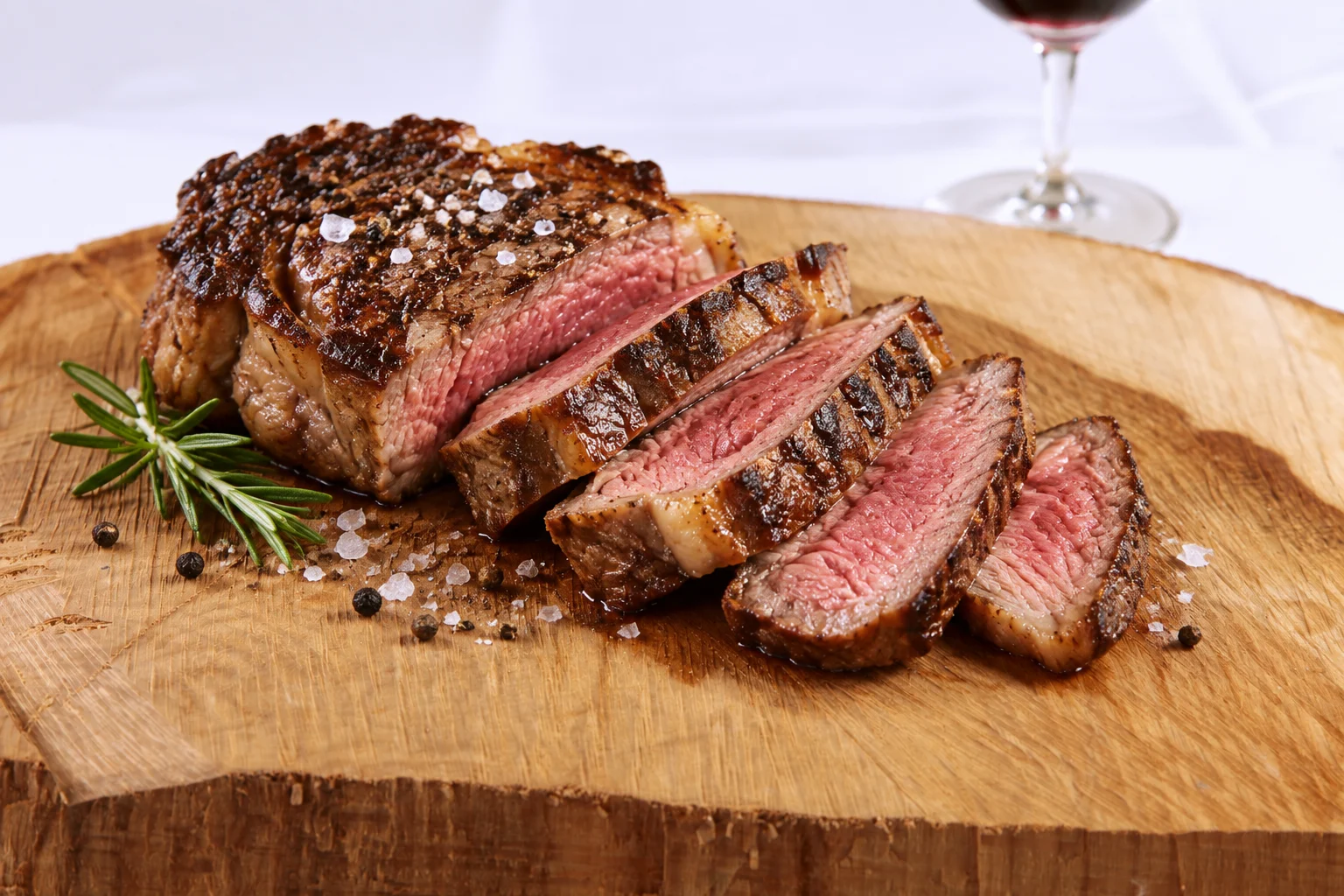
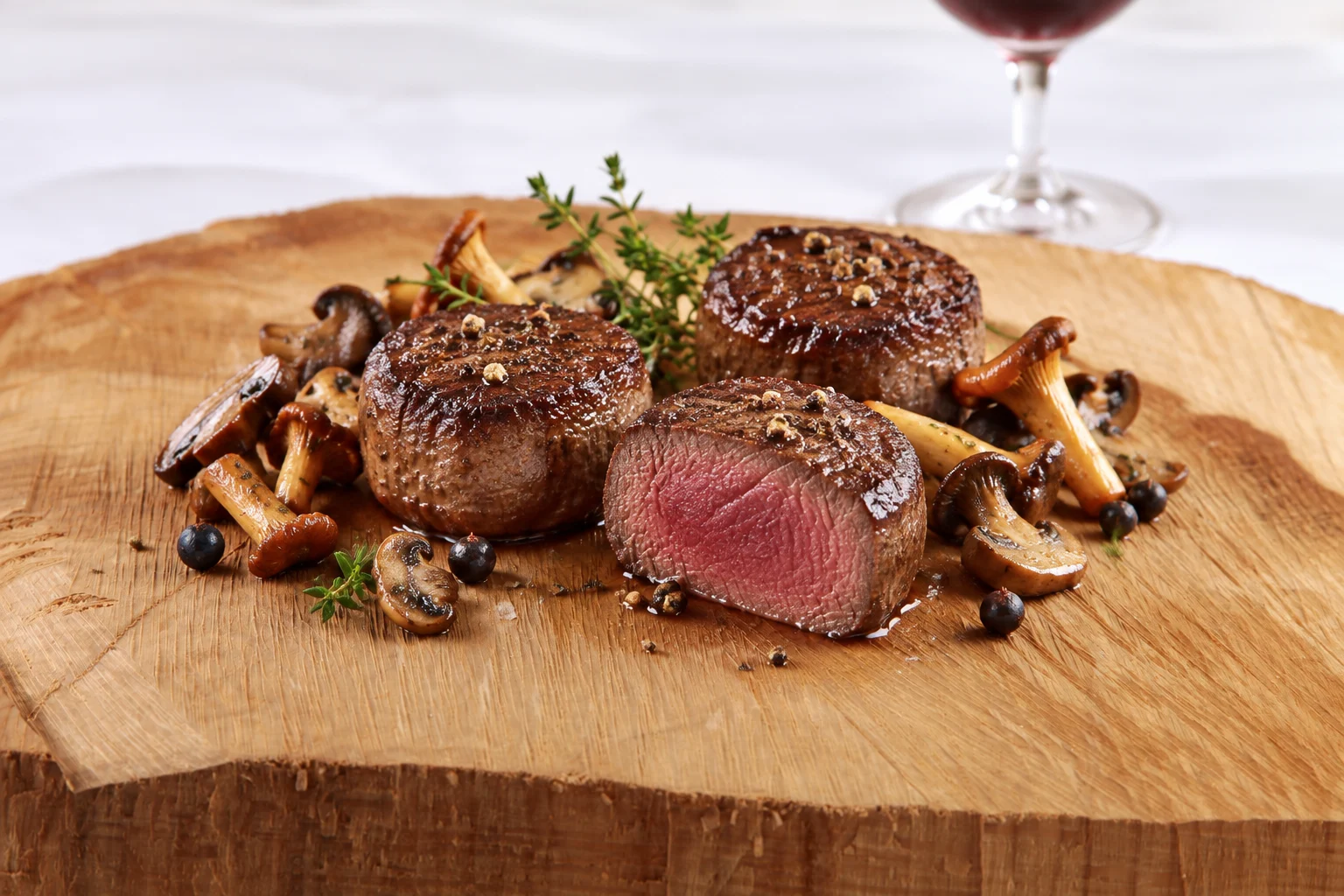
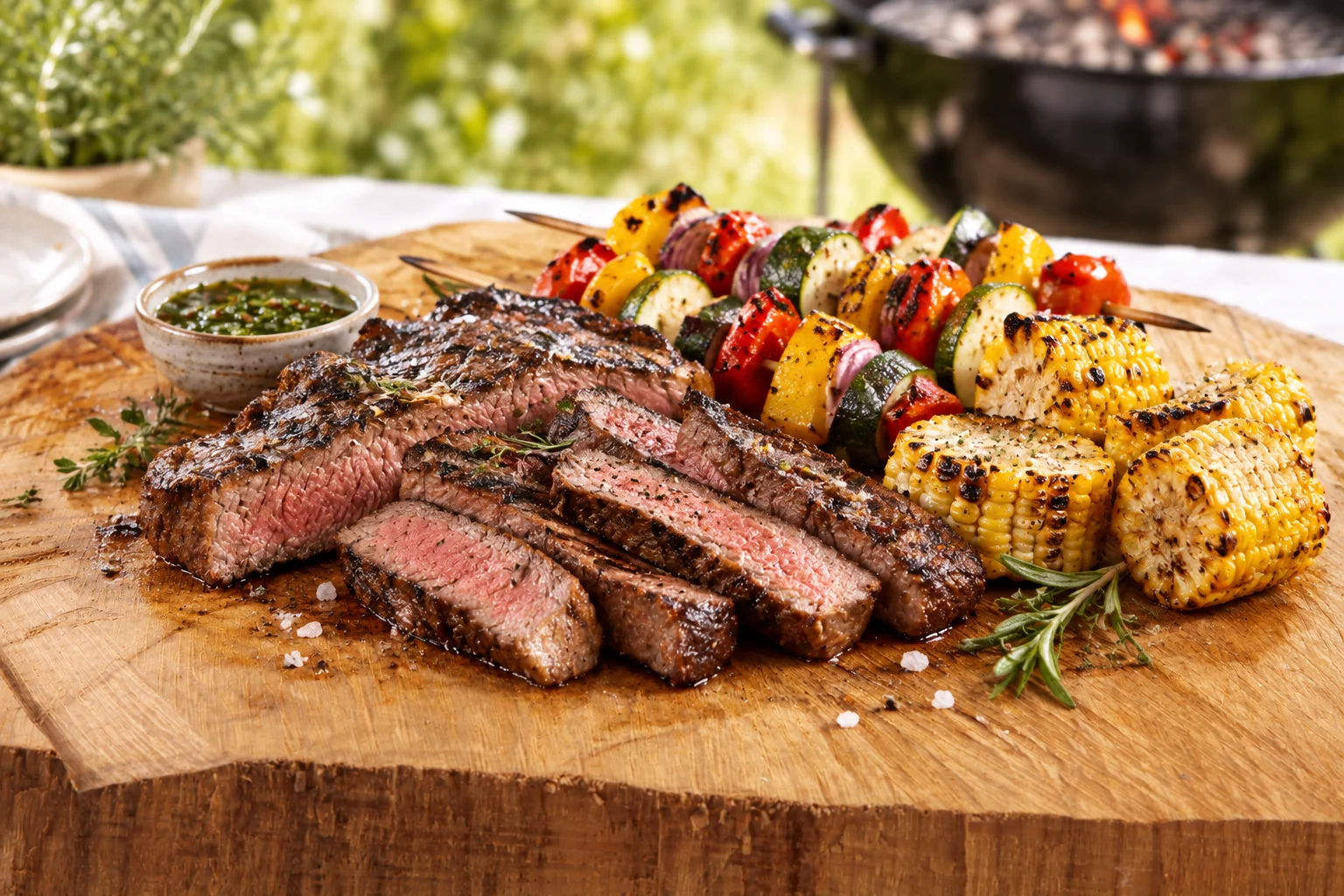
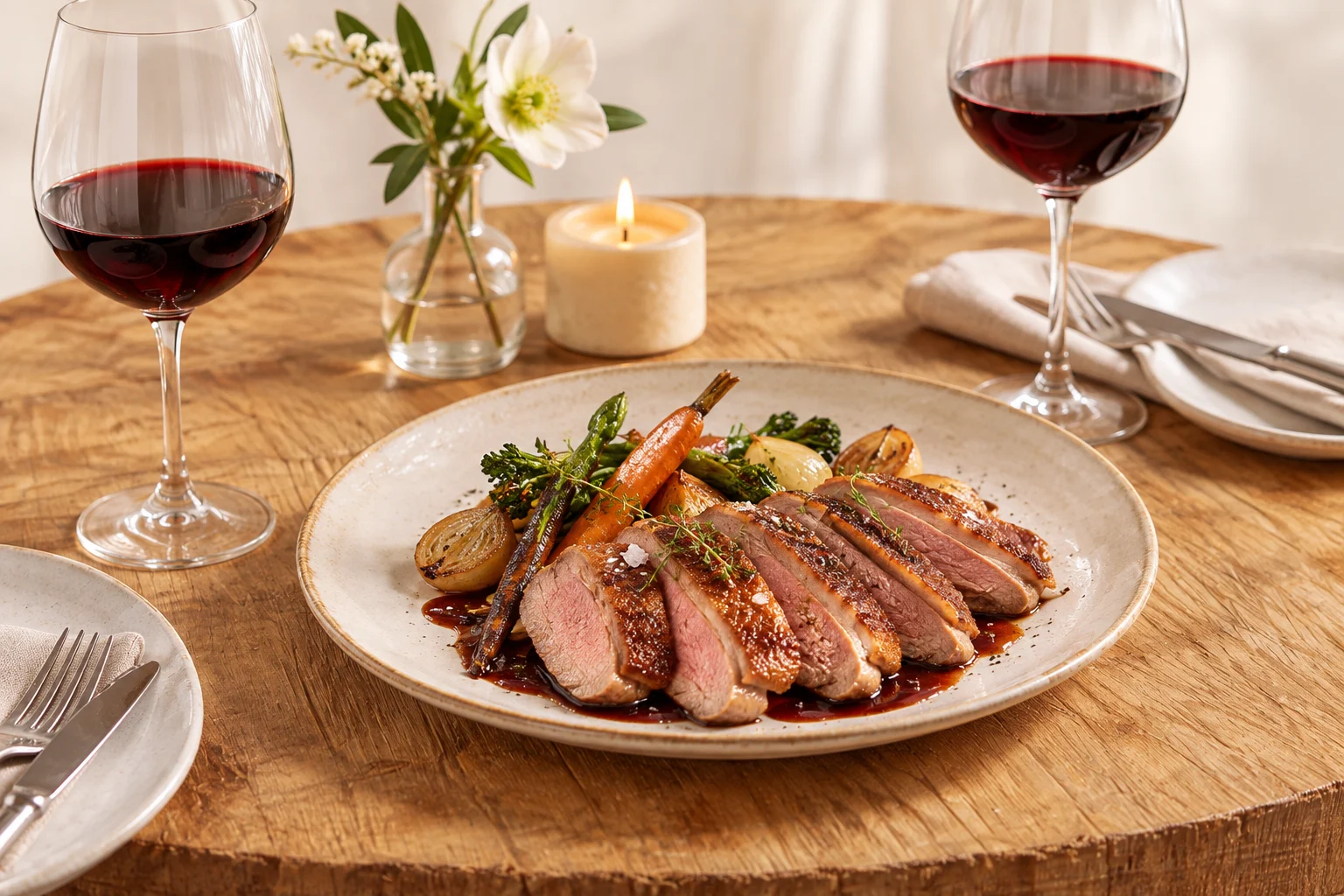
Choose a category to discover dishes that pair well with this wine.
Do you already have a dish in mind?
Let Sommy find wines to pair with your meal.
Discover Wine Trivia
Sign in to unlock fascinating facts about this wine and expand your knowledge.
Sign In