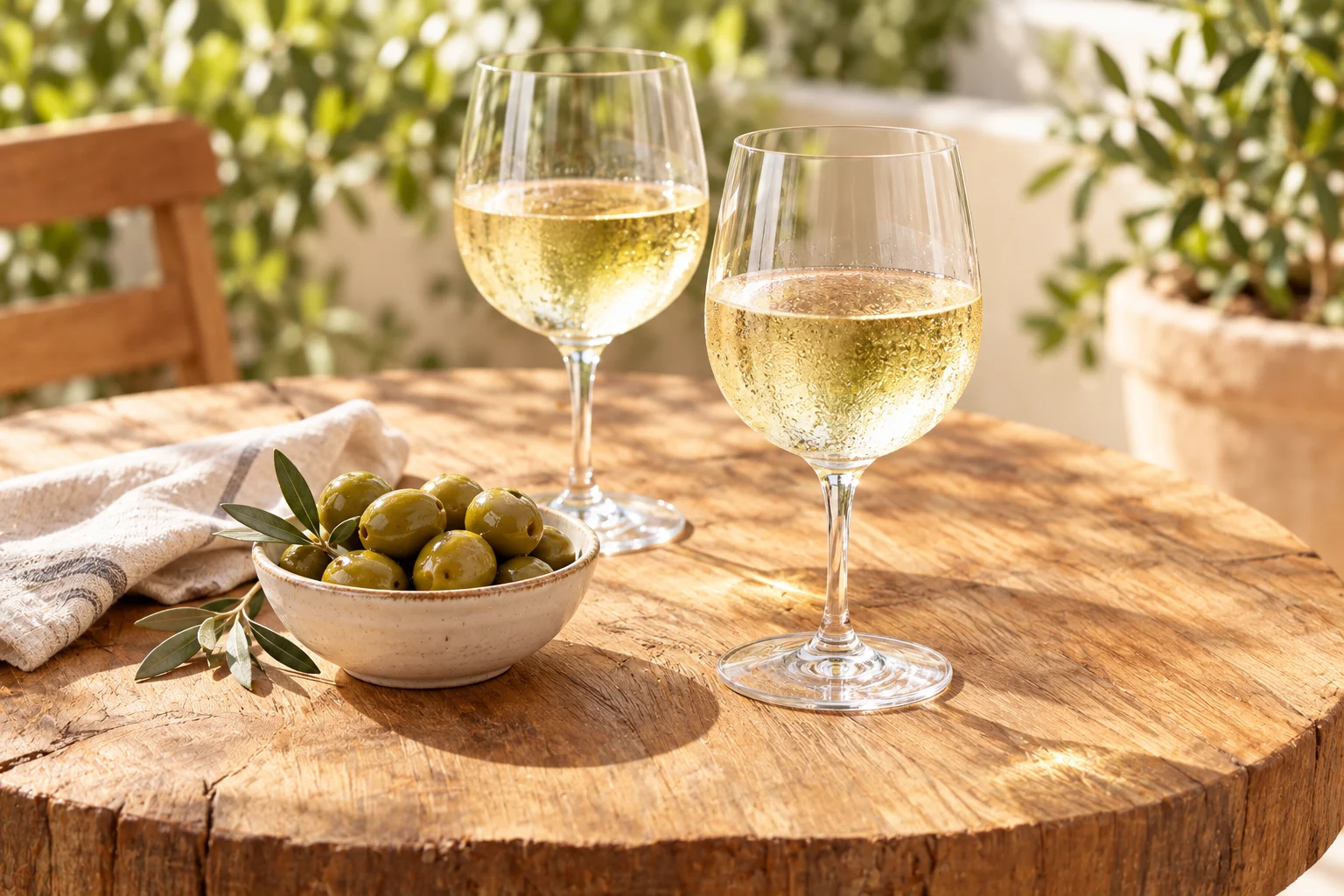
Bordeaux is one of the most iconic wine regions on earth. It is known for its rare red wines that have enormous storage potential. White wines and sweet white wines also come from here, which are loved worldwide.
History of Bordeaux
The Romans were among the first to cultivate vineyards in the Bordeaux region, beginning around the 1st century AD. They recognized the potential of the region's fertile soil and favorable climate for wine production. The city of Burdigala (modern Bordeaux) became an important center for the wine trade. The wine trade in Bordeaux continued to flourish during the Middle Ages. Wine production was mainly centered around monastic vineyards, with the Catholic Church playing an important role in winemaking. Pilgrims traveling to Santiago de Compostela in Spain helped spread Bordeaux's reputation. The marriage of Henry Plantagenet (Henry II of England) to Eleanor of Aquitaine in the 12th century led to a strong bond between Bordeaux and England. This connection brought wines from Bordeaux to the English court, where they became extremely popular. The Hundred Years' War between England and France further strengthened the region's ties with England. The 1259 Treaty of Paris marked the end of the English occupation of Bordeaux. Despite Bordeaux's return to French rule, strong ties with England persisted, and the demand for wines across the English Channel continued.
Bordeaux wines continued to gain international recognition and were highly regarded among European nobility. The Dutch in particular were important importers of Bordeaux wines. During this period, the wines were transported in oak barrels, which helped improve their quality and aging potential. The official Bordeaux wine classification of 1855 is a milestone in the history of Bordeaux. It was created for the Exposition Universelle de Paris to classify the best castles of Bordeaux into different levels of quality. This classification is still in use today and is known for designating the prestigious First Growth (Premier Cru) estates. In the late 19th century, there were significant challenges to wine production in Bordeaux, including the phylloxera epidemic, which devastated vineyards across Europe. Bordeaux, like other regions, had to replant vineyards with American rootstocks to combat the blight. Bordeaux continued to adapt and evolve throughout the 20th century. Winemaking techniques improved and the region embraced modern viticulture. Bordeaux maintained its reputation for quality and consistency, and the region's finest estates became highly sought after by collectors and investors.
Wine production of Bordeaux
Bordeaux is best known for its red wines, usually blends of different grape varieties. The main red grape varieties used in Bordeaux are Merlot, Cabernet Sauvignon, Cabernet Franc, Petit Verdot and Malbec. The specific grape varieties used in a wine depend on the sub-region, chateau and style of the winemaker. Bordeaux also produces white wines, mainly made from Sauvignon Blanc, Semillon and Muscadelle. These white wines can range from dry to sweet, with the famous sweet wines of Sauternes being a notable example. Bordeaux winemakers use a combination of traditional and modern winemaking techniques. These include maceration, fermentation, oak barrel aging and blending. Winemakers often blend different grape varieties to create a balanced and harmonious wine.
Sub-regions
Bordeaux is divided into several sub-regions, each with its own unique characteristics. Some of the most notable sub-regions include:
Pauillac: Known for powerful wines based on Cabernet Sauvignon, with Château Lafite Rothschild and Château Mouton Rothschild among the top estates.
Margaux: famous for its elegant and aromatic wines, home to Château Margaux.
Saint-Julien: Produces well-balanced wines with a reputation for consistency, including Château Léoville-Las Cases and Château Ducru-Beaucaillou.
Saint-Estèphe: Known for structured and tannic wines, with Château Cos d'Estournel and Château Montrose among notable features.
Graves: Located on the Left Bank south of the city of Bordeaux, Graves is known for both red and white wines. The gravelly soils lend their name to the region.
Pessac-Léognan: Home to some of Bordeaux's best red wines, such as Château Haut-Brion. It also produces excellent white wines.
Saint-Émilion: Located on the right bank of the Dordogne River, Saint-Émilion is known for its Merlot-dominant red wines. The region is characterized by limestone-rich soils and is known for producing approachable, luscious wines. Prominent estates include Château Ausone and Château Cheval Blanc.
Pomerol: Also located on the Right Bank, it is known for its Merlot-based wines, which are often considered among Bordeaux's most opulent and rich wines. Notable estates include Château Pétrus and Château Le Pin.
Sauternes and Barsac: In the southern part of Bordeaux, these regions are known for their sweet white wines. Botrytized Semillon and Sauvignon Blanc grapes are used to produce delicious dessert wines, with Château d'Yquem being the best known producer.
Entre-Deux-Mers: The Entre-Deux-Mers region is located between the Garonne and Dordogne rivers and produces mainly white wines from the Sauvignon Blanc, Semillon and Muscadelle grapes. The red wines here are generally less known, but still of good quality.
Bordeaux AOC: The broader Bordeaux AOC covers the entire region, including both the Left and Right Banks. It produces a wide range of wines, from everyday table wines to quality blends. Bordeaux Supérieur is a higher quality subgroup within this appellation.
Côtes de Bordeaux: This appellation includes several sub-regions on the Right Bank, including Côtes de Blaye, Côtes de Bourg, Côtes de Castillon and Côtes de Francs. These areas produce a range of red wines, often offering good value for money.
Blaye en Bourg: Located on the Right Bank, Blaye en Bourg produces a blend of red and white wines, with an emphasis on Merlot-based red wines.
Haut-Médoc: Part of the greater Médoc region, Haut-Médoc includes numerous renowned appellations and is known for producing high-quality, age-worthy red wines.
Grape varieties in Bordeaux
Bordeaux is home to several grape varieties, but the main ones used in its wines are:
Merlot: Commonly found in Right Bank wines, it adds softness and fruitiness.
Cabernet Sauvignon: Predominant in Left Bank wines, it contributes structure and ripeness.
Cabernet Franc: Often used for blending, it adds aromatic complexity and finesse.
Petit Verdot and Malbec: Used in smaller quantities for blending, adding depth and character.
Sauvignon Blanc and Semillon: Used for white Bordeaux wines, with Sauvignon Blanc providing acidity and Semillon providing body and richness.
Terroir of Bordeaux
The terroir of Bordeaux is diverse and plays a crucial role in the character of the wines. The region's terroir is influenced by the Gironde River, which splits Bordeaux into two banks, the Left Bank (west) and the Right Bank (east). The Left Bank is known for its gravelly soils, which are well suited to Cabernet Sauvignon, while the Right Bank has clay and limestone soils, more favorable to Merlot.
The climate in Bordeaux is maritime, with the moderating influence of the Atlantic Ocean. This climate, combined with the diverse soils, allows Bordeaux to produce a wide range of wines, from the tannic and structured wines of the Médoc to the lush and accessible wines of Saint-Émilion and Pomerol.
Bordeaux's rich history, diverse terroir and tradition of winemaking excellence have cemented Bordeaux's status as one of the world's most renowned wine regions, with a global reputation for producing some of the finest wines available.