

2018 Pierre-Yves Colin-Morey Chassagne-Montrachet 1er Cru Morgeot

- 100%
- Enjoy now or cellar until 2038
- Serve at 10-12°C
- Perfect with Gevogelte
Available as of Nov 19, 2026
Ordering in bulk? Log in to request a quote
In stock
6 items available
- 100%
- Enjoy now or cellar until 2038
- Serve at 10-12°C
- Perfect with Gevogelte
Available as of Nov 19, 2026
How does this wine taste?
How full and heavy the wine feels in your mouth, like the difference between skimmed milk and cream. More alcohol, sugar and oak ageing make a wine fuller.
How much sugar you taste, from dry to sweet. Fruity is not the same as sweet: a dry wine can taste of ripe fruit.
How fresh and juicy the wine is: acidity makes your mouth water. High acidity tastes lively and refreshing, low acidity soft and round.
What we taste What you taste Click a taste for what it means
The bars follow how sommeliers taste (WSET): body, tannin, sweetness and acidity, each from low to high.
Body: full-bodied. Like most white wines from Côte de Beaune; 13% alcohol.
Acidity: fairly high. from the fairly cool climate of .
Aromas: stone fruit, tropical fruit and orchard fruit, typical of
Nothing noted for this wine yet. What do you smell, and how long does the taste linger?
Have you tasted this wine?
Save your rating and notes.
Save your rating and notes.
Have you tasted this wine?
Log in to save your tasting note.
Log in to save your tasting note.
Log inThe Pierre-Yves Colin-Morey Chassagne-Montrachet 1er Cru Morgeot encompasses his holdings at Abbaye de Morgeot and Les Fairendes, two lieux-dits he has bottled separately in the past. With aromas of pear, beeswax, freshly baked bread, toasted almonds and crushed mint, it is medium to full-bodied, elegantly muscular and sharp, with lively acidity, fine concentration and a long, mineral finish.
FACT: The wine is in our conditioned Wine Warehouse and if you come to pick up the wine you will often also receive a nice discount. You will see the possible discount immediately if you choose Pick up on the Checkout page. We are almost next to the Rijksweg with plenty of parking. Click here for address.
ABOUT MORGEOT VINEYARD
The Morgeot vineyard is one of the most important and renowned Premier Cru vineyards in Burgundy, located in the Chassagne-Montrachet appellation in the Côte de Beaune. Chassagne-Montrachet is known for both white and red wines, but the white wines – made from Chardonnay – are the most internationally appreciated. Morgeot plays a key role in this, with the complex and rich wines that come from this special terroir.
Location and terroir
Morgeot is located in the southern part of the Chassagne-Montrachet appellation and includes several “lieux-dits” (specific parcels within the vineyard) that together form the Premier Cru classification. The terroir of Morgeot is characterized by a chalky subsoil, with clay and limestone as the main components of the topsoil. This soil composition is perfect for growing Chardonnay grapes, as it provides a unique combination of minerality, freshness and concentration in the wines.
History
The Morgeot vineyard has a long history dating back to the Middle Ages when the area was part of a monastery run by Cistercian monks. The Morgeot monastery had a great influence on the wine growing in this area, and the vineyard derives its name from it. The vineyards were planted and cultivated by the monks, and their influence on the wine growing in Burgundy is still felt today.
Wines from Morgeot
While Chassagne-Montrachet is known for both red and white wines, Morgeot is primarily known for its white Chardonnay wines. These wines are known for their robust structure and rich flavors, with aromas of ripe fruits such as peach and apricot, along with buttery and nutty notes typical of Burgundian Chardonnay. They also often display mineral notes that are a clear reflection of the chalky terroir.
White wines from Morgeot tend to be slightly fuller and more powerful than those from other Premier Cru vineyards in Chassagne-Montrachet, making them particularly attractive to lovers of rich, complex Burgundy wines. Although less common, red wines (made from Pinot Noir) are also produced in Morgeot. These red wines tend to be robust, with notes of red fruits such as cherries and raspberries, but they also have an earthy undertone that characterizes them. The clay in the soil gives the red wines a full structure and firm tannins.
Character
The wine
- 100%
Origin
Bottle
Wine features
Parker
The Wine Advocate
RP (92-94)
Reviewed by:
William Kelley
Release Price:
NA
Drink Date:
N/A
The 2019 Chassagne-Montrachet 1er Cru Morgeot incorporates his holdings in the Abbaye de Morgeot as well as Les Fairendes—two lieux-dits that he has, in the past, bottled separately. Exhibiting aromas of pear, beeswax, freshly baked bread, toasted almonds and crushed mint, it's medium to full-bodied, elegantly muscular and incisive, with lively acids, fine concentration and a long, mineral finish.
Clashing diaries, unanticipated accidents and then a global pandemic had conspired to frustrate my attempts to taste with Pierre-Yves Colin for over a year, but my perseverance was ultimately rewarded with the chance to sample his bottled 2018s and still maturing 2019s this fall. We discussed a number of topics. Most obviously, we talked of the 2019 vintage, where Pierre-Yves remarked on the importance of catching the right harvest date and how he has blocked the malolactic fermentation of one or two barrels per cuvée not so much as to retain freshness as to preclude any excess aromatic exoticism (he did the same in the very different 2008 and 2013 vintages with much success). We also surveyed winemaking practices: since moving to his new, much colder cellars in Chassagne-Montrachet, he finds his wines retain significantly more free sulfur dioxide for any given addition, and he now feels he added more than was necessary—given these altered conditions—to his 2015s, 2016s, and 2017s. So, some subtle adjustments have now been made in this regard, and readers can expect the wines to be a little less buttoned up out of the gates than has been the case in those three vintages. Now Pierre-Yves has so much space, he's also thinking about further extending the élevage of his lower appellations: in the next two or three years, he's contemplating fermenting and maturing them in 350-liter barrels for a year, before racking them to tronconic wooden vats for further time on the lees.
We also talked of this history of the Pierre-Yves Colin-Morey label, and that bears reiterating here to help readers better understand these wines. In its inception, this was a négociant label, with Pierre-Yves depositing empty (new) barrels with his suppliers and collecting them when they had been filled: in 2001, he debuted with six barrels; in 2002, 12, and by 2005, the last year of exclusively négociant production, fully 28 barrels. Since then, Pierre-Yves has gradually augmented his domaine holdings, beginning with his 13-hectare share of Domaine Marc Colin and supplemented by seven hectares inherited by his wife, Caroline Morey. Concomitantly, his purchases as a négociant have diminished; and when he does buy, he prefers (quite naturally) to buy in fruit than in must. Some of the parcels whose grapes he purchases, he farms, as is the case with his Bâtard-Montrachet, Corton-Charlemagne and some of his communal Meursault cuvée. And sometimes, even if he doesn't farm the parcel, it's his team that picks at harvest time: this is the case for his Meursault Perrières. Purchased grapes, it's worth noting, are never vinified together with domaine fruit, so every cuvée consists of either one or the other. In resumé, then, this is the story of a négociant label that has become more and more of a domaine—and not remotely the reverse, a claim I recently overheard (and contradicted).
Published: Jan 14, 2021
Lorem ipsum dolor sit amet, consectetur adipiscing elit. Sed do eiusmod tempor incididunt ut labore et dolore magna aliqua...
Exclusive Content
Sign in to unlock professional wine reviews from world-renowned critics
Pierre-Yves Colin-Morey is a winemaker known for his exceptional wines from Burgundy. Pierre-Yves, born in 1972, is the son of Marc Colin, a leading winemaker in Burgundy. Pierre-Yves initially worked with his father at Domaine Marc Colin, but in 2005 he decided to set up his own domain.
History of Pierre Yves Colin Morey
He is the son of Marc Colin, a well-known winemaking family in the village of St. Aubin. Pierre-Yves is a very talented winemaker who has been responsible for vinification on his parents' estate for quite some time. In 2001 he started his own domain and further perfected winemaking. Pierre-Yves, for example, is a fierce opponent of bâtonnage, the constant stirring of fermenting must. He also likes to work with demi-muids, barrels of 500 and 600 liters instead of the usual 225 liter barrels. The barrels are not toasted, there is only a light roast for protection, so that the pores can close.
Production by Pierre Yves Colin Morey
The greatest discovery of the last ten years in the field of white Burgundy is probably Pierre-Yves Colin. In 2001, Pierre-Yves started as a micro négociant in “haute couture” wines. At that time he also worked for his father, the well-known and respectable winegrower Marc Colin from Saint-Aubin. But Pierre-Yves wanted to make even better wines and his father did not give him those opportunities (according to Pierre Yves). Ultimately this resulted in a break and from 2005 Pierre-Yves could fully focus on his own company. The vast majority of the wine comes from our own grapes. In addition, Colin also purchases grapes every year from several fellow producers whom he personally knows well. The work in the vineyard and harvesting takes place under the supervision of Pierre Yves and his team, so that he has full control over the quality. His enormous drive, almost bordering on obsessive, to make only the best possible (whether it is a Bourgogne Blanc or his Montrachet) largely explains his success. Kegs or cuves that for one reason or another do not meet his high standards are sold to the trade, even though he has to make a significant financial commitment. In the cellar, Pierre Yves opts for a long education. Naturally, the wines ferment on their own (natural) yeasts. They are then aged for a long time in wooden barrels with a capacity of 350 liters. The wines mature for about 14 to 20 months on their fine lees (no batonnage takes place). Pierre Yves is a firm believer in a long upbringing. To prevent premature oxidation, the wines are given sulfite in small doses and the extent to which it has been absorbed by the wine is measured after a few weeks. Only the very best (untreated) corks are used and the bottles are closed with wax capsules.
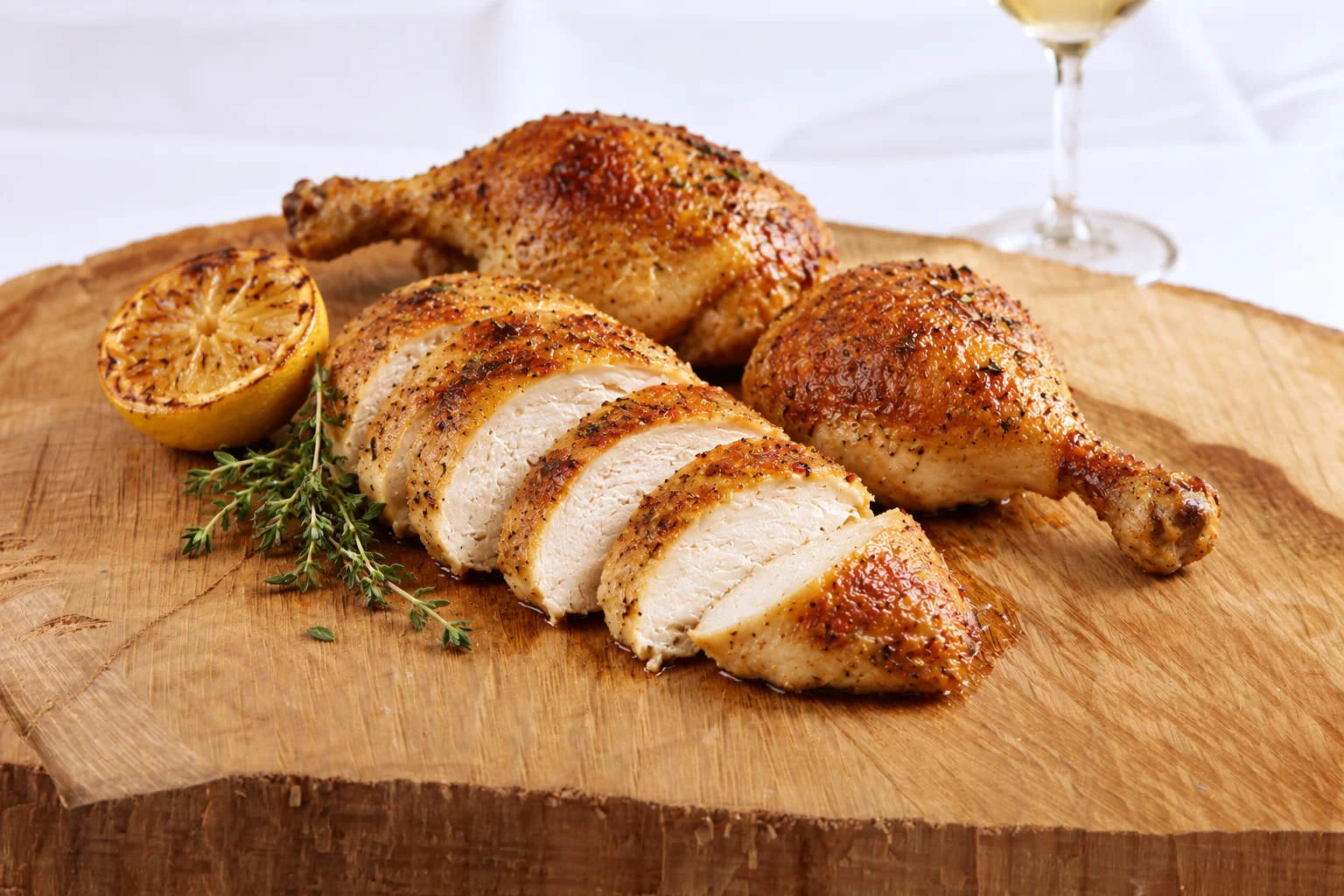
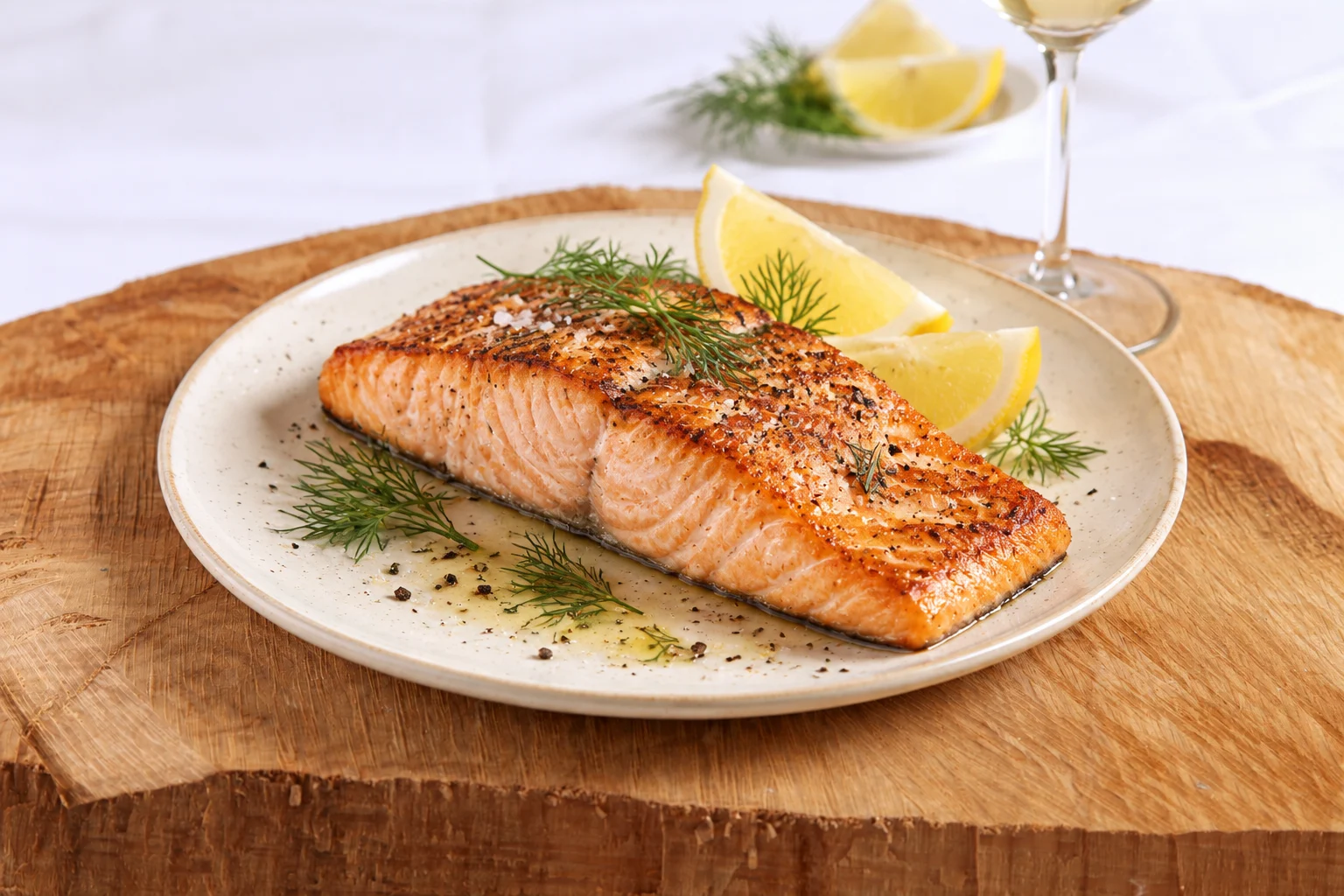
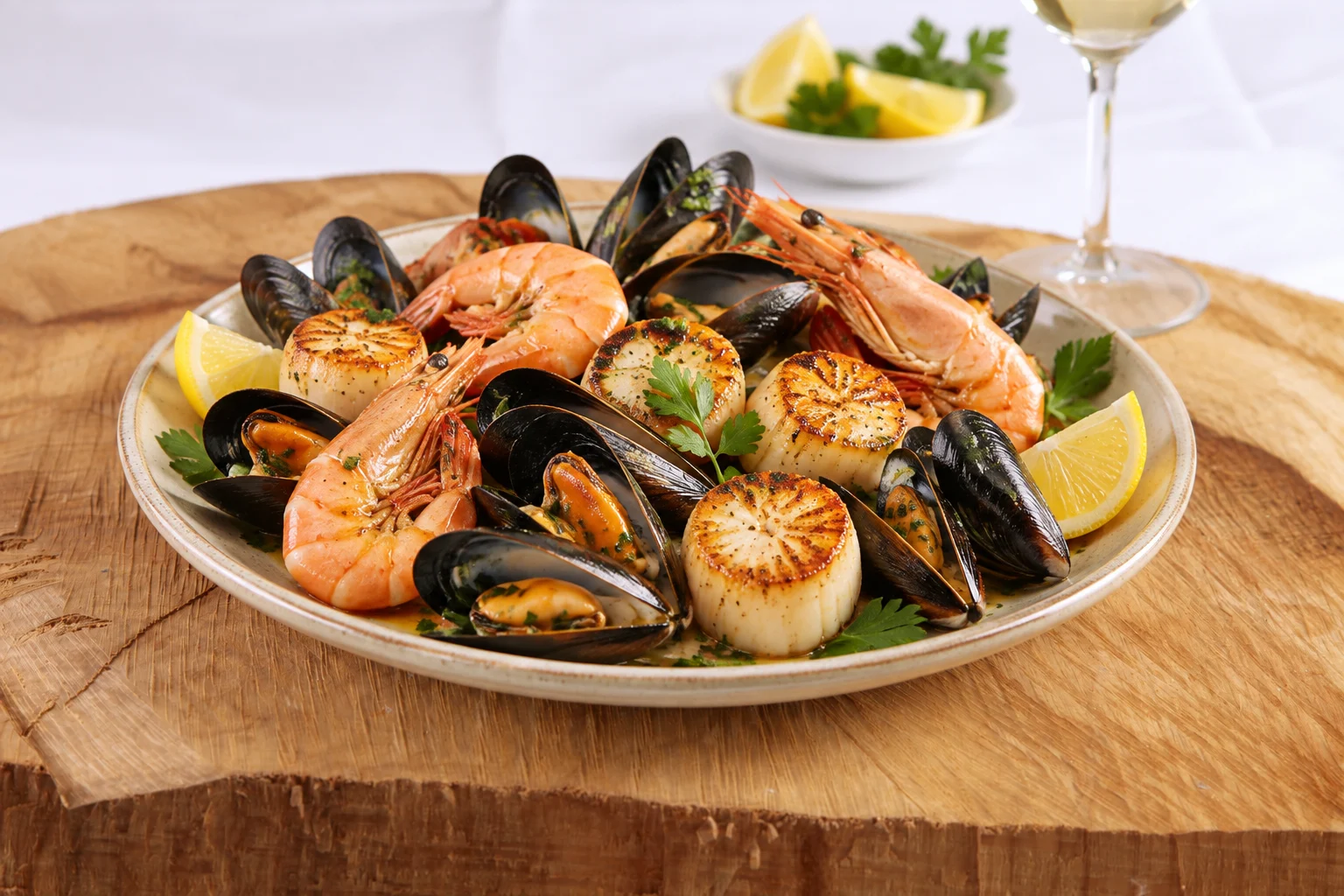
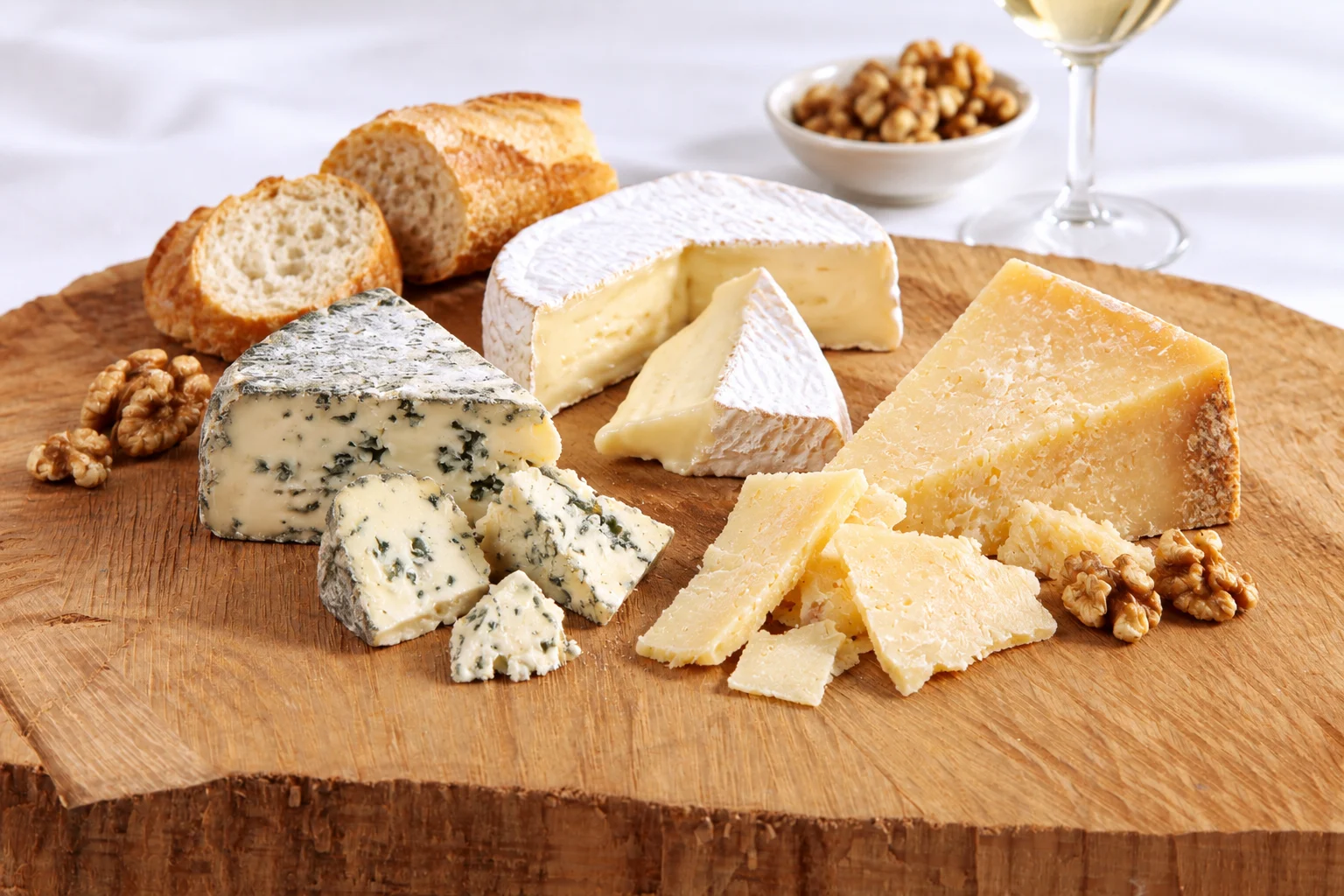
Deze 2018 Pierre-Yves Colin-Morey Chassagne-Montrachet 1er Cru Morgeot toont aroma's van peer, bijenwas, versgebakken brood en geroosterde amandelen met een vleugje gemalen munt, medium tot vol van body, levendige zuren en een lange minerale afdronk. De frisse zuurgraad en minerale scherpte snijden mooi door vette texturen waardoor de wijn uitstekend past bij gevogelte, vette vis, schelp- en schaaldieren en rijke kazen; de notige, briocheachtige tonen vullen boterige sauzen en geroosterde smaken prachtig aan. Probeer hem bij langzaam geroosterde kip of eendenborst, bij in de pan gebruinde zalm met bruine botersaus of gegrilde coquilles, en bij gerijpte Comté of een romige chèvre voor maximale harmonie.
Choose a category to discover dishes that pair well with this wine.
Do you already have a dish in mind?
Let Sommy find wines to pair with your meal.
Discover Wine Trivia
Sign in to unlock fascinating facts about this wine and expand your knowledge.
Sign In