

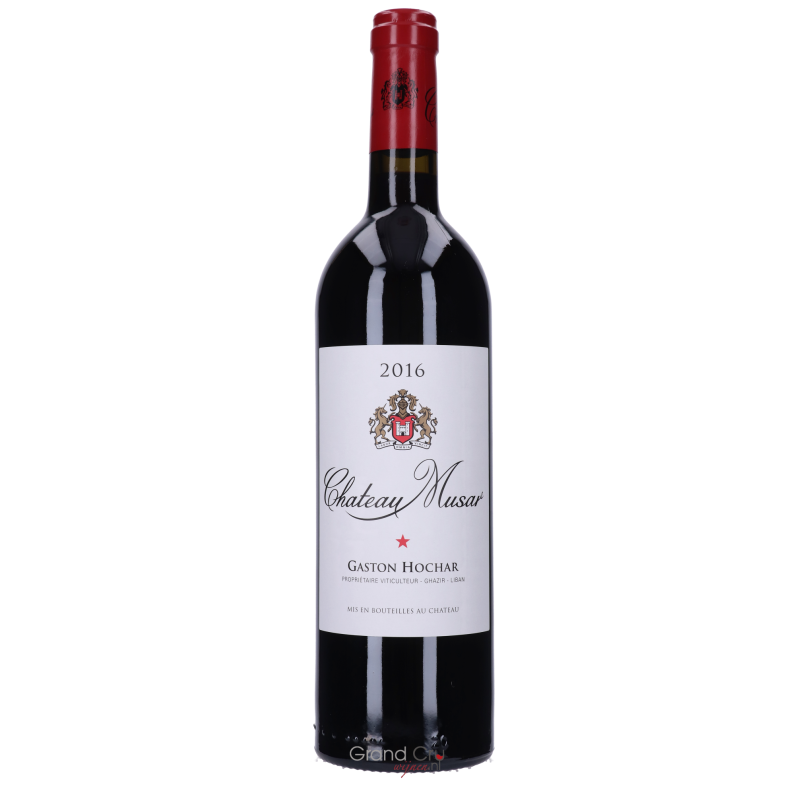
2016 Chateau Musar Bekaa Valley Rouge Library Collection
How does this wine taste?
How full and heavy the wine feels in your mouth, like the difference between skimmed milk and cream. More alcohol, sugar and oak ageing make a wine fuller.
The drying, grippy feel on your gums and tongue, as with strong tea. It comes from the skins and seeds of black grapes and from oak, and softens with age.
How much sugar you taste, from dry to sweet. Fruity is not the same as sweet: a dry wine can taste of ripe fruit.
How fresh and juicy the wine is: acidity makes your mouth water. High acidity tastes lively and refreshing, low acidity soft and round.
What we taste What you taste Click a taste for what it means
The bars follow how sommeliers taste (WSET): body, tannin, sweetness and acidity, each from low to high.
Body: full-bodied. Like most red wines from ; 14% alcohol.
Tannin: firm. From ; aged in oak.
Sweetness: dry. Red wine from is almost always dry.
Acidity: medium. from the warm climate of .
Aromas: dark fruit and green notes, typical of
Nothing noted for this wine yet. What do you smell, and how long does the taste linger?
Have you tasted this wine?
Save your rating and notes.
Save your rating and notes.
Have you tasted this wine?
Log in to save your tasting note.
Log in to save your tasting note.
Log inLibrary Stock Chateau Musar - Exclusive offer of older vintages of Chateau Musar Red. Unique and very limited. From the cellars of Chateau Musar.
Chateau Musar is considered one of the most unique wine estates in the world. This is partly due to its location, Lebanon's Bekaa Valley, and partly due to the strictly traditional methods used there. The vineyards are situated on siliceous limestone-clay soils at an altitude of around 1,000 meters. The long, warm summers guarantee excellent grape ripeness. Owner Serge Hochar, who was previously named Winemaker of the Year by the English magazine Decanter Magazine, also received his wine training in France.
Expectations for the 2016 harvest were clearly influenced by concerns about the poor weather of 2015. Nothing could be further from the truth. December 2015 got off to a positive start with 130 mm of precipitation. This was followed by 360 mm in January, accompanied by abundant snow, providing the soils with much-needed moisture and nutrients. February and March proved cold and rainy, with another 300 mm of precipitation, which was greatly welcomed by the dry terrain. April was warm, with an average nighttime temperature of plus 5 degrees Celsius, compared to the minus 5 of the previous year. May brought 45 mm of rain, enough to stimulate the vines, and from that moment on, expectations for this year's harvest began to rise. A sunny June followed with low humidity, and in July, we enjoyed an average temperature of 34 degrees Celsius throughout the month. Thanks to the early ripening, the harvest could begin much earlier than in all previous years! Cabernet Sauvignon was the first to be harvested on August 16th, from silty soils that encouraged early ripening. Cinsault followed on September 2nd, with Carignan on September 7th.
The blend consists of equal parts Cabernet Sauvignon, Cinsault, and Carignan. Each varietal was fermented with natural yeasts in concrete vats, then aged for 12 months in French oak barrels before being blended and bottled in February 2019 without fining or filtration during the summer months of July and August. Fermentation proceeded smoothly, with an average temperature between 27 and 29 degrees Celsius in concrete vats. After the separate fermentations, the Cabernet proved to be excellent, with great depth of fruit and concentration. Cinsault was elegant and silky with an explosion of aromas. As usual, Carignan showed its quality, a result of the warm conditions that resulted in lower grape yields but higher concentration. This is an exceptional grape, truly typical of the Bekaa terroir. The wine will be released in the Netherlands in late spring 2022.
The 2016 Musar has a deep red color, with aromas of sweet cherries, plums, and dried fruit, along with a subtle spice and a hint of tobacco. The wine has a soft, round mouthfeel with plenty of flavor and fruit concentration—caramel, mocha, and ripe red fruit—supported by soft, velvety tannins and a spicy finish. Delicious to drink now, but as with all Musars, this wine also ages beautifully.
FACT: Under the "Attachment" tab, you'll find the official fact sheet for this wine. We'll automatically send it to you digitally when you order this wine.
Character
The wine
- 100%
Origin
Bottle
Wine features
Winemaking in Lebanon is far from a modern phenomenon. In the Beqaa Valley, evidence of wine production dates back to the Bronze Age, with the Phoenicians being among the earliest to cultivate vineyards. The famous Bacchus Temple in Baalbek also stands as a testament to the Roman's involvement in winemaking in the region.
Château Musar: a legacy of winemaking in Lebanon
The Beqaa Valley is an ideal location for grape cultivation. The valley is about eight kilometers wide and situated between two mountain ranges at an elevation of approximately 1,000 meters. This high altitude creates a unique microclimate where the intense heat of the day is offset by cool nights, allowing the grapes to retain their fruity aromas. Additionally, meltwater from the mountains ensures a reliable water supply, while the soil—comprising loam, pebbles, and gray limestone—provides a healthy environment for the vines.
Despite the ongoing conflict in the region, winemaking has persisted. The only exceptions were during the years 1976 and 1984, when war prevented wine production. Grapes had to be transported nearly 100 kilometers through conflict zones to reach the winery, located just north of Beirut.
The revival of Lebanese winemaking because of Château Musar
After a long hiatus due to Islamic rule, which imposed a ban on alcohol production for over a thousand years, winemaking in Lebanon was revived by Jesuit priests in 1857. In 1930, Gaston Hochar founded Château Musar during the French mandate period. He sourced grapes from the Beqaa Valley and established a winery and cellar on the western slopes of Mount Lebanon, in Ghazir, just north of Beirut. Hochar received guidance from French professors in setting up his winery.
The Influence of Serge Hochar
Gaston Hochar's son, Serge, played a pivotal role in bringing Château Musar to global recognition. After training at Château Langoa-Barton in Bordeaux, Serge Hochar developed his own philosophy of winemaking. He favored a unique blend, combining the firm and robust structure of Cabernet Sauvignon with the fruit-forward character of Rhône varietals such as Carignan and Cinsault—a blend rarely seen elsewhere.
Serge Hochar was committed to natural winemaking techniques, using wild yeasts, avoiding fining and filtering, and famously describing his wines as "wines without makeup." The red wines from Château Musar are aged for an average of 12 months in French oak barrels that are not toasted, followed by several years of cellar aging. The final blend is determined purely by taste, with each vintage offering distinct characteristics.
The unique style of Château Musar wines
The red Château Musar is an exceptional and traditional wine, often considered old-fashioned in style. Its color is never truly dark, usually exhibiting a brownish hue, with notes of spices and a subtle herbal quality in both aroma and flavor. These wines have remarkable aging potential, with Serge Hochar recommending they be enjoyed at their peak after 15 years. Each vintage reflects its own personality, and the wines are renowned for their distinctive character and ability to age gracefully.
Château Musar continues to be celebrated worldwide for its commitment to tradition and unique winemaking approach.
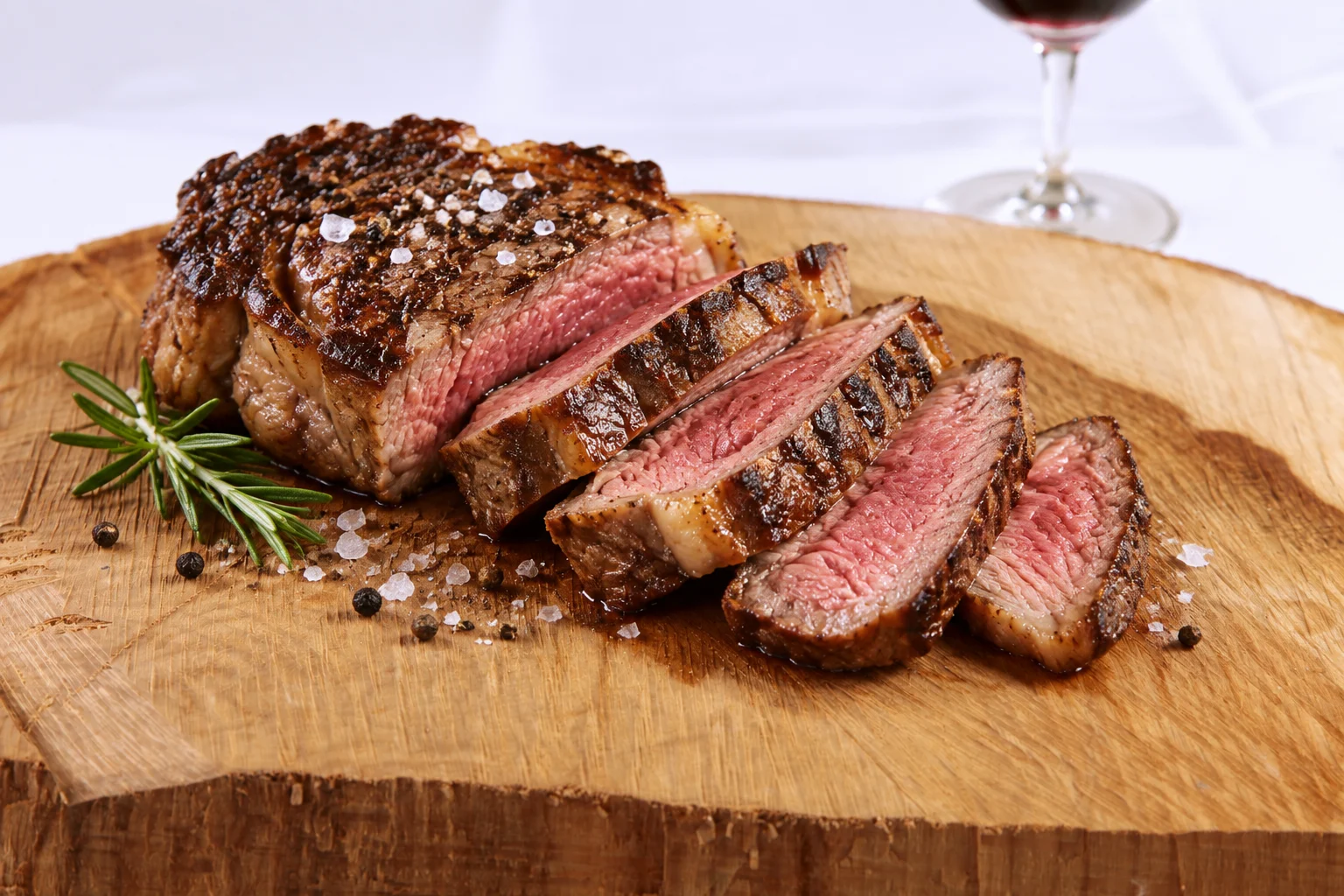
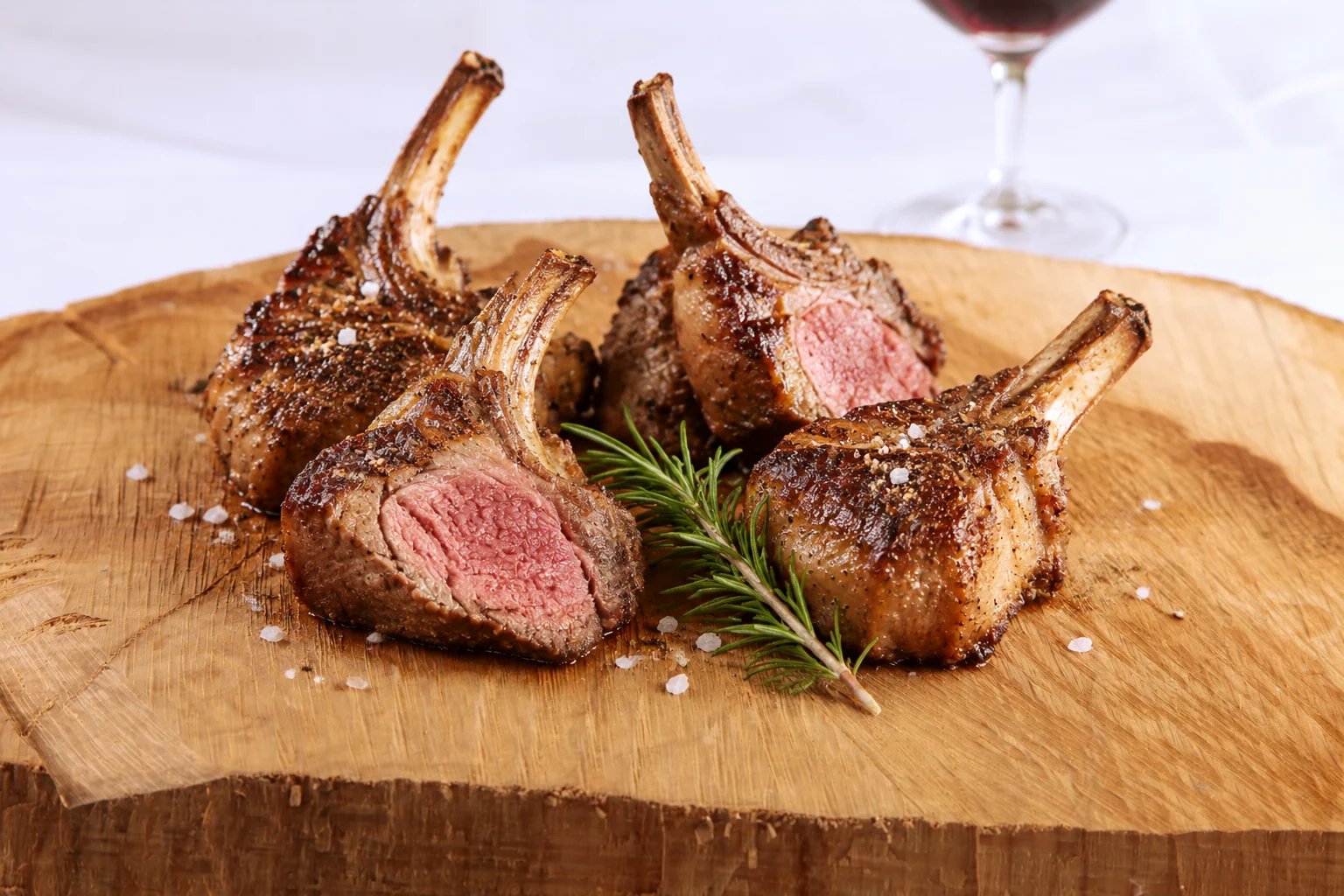
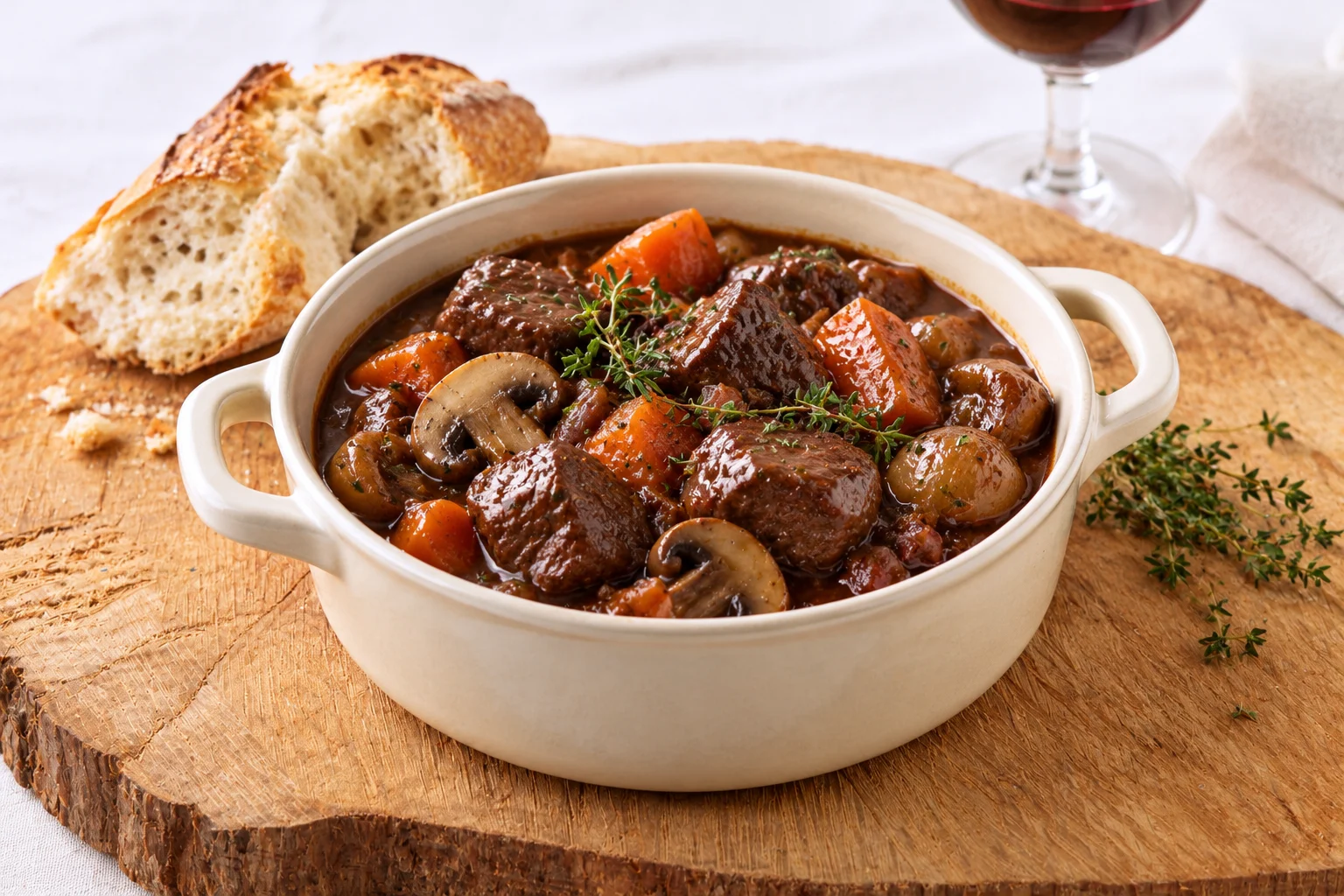
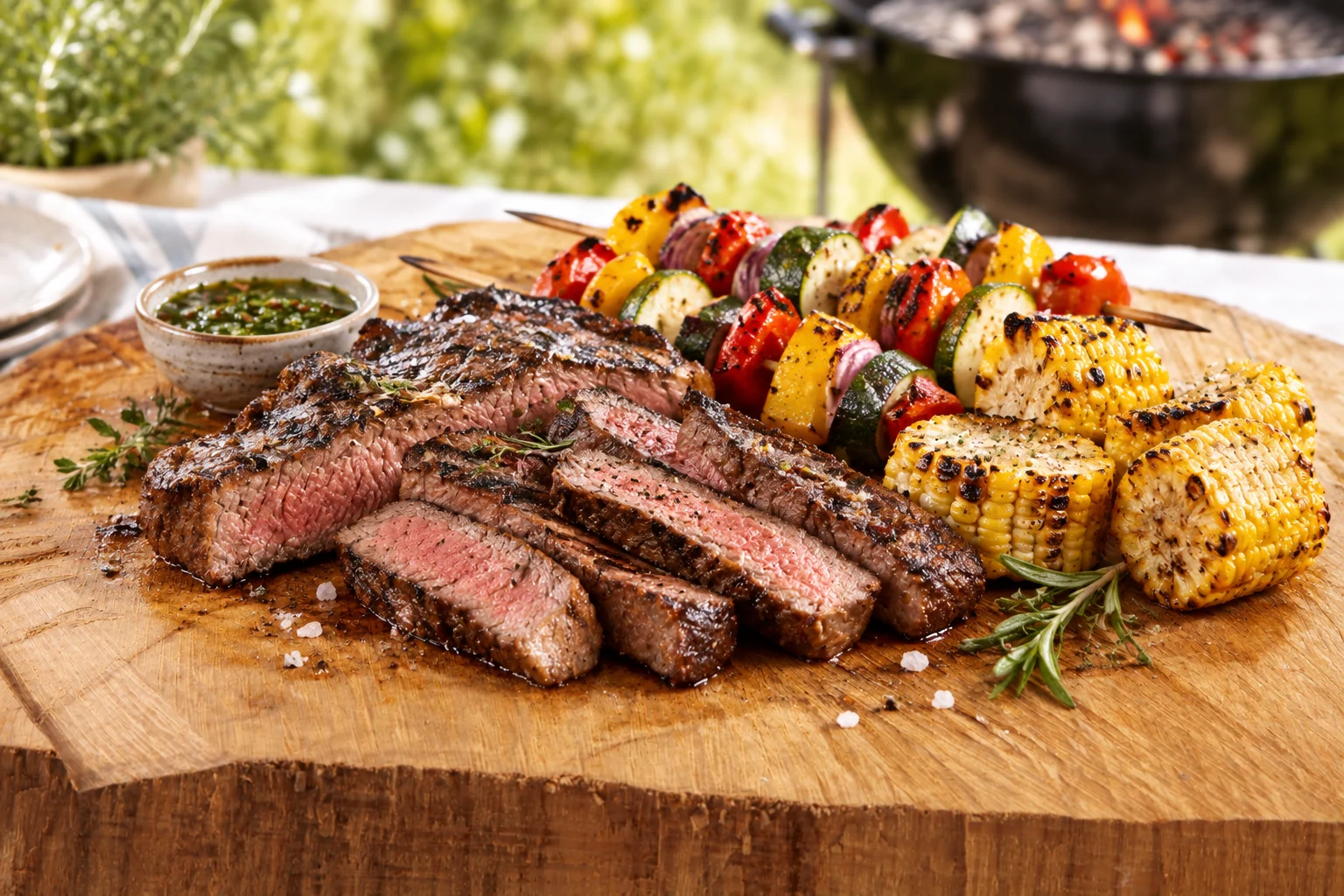
Deze 2016 Chateau Musar Bekaa Valley Rouge toont een diepe, rijpe fruitexpressie van zoete kersen, pruimen en gedroogd fruit, aangevuld met subtiele kruiden, tabak, mokka en zachte, fluweelachtige tannines die voor een ronde, geconcentreerde mond zorgen. Dankzij die rijpe fruitconcentratie, de milde tannines en het kruidige karakter vormt deze wijn een ideale partner voor rundvlees, lam, stoofschotels en barbecue, waarbij langzaam gegaarde stoofpotten en confit- of braadstukken de rijke smaken versterken en gegrild of geroosterd vlees met een beetje rokerigheid en kruiding de mokka- en tabaktonen mooi laten terugkomen.
Choose a category to discover dishes that pair well with this wine.
Do you already have a dish in mind?
Let Sommy find wines to pair with your meal.