

2015 Daniel-Etienne Defaix Chablis 1er Cru Vaillon
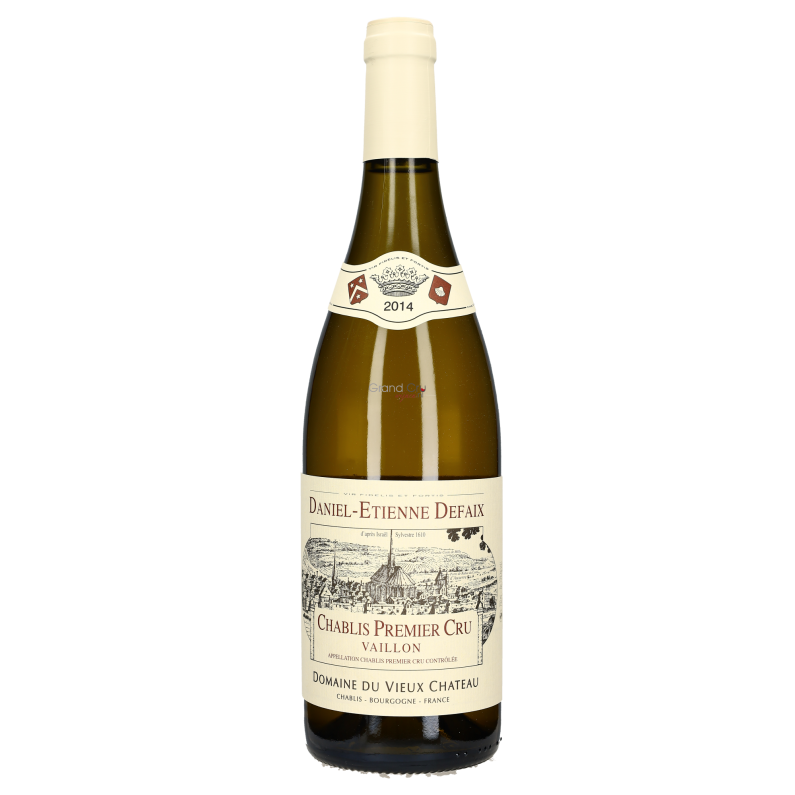
De specificaties zoals vermeld bij de wijn (o.a. wijnjaar) en in de titel zijn leidend en er kunnen geen rechten worden ontleend aan de afbeelding die wordt getoond. Lees meer in onze Frequenty asked questions
How does this wine taste?
How full and heavy the wine feels in your mouth, like the difference between skimmed milk and cream. More alcohol, sugar and oak ageing make a wine fuller.
How much sugar you taste, from dry to sweet. Fruity is not the same as sweet: a dry wine can taste of ripe fruit.
How fresh and juicy the wine is: acidity makes your mouth water. High acidity tastes lively and refreshing, low acidity soft and round.
What we taste What you taste Click a taste for what it means
The bars follow how sommeliers taste (WSET): body, tannin, sweetness and acidity, each from low to high.
Body: full-bodied. Fuller than most white wines from Chablis & Grand Auxerrois; 13% alcohol.
Acidity: fairly high. from the cool climate of Chablis & Grand Auxerrois.
Aromas: stone fruit, tropical fruit and orchard fruit, typical of
Nothing noted for this wine yet. What do you smell, and how long does the taste linger?
Have you tasted this wine?
Save your rating and notes.
Save your rating and notes.
Have you tasted this wine?
Log in to save your tasting note.
Log in to save your tasting note.
Log inDaniel-Etienne Defaix is the owner of one of the oldest estates in Chablis. For four centuries, the Defaix family has been winemakers from father to son. The family estate is situated on the oldest terroirs of Chablis, where monks at Pontigny made a selection a thousand years ago. The privileged exposure of the monks of Pontigny was, and still is, a hill with a high southeast-facing slope. An advantage for Chablis, which often struggles with frost in the spring, this privileged spot catches the sun's rays first, resulting in far fewer harvest losses. Daniel-Etienne Defaix is the undisputed master of 'long-aged Chablis'. There is no rush, and they firmly believe that the wines must mature; this is evidenced by the fact that they only release their Premier Crus after around 8-12 years, but we have personally drunk vintages 30 years and older, and these were even more than fantastic. These long-aged Chablis from vintages can also be ordered by us upon request, and naturally, we have some of our own in our assortment. However, what makes this estate so unique is not just the fact that no wood is used during the production process. The unique fruit from the old vines of the vineyards and time do their work, turning every production into gems.
The Daniel-Etienne Defaix Chablis 1er Cru Vaillon only became available in small quantities after 11 years and was not bottled until 2025. The soil of the old Chardonnay Premier Cru vineyard is very old, situated on very poor soils of limestone, marl, and some iron ore, and has a southeast exposure. As 'Master of the Long Elevage', everything is given time at Daniel-Etienne Defaix, and this applies especially to his Premier Crus, which are often released on average only after 8-12 years, and by then the wine is often still a baby. Alcoholic fermentation with natural yeast at 18°C lasts approximately 3 weeks. Afterwards, the wine ages for at least 18 months with monthly stirring of the fine lees and then remains in tanks for at least 10 years before bottling.
The fruity and spicy notes of the Vaillon Premier Cru vineyard terroir slowly emerge with some swirling in the glass, but then the wine's power awakens with buttered brioche, mirabelle accents, and candied apple. On the nose, the Daniel-Etienne Defaix Chablis 1er Cru Vaillon further reveals aromas of citrus, beeswax, fresh peach, and dried white flowers, followed by a medium to full-bodied mouthfeel with an abundant and satiny palate, lively acidity, and a broad, expansive finish.
ABOUT CHABLIS
Millions of years ago, the area around the present-day town of Chablis was covered by the sea. During the Jurassic period, the sediment-enriched clay of the Chablis region began to form, and it is this clay that gives Chablis wine its unique elegance, freshness, and complexity. Until the nineteenth century, vineyards occupied a larger area around the town of Chablis, on the Serein river, roughly halfway between Dijon and Paris. However, the region fell victim to a phylloxera epidemic that damaged most of the vineyards. Terroir in Chablis, however, did not change. Cultivated hectares decreased significantly (from about 100,000 hectares in the entire department at the end of the 19th century to 10,000 hectares in the Chablis region today), but the soil, the climate, and the expertise of the winemakers did not.
Wines from Chablis are classified as follows:
- Grand Cru , the crème de la crème. These come from vineyards north of the town of Chablis, on a steep, south-facing slope. On the Route de Tonnere, it is about a mile (less than two kilometers) from the junction with the D91 to the junction with Rue Blanchot. Here, varying in altitude from 135 to 220 meters, you will find the best vineyards of Chablis: Bougros, Les Preuses, Vaudésir, Grenquilles, Valmur, Les Clos, and Blanchot.
- Premier Cru , excellent wines from vineyards cultivated on favorably situated slopes, scattered throughout the area. Vau Ligneau, Vau de Vey, and Côte de Léchet are narrow strips of land on steep slopes to the east-west of the village of Milly; Vosgros is a comma-shaped, west-facing vineyard on the northern part of a hill called Paradis, at an altitude of 590 to 689 feet (180 to 210 meters).
- Chablis, the designation given to good but not great wines that still benefit from the Chablis terroir. The vineyards involved are often less steep or not as well-oriented compared to the vineyards that produce higher-rated wines.
- Petit Chablis , wines that deserve the name Chablis but fall short of others from the region because they are made from grapes grown on less than ideal soil or on north-facing slopes. (The word "petit," meaning "small," is a kind of quality indicator, as if "Petit Chablis" is the little brother of larger Chablis wines.)
Character
The wine
- 100%
Origin
Bottle
Wine features
With roots that are almost as deep as those of Chablis itself, a domain that has been passed down from father to son for 4 centuries, mostly old vineyards that almost all carry 1er or Grand Cru status and are mainly oriented south-east, all facets are available to make great wines. What makes this domain so unique, however, is not only the fact that no wood is used during the production process, but above all the fact that their top wines are marketed when they believe they are ready to drink, which can take up to 10 years to last.
Daniel-Etienne Defaix owns one of the oldest estates in Chablis. The Defaix family has been winemakers from father to son for 4 centuries. The family estate is located on the oldest terroirs of Chablis, where monks at Pontigny selected a thousand years ago to create the Chablis Appelation. Daniel-Etienne DEFAIX continues the secular and family tradition. The work on the vines remains traditional because a clean and healthy vineyard produces good quality grapes and therefore wines. The domain is 28 hectares, planted with Chardonnay on a typical soil called "kimmeridgien" (Jurassique supérieur, a marne argilo-calcaire with many oysters fossilized in it).
The privileged exposure of the Pontigny monks was and still is a hill with a high slope facing south-east. An advantage for Chablis, which often suffers from frost in spring, and this privileged spot is the first to receive the sun's rays and therefore much less crop losses. The unique style in Chablis consists of many secrets and gifts of this age-old domain and Daniel-Etienne Defaix is the undisputed master of 'long-aged-chablis' There is no rush and it is a firm belief that the wines must mature and this is evidence also that they only release their Premier Crus after 6-8 years but we've had versions here ourselves from 30 years and over and these were even more than fantastic.
Daniel-Etienne Defaix produces with respect for the family tradition:
- 2 Cuvées Chablis: Vieilles et Très Vieilles Vignes.
- 3 Chablis Premier Cru's : Les Lys, Vaillon and Côte de Léchet.
- 2 Chablis Grand Cru's : Blanchot and Grenouilles.
- 1 Bourgogne Rouge.
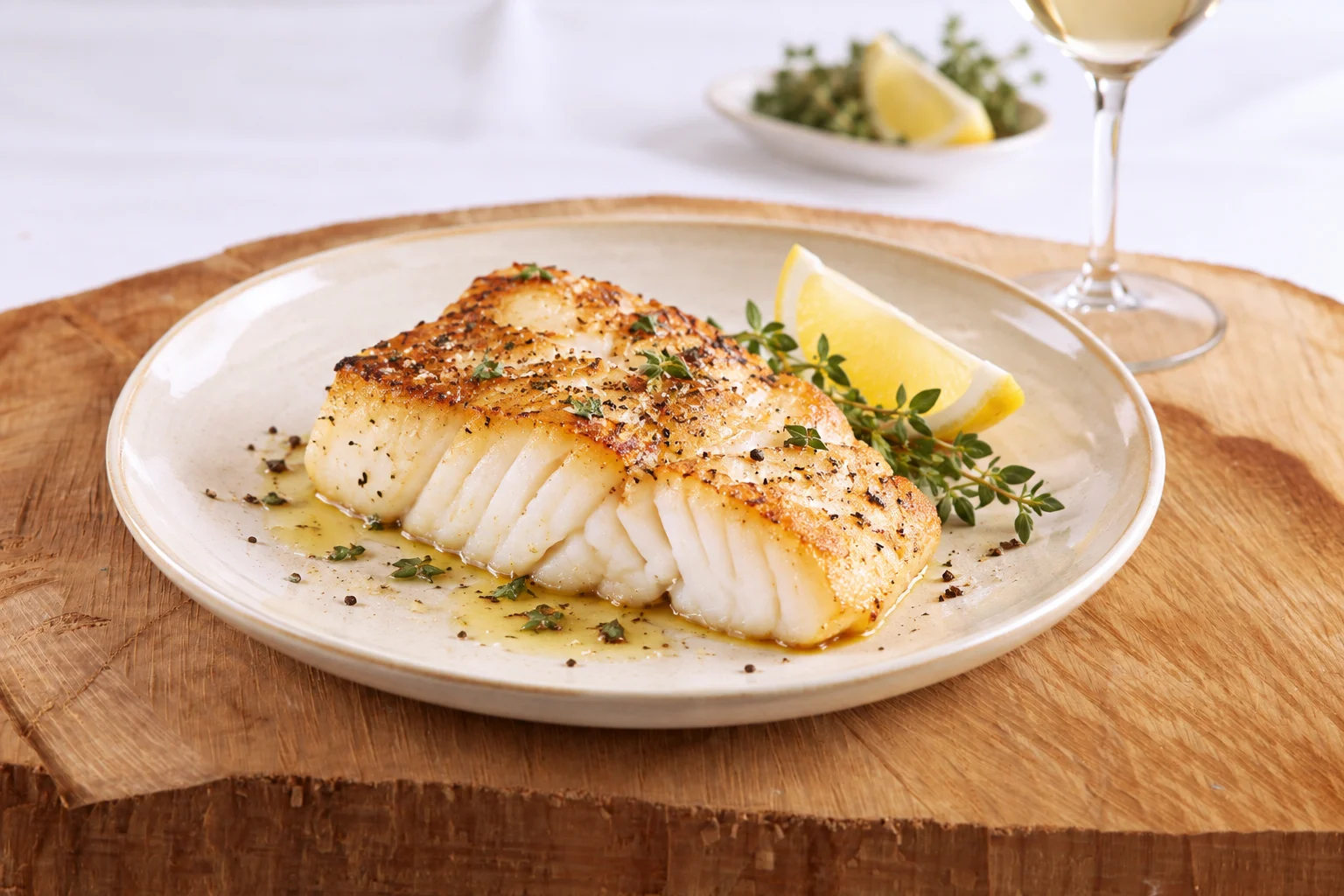
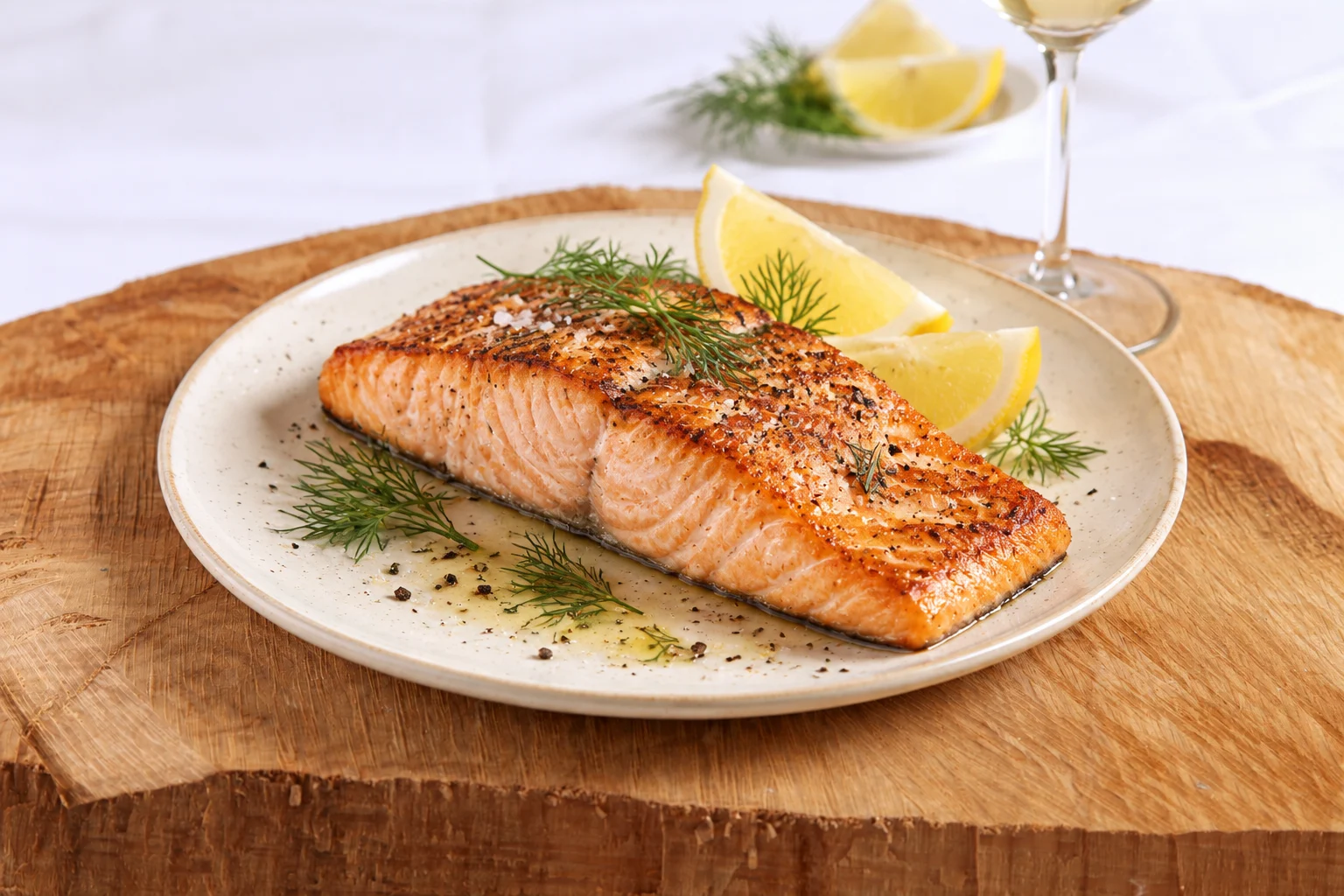
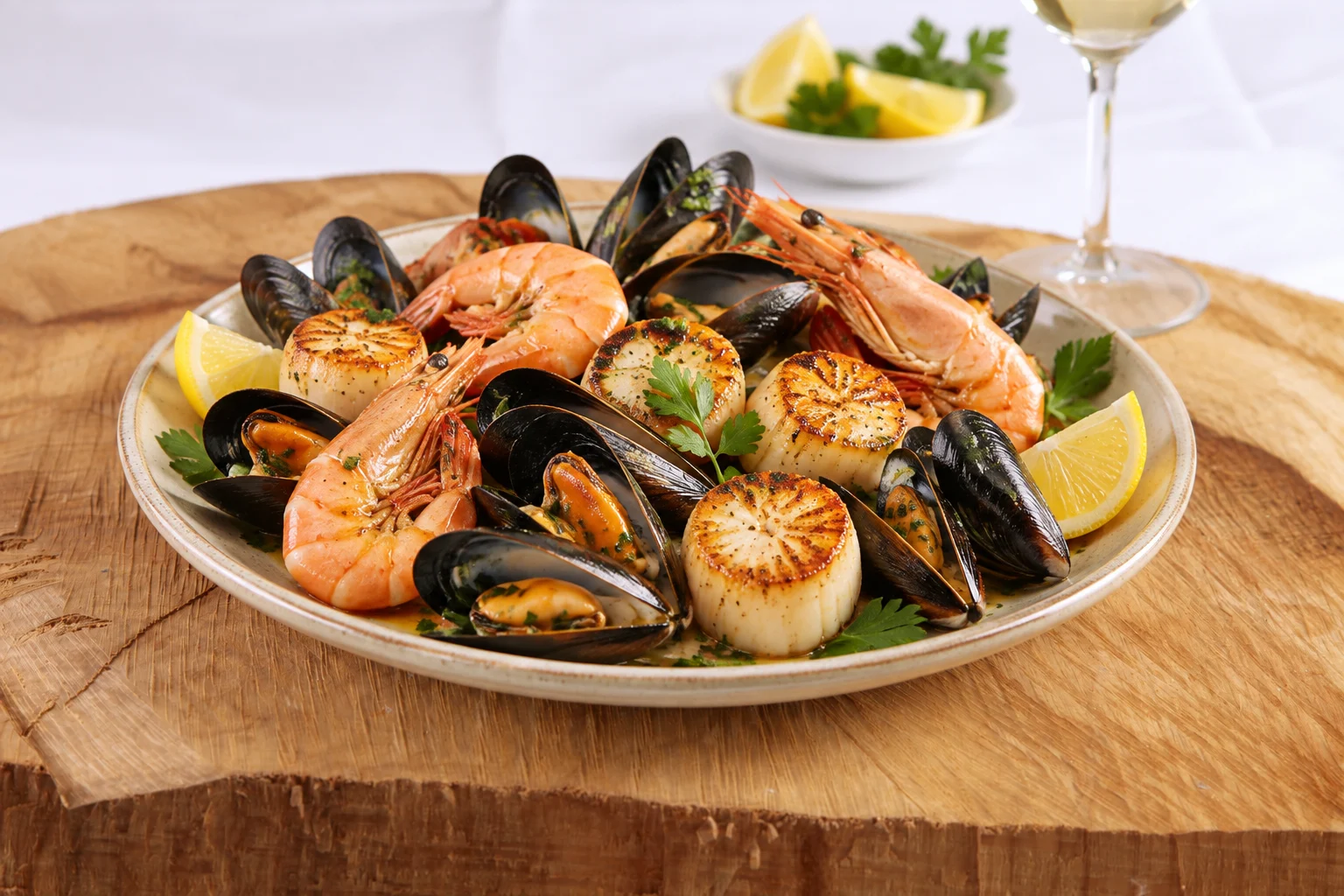
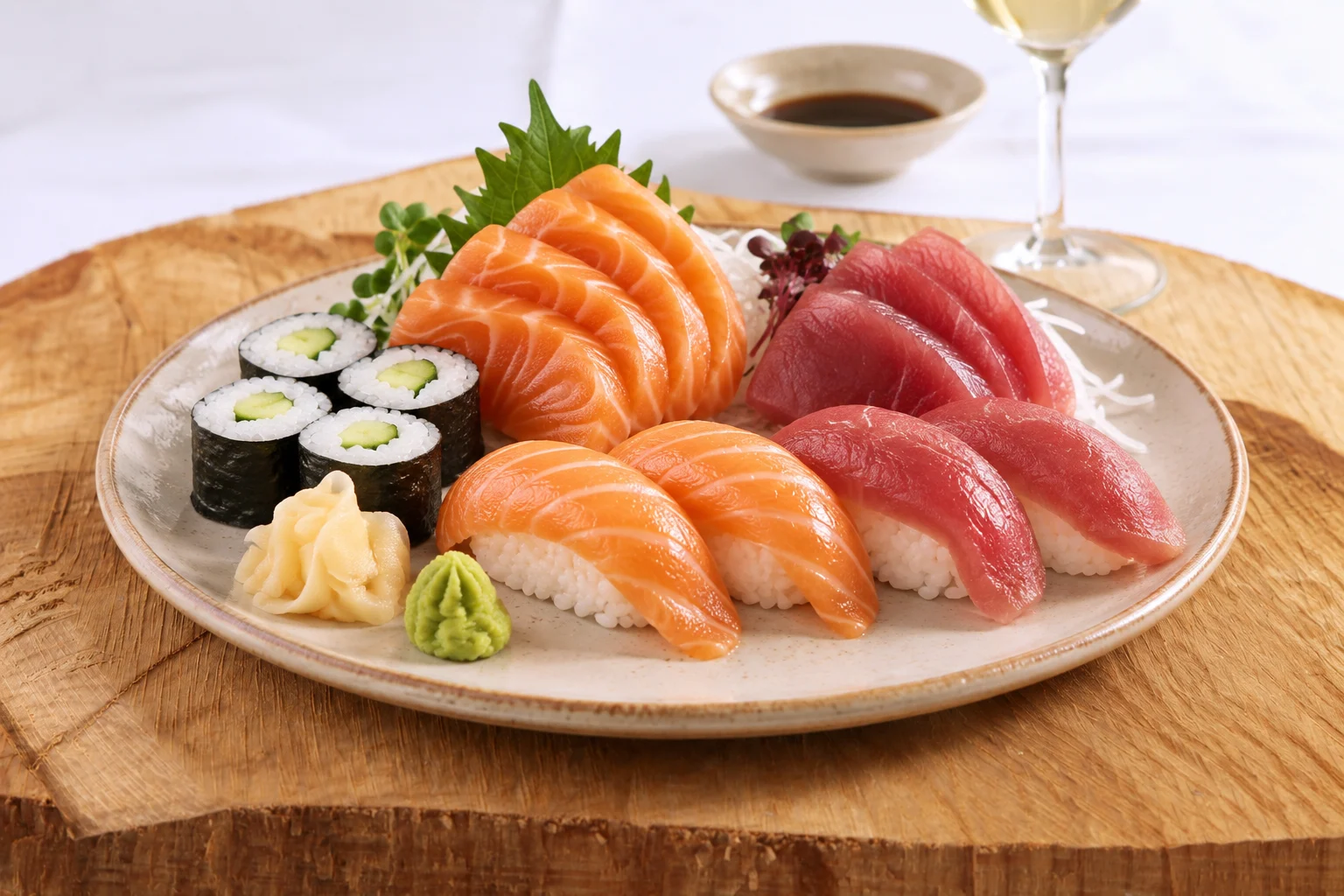
Deze Chablis Premier Cru Vaillon toont een elegant palet van citrus, mirabel en confiturede appel met bijenwas- en witte bloesemtonen, ondersteund door beboterde brioche en een satijnachtig mondgevoel met levendige, kalkachtige zuren. Die frisse zuurte, de minerale scherpte en het rijke maar verfijnde karakter maken hem ideaal bij witte en vette vis, schelpdieren en sushi omdat de zuren vetten knippen, de mineraliteit zeeachtige smaken versterkt en de subtiele briochetonen mooi samengaan met romige sauzen; probeer hem bij gegrilde of in de oven bereide zalm, coquilles met een lichte beurre blanc of bij sashimi en ceviche voor een bijzonder mooie harmonie.
Choose a category to discover dishes that pair well with this wine.
Do you already have a dish in mind?
Let Sommy find wines to pair with your meal.
Discover Wine Trivia
Sign in to unlock fascinating facts about this wine and expand your knowledge.
Sign In