

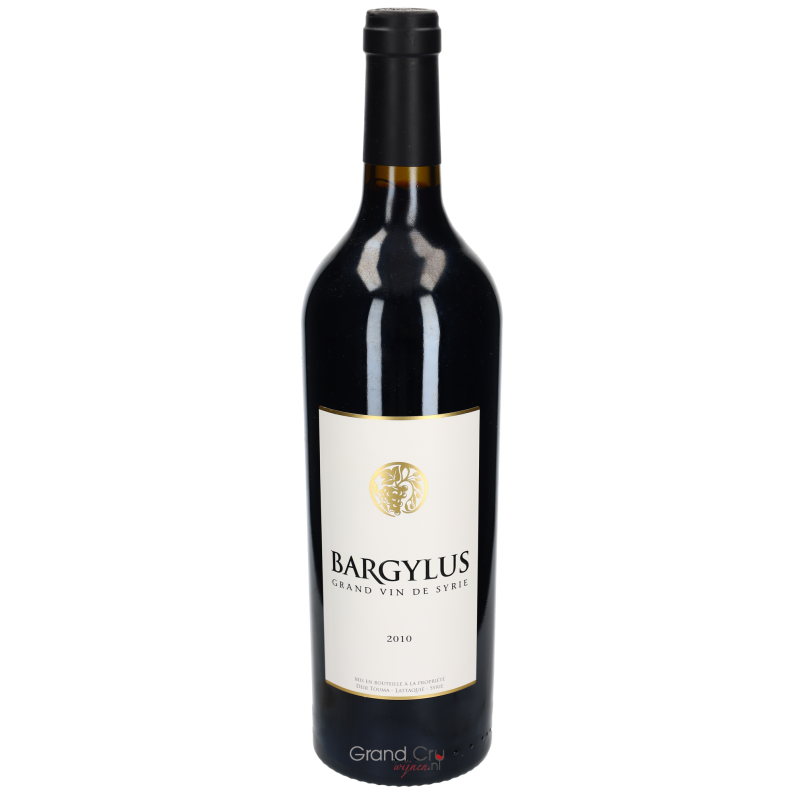
2010 Bargylus Grand Vin de Syrie Rouge
How does this wine taste?
How full and heavy the wine feels in your mouth, like the difference between skimmed milk and cream. More alcohol, sugar and oak ageing make a wine fuller.
The drying, grippy feel on your gums and tongue, as with strong tea. It comes from the skins and seeds of black grapes and from oak, and softens with age.
How much sugar you taste, from dry to sweet. Fruity is not the same as sweet: a dry wine can taste of ripe fruit.
How fresh and juicy the wine is: acidity makes your mouth water. High acidity tastes lively and refreshing, low acidity soft and round.
What we taste What you taste Click a taste for what it means
The bars follow how sommeliers taste (WSET): body, tannin, sweetness and acidity, each from low to high.
Body: powerful. 14.5% alcohol.
Tannin: firm. Aged in oak.
Sweetness. Red wine from is almost always dry.
Nothing noted for this wine yet. What do you smell, and how long does the taste linger?
Have you tasted this wine?
Save your rating and notes.
Save your rating and notes.
Have you tasted this wine?
Log in to save your tasting note.
Log in to save your tasting note.
Log inEveryone knows by now that the birthplace of wine is Lebanon. But the wine region was much larger then, and at the same time that wine was being produced in present-day Lebanon, wine was also being made a few hundred kilometres away, more precisely around Jebel-Al-Ansariye, near the important Phoenician city of Ramitha. Mount Bargylus dominates this part of the Syrian landscape, the country that gave us the alphabet and money. In Deir Thouma there has always been a historic and special wine estate, recently brought back to life by the Saadé family. The Mediterranean climate has been particularly favourable to wine growing since time immemorial.
Bargylus winery is under the strict supervision of top oenologist Stephane Derenoncourt, and he works uncompromisingly on a flawless course, making wines with great precision and depth. Quality, the terroir must speak and uncompromisingly. This is how Karim & Sandro Saadé define their wine philosophy. This approach, in contrast to many local practices, is aimed at elevating Syrian wine to the level it deserves.
Using the best international varieties for both red (Cabernet Sauvignon, Syrah and Merlot) and white (Chardonnay and Sauvignon Blanc), they aim to demonstrate the excellence of the soil and organic farming and by now Bargylus is without a doubt the flagship of Syria.
The Bargylus Grand Vin de Syrie Rouge is a blend of 60% Syrah and 20% Merlot and 20% Cabernet Sauvignon and has a ruby red color with hints of violet. On the nose the wine is a bit shy at first but after some swirling very elegant and balanced notes of black fruit and white pepper emerge. On the palate this medium to full bodied wine is again very balanced with a mineral freshness, excellent acidity and well integrated tannins with a long spicy herbal finish.
FACT: In the tab 'Attachments' you will find the official fact sheet of this beautiful wine. We will automatically send you this when you order this wine. The wine is in our conditioned Wine Warehouse and if you come to pick up the wine you will often also receive a nice discount . You will see your discount immediately when you choose 'Pick up' on the checkout page. We are located in Dordrecht almost next to the A16 with plenty of parking. Click here for our address.
Character
The wine
Origin
Bottle
Wine features
James Suckling
DOMAINE DE BARGYLUS SYRIA GRAND VIN DE SYRIE 2008
Score
92
A lovely wine with blueberry, flower and stone, Such finesse and beauty. Medium body, very fine tannins. Long finish. A blend of syrah, cabernet sauvignon, petit verdot and merlot. Drink now.
Lorem ipsum dolor sit amet, consectetur adipiscing elit. Sed do eiusmod tempor incididunt ut labore et dolore magna aliqua...
90
2020 90 points, WhineEnthusiast
2019 Silver, AWC Vienna
ANDREW JEFFORD, DECANTER, JULY 2023
“The 2015 Bargylus red is a blend of 60% Syrah with 20% each of Merlot and Cabernet Sauvignon. It's dark black, almost opaque. There’s incense spice and rich black fruits; the palate, though, is dry, firm, authoritative, even brooding, with prominent acidity and firm tannins - much less meltingly rich than Bekaa wines. The intensity of this fine, still- youthful red wine is almost electrifying. There have been seven vintages since and it's impressively consistent: more treats ahead”
JANCIS ROBINSON WINE OF THE WEEK, JULY 2022
“2014 Vintage - The wine is as intense as you would expect from an emissary from the arid land of the crusades, with the fragrance of balsam and savoury spices plus a top note of some dried herbs, but it manages to remain wonderfully fresh and appetising on the finish too after intense, ripe, quite complex fruit. Eastern promise indeed! I really don’t think many people would be disappointed by what this wine has to offer. It is 14.6% alcohol but is chock-full of flavour. I gave it 17 points out of 20 and suggest a drinking window of 2019 to 2029. This is serious wine to be enjoyed with food. It’s also relatively – surprisingly? – easy to find.”
Lorem ipsum dolor sit amet, consectetur adipiscing elit. Sed do eiusmod tempor incididunt ut labore et dolore magna aliqua...
Exclusive Content
Sign in to unlock professional wine reviews from world-renowned critics
The Bargylus estate is located near Deir Touma, literally translated as the “Monastery of Thomas”, not far from the archaeological remains of the Crusade and the illustrious Saladin. Typically Mediterranean in style, Bargylus elegantly combines strength and sophistication. The balance between sweetness, which comes with sunshine and the full ripeness of the grapes, and salt content that comes with limestone, allows Bargylus to convey a strong soil identity and inimitable flavor.
Everyone now knows that the cradle of Syrian wine is in Lebanon. But the wine region was much larger then, and at the same time that wine was produced in present-day Lebanon, wine was also made a few hundred kilometers away, more precisely around the Jebel-Al-Ansariye, near the important Phoenician city, Ramitha. Mount Bargylus dominates this part of the Syrian landscape, the land that gave us the alphabet and money. Deir Thouma has always had a historic and special wine estate, recently brought back to life by the Saadé family. The Mediterranean climate has been particularly favorable for wine-growing since time immemorial.
Bargylus winery is under the strict control of top oeunologist Stephane Derenoncourt. Here he works uncompromisingly on a flawless course, and makes wines with great precision and depth. Using the best international varieties for both red (Cabernet Sauvignon, Syrah and Merlot) and white (Chardonnay and Sauvignon Blanc), they want to show the excellence of the soil and organic farming and now Bargylus is without a doubt the flagship of Syria.
Quoted today by Pliny the Elder, Mount Bargylus, known today as Jebel Al-Ansariyé, stretches from the Orontes Valley near the ancient city of Antioch to the Eleutherus Valley in the south of ancient Emesa. Located in the hinterland of the modern Syrian city of Latakia and the Canaanite metropolis of Ugarit, the slopes of Mount Bargylus were richly covered with vines during Greco-Roman times.
Wine making in Syria is a real challenge given the lack of wine culture and infrastructure. The task became more difficult with the outbreak of war in Syria. The Saadé brothers have not been able to visit the estate since the beginning of the conflict. In addition to the obvious safety problems, Bargylus also has a logistical problem: harvesting is done by telephone by the two brothers. Grape samples are sent by taxi for tasting in Beirut to determine harvest dates for each plot. Laboratory testing is conducted outside the country and exporting the wines is also an extremely complex process.
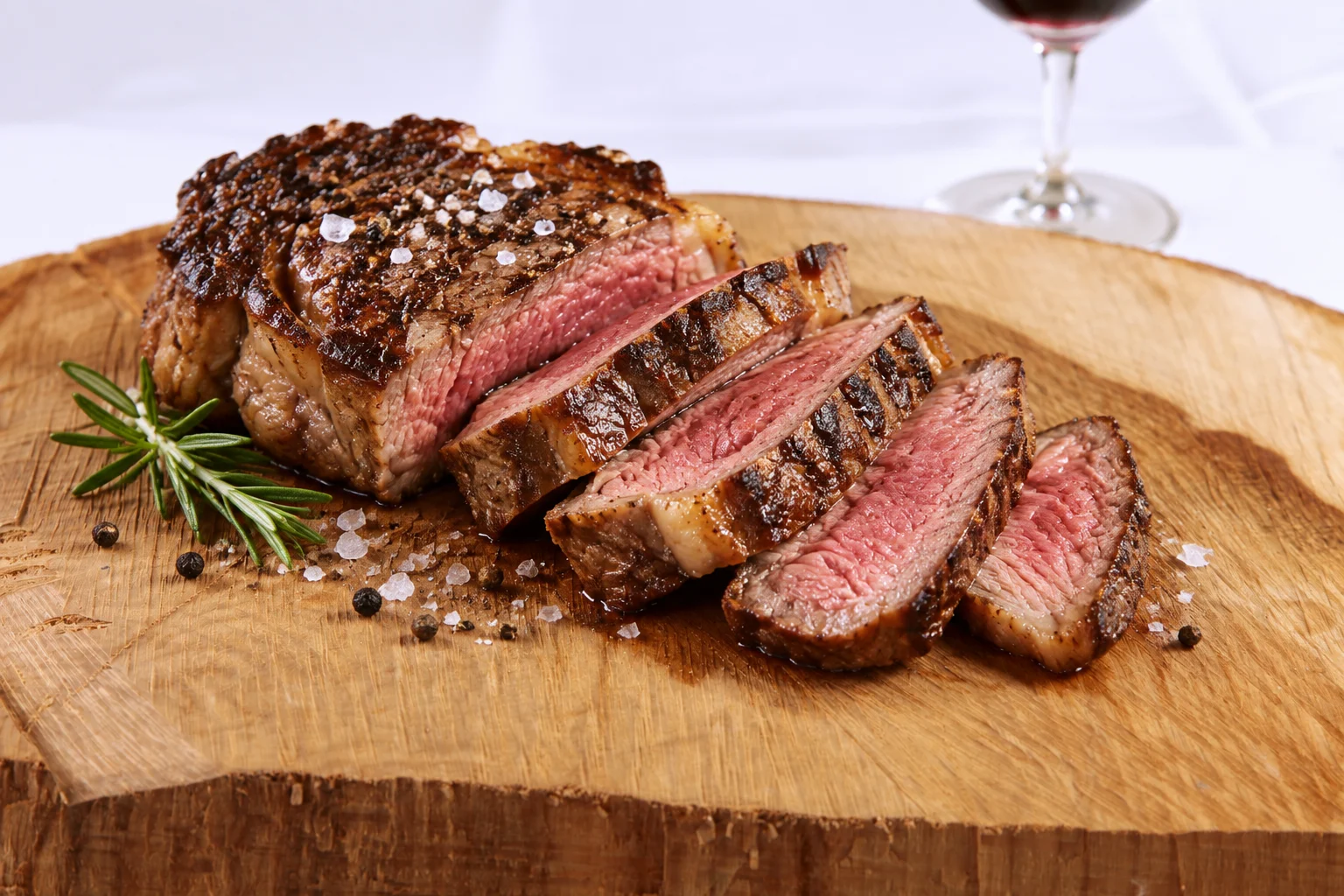
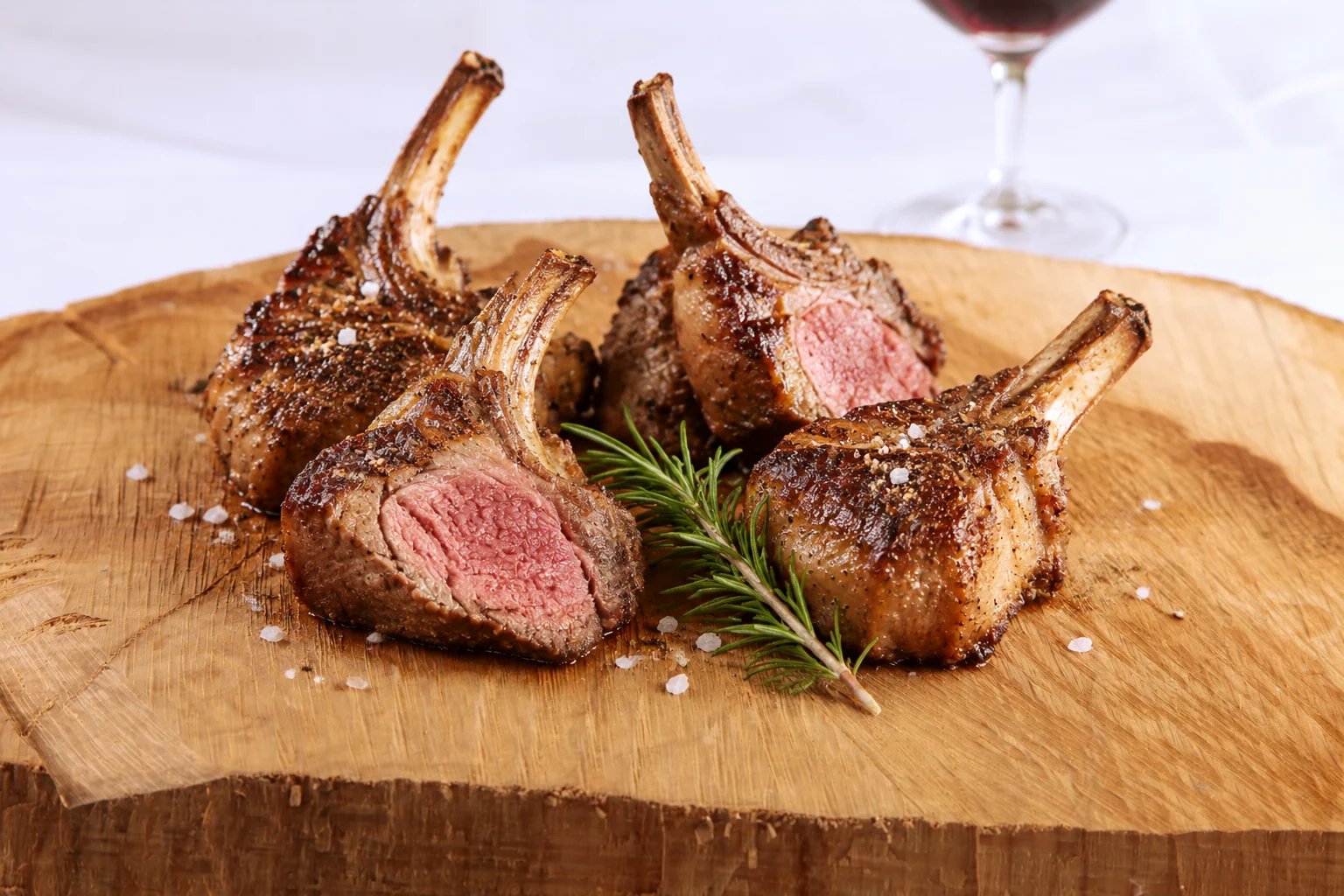
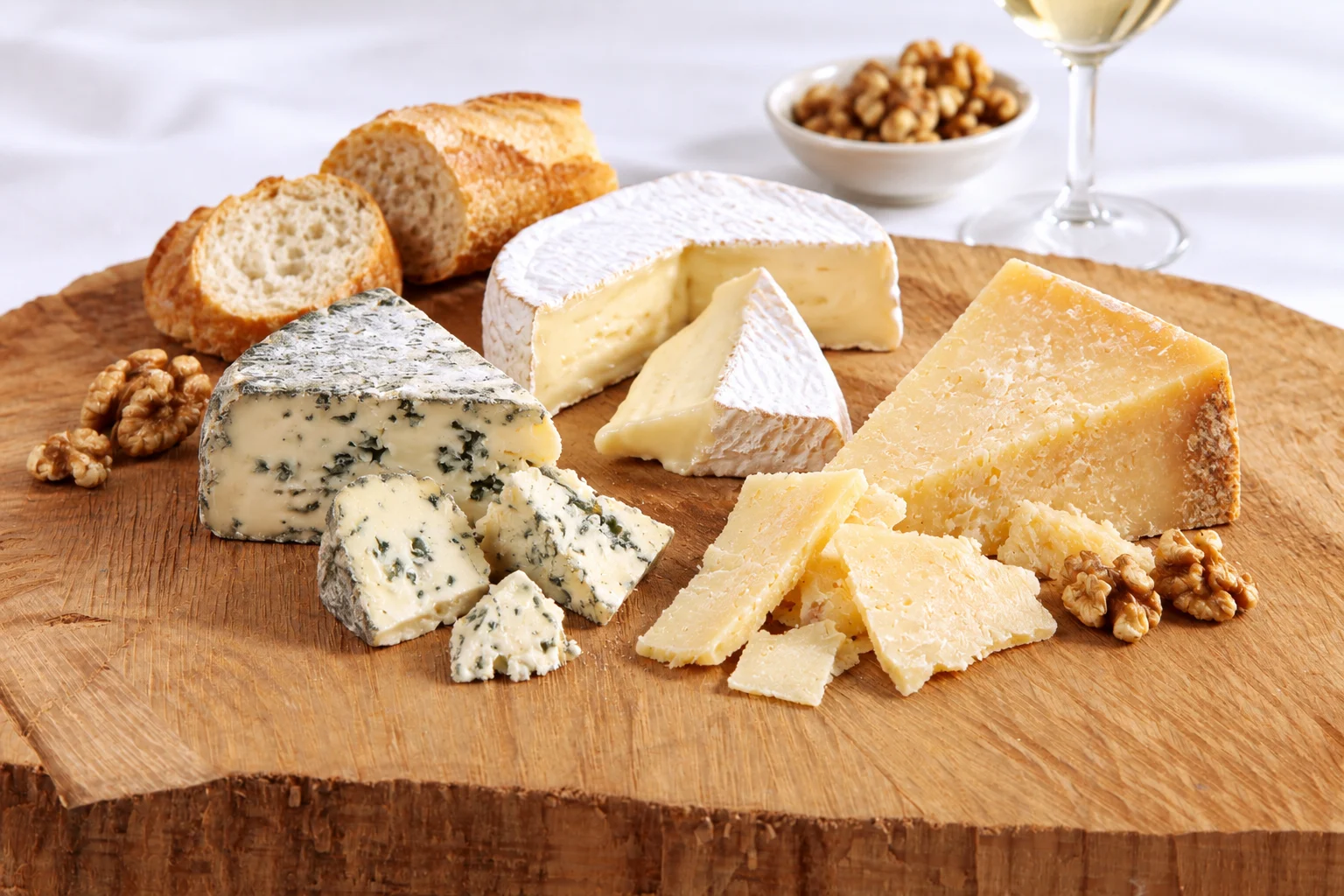
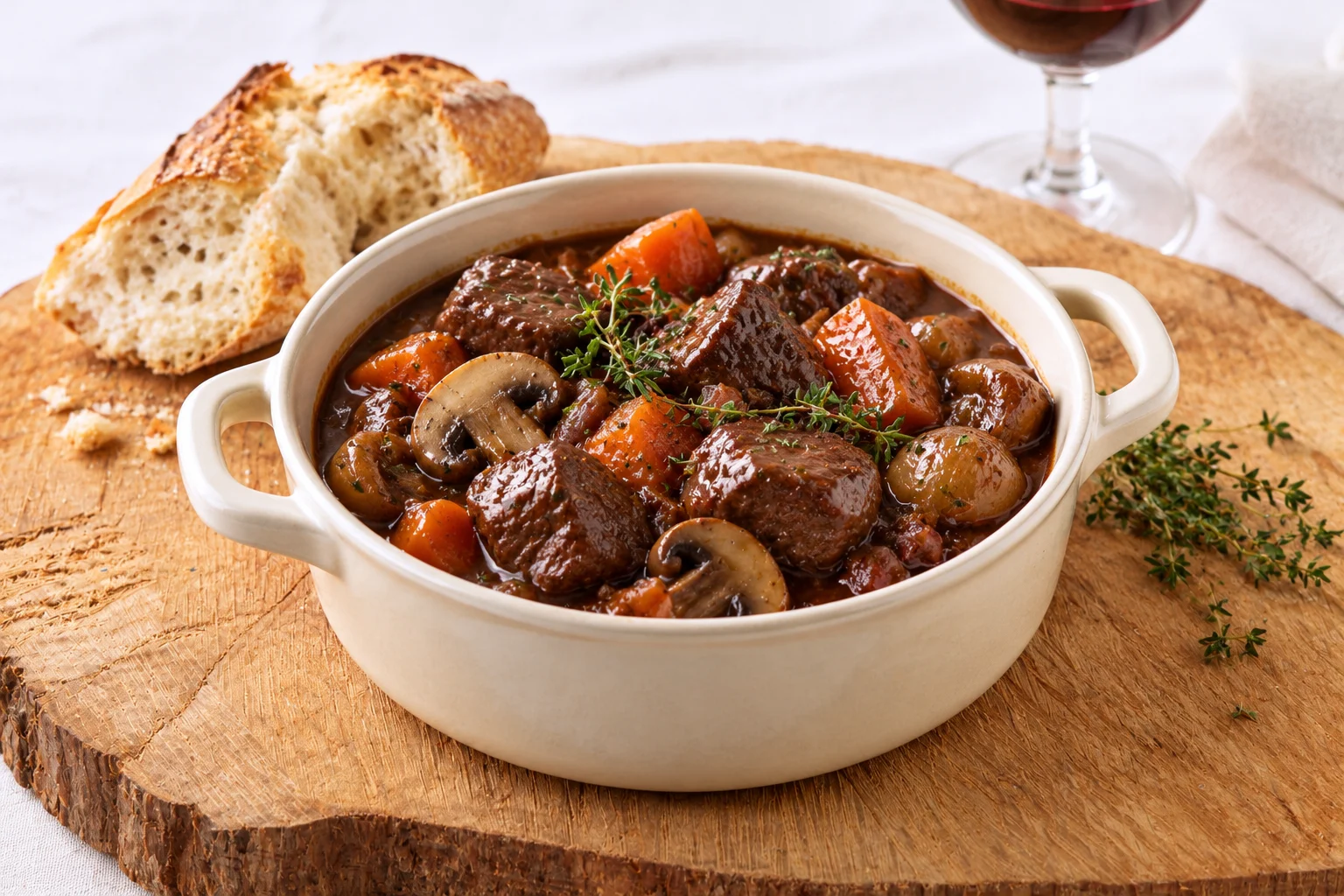
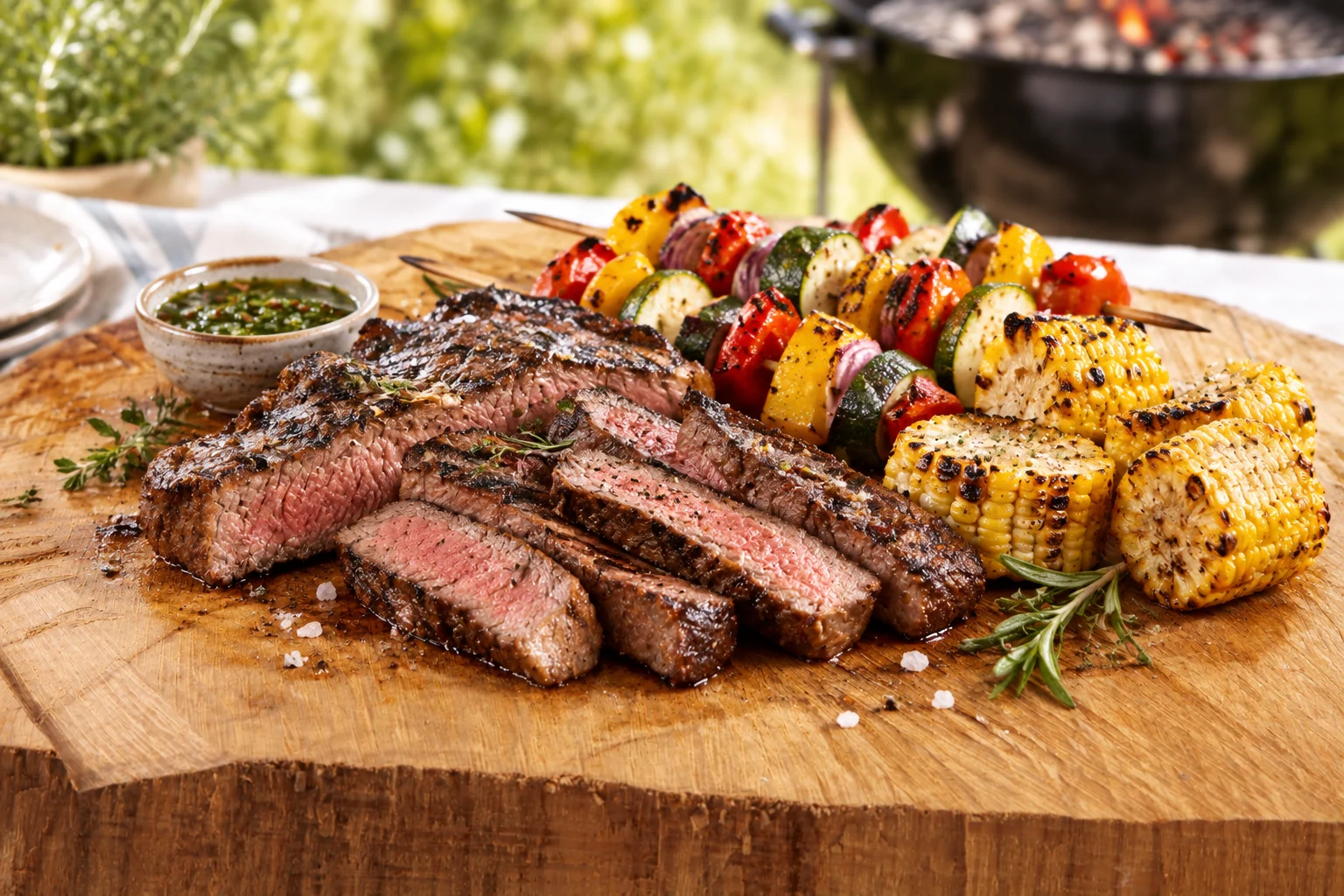
Deze elegante 2010 Bargylus Grand Vin de Syrie Rouge toont rijp zwart fruit, subtiele violette bloemtonen, witte peper en een minerale frisheid met fijn geïntegreerde tannines en een lange, kruidige afdronk. Daardoor vormt hij een perfecte partner voor rundvlees, lamsgerechten, rijke stoofschotels, barbecue en kazen: de zuurgraad en mineraliteit snijden door vet en saus, terwijl de tannines en kruidigheid samengaan met gegrild vlees en gestoofd rood vlees. Voor extra harmonie kies je voor langzaam gegaarde gerechten zoals een langzaam gestoofde runderwang of lamsbout uit de oven, en bij barbecue werkt een roséachtige kruidenrub of licht gerookte saus bijzonder goed.
Choose a category to discover dishes that pair well with this wine.
Do you already have a dish in mind?
Let Sommy find wines to pair with your meal.


+ 2 more attachments