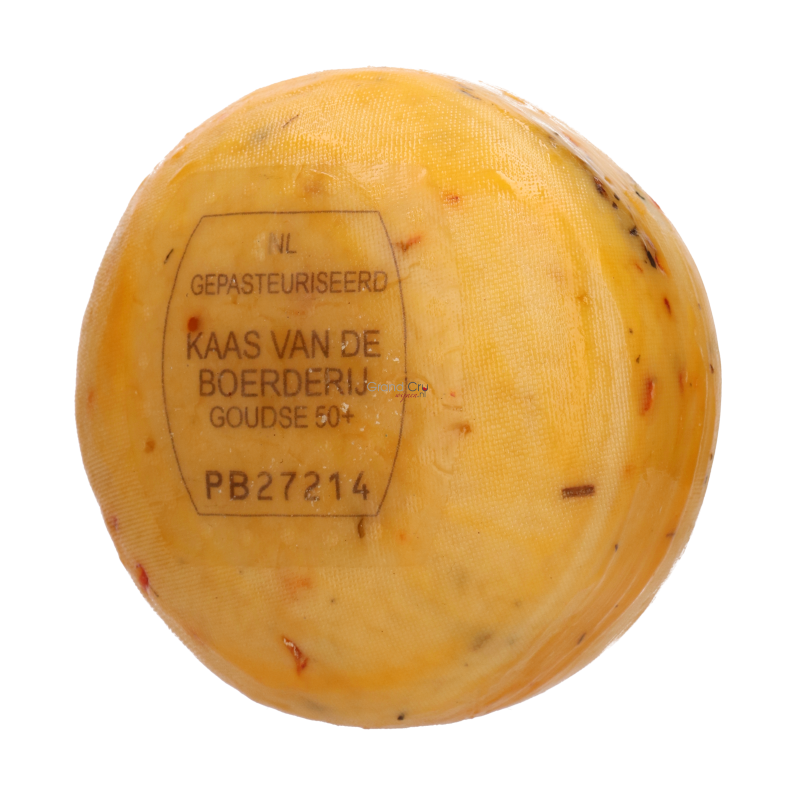
Wine growing in the Netherlands is an emerging trend. Currently, the yield is still somewhat limited, but over the years there has already been steady growth in both quantity and quality, and that therefore offers perspective! Certainly in view of climate change, it could well be that the Netherlands may eventually become an important producer of fine wines. We have some beautiful Dutch wineries in our range such as Wijngaard de Bilderhof from Dordrecht and Wijngaard Apostelhoeve from Maastricht. In addition to wines from Dutch soil, you will also find delicious Dutch cheeses from Wijngaard Kaas (Reypenaer) in our delicatessen range.
History
It is generally assumed that grapes have been grown in the Netherlands since Roman times. However, the official oldest mention of wine growing in the Netherlands dates from 968. Vineyards in the Maastricht region are described in the inventory list of Queen Gerberga of Saxony. This region was of course very favorable because of the beautifully sloping slopes and fertile loess soil. In the Middle Ages, viticulture developed elsewhere in the Netherlands due to the relatively warm climate at that time. In the 14th and 15th centuries, the hills around the Maasdal and Geuldal were largely covered with vines and Dutch viticulture was at its peak. This quickly changed after the winegrowing competition from beer. As hops were added to beer, it became longer shelf-life and had a better taste, and beer consumption began to win over wine consumption. After 1540 the climate in the Netherlands also changed, it got colder and from 1590 we entered a so-called Little Ice Age. Because of this and also due to destruction during the Eighty Years' War, wine growing in the Netherlands was decimated. The final battle for viticulture came when the grape louse and Napoleon made it impossible to grow wine in the Netherlands. The last vineyard around Maastricht died around 1946, but many years before that, grape cultivation in the Netherlands had been marginalized. Around the beginning of the 70s of the twentieth century much changed for the benefit of wine growing in the Netherlands. At the time, some entrepreneurs started planting new vineyards mainly in Limburg and Noord-Brabant. Since that time, there has been a steady, but increasingly rapid, growth in wine growing in the Netherlands. There are approximately 170 commercial vineyards in the Netherlands.
Grape varieties
In the Netherlands, classic, older varieties, such as Pinot Blanc , Pinot Gris , Chardonnay , Müller-Thurgau, as well as newer fungus-tolerant varieties, such as Regent, Rondo, Cabernet Cantor, Cabernet Cortis, Cabertin, Pinotin, Monarch, Solaris, De Baron, Souvigner Gris, Acolon, Riesel, Cabernet Blanc and Johanniter have been planted.