

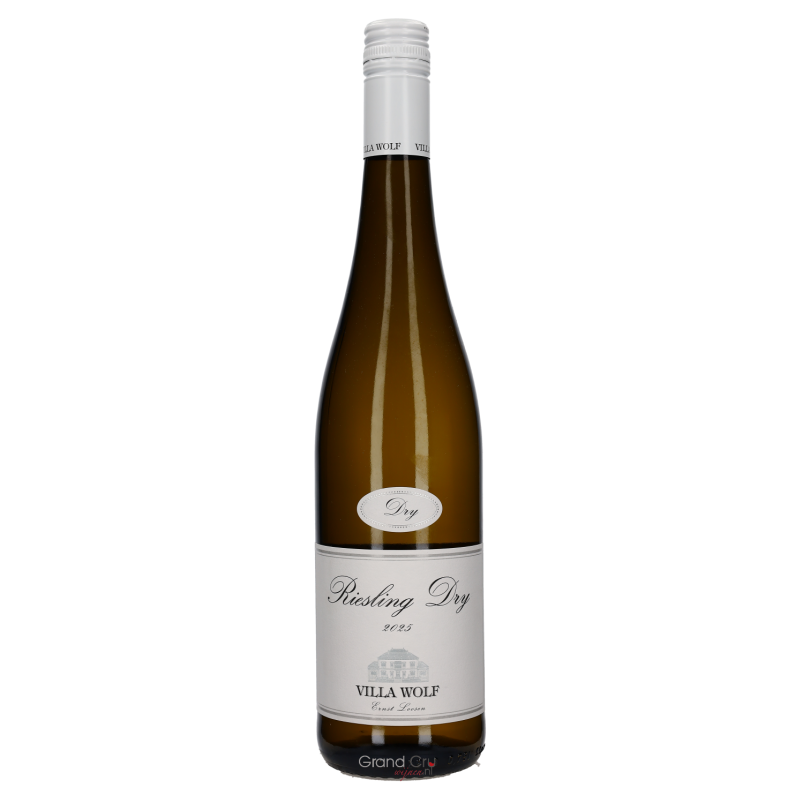
2025 Villa Wolf Riesling Dry
Ordering in bulk? Log in to request a quote
In stock
6 items available
Need more? You can backorder the rest.
How does this wine taste?
How full and heavy the wine feels in your mouth, like the difference between skimmed milk and cream. More alcohol, sugar and oak ageing make a wine fuller.
How much sugar you taste, from dry to sweet. Fruity is not the same as sweet: a dry wine can taste of ripe fruit.
How fresh and juicy the wine is: acidity makes your mouth water. High acidity tastes lively and refreshing, low acidity soft and round.
What we taste What you taste Click a taste for what it means
The bars follow how sommeliers taste (WSET): body, tannin, sweetness and acidity, each from low to high.
Body: medium-bodied. Fuller than most white wines from ; 11.5% alcohol.
Sweetness: dry. on the label.
Acidity: high. from the fairly cool climate of .
Aromas: flowers, stone fruit and tropical fruit, typical of
Nothing noted for this wine yet. What do you smell, and how long does the taste linger?
Have you tasted this wine?
Save your rating and notes.
Save your rating and notes.
Have you tasted this wine?
Log in to save your tasting note.
Log in to save your tasting note.
Log inThe Ernst Loosen Villa Wolf Riesling Dry is clear, light straw-yellow in color. On the nose, aromas of white peach and a hint of passion fruit. On the palate, notes of lemon, green apple, and yellow stone fruit, accompanied by a slightly mineral finish with fresh acidity. Delicious as a standalone glass, certainly due to the fresh acidity, but also highly recommended with trout with slivered almonds, mussels, chicken or turkey, salads, quiche, and fresh goat cheeses.
Villa Wolf's Riesling is made from grapes from their own vineyards and from grapes supplied by contracted winegrowers. The grapes are harvested at the end of September, immediately destemmed in the vinification room, and gently pressed with the utmost care. Subsequently, the juice is transferred to large stainless steel tanks to undergo alcoholic fermentation under temperature control (18°C) for over two weeks. Following this, the young wine undergoes a further aging period on the fine lees without malolactic fermentation, in order to preserve the wine's optimal freshness. Blending takes place after a few months, and the wine is bottled after light filtration.
The Dr. Loosen estate has been in the possession of the same family for over 200 years. When Ernst Loosen took the helm in 1988, he came into possession of very special vines with an average age of over 60 years! Part of the vineyards even consists of ungrafted vines over 120 years old! To produce world-class wines, Ernst Loosen drastically reduced the yield per hectare and immediately stopped the systematic chemical fertilization of the vineyards. Since then, only natural fertilizers have been used in small quantities. The greatest revolution took place in the wine cellars, where everything was set up to treat the grapes, must, and wines as gently as possible, in order to fully preserve the essence of the terroir and the grape. In the vineyards, Riesling reigns supreme as the unique grape. It takes on various forms, from dry to noble sweet, from elegant and light to full and ultra-concentrated, depending on the time of harvest, the age of the vines, the ripening stage of the grapes, the presence or absence of noble rot (botrytis), the terroir, and naturally, the vintage. The soil of the Dr. Loosen vineyards consists of a rock-hard slate subsoil that forces the roots to go deep in search of water, minerals, and nutrients. The location of the vineyards on the extremely steep, south-facing slopes on the banks of the Moselle is ideal for slow, perfect ripening. The grapes bathe in the sun three times, as it were: directly and reflected off the stony soil and the river. The Dr. Loosen vineyards are situated along the gently winding Moselle, between Bernkastel and Kindel, with world-famous names such as Bernkasteler Lay, Dr. Loosen, Graacher Himmelreich, Wehlener Sonnenuhr, Urziger Würzgarten, Erdener Prälat and Erdener Treppchen.
Character
The wine
- 100%
Origin
Bottle
Wine features
+++
Ernst Loosen is in Decanter Magazine verkozen tot Man of The year
Lorem ipsum dolor sit amet, consectetur adipiscing elit. Sed do eiusmod tempor incididunt ut labore et dolore magna aliqua...
Exclusive Content
Sign in to unlock professional wine reviews from world-renowned critics
The domain Dr. Loosen has been in the same family for over 200 years. When Ernst Loosen took the helm in 1988, he acquired very special vines with an average age of more than 60 years! Some of the vineyards themselves consist of ungrafted vines over 120 years old! In order to produce world-class wines, Ernst Loosen drastically reduced the yield per hectare and immediately stopped the systematic chemical fertilization of the vineyards.
Since then, only natural fertilizers have been used in small quantities. The greatest revolution took place in the wine cellars, where everything was set up to treat the grapes, must and wines as gently as possible, to fully preserve the essence of terroir and grape. In the vineyards, the Riesling rules as a unique grape. It has different shapes from dry to noble sweet, from elegant and light to full and ultra-concentrated, depending on the time of harvest, the age of the vines, the maturing stage of the grapes, whether or not noble rot (botrytis), the terroir and of course the harvest year. The bottom of Dr. Loosen vineyards consists of a rock hard slate surface that forces the roots to go deep in search of water, minerals and food. The location of the vineyards on the extremely steep, south-facing slopes on the banks of the Mosel is ideal for slow, perfect ripening. The grapes basked in the sun three times, as it were, directly and reflected from the stone bottom and the river. The vineyards of Dr. Loosen are located along the lazy meandering Mosel, between Bernkastel and Kindel, with world famous names like Bernkasteler Lay, Dr. Loosen, Graacher Himmelreich, Wehlener Sonnenuhr, Urziger Würzgarten, Erdener Prälat and Erdener Treppchen.
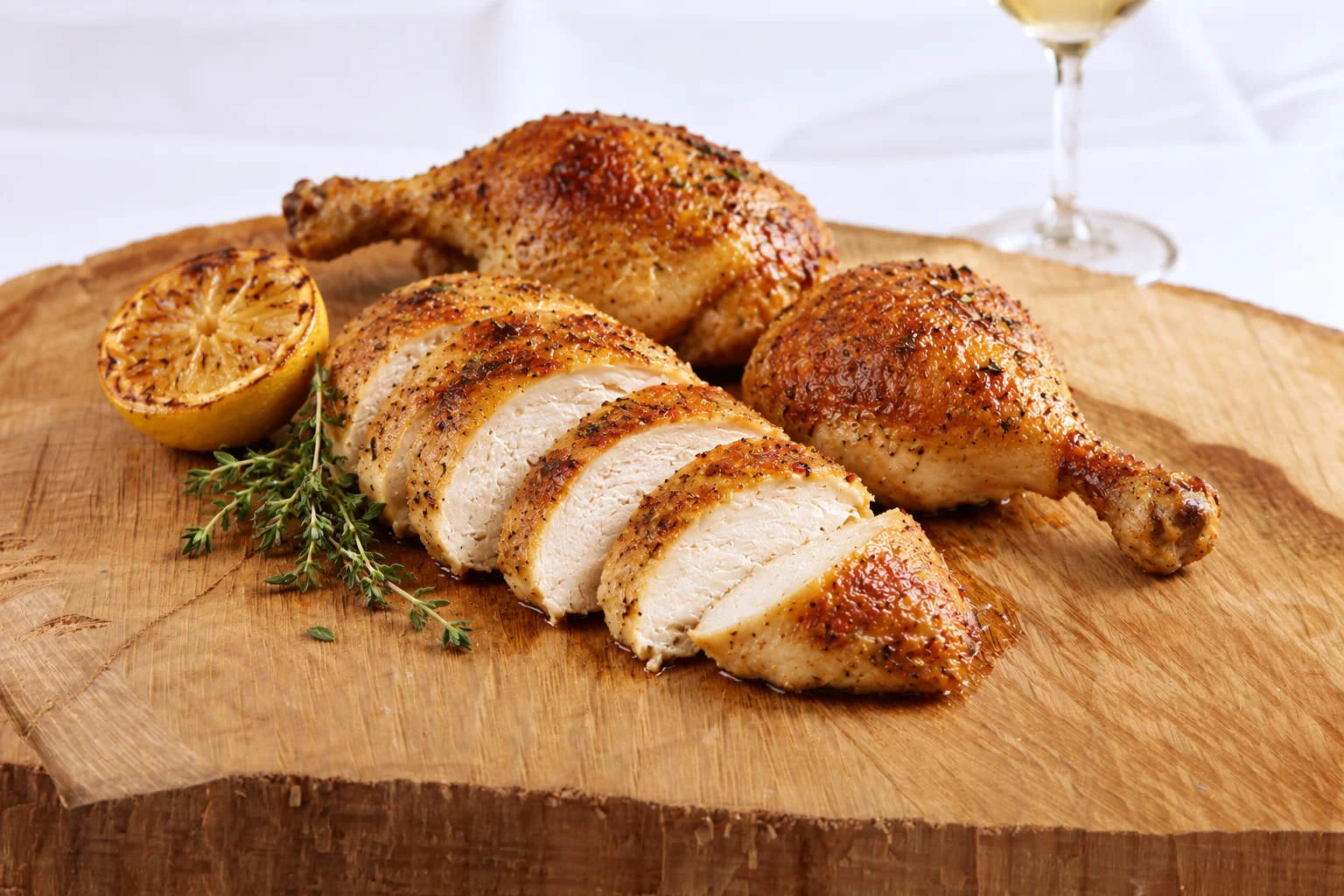
Fris en levendig van smaak met tonen van citroen, groene appel, wit-gele steenfruit en witte perzik, aangevuld met een vleugje passievrucht en een minerale, knapperige afdronk. Door die frisse zuren en minerale spine snijdt de wijn mooi door de vettere sauzen en benadrukt hij delicate smaken, waardoor hij uitstekend combineert met forel met amandelschaafsel, mosselen, gegrilde of geroosterde kip en kalkoen, lichte salades en frisse geitenkaasjes. Extra geslaagd zijn bereidingen als forel licht gebakken met amandelen, mosselen in witte wijn en kruiden, gegrilde kip met citroen en rozemarijn of een salade met citrusvinaigrette en zachte geitenkaas.
Choose a category to discover dishes that pair well with this wine.
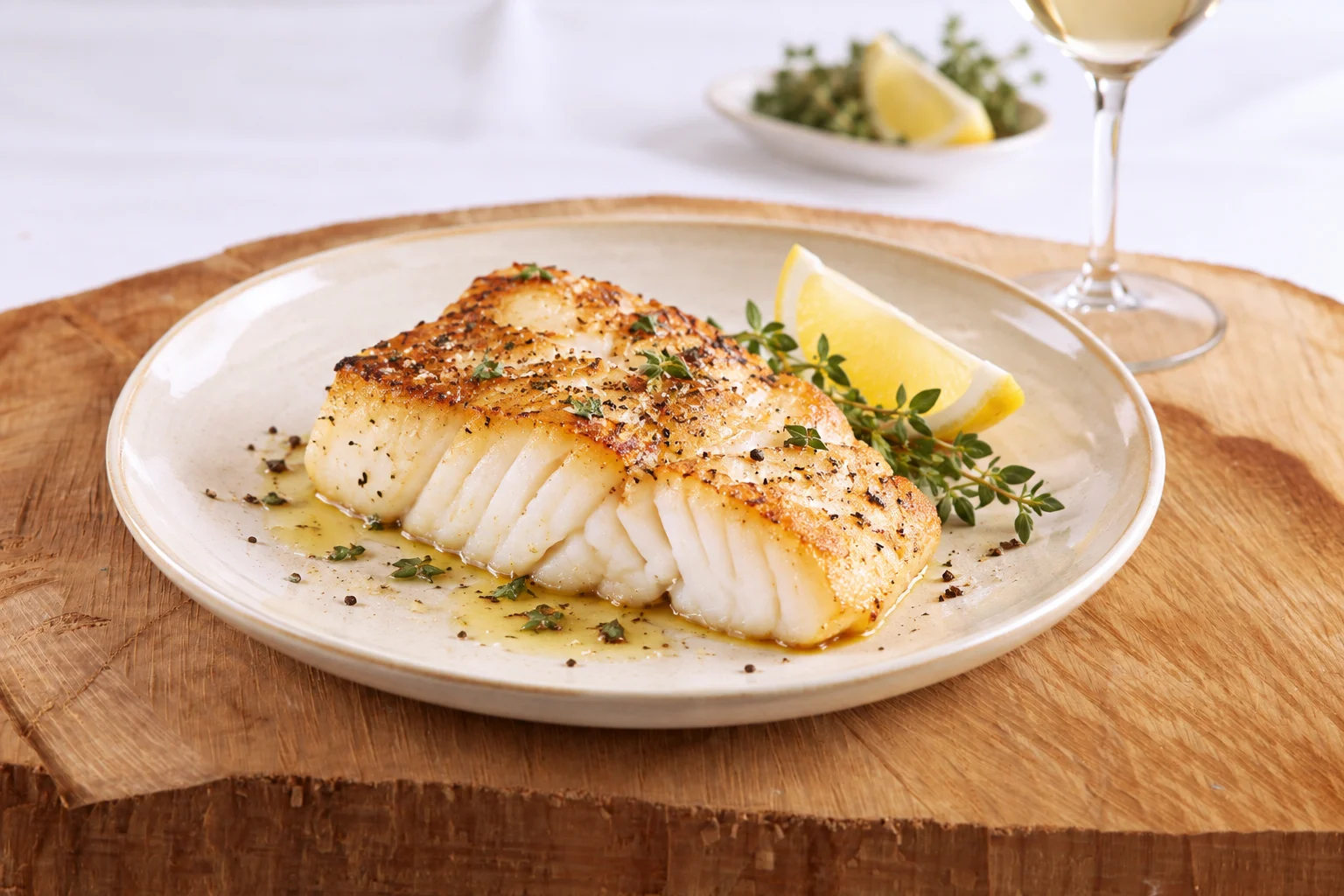
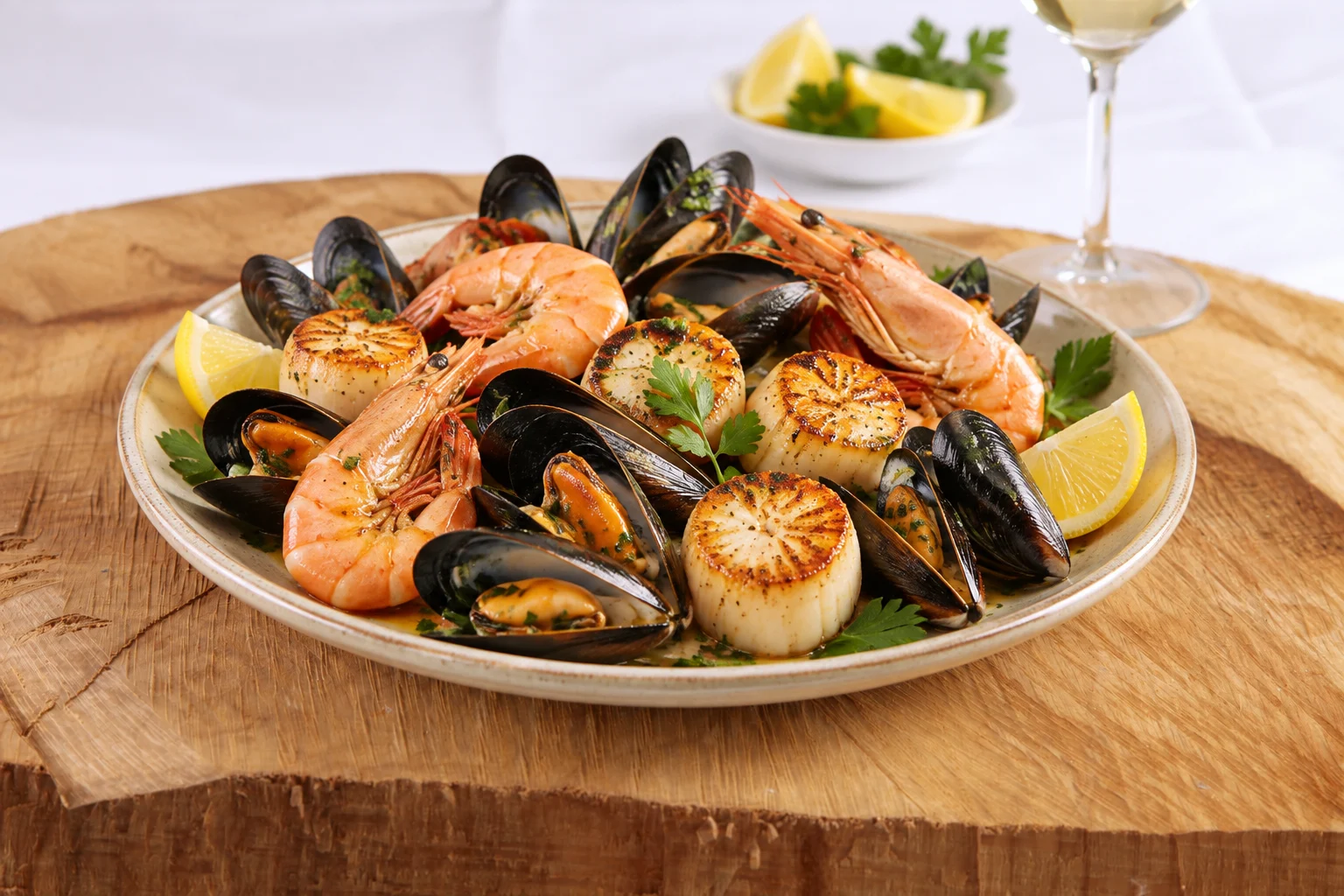
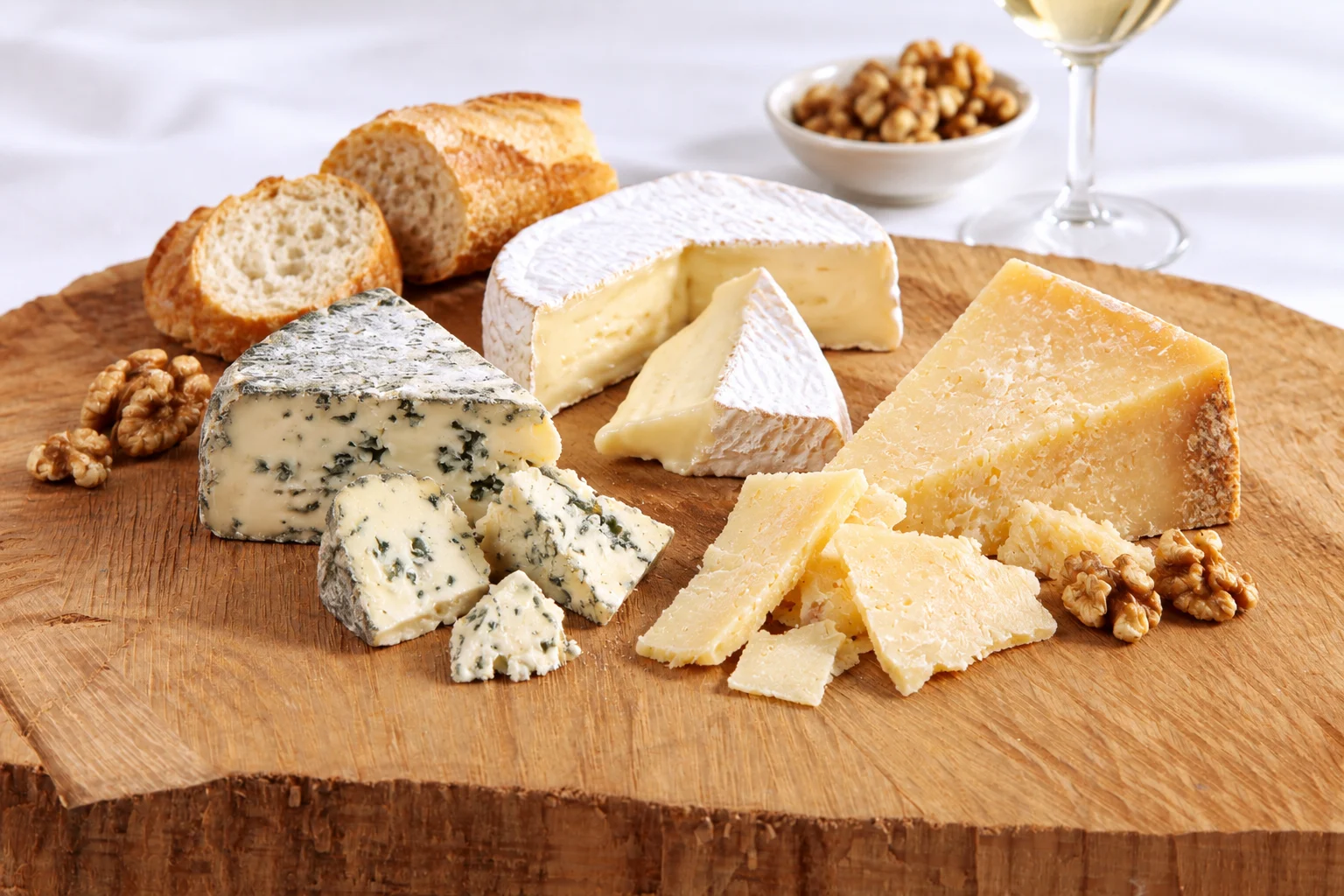
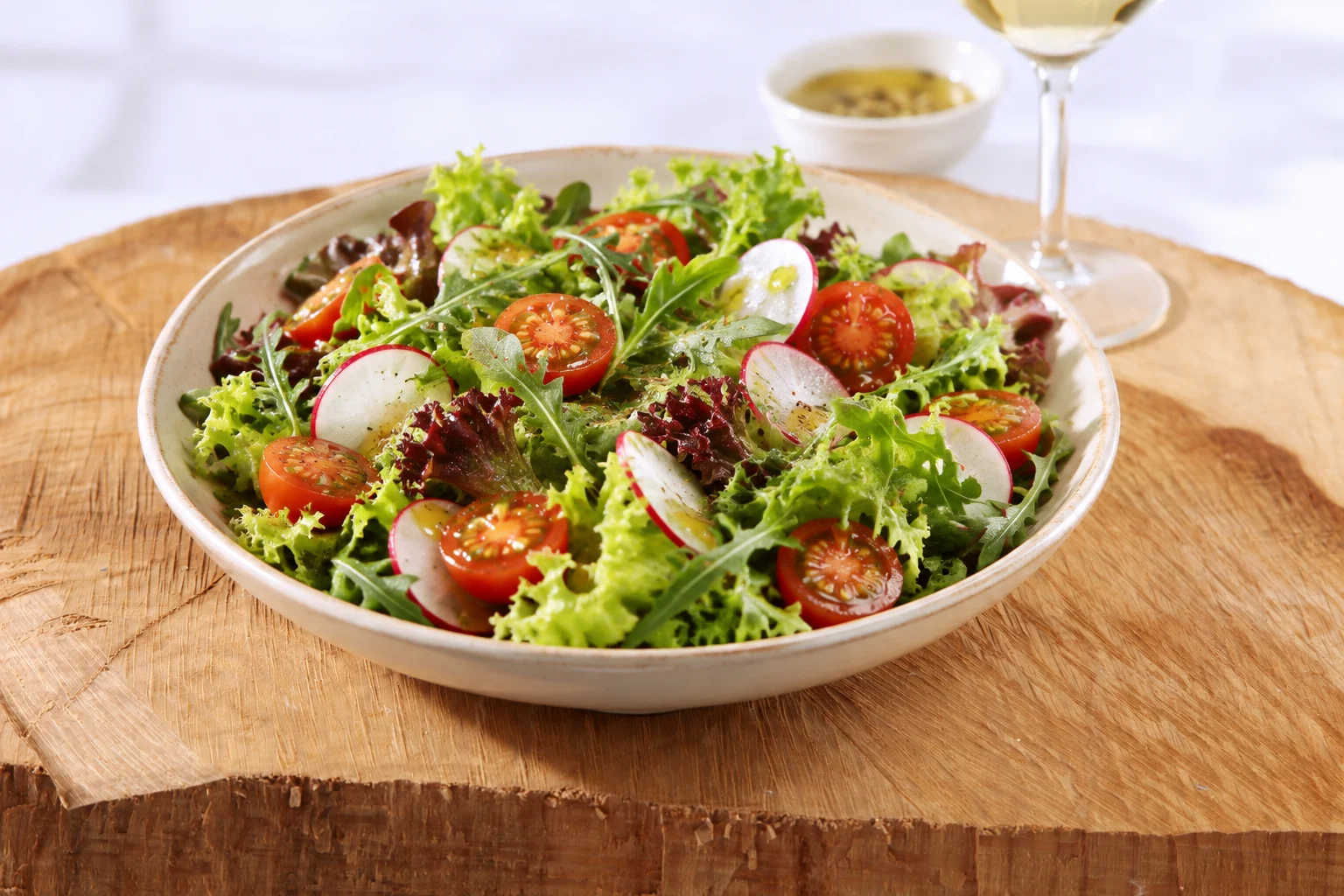
Do you already have a dish in mind?
Let Sommy find wines to pair with your meal.
Discover Wine Trivia
Sign in to unlock fascinating facts about this wine and expand your knowledge.
Sign In