

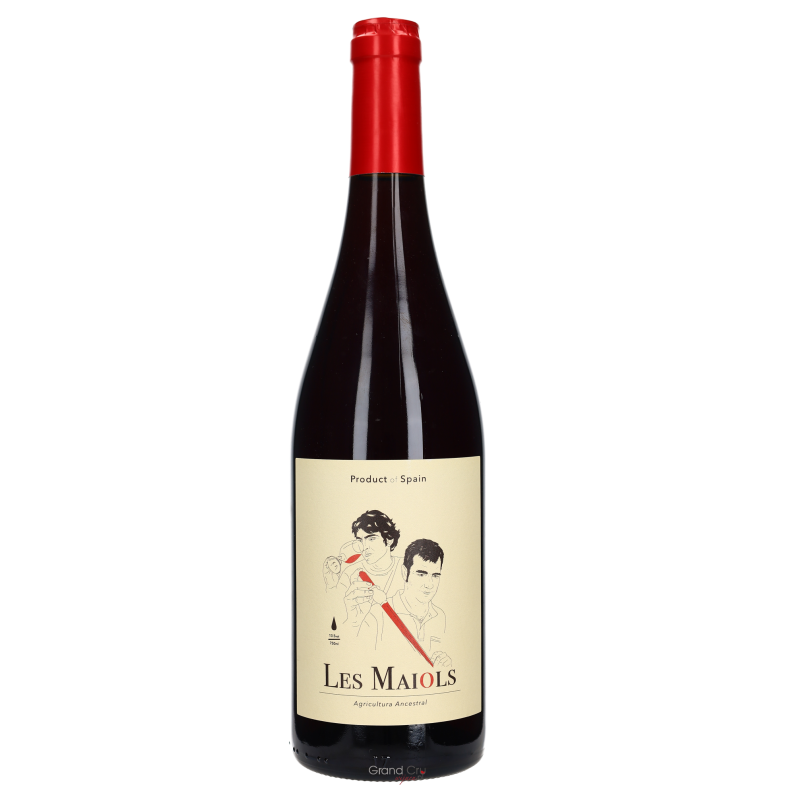
2024 Celler Joan d'Anguera Les Maiols
How does this wine taste?
How full and heavy the wine feels in your mouth, like the difference between skimmed milk and cream. More alcohol, sugar and oak ageing make a wine fuller.
The drying, grippy feel on your gums and tongue, as with strong tea. It comes from the skins and seeds of black grapes and from oak, and softens with age.
How much sugar you taste, from dry to sweet. Fruity is not the same as sweet: a dry wine can taste of ripe fruit.
How fresh and juicy the wine is: acidity makes your mouth water. High acidity tastes lively and refreshing, low acidity soft and round.
What we taste What you taste Click a taste for what it means
The bars follow how sommeliers taste (WSET): body, tannin, sweetness and acidity, each from low to high.
Body: full-bodied. Like most red wines from Montsant; 13.5% alcohol.
Tannin: medium. From Grenache; aged in oak.
Sweetness: dry. Red wine from is almost always dry.
Acidity: fairly low. Grenache from the warm climate of .
Aromas: dark fruit, spice and red fruit, typical of Grenache
Nothing noted for this wine yet. What do you smell, and how long does the taste linger?
Have you tasted this wine?
Save your rating and notes.
Save your rating and notes.
Have you tasted this wine?
Log in to save your tasting note.
Log in to save your tasting note.
Log inCeller Joan d'Anguera is the pioneer of the Montsant appellation. Brothers Josep and Joan have made a decisive change since 2008, switching entirely to biodynamics. Their wines are now much lighter and more elegant than before. Joan d'Anguera is run by the two brothers, Joan and Josep d'Anguera. They are the seventh generation of winegrowers, established in Darmós since 1820. They cultivate 36 hectares of vineyards, 3 hectares of olive groves, and 1 hectare of almond trees. They produce 60,000-70,000 bottles per year, depending on the harvest. Since the 2015 vintage, they have stopped using sulphites during fermentation and bottling. The only sulphites used are during the barreling process, by burning sulphur candles in the barriques instead of rigorously cleaning them with water or other modern techniques. The wines are neither clarified nor filtered.
The young Grenache vines used for Les Maiols were planted between 2012 and 2017 on limestone and calcareous sandstone soils. The wine is produced biodynamically (though not claimed on the label). After being harvested by hand, the wine ferments with indigenous yeasts and ages in concrete vats (9 months) and used barrels (3 months). These are the young vines from the plot that provides the grapes for the Altaroses cuvée. Les Maiols is a truly juicy, light red wine, full of beautiful fruit aromas and a soft mouthfeel. Be careful, this bottle will be empty in a flash. The wine is also fantastic to drink slightly chilled (around 13-14 degrees Celsius).
Character
The wine
- 100%
Origin
Bottle
Wine features
Joan d'Anguera is run by the 2 brothers Joan and Josep d'Anguera. They are the 7th generation of winegrowers established in Darmós since 1820. Joan d'Anguera has 36 hectares of vineyards, 3 hectares of olive trees and 1 hectare of almond trees. They produce between 60,000 and 70,000 bottles per year, depending on the harvest.
From 1820 to 1984, the wine produced was sold in bulk. In 1984 their father, Josep Anguera Beyme, first started bottling their wine and the red "Joan d'Anguera" was launched, and since then the cellar has grown with a selection of wines that always respect the terroir. Josep studied agricultural engineering and Joan oenology. When their father died, they were very young. At that time, in the early 2000s, the fashion was for very concentrated wines, with a lot of alcohol, tannins and new oak, and at first they continued like this. The recognition was also there by wine critics of the most prestigious magazines of the time. But in 2008 they got tired of this way of working, the wines back then were very similar because they were all made in that standard international style.
The switch to biodynamics started in 2008 and since the 2012 vintage all wines have the Demeter (biodynamic) certificate and are EU organic certified. Their philosophy is based on respect for tradition and natural rhythm. They therefore follow the principles of biodynamic agriculture, which allows the wines to express the identity of the terroir. In the vineyards, they work the soil to keep it alive, preferring an environment rich in fauna and flora, with a variety of flowers and trees. They follow the cosmic rhythms while working and let nature take its course and express itself. Apart from plowing, all other activities in the vineyards are done manually. Almost all vineyards are en gobelet and those still planted in cordon royat are changing to gobelet. In the cellar, their job is to guide the wines, but without directing them where to go. They only use indigenous yeasts for the alcoholic fermentation and the malolactic fermentation takes place naturally. From the 2015 vintage, they no longer use sulfites during fermentation or bottling.
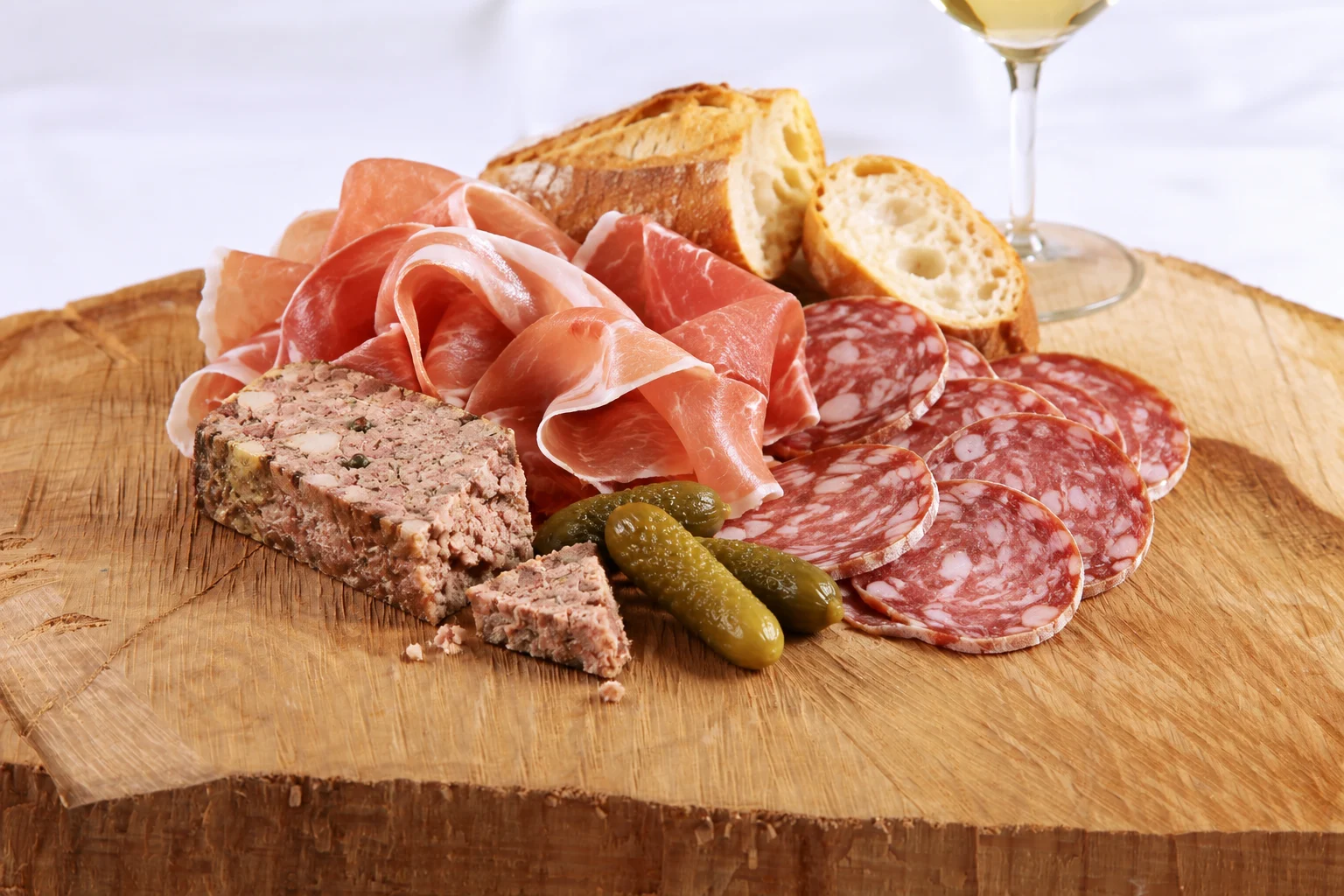
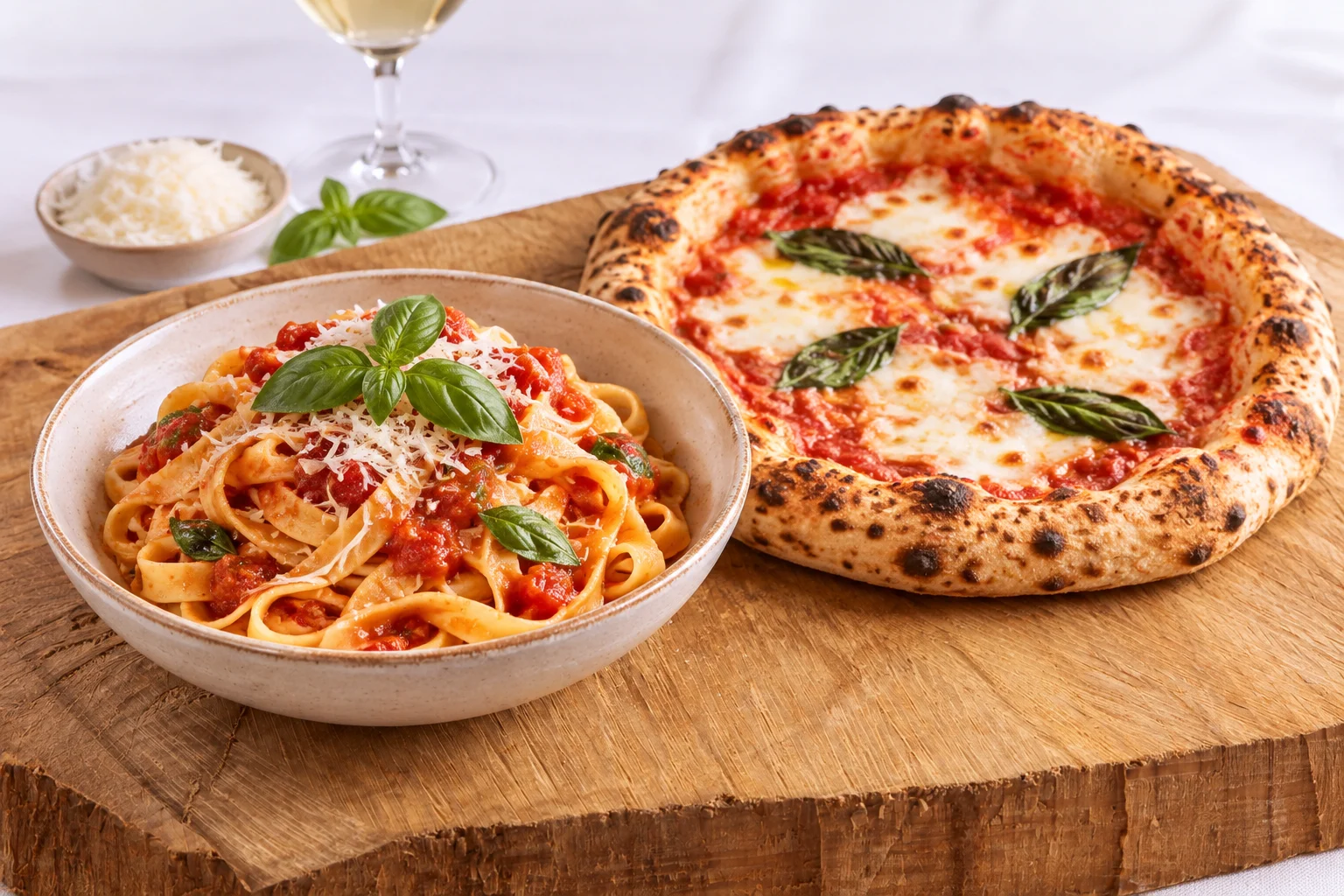
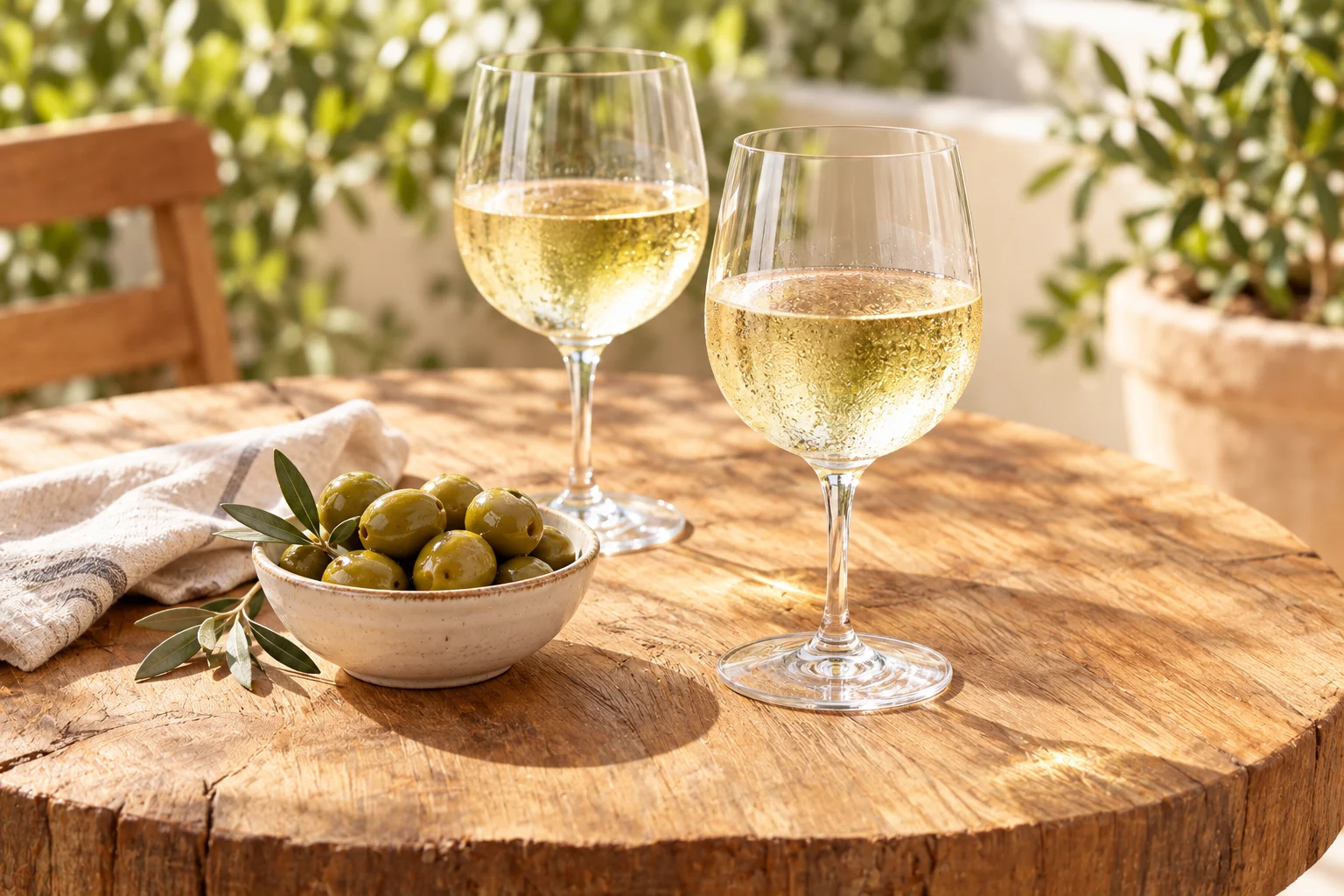
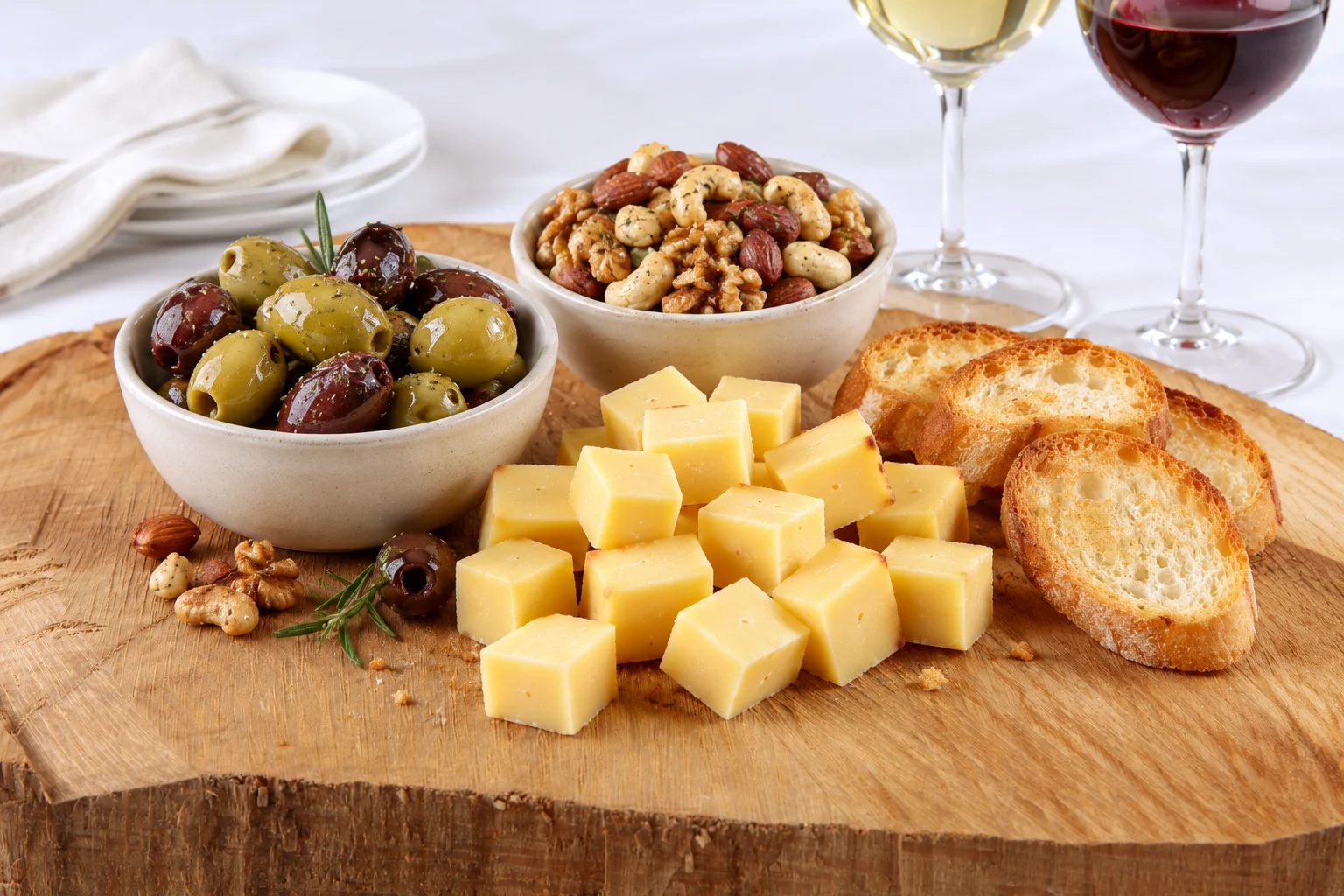
Deze sappige, lichtrode Garnacha toont rijp rood fruit zoals kers en framboos met florale nuances, zachte tannines en een frisse zuurgraad die het mondgevoel soepel en uitnodigend maakt; door het lage alcoholpercentage blijft hij elegant en kan hij prima licht gekoeld (13–14 °C) geserveerd worden. Omdat de wijn frisheid en fruitigheid combineert met zachte structuur snijdt hij door het vet van charcuterie, omarmt tomaatrijke pasta’s en pizza’s zonder te overheersen en doet hij het uitstekend als borrelwijn op het terras; kies voor voorgekruide of luchtgedroogde hammen, milde chorizo of een eenvoudige Margherita en gegrilde groenten om de beste harmonie te bereiken.
Choose a category to discover dishes that pair well with this wine.
Do you already have a dish in mind?
Let Sommy find wines to pair with your meal.
Discover Wine Trivia
Sign in to unlock fascinating facts about this wine and expand your knowledge.
Sign In