


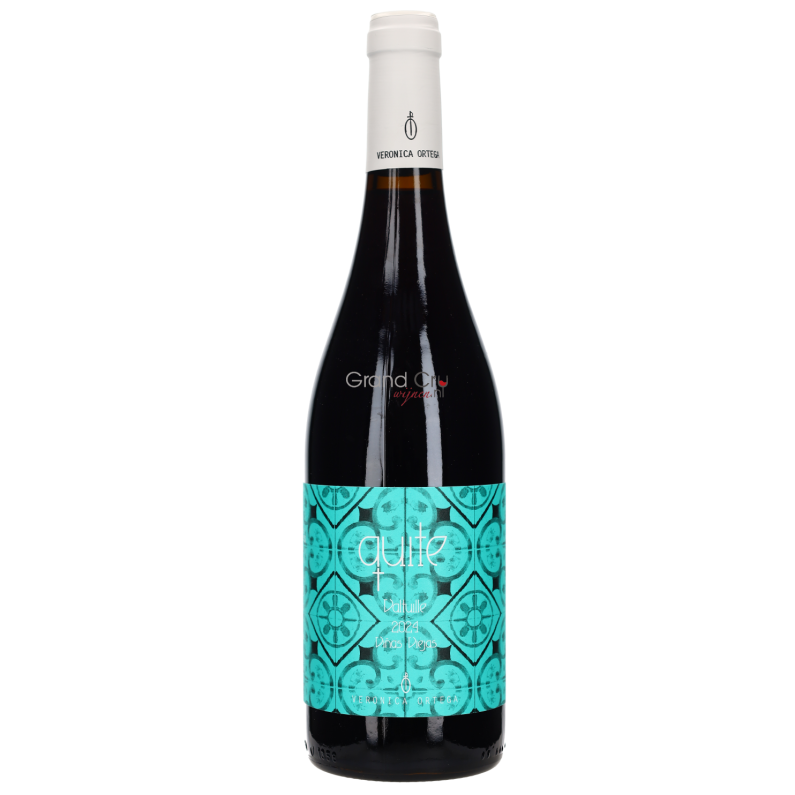
2024 Veronica Ortega Quite Mencia
How does this wine taste?
How full and heavy the wine feels in your mouth, like the difference between skimmed milk and cream. More alcohol, sugar and oak ageing make a wine fuller.
The drying, grippy feel on your gums and tongue, as with strong tea. It comes from the skins and seeds of black grapes and from oak, and softens with age.
How much sugar you taste, from dry to sweet. Fruity is not the same as sweet: a dry wine can taste of ripe fruit.
How fresh and juicy the wine is: acidity makes your mouth water. High acidity tastes lively and refreshing, low acidity soft and round.
What we taste What you taste Click a taste for what it means
The bars follow how sommeliers taste (WSET): body, tannin, sweetness and acidity, each from low to high.
Body: medium-bodied. Like most red wines from Bierzo; 13.5% alcohol.
Tannin: firm. Aged in oak.
Sweetness: dry. Red wine from is almost always dry.
Acidity: medium. The temperate climate of Bierzo.
Nothing noted for this wine yet. What do you smell, and how long does the taste linger?
Have you tasted this wine?
Save your rating and notes.
Save your rating and notes.
Have you tasted this wine?
Log in to save your tasting note.
Log in to save your tasting note.
Log inQuite 2023 by Veronica Ortega is an accessible yet characterful red wine from Bierzo, based on old Mencía vines supplemented with small quantities of local grapes such as Doña Blanca, Palomino, and Alicante Bouschet. Although it is the estate's entry-level cuvée, this wine clearly displays Ortega's signature: freshness, precision, and a clear origin. The wine is light-footed and juicy, yet possesses sufficient structure and depth to remain interesting.
Origin and region
Veronica Ortega works from Bierzo with a clear focus on old vineyards and local grape varieties. After gaining experience in Burgundy and Priorat, among others, she developed her own style, aimed at finesse and balance.
Quite comes from Valtuille de Abajo, one of the most renowned villages in Bierzo. The vineyards are spread across various plots with vines approximately 90 to 100 years old. These old vines ensure low yields and natural concentration.
The soils consist of a mix of clay and sand, with many pebbles and stones such as quartzite and slate. This type of soil, typical of the Bierzo valley, contributes to the combination of ripe fruit and a distinct mineral undertone. The climate, with warm days and cool nights, ensures a good balance between ripeness and freshness.
Grapes
The base of Quite is Mencía, Bierzo's main red grape. This is complemented by small quantities of other grapes from the old vineyards, including Doña Blanca, Palomino, and Alicante Bouschet. These types of field blends add extra complexity and nuance to the wine.
Mencía is known for its fresh red fruit, floral notes, and relatively light structure. In Quite, that character comes clearly to the fore, with an emphasis on juiciness and drinkability.
Vinification
The grapes are largely destemmed, with approximately 15% whole bunches depending on the plot. Fermentation takes place in stainless steel tanks, with a deliberate choice for gentle extraction and a short maceration of about 5 to 7 days. As a result, the wine remains light and elegant in style.
After fermentation, the wine ages in two phases. First, approximately 10 months in truncated conical French oak barrels, followed by another 6 months in larger 500-liter vats. This longer aging over two winters results in a more integrated structure and a smoother texture in the final wine.
Taste profile and style
Quite 2023 is a fresh, fruit-driven, and accessible Bierzo. The aroma is dominated by notes of red fruit such as cherry and raspberry, complemented by blue flowers and a light hint of licorice.
On the palate, the wine is smooth and juicy, with a light, elegant structure. The acidity provides liveliness, while the tannins remain soft and fine. The wine has a lean, energetic build and a fresh finish, making it easy to drink without becoming simple.
The combination of fruit, freshness, and a subtle mineral undertone makes this a wine that is both immediately appealing and clearly expresses its origin.
Food and wine pairings
Quite 2023 is very versatile at the table. Its fresh and light style makes it suitable for dishes that are not too heavy.
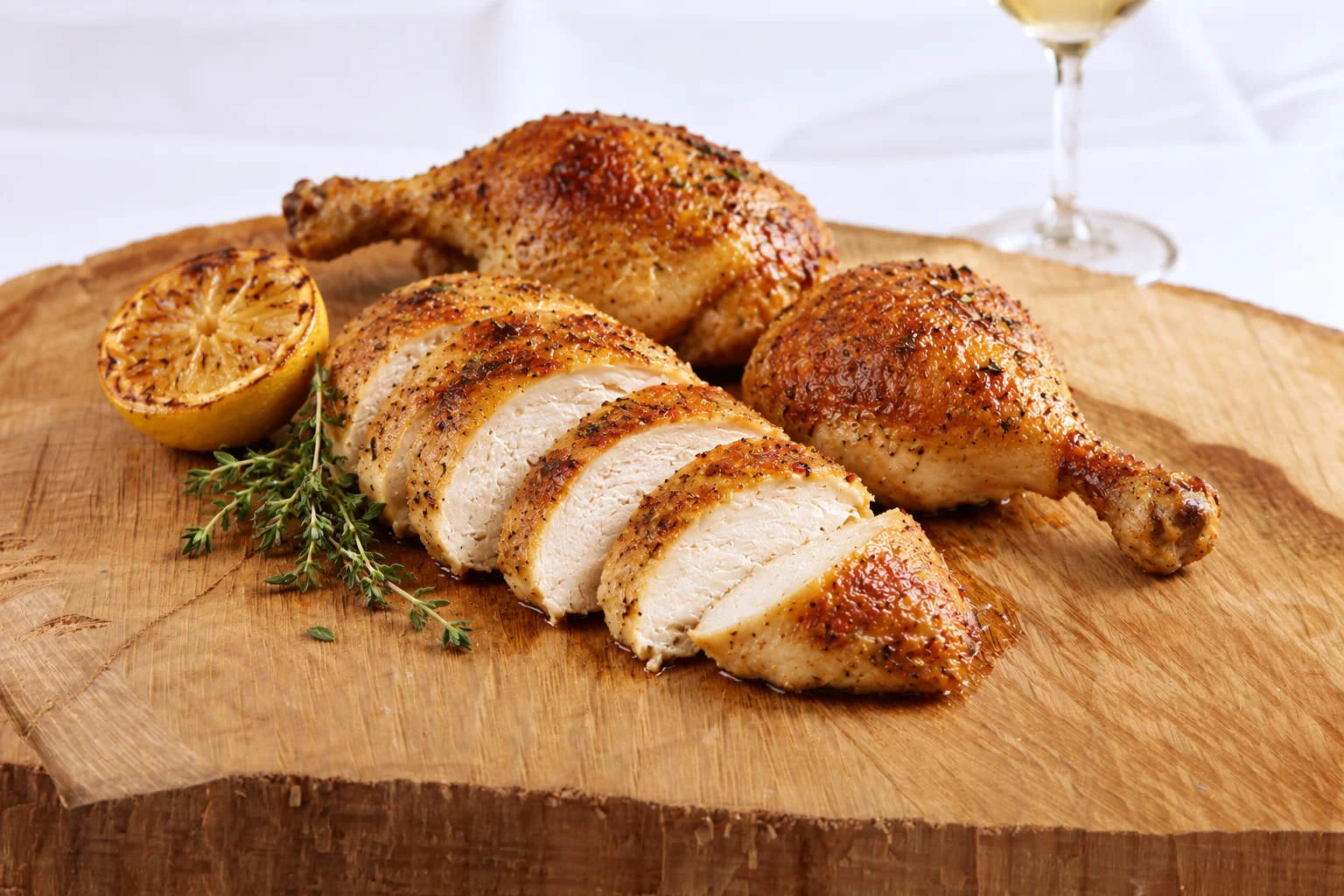
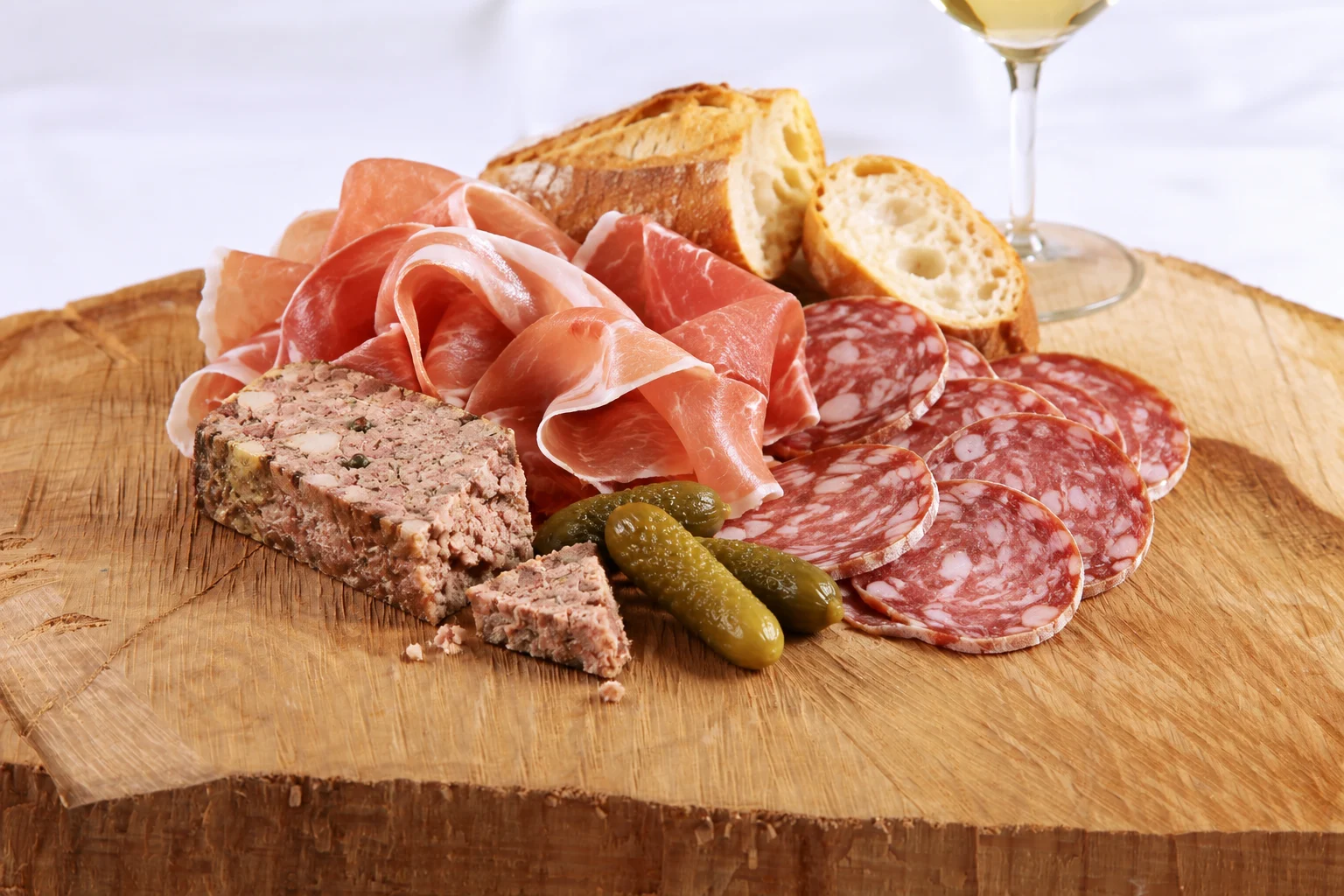
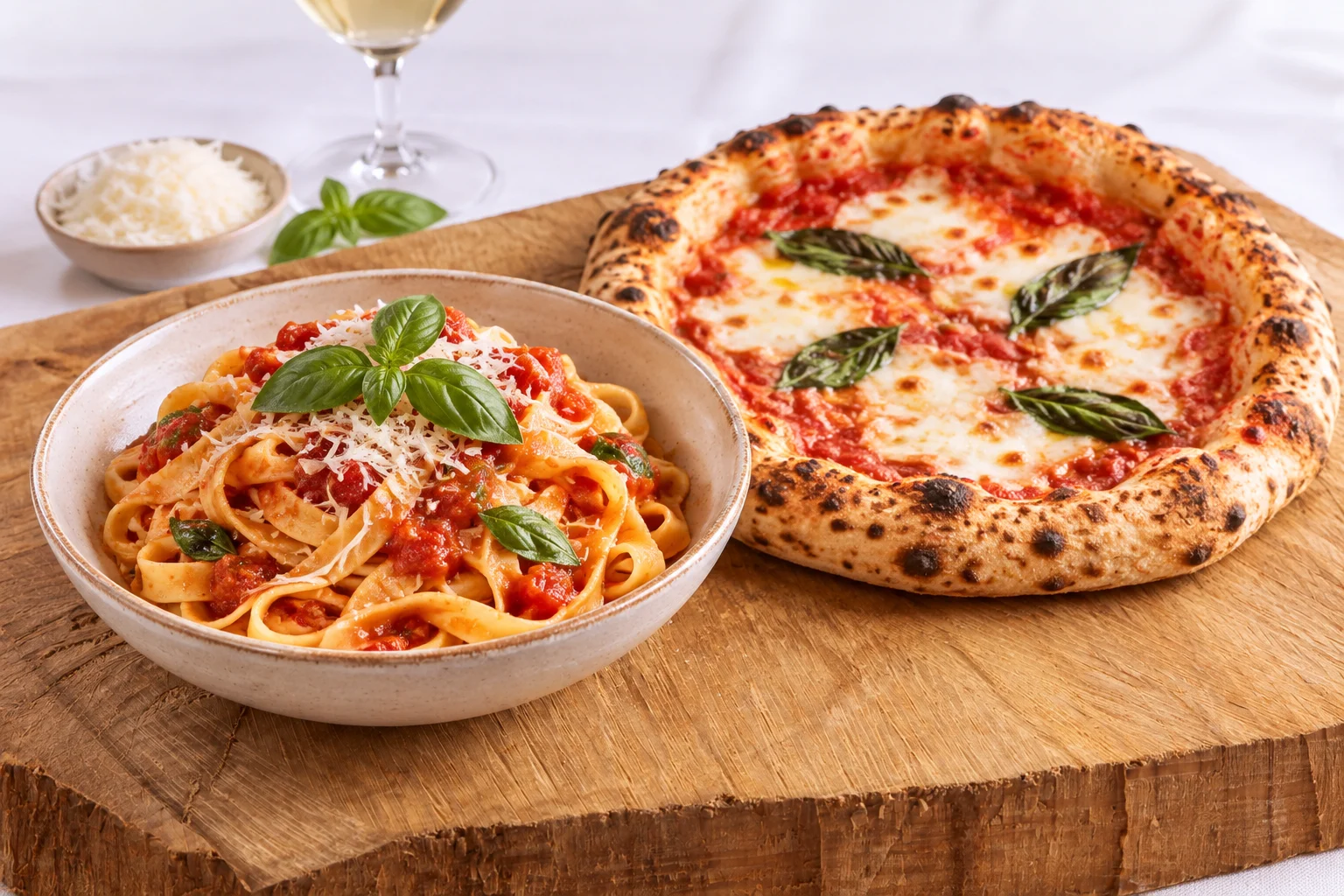
Think of grilled chicken, charcuterie, tapas, roasted vegetables, or light meat dishes. This wine also pairs well with pizza, tomato pasta, or dishes with Mediterranean herbs.
The wine can be served slightly chilled, around 14 to 15 degrees, which further emphasizes its fresh and juicy character.
Character
The wine
Origin
Bottle
Wine features
Parker
The Wine Advocate
RP 94
Reviewed by:
Luis Gutiérrez
Release Price:
$24
Drink Date:
2026 - 2032
The red 2024 Quite was produced with grapes from Valtuille de Abajo and Villadecanes on clay soils and aged for two winters in oak, the first one in troncoconic vats and the second one in barriques. It has fruit and muscle and is a little more reductive and earthy. 2024 was a cooler year, and she does a softer maceration and extraction; she used some stems but only in certain plots, and the percentage is quite low in the final blend. These vineyards were hit by hail, there was a lot of mildew, and it was quite challenging in the valley zone. This is more reserved and austere than the 2023, but it still has a juicy palate and the fine tannins. It comes in with 13.5% alcohol, a pH of 3.62 and 4.65 grams of acidity. 23,000 bottles produced, a shorter volume this year. It was bottled in March 2026. It's a bargain for the price.
2024 was a cool year, with hail that marked the year in the valley. Skins and leaves were damaged, the mildew pressure was increased, and it was difficult to achieve ripeness. The whites come from an opulent and concentrated vintage in 2023, and the 2024 whites are crystalline, fresh and more delicate. The 2024 reds are more austere, serious and elegant and have good tension. Verónica Ortega is very happy with the year. She used less stems in 2024, especially in Valtuille, where some plots could not be harvested. In Cobrana, there was a big mildew pressure, and it was a challenging year with a lot of work in the vineyard. They have a lot of problems with wild boars there, and the low yields meant the wild boars went for the grapes; so, the yields were very low in general—low in the valley due to the hail (twice, one in Valtuille and another one in Arganza) and low in Cobrana because of the wild boars. But the year reflects the place of origin and the soil quite faithfully, and it's a cooler year that always delivers a more precise and less exuberant profile of wines.
Published: Oct 08, 2026
Lorem ipsum dolor sit amet, consectetur adipiscing elit. Sed do eiusmod tempor incididunt ut labore et dolore magna aliqua...
James Suckling
Score: 94
Veronica Ortega Mencia Bierzo Quite 2023
Tuesday, Oct 14, 2025
Color: Red
Country: Spain
Region: Castilla y León
Vintage: 2023
Fruit-forward but serious, showing blackberries, cranberries, redcurrants and plums, with a touch of violets. The palate is medium- to full-bodied, round and approachable, with polished yet precise tannins that linger. From old head-pruned vineyards. 10% whole-cluster fermentation. Great value. Drink now.
Jacobo García Andrade
Senior Editor
Lorem ipsum dolor sit amet, consectetur adipiscing elit. Sed do eiusmod tempor incididunt ut labore et dolore magna aliqua...
Vinous
93
Drinking Window
2025 - 2035
From: El Bierzo & Galicia: The Sil River Illuminates a Different Side of Spanish Wine (Sep 2025)
The 2023 Quite is 100% Mencía from old vines planted on clay soils in Valtuille, Bierzo. Aged in barrel, it opens with reductive notes of black earth, violet and ripe plum, followed by a touch of oak. Dry, juicy and forthright, this offers medium tension and layered flavor expression.
- By Joaquín Hidalgo on September 2025
Originally from Jerez, Verónica Ortega established her winery on the outskirts of Carracedelo in Bierzo. Ortega is a disciple of Raúl Pérez. She works in a stylistic vein similar to Pérez, though not without occasional nods to her Andalusian roots. One example is the Roto, a Palomino aged under flor. Another is the Cobrana, sourced from one of the few limestone-rich corners of the region and vinified with 100% whole clusters. Ortega is particularly adept at capturing a variety’s primary character, as demonstrated in the Cobrana a Bruxa.
Lorem ipsum dolor sit amet, consectetur adipiscing elit. Sed do eiusmod tempor incididunt ut labore et dolore magna aliqua...
Exclusive Content
Sign in to unlock professional wine reviews from world-renowned critics
Veronica is oorspronkelijk afkomstig uit Cádiz, in het zuiden van Spanje, maar verhuisde naar Bierzo, een regio in het noordwesten van Spanje die bekend staat om de productie van Mencía-wijnen. Haar reis in de wijnwereld begon echter in enkele van de meest prestigieuze wijnregio's ter wereld. Ze werkte in de Bourgogne bij legendarische wijnhuizen zoals Domaine de la Romanée-Conti en Domaine Comte Armand, waar ze leerde werken met Pinot Noir en de finesse van de Bourgondische wijnbouw in de praktijk bracht. Vervolgens werkte ze in de Rhône bij Domaine Jean-Louis Chave en later in Priorat en andere delen van Spanje.
Werk in Bierzo
In Bierzo vond Veronica de ideale plek om haar eigen wijnen te maken. Ze begon haar eigen project met oude wijngaarden van Mencía, een druivensoort die kenmerkend is voor deze regio. Haar wijnen zijn elegant, zuiver en vaak gemaakt met respect voor de natuurlijke omgeving. Ze maakt gebruik van biologische wijnbouwpraktijken en experimenteert met verschillende vinificatiemethoden, zoals het gebruik van betonnen tanks, amforen en oudere eiken vaten om de expressie van het terroir te behouden.
Wijnstijl en Filosofie
Veronica Ortega staat bekend om haar streven naar finesse en balans in haar wijnen. Ze gelooft in het minimaliseren van interventies in zowel de wijngaard als de kelder, wat resulteert in wijnen die puur en authentiek zijn. Haar wijnen hebben vaak een mineraal karakter, met een perfecte balans tussen fruitige en aardse tonen, en ze zijn vaak levendig en fris met fijne tannines.
Bekende Wijnen
Enkele van haar bekendste wijnen zijn:
- Cobrana: Een wijn gemaakt van oude Mencía-wijnstokken, bekend om zijn diepte en complexiteit.
- Roc: Een pure uitdrukking van Mencía, met veel fruit, mineraliteit en elegante tannines.
- Quite: Een toegankelijkere wijn, maar met dezelfde focus op kwaliteit en terroir-expressie.
Veronica Ortega wordt beschouwd als een van de opkomende sterren in de Spaanse wijnwereld, en haar werk in Bierzo draagt bij aan de heropleving en internationale erkenning van deze regio.
Deze Quite Mencía toont sappige rode en donkere fruittonen zoals kers, braam en pruim, aangevuld met viooltjes, een lichte aardse reductie, verfijnde tannines en frisse zuren die voor een heldere, minerale structuur zorgen. Daardoor snijdt hij mooi door het vet van charcuterie en gebraden vleessoorten, vult hij de kruidigheid van tapas en mediterrane pizza's aan en zorgt hij voor balans bij pasta met tomatensaus; bereidingen die extra goed werken zijn gegrilde of in de oven geroosterde kip met rozemarijn, licht gegrilde chorizo of serranoham op pizza, en pasta met een frisse tomaat-basilicumsaus of geroosterde groenten.
Choose a category to discover dishes that pair well with this wine.
Do you already have a dish in mind?
Let Sommy find wines to pair with your meal.
Discover Wine Trivia
Sign in to unlock fascinating facts about this wine and expand your knowledge.
Sign In