

2023 Marcel Deiss Engelgarten BIO

| Type of Wine | White |
|---|---|
| Country | France |
| Region | Alsace |
| Winery | |
| Vintage | 2023 |
| Grape | , , |
| Content (Alc) | Standard (0.75 ltr) (14%) |
| Drink window | 2026 - 2054 |
Ordering in bulk? Log in to request a quote
In stock
11 items available
Notities
Foto
Proefnotities
Heb je deze wijn geproefd?
Bewaar je beoordeling en aantekeningen.
Bewaar je beoordeling en aantekeningen.
Heb je deze wijn geproefd?
Log in om je proefnotitie op te slaan.
Log in om je proefnotitie op te slaan.
Log inHoe wil je je wijn beoordelen?
Max 5 MB. JPG, PNG, WebP.
Hoe smaakt het?
Klik op wat het beste past. Alles is optioneel.
Welke geuren en smaken herken je?
Klik op alles wat je herkent. Dit is optioneel.
Uiterlijk
Neus
Aroma's (neus)
Smaak
Smaken (mond)
Afdronk
Wijngegevens
Automatisch ingevuld vanuit productgegevens.
Persoonlijke gegevens
Marcel Deiss – the undisputed guru of field blends from Alsace. Jean-Michel Deiss is a unique, unconventional winemaker who produces exceptional wines. Biodynamics and terroir expression go hand in hand, and he firmly believes that "the vineyard comes before the grape variety."
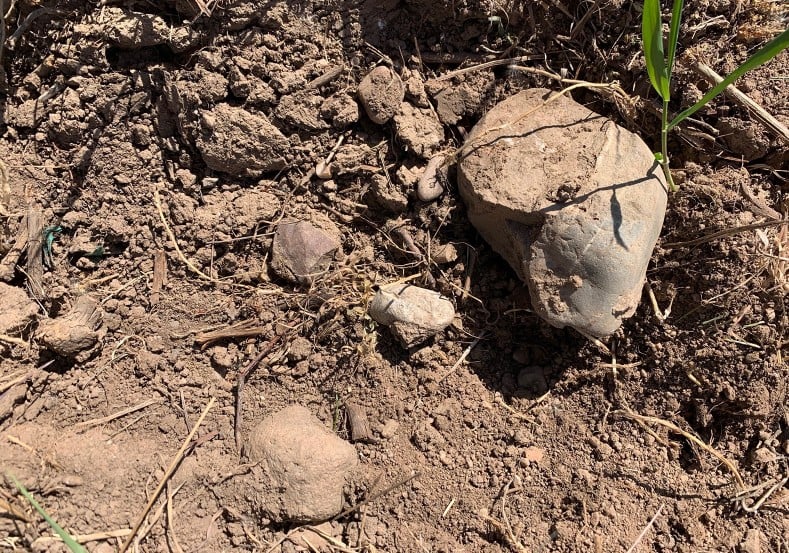
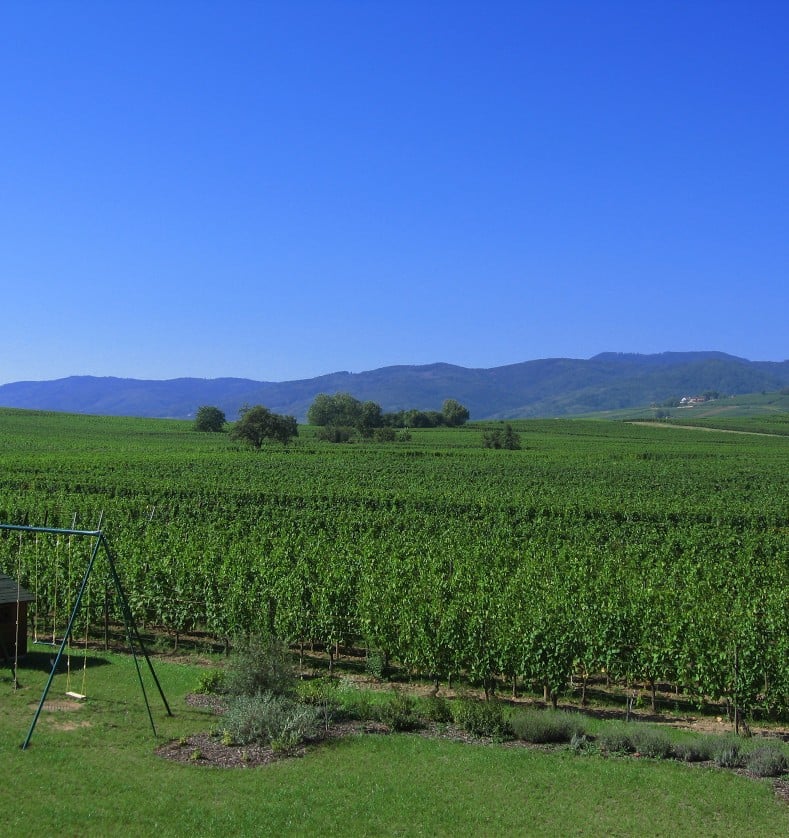
The Engelgarten vineyard is one of the finest terroirs in the Bergheim area. The white, dry gravel soil creates a warm climate where the vines struggle to survive. The old vineyard is carefully cultivated according to biodynamic principles. The relatively old vines produce small grapes with high aromatic concentration and complexity. Riesling, Pinot Gris, Pinot Beurot, Muscat, and Pinot Noir are planted together in this vineyard (complantation) – a true field blend vineyard.
The Marcel Deiss Engelgarten is dry, mineral, warm, and stony all at once. Complex and layered, it boasts enormous aging potential. The nose reveals aromas of ripe pear and orange peel, complemented by striking mineral notes (like pebbles drying in the sun). Soft on the palate, it tightens with a vibrant acidity and a substantial minerality.
ABOUT MARCEL DEISS
Domaine Marcel Deiss is one of the finest producers in Alsace. The estate was founded in 1947, but the Deiss family's history in winemaking goes back much further. The current owner and winemaker, Jean-Michel Deiss, emphatically embraces a terroir philosophy. About 40 years ago, he changed course to forge his own path in the then-varietal-focused wine market. This viticultural method, in which entire hectares of vineyards are planted with a single grape variety, produces characterless wines and unhealthy vineyards, he believes. The trick is to capture the enormous diversity of this unique wine region, with all its subclimates and soil compositions, in the wines. "The vineyard comes before the grape variety," is his firm belief.................... Read more under the Tab/Link: Winery
ENGELGARTEN VINEYARD
| Type of Wine | White |
|---|---|
| Country | France |
| Region | Alsace |
| Winery | Marcel Deiss |
| Grape | Gewurztraminer, Pinot Noir, Riesling |
| Biological certified | Yes |
| Natural wine | No |
| Vegan | No |
| Vintage | 2023 |
| Drinking as of | 2026 |
| Drinking till | 2054 |
| Alcohol % | 14 |
| Alcohol free/low | No |
| Content | Standard (0.75 ltr) |
| Oak aging | Yes |
| Sparkling | No |
| Dessert wine | No |
| Closure | Cork |
| Parker rating | 90 |
| James Suckling rating | 94 |
| Vinous rating | 92 |
| Tasting Profiles | Aards, Complex, Droog, Fris, Krachtig, Mineraal, Rijk, Rond, Wit fruit |
| Drink moments | Barbecue, Borrelen, Iets te vieren, Indruk maken, Lekker luxe, Met vrienden, Open haard, Romantisch, Summer party, Terras, Voor alledag |
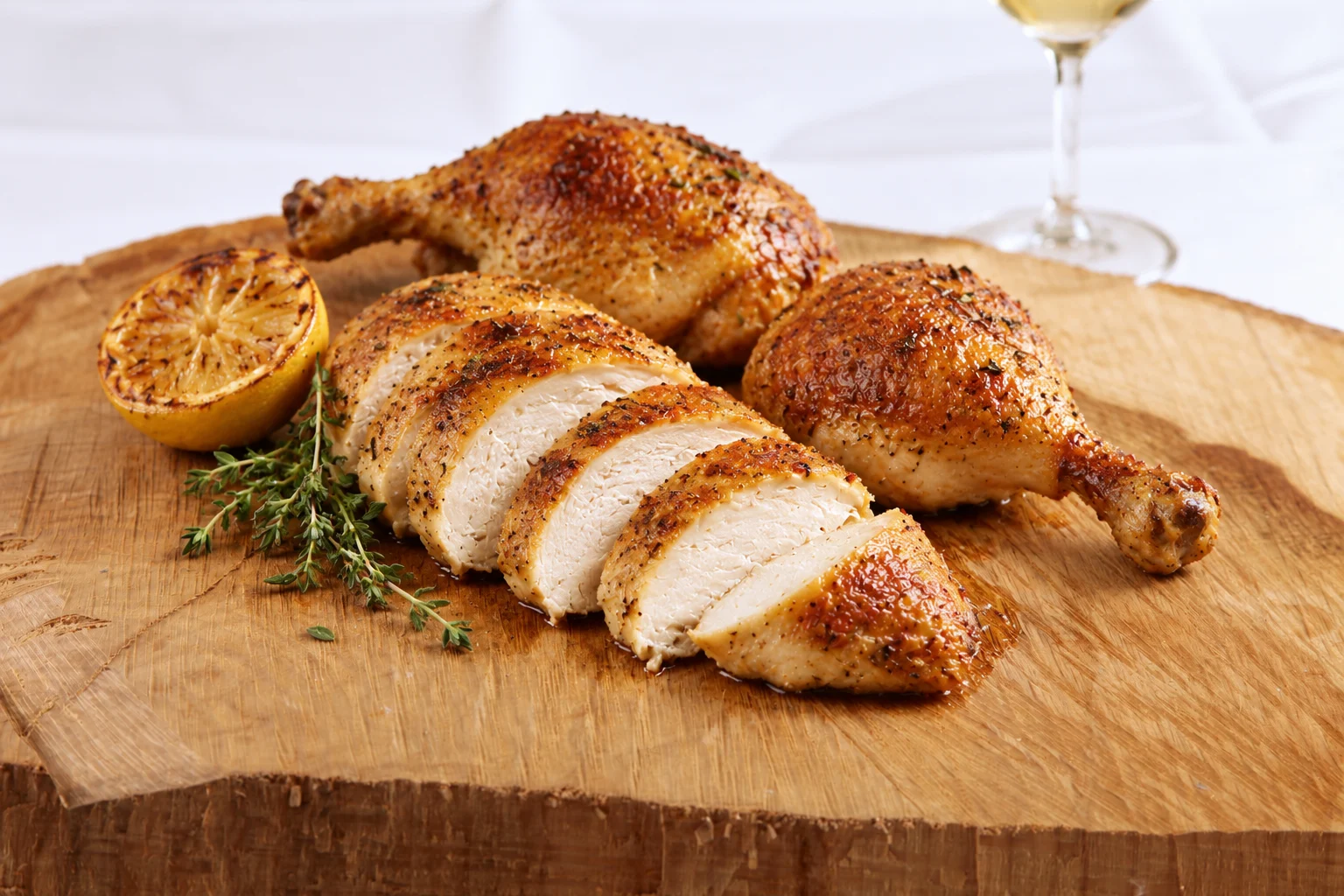
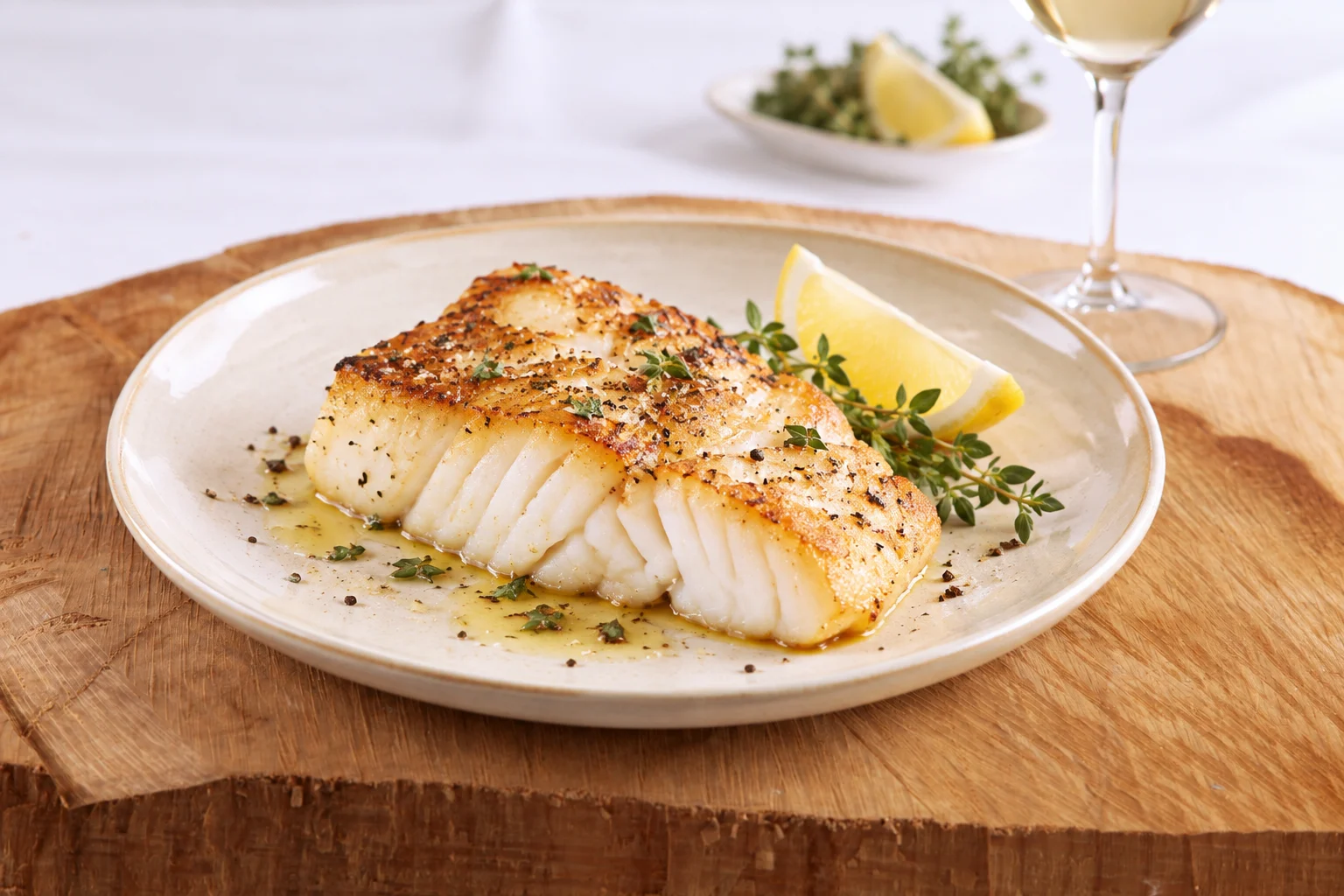
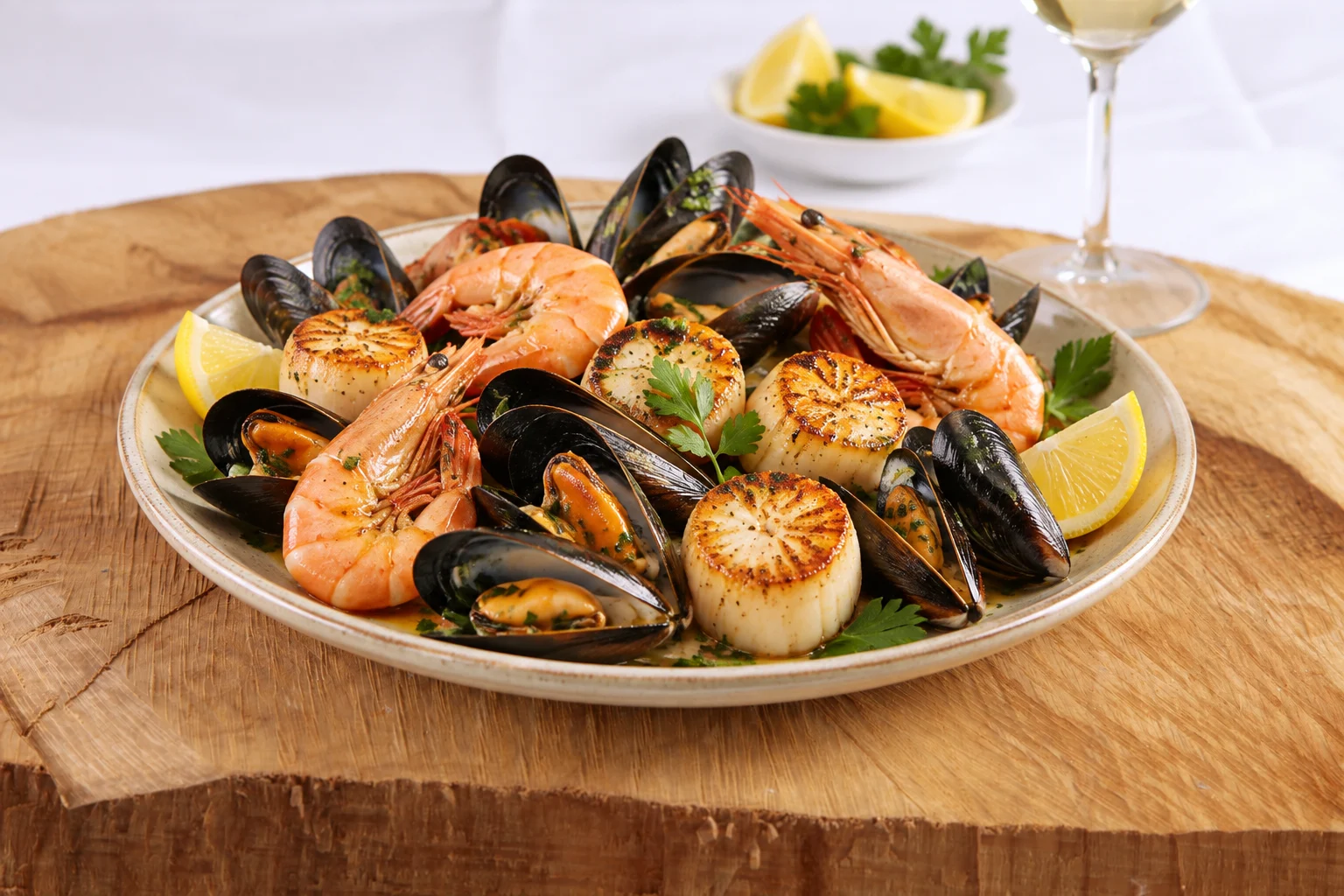
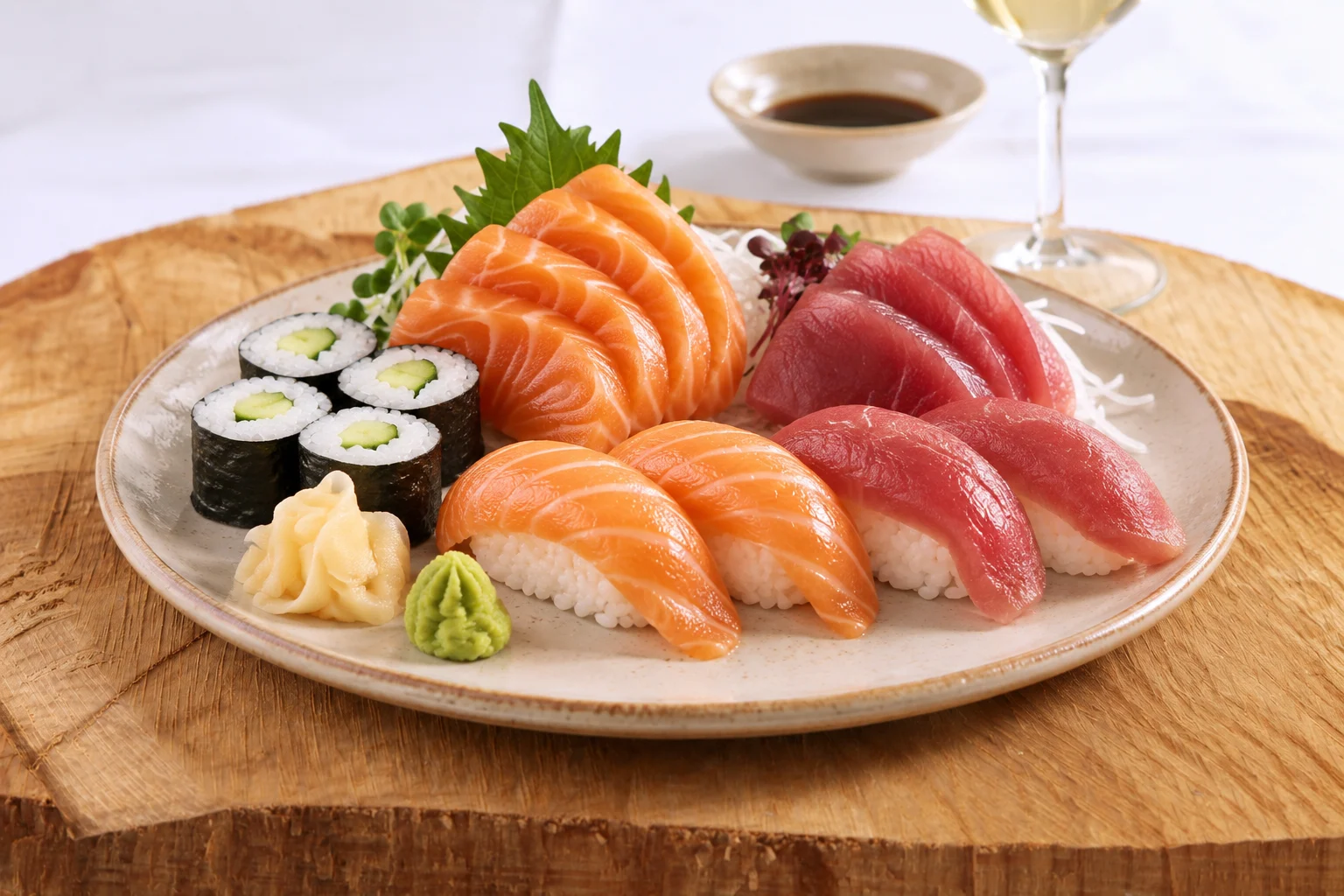
| Sommy Pairing Beschrijving | Deze biologische Engelgarten 2023 toont rijpe peer- en sinaasappelaroma's met een opvallende kiezelachtige mineraliteit, subtiele kruideninvloeden en een levendige, zeste zurigheid die de volle 14% alcohol mooi draagt. Daardoor snijdt hij vet van gevogelte en rijke witte vis, accentueert hij de zilte elegantie van schelpdieren en versterkt hij de delicate smaken van sushi en sashimi; extra mooi bij gegrilde of geroosterde bereidingen van vis en gevogelte, bij licht gebakken of gekaramelliseerde coquilles en bij sashimi of nigiri met een scheut yuzu of ponzu om de citrusrijke zuren te benadrukken. |
Parker
2015 Domaine Marcel Deiss Engelgarten
RP 90
Reviewed by: Stephan Reinhardt
Drink Date: 2020 - 2030
The 2015 Engelgarten is clear, deep, fresh and flinty on the nose. Ripe, lush and round on the palate, but with a finely grained and racy acidity, this is a well-balanced, elegant and lingeringly salty, Riesling-dominated white wine that reveals a good tannin structure and needs another two or three years to gain more charm and a even rounder, more finessed texture.
Lorem ipsum dolor sit amet, consectetur adipiscing elit. Sed do eiusmod tempor incididunt ut labore et dolore magna aliqua...
James Suckling
DOMAINE MARCEL DEISS ALSACE ENGELGARTEN 2015
Score
94
Spicy with hints of orange zest and bergamot, this is rich and firmly structured. Really complex and fascinating. A long-term wine that is still quite shy, but has great aging potential. Better from 2019. A complex field blend made from organically grown grapes.
Lorem ipsum dolor sit amet, consectetur adipiscing elit. Sed do eiusmod tempor incididunt ut labore et dolore magna aliqua...
Vinous
2020 Engelgarten
92
Drinking Window
2025 - 2040
From: Alsace 2020s and 2021s: Just like Janus (Apr 2023)
The 2020 Engelgarten is a field blend of Riesling, Pinot Gris, Pinot Noir and Muscat from behind the winery on alluvial gravel mixed with clay and marl. The nose is subtle, with hints of apricot and golden pear. The palate is dry but has a lovely roundness, a certain viscosity underlined by a tingling citrus pith alongside the edges. Grapefruit zest is mouth-watering on the dry, long and defined finish. (Dry)
- By Anne Krebiehl MW on February 2023
Lorem ipsum dolor sit amet, consectetur adipiscing elit. Sed do eiusmod tempor incididunt ut labore et dolore magna aliqua...
Exclusive Content
Sign in to unlock professional wine reviews from world-renowned critics
Domaine Marcel Deiss is one of the best producers in Alsace. The house was founded in 1947, but the history of the Deiss family in viticulture goes back much further. The current owner and winemaker, Jean-Michel Deiss, emphatically opts for a terroir philosophy. About 40 years ago he changed course to completely choose his own path in the grape variety-oriented wine market at that time. This way of viticulture, in which entire hectares of vineyards are planted with a single grape variety, creates characterless wines and unhealthy vineyards, according to him. It is precisely the art of capturing the enormous diversity of this special wine region, with all its sub-climates and soil compositions, in the wines.
“The vineyard takes precedence over the grape variety”, is his firm conviction. That is why he planted grape varieties in various vineyards together (complantation), as the winegrowers used to do. This promotes biodiversity in the vineyard: the different grape varieties reinforce and support each other. Other local crops, trees and shrubs in and around the vineyards provide even greater biodiversity. In the vineyards, work is done manually as much as possible and according to biodynamic principles. Vertical growth of the roots is stimulated as much as possible: the deeper the roots go into the soil, the more nutrients and characteristics of the vineyard the vines can absorb.
Deiss distinguishes between the 'vins de fruits' and the 'vins de terroirs'. The first group often concerns varietal wines that are extremely pure, have a high concentration and clearly reflect the vintage. The terroir wines are the regional, communal or vineyard wines, where the wine is much more influenced by the terroir than by a grape variety. These wines are made from at least 3 grape varieties, but sometimes from 13 varieties. The wines can differ greatly per terroir and per vintage. The winemaking philosophy is simple: intervene as little as possible so that the terroir speaks fully. "The wine has to 'form' itself and needs only the most necessary support from the winemaker," says Jean-Michel. Deiss wines excel through precision, concentration and a wonderfully soft mouthfeel. Despite Jean-Michel's specific views, the wines cannot be called 'difficult', and they therefore have a wide range of enthusiasts.
Deze biologische Engelgarten 2023 toont rijpe peer- en sinaasappelaroma's met een opvallende kiezelachtige mineraliteit, subtiele kruideninvloeden en een levendige, zeste zurigheid die de volle 14% alcohol mooi draagt. Daardoor snijdt hij vet van gevogelte en rijke witte vis, accentueert hij de zilte elegantie van schelpdieren en versterkt hij de delicate smaken van sushi en sashimi; extra mooi bij gegrilde of geroosterde bereidingen van vis en gevogelte, bij licht gebakken of gekaramelliseerde coquilles en bij sashimi of nigiri met een scheut yuzu of ponzu om de citrusrijke zuren te benadrukken.
Choose a category to discover dishes that pair well with this wine.
Do you already have a dish in mind?
Let Sommy find wines to pair with your meal.
Discover Wine Trivia
Sign in to unlock fascinating facts about this wine and expand your knowledge.
Sign In