


2023 Langmeil Three Gardens Viognier Marsanne Roussanne
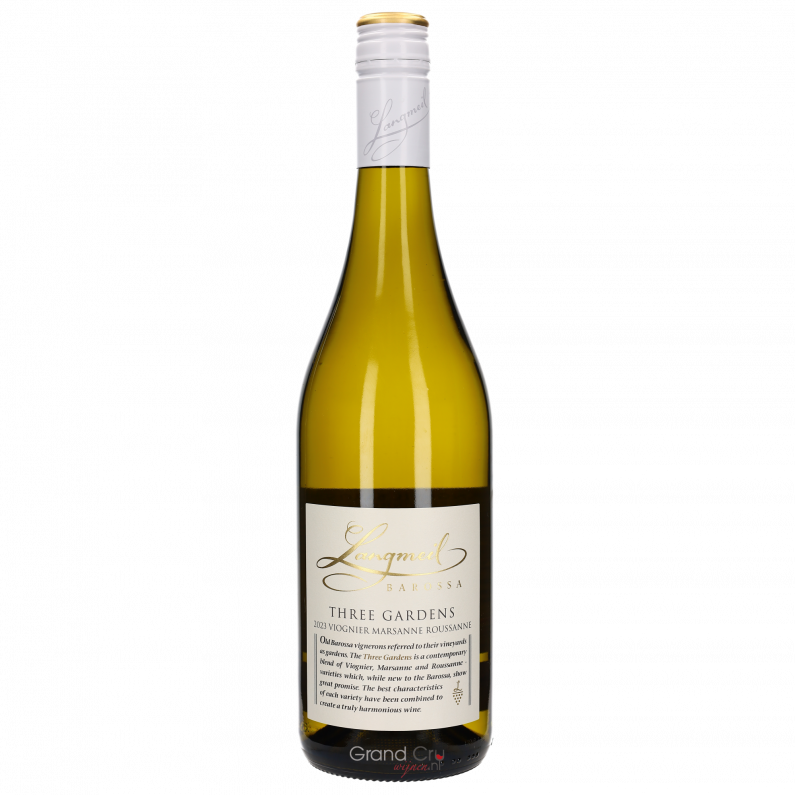
De specificaties zoals vermeld bij de wijn (o.a. wijnjaar) en in de titel zijn leidend en er kunnen geen rechten worden ontleend aan de afbeelding die wordt getoond. Lees meer in onze Frequenty asked questions
| Type of Wine | White |
|---|---|
| Country | Australia |
| Region | |
| Winery | |
| Vintage | 2024 |
| Grape | , , |
| Content (Alc) | 0.75 ltr (13.5%) |
| Drink window | 2025 - 2028 |
In stock
12 items available

Description
Langmeil and the vineyards of Three Gardens
Langmeil is a historic wine estate in the Barossa region, dating back to 1843 and renowned for its authentic approach to grapes and terroir. The estate practices sustainable viticulture, respecting the soil and the characteristics of old vineyards. Three Gardens is one of the brands under which Langmeil releases its blends, focusing on balance, freshness, and enjoyable drinking. Under the Winery tab, you'll find extensive background information about the estate and its philosophy.
The Barossa climate and terroir for this blend
Barossa is warm and dry, with sunny days and mild nights. For white blends like this, this climate produces ripe grapes with sufficient aromatic intensity. The soil is varied, often with a mix of sand, clay, and limestone, which helps retain freshness and mineral tension despite the heat. This makes Barossa ideally suited for blends with Mediterranean grape varieties like Viognier, Marsanne, and Roussanne.
The grapes for Three Gardens are carefully selected and harvested at the perfect time to ensure a balance of ripe fruit and fresh acidity. This is crucial in warm regions to preserve the aromas and energy.
Grapes and vinification of the 2023 Three Gardens Viognier Marsanne Roussanne
This blend is composed of Viognier, Marsanne, and Roussanne. Each varietal contributes uniquely: Viognier provides aromatic intensity and floral notes, Marsanne adds structure and fullness, and Roussanne adds elegance and fine minerality.
After harvest, the grapes are vinified separately. Fermentation usually takes place in stainless steel to preserve the fresh, fruity, and aromatic characters. Sometimes a small portion is fermented or aged in used oak barrels to add extra texture and complexity without overpowering the purity. The result is a blend that is fresh, expressive, and balanced.
Color, aroma and taste of the 2023 Three Gardens blend
The color is light golden yellow and sparkling. The nose reveals floral aromas of peach, white flowers, ripe pear, and subtle aromatic layers. The blend opens fresh and inviting.
On the palate, the wine is medium-bodied with a soft texture, fresh acidity, and a lively fruitiness. Aromas and flavors of peach, apricot, white flowers, and light spices combine with a pleasant minerality. The finish is elegant, fruity, and balanced. This blend offers a pleasant drinking experience without being heavy.
Would you like to order Langmeil wines online?
If available, you'll find the official fact sheet and additional information about this fine wine in the "Attachments" tab. We'll automatically send you these when you order this wine. The wine is stored in our climate-controlled Wine Warehouse, and if you pick it up, you'll often receive a nice discount. You'll see your discount immediately when you select "Pick up" at the checkout page. We're located in Dordrecht, just off the A16 motorway with ample parking. Click here for our address. You can read full wine reviews from publications like Parker, Suckling, Vinous, and Wine Spectator.
Need advice on finding the perfect wine to pair with your dish? Click here for our exclusive Sommelier. Free for Grand Cru customers.
Wine and food pairings for the 2023 Three Gardens blend
Grilled zucchini and pepper with olive oil and herbs
The fresh acidity and fruity notes support the Mediterranean flavours and smokiness of the vegetables.
Baked salmon with lemon and dill
The floral and fruity aromas of the wine beautifully complement the soft, subtle taste of the fish.
Salad with goat cheese, peach and arugula
The freshness and light fruitiness of the blend enhance the creamy cheese and sweet notes of the peach.
Pasta with fennel, leek and light cream sauce
The wine's elegant texture and mineral elements complement the soft flavors and spices of this dish.
Chicken with Provencal herbs and roasted potato
The combination of juicy meat, herbs and the lively acidity of the wine creates a beautiful balance.
Risotto with zucchini and lemon
The fresh acidity and fruity notes support the creamy texture of the risotto and give the dish elegance.
Specifications
| Type of Wine | White |
|---|---|
| Country | Australia |
| Region | Barossa |
| Winery | Langmeil |
| Grape | Marsanne, Roussanne, Viognier |
| Biological certified | No |
| Natural wine | No |
| Vegan | No |
| Vintage | 2024 |
| Drinking as of | 2025 |
| Drinking till | 2028 |
| Alcohol % | 13.5 |
| Alcohol free/low | No |
| Content | 0.75 ltr |
| Oak aging | No |
| Sparkling | No |
| Dessert wine | No |
| Closure | Screw cap |
| Tasting Profiles | Droog, Fris, Fruitig |
| Drink moments | Barbecue, Borrelen, Terras, Voor alledag |
Wijnhuis
With a rich tradition dating back to 1842 and a unique European (Oberschlesien) influence, Barossa Valley has become Australia's most famous wine region. Achieving five stars in James Halliday's Wine Companion in six consecutive years has made Langmeil one of the leading wine producers in the area. The objective of this winery is to make top wine that comes 100% from Barossa and from grape varieties that excel in this area. Although some of its vineyards are much older, Langmeil was founded in 1996 by three friends: Chris Bitter, Carl Lindner and Richard Lindner. The original winery, which had been located on the estate since 1930, closed in 1988 and sat there untouched until 1996. The careful restoration of this took years.
Today, the Chief Winemaker Paul Lindner oversees the vinification process and pays particular attention to the making of wine from individual vineyards, minimal handling and careful filtration in order to guarantee distinctly well-balanced wines with subtle complexity. Langmeil shows that Barossa is capable of producing not only easily approachable wines, but also more complex varieties with excellent aging potential.
Doomed to make way for house building, ten rows of 140-year-old Shiraz vines were rescued by Langmeil and relocated. This saved part of the Barossa heritage. These 'orphans' share the same ancestry as their Freedom vineyard, planted in 1800 on what then had the same allotment: 'section 36, Hundred of Moorooroo'. When Christian Auricht died in 1860, this 'family' of Shiraz was split up. 146 years later, with the generous help of the Langmeil team as adoptive parents, the winery has managed to bring the herd back together.
Langmeil and the vineyards of Three Gardens
Langmeil is a historic wine estate in the Barossa region, dating back to 1843 and renowned for its authentic approach to grapes and terroir. The estate practices sustainable viticulture, respecting the soil and the characteristics of old vineyards. Three Gardens is one of the brands under which Langmeil releases its blends, focusing on balance, freshness, and enjoyable drinking. Under the Winery tab, you'll find extensive background information about the estate and its philosophy.
The Barossa climate and terroir for this blend
Barossa is warm and dry, with sunny days and mild nights. For white blends like this, this climate produces ripe grapes with sufficient aromatic intensity. The soil is varied, often with a mix of sand, clay, and limestone, which helps retain freshness and mineral tension despite the heat. This makes Barossa ideally suited for blends with Mediterranean grape varieties like Viognier, Marsanne, and Roussanne.
The grapes for Three Gardens are carefully selected and harvested at the perfect time to ensure a balance of ripe fruit and fresh acidity. This is crucial in warm regions to preserve the aromas and energy.
Grapes and vinification of the 2023 Three Gardens Viognier Marsanne Roussanne
This blend is composed of Viognier, Marsanne, and Roussanne. Each varietal contributes uniquely: Viognier provides aromatic intensity and floral notes, Marsanne adds structure and fullness, and Roussanne adds elegance and fine minerality.
After harvest, the grapes are vinified separately. Fermentation usually takes place in stainless steel to preserve the fresh, fruity, and aromatic characters. Sometimes a small portion is fermented or aged in used oak barrels to add extra texture and complexity without overpowering the purity. The result is a blend that is fresh, expressive, and balanced.
Color, aroma and taste of the 2023 Three Gardens blend
The color is light golden yellow and sparkling. The nose reveals floral aromas of peach, white flowers, ripe pear, and subtle aromatic layers. The blend opens fresh and inviting.
On the palate, the wine is medium-bodied with a soft texture, fresh acidity, and a lively fruitiness. Aromas and flavors of peach, apricot, white flowers, and light spices combine with a pleasant minerality. The finish is elegant, fruity, and balanced. This blend offers a pleasant drinking experience without being heavy.
Would you like to order Langmeil wines online?
If available, you'll find the official fact sheet and additional information about this fine wine in the "Attachments" tab. We'll automatically send you these when you order this wine. The wine is stored in our climate-controlled Wine Warehouse, and if you pick it up, you'll often receive a nice discount. You'll see your discount immediately when you select "Pick up" at the checkout page. We're located in Dordrecht, just off the A16 motorway with ample parking. Click here for our address. You can read full wine reviews from publications like Parker, Suckling, Vinous, and Wine Spectator.
Need advice on finding the perfect wine to pair with your dish? Click here for our exclusive Sommelier. Free for Grand Cru customers.
Wine and food pairings for the 2023 Three Gardens blend
Grilled zucchini and pepper with olive oil and herbs
The fresh acidity and fruity notes support the Mediterranean flavours and smokiness of the vegetables.
Baked salmon with lemon and dill
The floral and fruity aromas of the wine beautifully complement the soft, subtle taste of the fish.
Salad with goat cheese, peach and arugula
The freshness and light fruitiness of the blend enhance the creamy cheese and sweet notes of the peach.
Pasta with fennel, leek and light cream sauce
The wine's elegant texture and mineral elements complement the soft flavors and spices of this dish.
Chicken with Provencal herbs and roasted potato
The combination of juicy meat, herbs and the lively acidity of the wine creates a beautiful balance.
Risotto with zucchini and lemon
The fresh acidity and fruity notes support the creamy texture of the risotto and give the dish elegance.
| Type of Wine | White |
|---|---|
| Country | Australia |
| Region | Barossa |
| Winery | Langmeil |
| Grape | Marsanne, Roussanne, Viognier |
| Biological certified | No |
| Natural wine | No |
| Vegan | No |
| Vintage | 2024 |
| Drinking as of | 2025 |
| Drinking till | 2028 |
| Alcohol % | 13.5 |
| Alcohol free/low | No |
| Content | 0.75 ltr |
| Oak aging | No |
| Sparkling | No |
| Dessert wine | No |
| Closure | Screw cap |
| Tasting Profiles | Droog, Fris, Fruitig |
| Drink moments | Barbecue, Borrelen, Terras, Voor alledag |
With a rich tradition dating back to 1842 and a unique European (Oberschlesien) influence, Barossa Valley has become Australia's most famous wine region. Achieving five stars in James Halliday's Wine Companion in six consecutive years has made Langmeil one of the leading wine producers in the area. The objective of this winery is to make top wine that comes 100% from Barossa and from grape varieties that excel in this area. Although some of its vineyards are much older, Langmeil was founded in 1996 by three friends: Chris Bitter, Carl Lindner and Richard Lindner. The original winery, which had been located on the estate since 1930, closed in 1988 and sat there untouched until 1996. The careful restoration of this took years.
Today, the Chief Winemaker Paul Lindner oversees the vinification process and pays particular attention to the making of wine from individual vineyards, minimal handling and careful filtration in order to guarantee distinctly well-balanced wines with subtle complexity. Langmeil shows that Barossa is capable of producing not only easily approachable wines, but also more complex varieties with excellent aging potential.
Doomed to make way for house building, ten rows of 140-year-old Shiraz vines were rescued by Langmeil and relocated. This saved part of the Barossa heritage. These 'orphans' share the same ancestry as their Freedom vineyard, planted in 1800 on what then had the same allotment: 'section 36, Hundred of Moorooroo'. When Christian Auricht died in 1860, this 'family' of Shiraz was split up. 146 years later, with the generous help of the Langmeil team as adoptive parents, the winery has managed to bring the herd back together.
Wine Trivia
🍷 Enjoyed these wine facts? Share your newfound knowledge with fellow wine enthusiasts!
Discover Wine Trivia
Sign in to unlock fascinating facts about this wine and expand your knowledge.
Sign In