

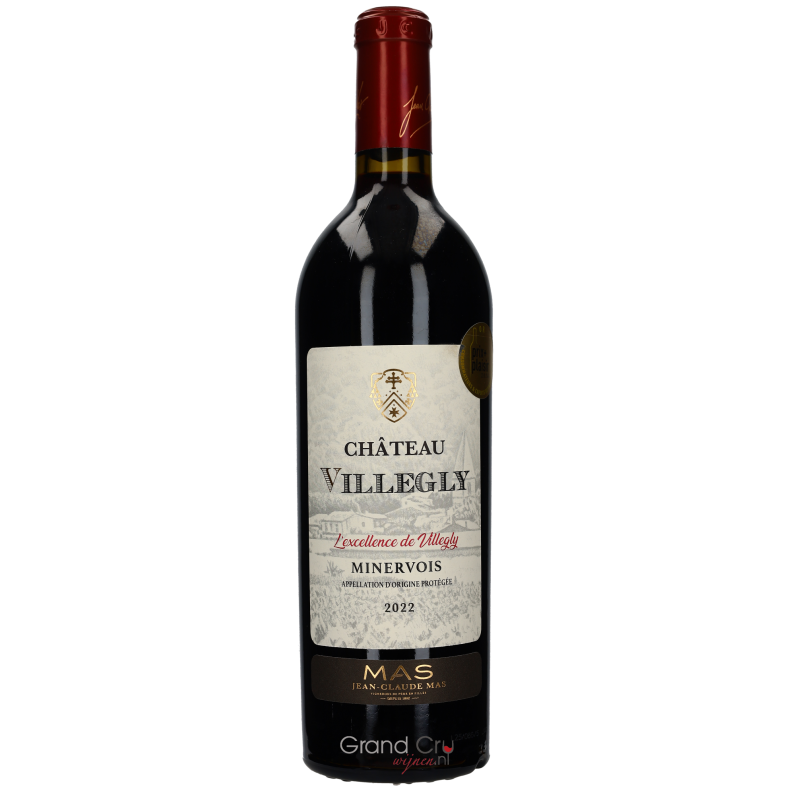
2022 Château Villegly La Matte
How does this wine taste?
How full and heavy the wine feels in your mouth, like the difference between skimmed milk and cream. More alcohol, sugar and oak ageing make a wine fuller.
The drying, grippy feel on your gums and tongue, as with strong tea. It comes from the skins and seeds of black grapes and from oak, and softens with age.
How much sugar you taste, from dry to sweet. Fruity is not the same as sweet: a dry wine can taste of ripe fruit.
How fresh and juicy the wine is: acidity makes your mouth water. High acidity tastes lively and refreshing, low acidity soft and round.
What we taste What you taste Click a taste for what it means
The bars follow how sommeliers taste (WSET): body, tannin, sweetness and acidity, each from low to high.
Body: full-bodied. Like most red wines from ; 14% alcohol.
Tannin: firm. Aged in oak.
Sweetness: dry. Red wine from is almost always dry.
Acidity: medium. The warm climate of .
Nothing noted for this wine yet. What do you smell, and how long does the taste linger?
Have you tasted this wine?
Save your rating and notes.
Save your rating and notes.
Have you tasted this wine?
Log in to save your tasting note.
Log in to save your tasting note.
Log inDomaines Paul Mas was founded in 1892. The current owner is Jean-Claude Mas, who is undoubtedly the pioneer in the resurgence of the Languedoc as a region for quality wines. Jean-Claude characterizes his wines as 'Le Luxe Rural', rural luxury. With international grape varieties, he has given the Languedoc 'New World' allure. And with his fashionable wines made from local grapes, he has made the local character of the Languedoc hip again among wine lovers. Hubrecht Duijker rightly calls Jean-Claude Mas a 'wine wizard', and at Grandcruwijnen, we are the only ones in the Netherlands to carry Paul Mas's high-end Grand Crus.
Jean-Claude characterizes his wines as 'Le Luxe Rural', rural luxury. With international grape varieties, he has given the Languedoc 'New World' allure. And with his fashionable wines made from local grapes, he has made the local character of the Languedoc hip again among wine lovers.
Midway between Carcassonne and Caunes-Minervois lies Château Villegly, an estate and vineyard operated by Jean-Claude Mas since early 2018, 20 hectares of which are located in the Minervois appellation. Featuring a beautiful stone cellar dating from the late 19th to early 20th centuries, this estate also has the unique feature of possessing a 20-hectare Merlot plot with rows 1.6 km long, and that it consists primarily of red grape varieties such as Syrah, Grenache noir, Carignan, Cinsault, Caladoc, Alicante, and Cabernet Sauvignon. Wines from the Minervois are characterized by less harshness and are more drinkable than wines from the nearby Corbières. The vineyards in the Minervois appellation are situated at an altitude of 130-220 meters. The soil consists of stone and weathered sandstone. A Mediterranean climate prevails. The vines are between 25 and 55 years old.
De La Matte is a blend of 45% Syrah, 30% Grenache, 15% Cinsault, and 10% Carignan. The grapes are destemmed and vinified separately. The Carignan grapes undergo carbonic maceration. Fermentation lasts 20 days. Subsequently, the wine ages for 10 months in American oak barrels, 40% of which are new.
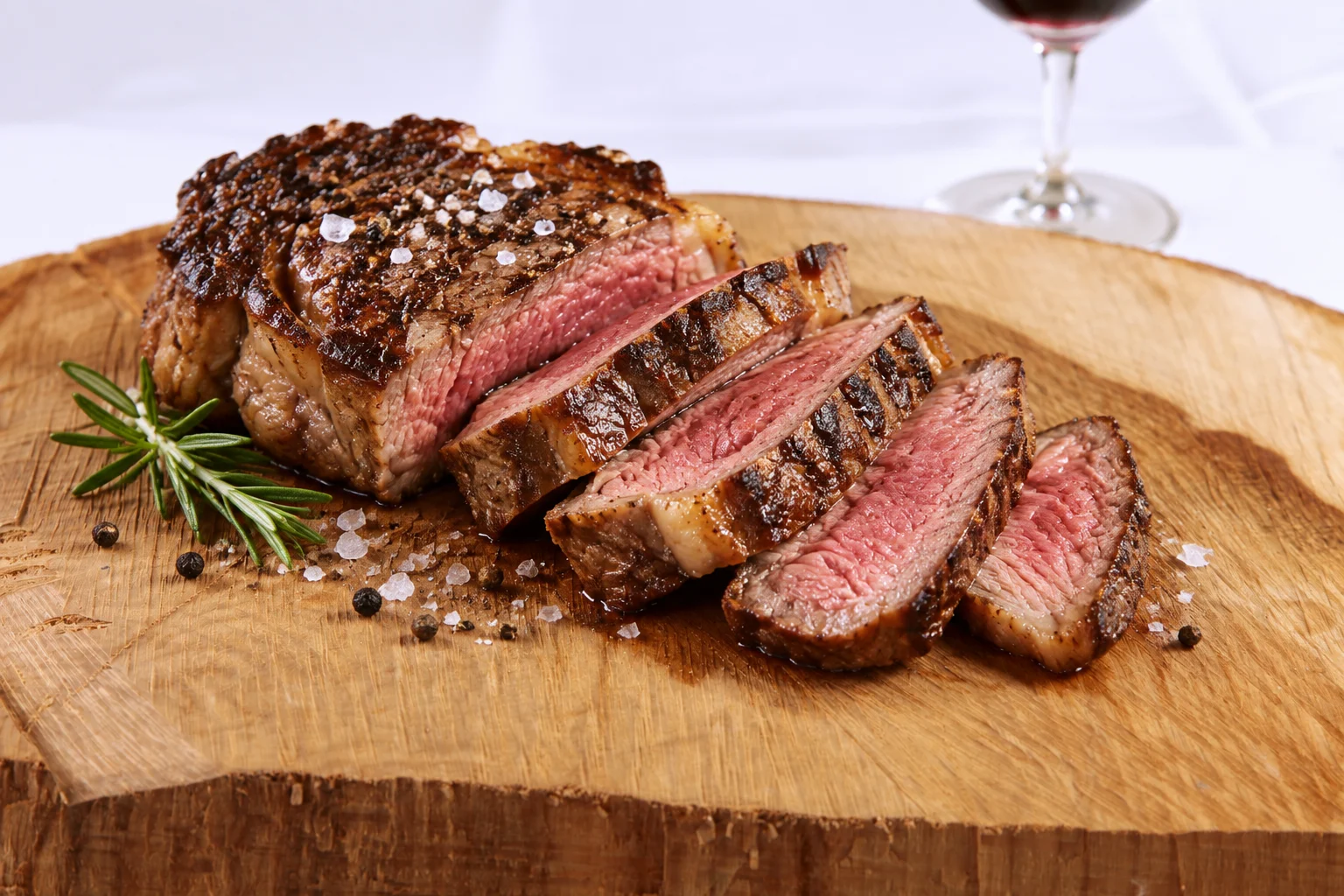
In the glass, Chateau Villegly La Matte has a beautiful, rich, and deep color. The nose reveals aromas of blackcurrants, violets, and blackberries that evolve into notes of cocoa and sweet spices. On the palate, the wine is generous, well-balanced, and fruity. La Matte is a silky, dry, and fleshy wine with pronounced fruit aromas, spicy notes of fruit tarts, apples, and cedarwood, with a mineral finish nuanced by crisp tannins. Delicious with grilled red meat such as prime rib, duck breast, and ossobucco. Like all its wines, Château Villegly La Matte from Domaine Paul Mas offers excellent value for money.
Character
The wine
Origin
Bottle
Wine features
The history of Domaine Paul Mas begins over a century ago, when Auguste Mas worked 9 hectares of vineyards in the Midi. In 1934 his son Raymond Mas purchased the Domaine de Montredon and in the years that followed the estate was expanded to over 120 hectares by his sons Paul and Maxime. Today, the Domaine is managed by Paul's two sons: Jean Claude and Michel. The vineyards are not a continuous block, but are located in a few densely spaced, climatic and soil-technical zones in the Midi.
A combination of wine making as it happens in the New World and relying on the traditions of the Old World to give the wines their own distinctive character, with a sharp focus on quality, that's what 'Les Domaines Paul Mas' is for state. The philosophy of 'Les Domaines Paul Mas' is aimed at preserving the typicity of the soil and grape variety, while at the same time presenting a wine that matches what consumers demand today: lots of fruit, concentration, color, aroma and taste.
When Jean Claude Mas started winemaking, he immediately became completely familiar with the world of wine growing. From the ways of pruning to harvesting at optimal ripeness, with an open mind and full of passion, he worked tirelessly to improve every vineyard even further. Jean Claude hates chemical products and has banned them years ago. His vineyards are cultivated with minimal intervention, and the majority are fully organically processed, even those that are not (yet) certified. Jean Claude Mas also likes to experiment. He is researching the possibilities of new, strong grape varieties that do not require treatment, such as Prior and Souvignier Gris. Irrigation is also high on Jean Claude's priority list. That is why he is now working on a new form of irrigation, together with irrigation company Netafim, the most important irrigation company in the world. Together they are currently experimenting in a Syrah vineyard with an irrigation system that can deliver the right amount of water with high accuracy.
The advance of Domaines Paul Mas can really be called a success story. In the past 20 years, the winery has grown from 35 to 850 hectares of vineyards, spread over 15 different domains. Some 22 million bottles are produced each year and are sold in more than 70 countries worldwide.
Read along with a small piece of history full of dynamism and ambition about the current owner and founder Jean Claude Mas, who is still looking for challenges and new innovations. About 20 years ago, Jean Claude inherited 35 hectares from his father and made his first wines. It turned out to be the starting signal for much more ...
2002: Jean Claude buys Domaine Astruc . Until then, Jean Claude worked with purchased grapes, which he produces in his beloved style, the modern style.
2005: Launch of the wine range 'Arrogant Frog' (recognizable by the frog with the French beret). This new, humorous range is highly appreciated internationally and proves to be a resounding success.
2006: The purchase of domaines Les Tannes and Teramas Astruc. In the following years, many more purchases followed and new vineyards were planted in beautiful terroirs, according to innovative and organic principles.
2011: Introduction of 'Le Luxe Rural' better known as Jean Claude's motto. The meaning is 'rural luxury' where wine and products of local origin are central. In this year, the special restaurant Côté Mas is opened, which is located right between the vineyards.
2014: Introduction 'Signed by Jean Claude Mas'. From that time, Jean Claude's signature was added to the label of each bottle. Jean Claude said: "It took me 15 years to master all aspects of winemaking: from vineyard cultivation to vinification, marketing and final product. From that moment on, it felt right to sign the adding bottles. ”
2018: Establishment of Clos Astélia. This domain is a dream come true for Jean Claude. The 13-hectare domain has the latest facilities and is surrounded by the most beautiful terroirs.
2019: In the years 2010-2019, various new domaines will be purchased in different terroirs. Jean Claude is groundbreaking! For example, he buys the beautiful Château Lauriga in Roussillon. When looking for new domaines, Jean Claude always envisions 2 types of domaines: wineries where beautiful wines can be made with an excellent price / quality ratio, think Domaine Astruc. And also domaines with vineyards in the most special terroirs of Languedoc-Roussillon, such as Château Lauriga in Roussillon.
The aim has always been to put the most special terroirs of Languedoc-Roussillon in the spotlight for the general public by connecting tradition with a modern way of making.
2020: This is the year of the top cuvées that are terroir-oriented. Jean Claude selects his most beautiful terroirs and turns them into a series of top cuvées that show the best of Languedoc, such as the Laurinya and Clos Astélia .
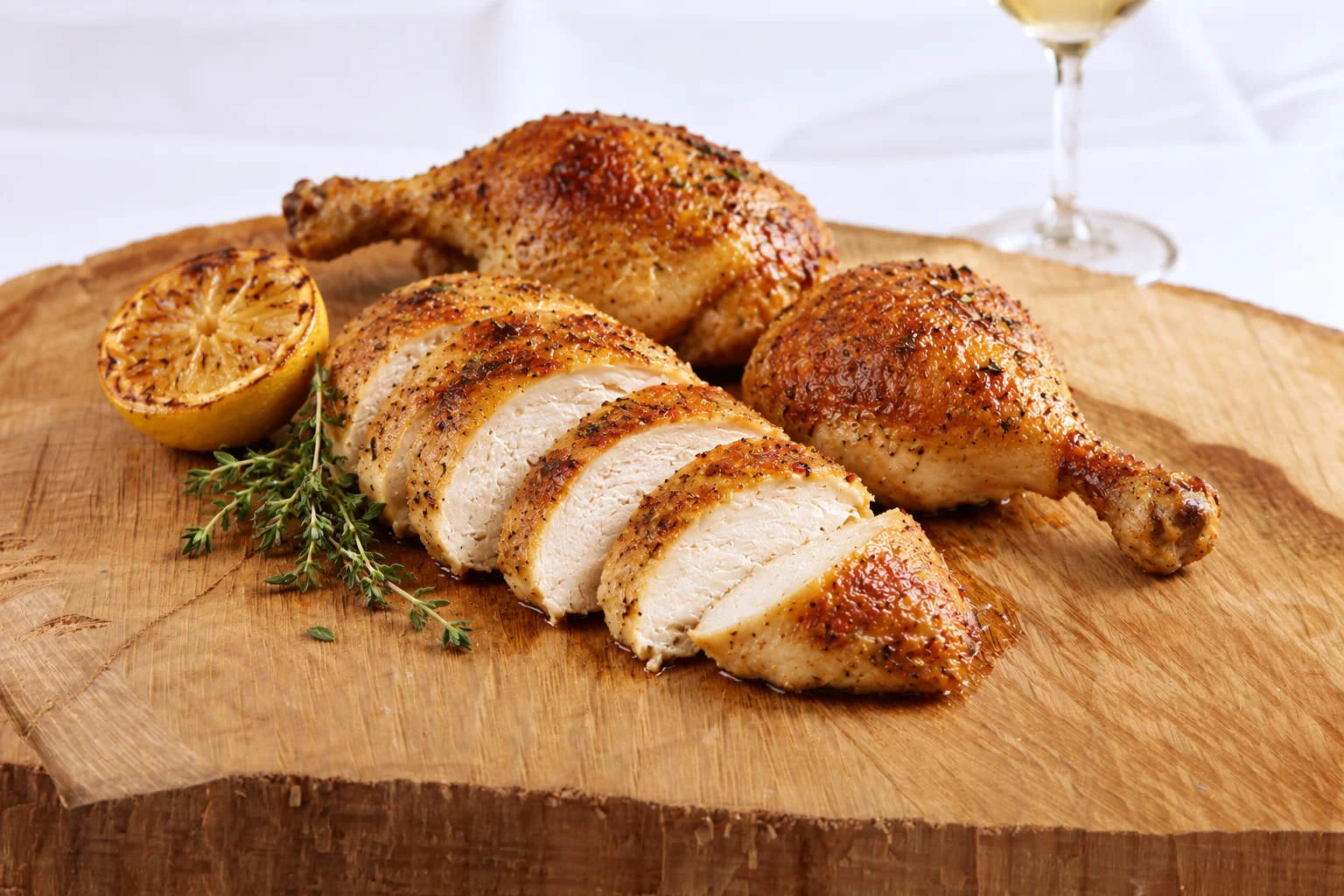
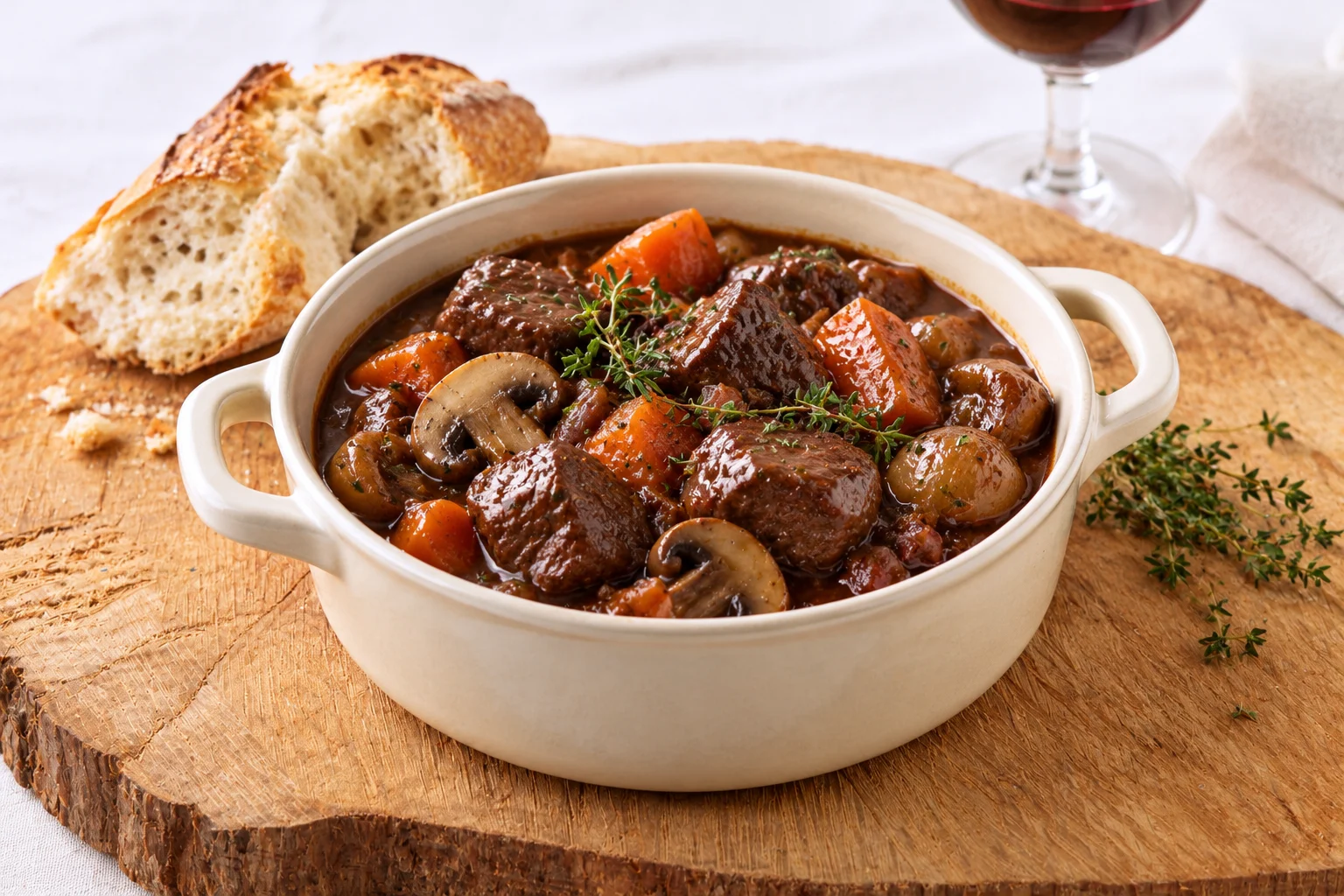
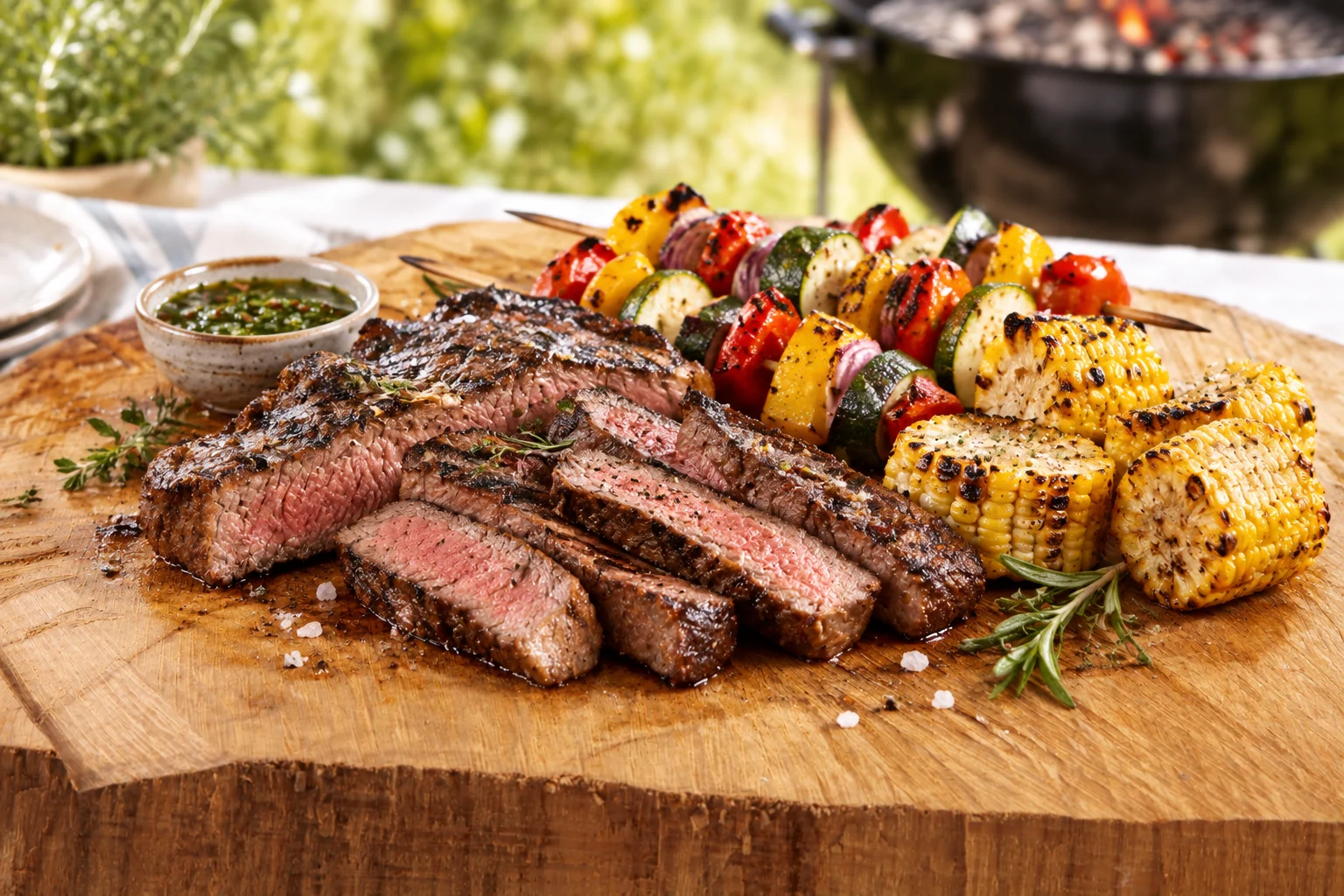
Deze volle, zijdeachtige La Matte toont rijp zwart fruit zoals bramen en zwarte bessen, viooltjes en tonen van cacao, zoete kruiden en ceder, met een minerale ondertoon en knapperige tannines die de 14% alcohol goed bedaren. Daardoor past hij uitstekend bij gegrild of geroosterd rood vlees, smaakvolle gevogelte en stoofschotels: het rijpe fruit en de zachte tannines leggen zich fijn naast de umami van ossobuco en de vlezige textuur van prime rib, terwijl de kruidigheid de krokante eendenborst aanvult. Extra lekker wordt het bij medium-rare geroosterd vlees met een licht kruidenrub of chimichurri, bij eend met krokant vel en een licht zoetzure sinaasappelsaus, en bij langzaam gestoofde ossobuco of stoofpotten op basis van tomaat en rode wijn.
Choose a category to discover dishes that pair well with this wine.
Do you already have a dish in mind?
Let Sommy find wines to pair with your meal.
Discover Wine Trivia
Sign in to unlock fascinating facts about this wine and expand your knowledge.
Sign In