

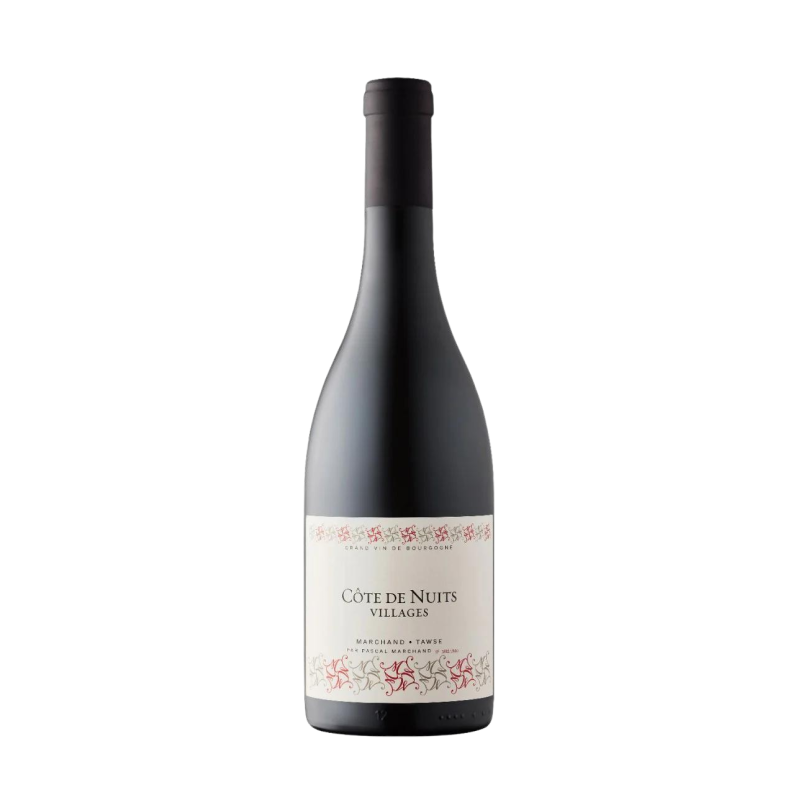
2020 Marchand-Tawse Côte de Nuits-Villages
Ordering in bulk? Log in to request a quote
Out of Stock
Currently unavailable
How does this wine taste?
How full and heavy the wine feels in your mouth, like the difference between skimmed milk and cream. More alcohol, sugar and oak ageing make a wine fuller.
The drying, grippy feel on your gums and tongue, as with strong tea. It comes from the skins and seeds of black grapes and from oak, and softens with age.
How much sugar you taste, from dry to sweet. Fruity is not the same as sweet: a dry wine can taste of ripe fruit.
How fresh and juicy the wine is: acidity makes your mouth water. High acidity tastes lively and refreshing, low acidity soft and round.
What we taste What you taste Click a taste for what it means
The bars follow how sommeliers taste (WSET): body, tannin, sweetness and acidity, each from low to high.
Body: fairly light. Lighter than most red wines from ; 13% alcohol.
Tannin: fairly smooth. From ; aged in oak.
Sweetness: dry. Red wine from is almost always dry.
Acidity: fairly high. from the fairly cool climate of .
Aromas: earthy notes, flowers and red fruit, typical of
Nothing noted for this wine yet. What do you smell, and how long does the taste linger?
Have you tasted this wine?
Save your rating and notes.
Save your rating and notes.
Have you tasted this wine?
Log in to save your tasting note.
Log in to save your tasting note.
Log inPascal Marchand, Canadian by birth and from Quebec, became known as a 'flying winemaker' in Australia and Chile, but because of his passion for Bougogne and the advice of the legendary Henri Jayer, he came to France in 1983 to actually become a winemaker in his favorite region . He was directly inspired by the young generation of pioneers, who started using organic and biodynamic methods.
The Marchand-Tawse Côte de Nuits-Villages is of course a 100% Pinot Noir coming from the hillside of Corgoloin which is carved into the hard limestone. In the upper part of the vineyard mainly clay soil which is slightly chalky. On the lower part there is a thick layer of pebbles, while at the foot of the slope there is an extensive area of very calcareous soil. 100% of the bunches are destemmed. The grape must is cold macerated for five days, with one "pigeage" per day at the start of alcoholic fermentation and then pump-overs during approx. 18 days of maceration for a gentle extraction. The wine then matures for 16 months in oak barrels, 15% of which are new French oak. The wine is not filtered or clarified before bottling.
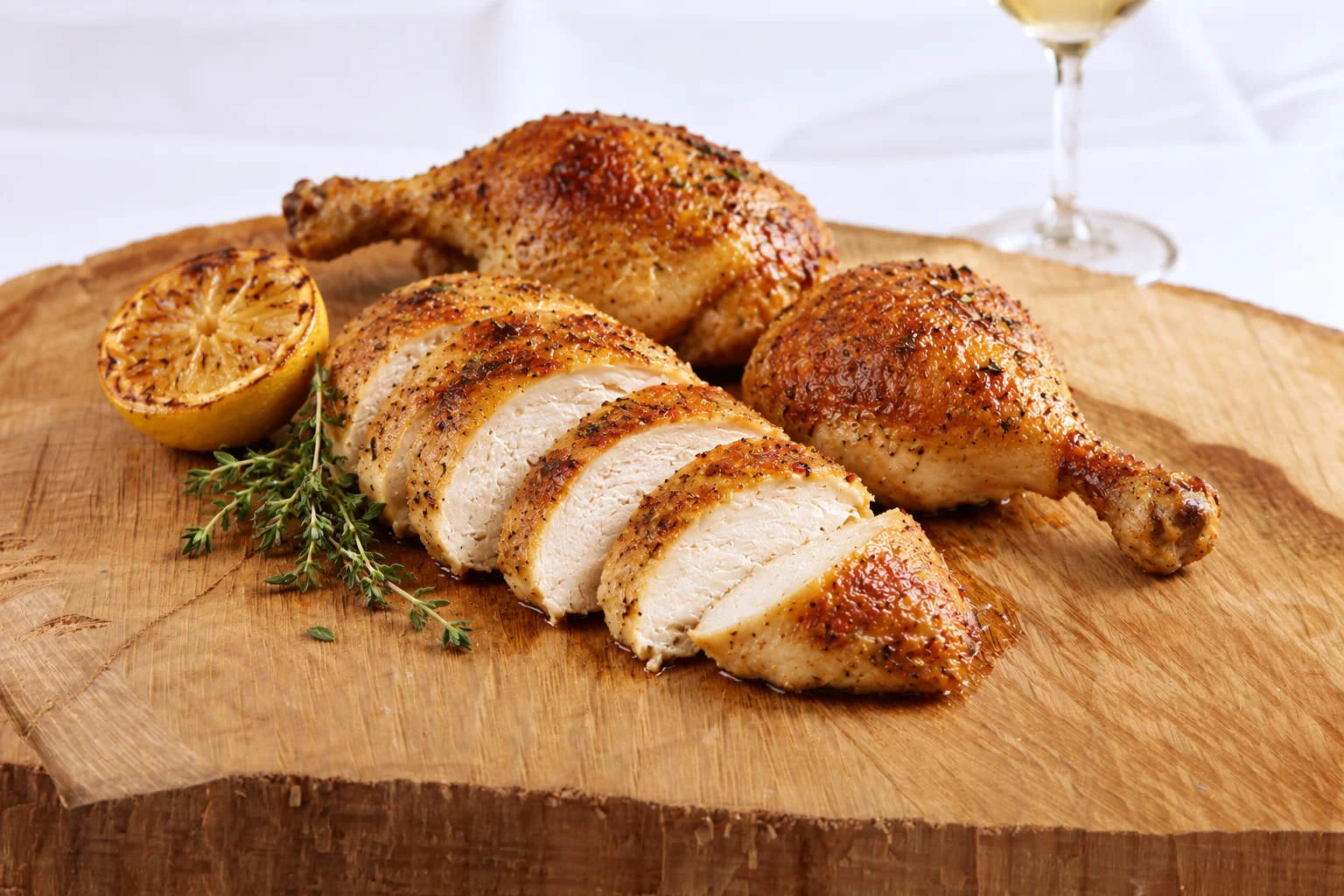
The Marchand-Tawse Côte de Nuits-Villages has notes of raspberry and strawberry in the nose with a light floral lift. On the palate those same aromas emerge with added firm tannins and a salty backbone. Medium to full bodied, this is already a very drinkable red wine from Burgundy. Combine with various chicken dishes, warm vegetable dishes or even game.
FACT: In the Tab: Annex you will find the official fact sheet of this wine. We will automatically send it to you when you order this wine.
Character
The wine
- 100%
Origin
Bottle
Wine features
Pascal Marchand, Canadian by birth and from Quebec, became known as a 'flying winemaker' in Australia and Chile, but because of his passion for Bougogne and the advice of the legendary Henri Jayer he came to France in 1983 to actually become a winemaker in his favorite region . He was directly inspired by the young generation of pioneers, who started using organic and biodynamic methods.
More information about Merchand-Tawse
The story of the Maison Marchand-Tawse in Burgundy begins with the extraordinary story of Pascal Marchand, the French-Canadian boy prodigy, who took over the reins of the Clos des Epeneaux in Pommard in 1985 at the age of 22. He became an overnight sensation, and is certainly one of the founders of modern Burgundy. But the Clos des Epeneaux is small. And for a young, talented and ambitious winemaker, 15 years was enough. He needed a new challenge. And he found one!
Merchand-Tawce's Approach
Pascal was approached by Jean-Charles Boisset, scion of the family that controls the third largest French wine group, who wanted to create a domain that would be the showcase for the family's other companies. So with the 1999 vintage, the Domaine de la Vougeraie was launched, giving Pascal the management of more than 90 hectares of Burgundy vineyards, from simple regional appellations to Grand Crus. It was the largest creation of a single estate in Burgundy since the end of World War II. And it quickly became a reference for modern Burgundian production. Pascal took the entire domain into organic farming, with a biodynamic approach. It was revolutionary. During the seven years he was there, Pascal also participated in the development of several other projects in the Boisset group outside Burgundy and abroad. At the same time, he worked as a consultant for wineries around the world, becoming one of the most famous "flying winemakers".
Marchand developed his own wine estate and established himself with his financial partner Moray Tawse as a micro-negociant under the name Marchand-Tawse. In addition, in 2011 this partnership acquired the former and important Domaine Maume, now labeled as Maume-Marchand-Tawse and since then positive reforms have been implemented. Despite the expansions, Marchand deliberately wants to keep it small-scale on the domain. His wines offer great drinking pleasure at a young age, but are vinified in such a way that they can ripen beautifully with confidence and appear to develop well. Each produced wine is approached individually in order to optimally show its own character and terroir origin. The use of wood is therefore highly differentiated and biodynamic methods are becoming increasingly noticeable.
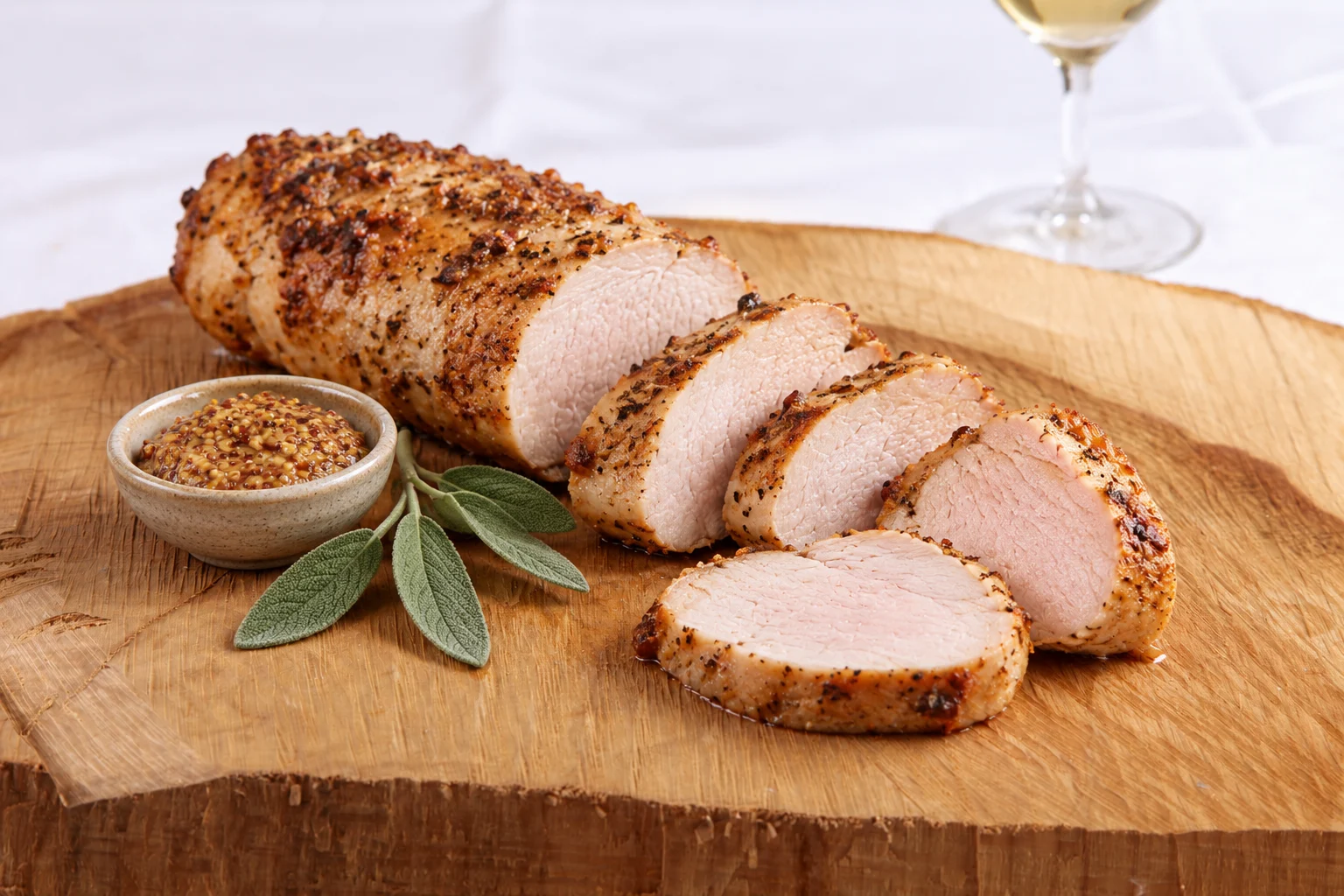
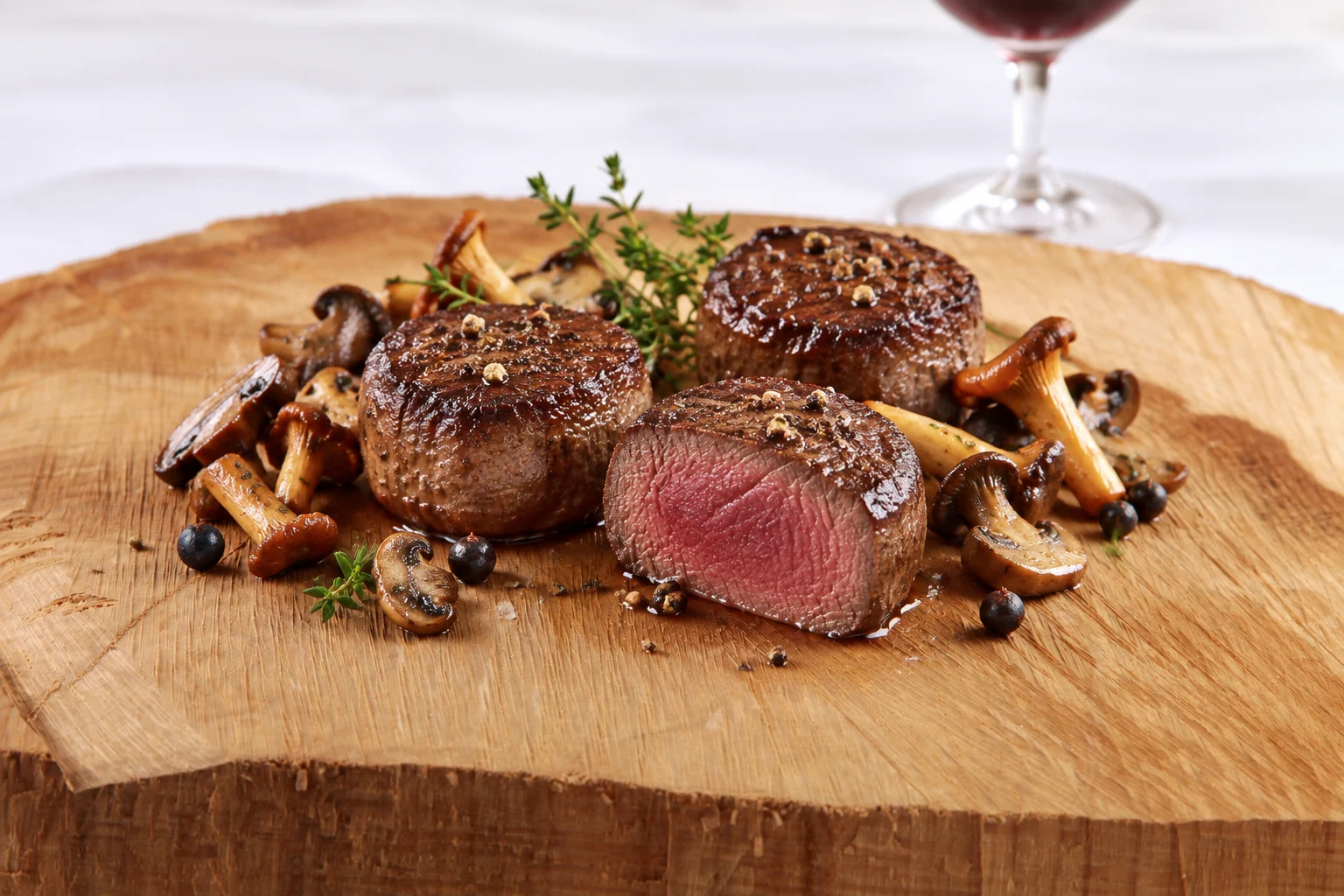
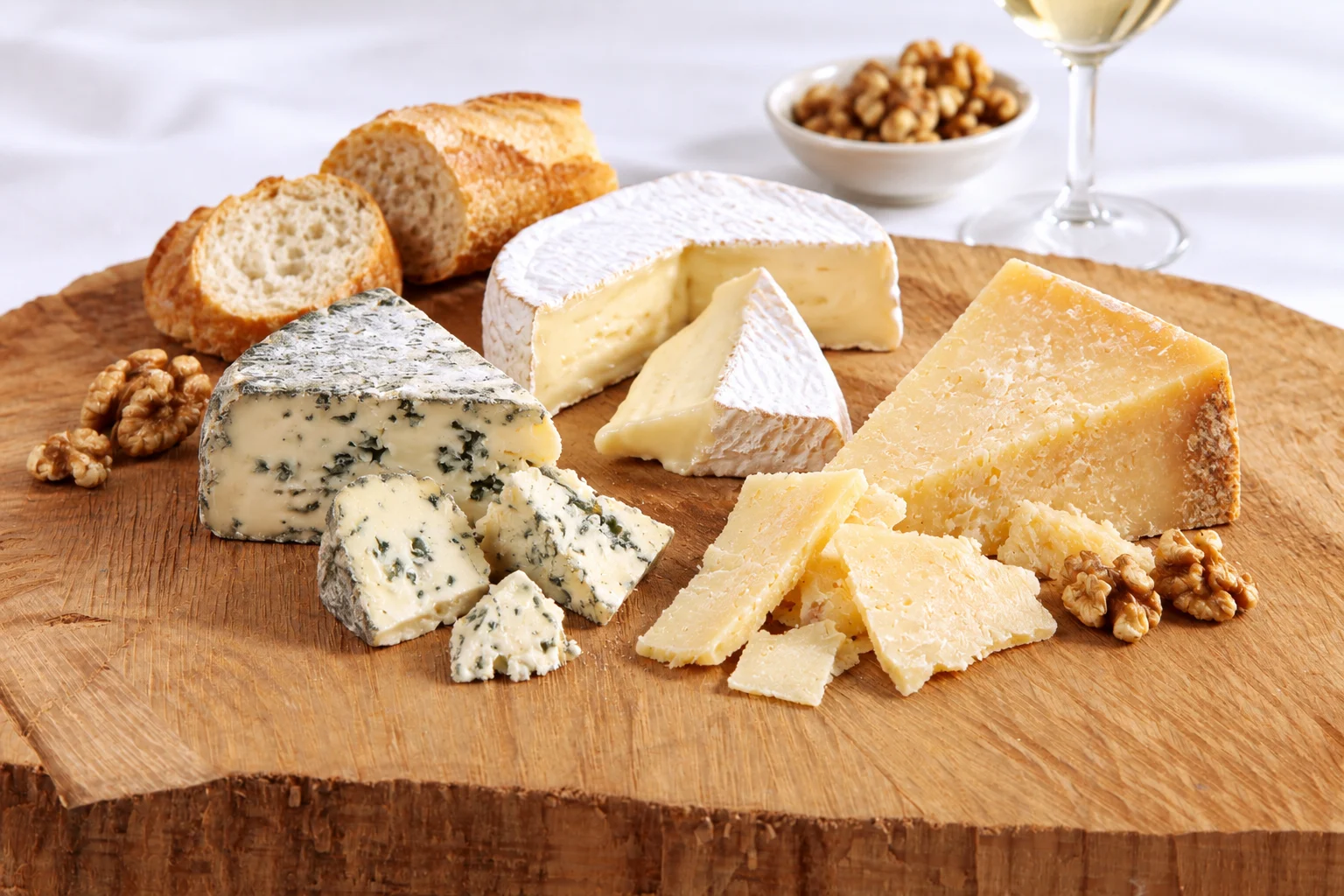
Deze Côte de Nuits-Villages toont frisse tonen van framboos en aardbei met een lichte bloemigheid, ondersteund door stevige tannines en een ziltige, kalkrijke structuur die het midden- tot volle lichaam in balans brengt. Dankzij die frisse rode fruitigheid en de strakke minerale ruggegraat speelt de wijn uitstekend samen met gevogelte, varkensvlees, wild en kaas: de zuren snijden door rijkere sauzen, de tannines geven structuur bij gegrild of geroosterd vlees en de ziltigheid versterkt hartige kazen. Probeer hem bij kip van het spit of kip met een paddenstoelenjus, bij varkenskarbonades met appelcompote, of bij hert en eend die langzaam gegaard of licht-gerookt zijn; ook rijpere halfharde kazen werken heel goed.
Choose a category to discover dishes that pair well with this wine.
Do you already have a dish in mind?
Let Sommy find wines to pair with your meal.
Discover Wine Trivia
Sign in to unlock fascinating facts about this wine and expand your knowledge.
Sign In