

2019 Bruno Giacosa Barbaresco Asili
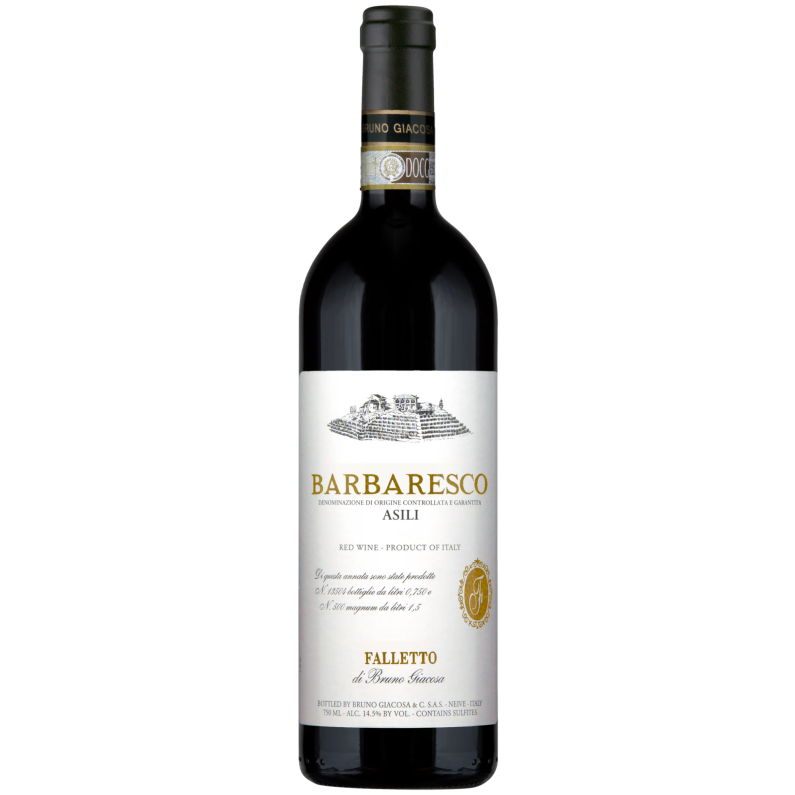
De specificaties zoals vermeld bij de wijn (o.a. wijnjaar) en in de titel zijn leidend en er kunnen geen rechten worden ontleend aan de afbeelding die wordt getoond. Lees meer in onze Frequenty asked questions
How does this wine taste?
How full and heavy the wine feels in your mouth, like the difference between skimmed milk and cream. More alcohol, sugar and oak ageing make a wine fuller.
The drying, grippy feel on your gums and tongue, as with strong tea. It comes from the skins and seeds of black grapes and from oak, and softens with age.
How much sugar you taste, from dry to sweet. Fruity is not the same as sweet: a dry wine can taste of ripe fruit.
How fresh and juicy the wine is: acidity makes your mouth water. High acidity tastes lively and refreshing, low acidity soft and round.
What we taste What you taste Click a taste for what it means
The bars follow how sommeliers taste (WSET): body, tannin, sweetness and acidity, each from low to high.
Body: full-bodied. Like most red wines from ; 14.5% alcohol.
Tannin: firm. From ; aged in oak.
Sweetness: dry. Red wine from is almost always dry.
Acidity: high. from the temperate climate of .
Aromas: earthy notes, flowers and spice, typical of
Made: in , aged at least 26 months, 9 of them in wood
Nothing noted for this wine yet. What do you smell, and how long does the taste linger?
Have you tasted this wine?
Save your rating and notes.
Save your rating and notes.
Have you tasted this wine?
Log in to save your tasting note.
Log in to save your tasting note.
Log inFor three generations, passion has been burning high in the Giacosa family. Bruno Giacosa belongs to that select group that remains true to traditions, in the vineyard but also in the cantina. His wines make you think, definitely leave an impression in terms of taste, character and composition. Bruno Giacosa will only bottle wines that are top quality and, just like his good friend Angelo Gaja, will sell wine that does not meet his quality requirements through other channels.
The company “Azienda Agricola Falletto” has 20 hectares spread over Serralunga d'Alba, La Morra and Barbaresco. The wines mature in the cellars in Neive and the entire process from the vineyard to bottling is managed by Bruno Giacosa himself for the vast majority of the wines marketed worldwide
Asili is one of the top terroirs in the appellation and Giacosa has been producing a sublime Barbaresco here since 1967. The 2019 Barbaresco Asili is a wine of exceptional clarity and focus. That clarity is applied to the bouquet and mouthfeel, leaving the wine feeling streamlined, elegant and tight. Asili smells of wild fruit, violets and candied orange peel. Silky texture. This will need at least four or five years to come together and open up. Try it after 2026.
Bruno Giacosa is one of the handful of geniuses in Italy when it comes to winemaking, including illustrious figures such as Giuseppe Quintarelli and Eduardo Valentini. These winemakers excel in a consistent, extremely high quality standard and make wines that – in addition to being an expression of the region in which they were made – bear the signature of the maker. Every wine lover who has tasted wines from their hand knows that their name on the label is a guarantee of the highest possible quality.
And every now and then for the rare experience of drinking a real Barolo or Barberesco from Bruno Giacosa, it is an unforgettable experience
Character
The wine
- 100%
Origin
Bottle
Wine features
Parker
The Wine Advocate
RP 95
Reviewed by:
Monica Larner
Release Price:
$265
Drink Date:
2025 - 2048
With the white label, the 2019 Barbaresco Asili is a wine of exceptional clarity and focus. That brightness is applied to the bouquet and the mouthfeel alike, where the wine feels streamlined, elegant and tight. Asili is redolent of wild fruit, violets and candied orange peel. This wine was bottled in 2021 and needs a few more years in glass before it really starts to unwind and soften.
Bruna Giacosa is excited about quality in the upcoming 2022 vintage, although heat stress and dry conditions forced a reduction in yields by about 20%, she says.
Her father Bruno Giacosa suffered a stroke in 2006 and eventually passed away in January 2018. This legendary winemaker had been working in the vineyards since he was a boy of 13 or 14 years old, and over time, he acquired an excellent sense of the best cru sites in both Barbaresco and Barolo. He passion grew and so did his ambition to source fruit from pinpoint areas of excellence in order to fulfill his vision of territory-specific Nebbiolo. Bruno Giacosa was among the first to fully understand the enormous winemaking potential of the crus. In Barbaresco, he bought fruit in Neive (Gallina and Basarin) among other spots. The irony is that for most of this time, he never owned a single hectare of vines. In 1964, he was the first to create a single-vineyard expression of Santo Stefano (in Neive, Barbaresco). When he finally decided to buy his first plot, he chose Falletto in Serralunga d’Alba (in the Barolo appellation). He considered this site ideal for obtaining both elegance and power.
The Bruno Giacosa Barbarescos Rabajà and Asili were made in 2019, as was the 2019 Barolo Falletto Vigna Le Rocche (white label).
However, the estate did not make the red label Barolo Riserva Falletto Vigna Le Rocche in 2019. That wine was produced in 2012, 2014, 2016 and 2017. It was not produced in 2013, 2015, 2018 and 2019. The Riserva will, however, be made in 2020 and 2022. Bruna has a good feeling about 2022, although a final decision on that vintage had not been taken at the time of my visit.
“The 2019 is not like 2020 or 2021, but it is a vintage that gives me happiness," she says.
Published: Aug 24, 2023
Lorem ipsum dolor sit amet, consectetur adipiscing elit. Sed do eiusmod tempor incididunt ut labore et dolore magna aliqua...
James Suckling
Bruno Giacosa Falletto Barbaresco Asili 2019
Thursday, December 1, 2022
CountryItaly
RegionPiedmont
Vintage2019
CHECK PRICE
DOWNLOAD SHELFTALKER
Score
98
Sweet and succulent aromas of tangerines, freshly cut ripe strawberries, cherries and flowers follow through to a full-bodied palate with sleek and dense tannins that run the length of the wine and then fan out into a dense, vivid finish of fruit. It’s chewy and seriously structured with finesse and energy. Silky texture. This needs at least four or five years to come together and open. Try after 2027.
Lorem ipsum dolor sit amet, consectetur adipiscing elit. Sed do eiusmod tempor incididunt ut labore et dolore magna aliqua...
Exclusive Content
Sign in to unlock professional wine reviews from world-renowned critics
Carlo Giacosa, Bruno's grandfather, started his winery in 1871 in Neive, a hamlet within the DOCG Barbaresco. He was a commercialist, so he made wine from grapes he bought from different farmers. His son Mario followed in his footsteps. Bruno Giacosa was born in 1929 and has been working in the family business since 1944 (ie when he was 15).
Bruno Giacosa started his work in a particularly difficult period for viticulture in Piemonte and for Barbaresco in particular. This difficult period started in 1912 when Dominio Cavazza died. Cavazza was the founder and director of the Oenological School in Alba and he firmly believed in the potential of Barbaresco. He united the winegrowers of the region in the Cantine Sociali di Barbaresco. In 1894 they produced the first Barbaresco.
The period immediately after the First World War was one of great poverty. Subsequently, the fascist regime forced the Cantine Sociali to stop, because the government wanted to limit imports by making maximum use of agricultural land for growing grain or keeping livestock. This meant that almost no wine was made in Barbaresco. This is in contrast to Barolo, which already had a great reputation and was protested by the House of Savoy and Italian diplomats.
It was not until the late 1950s and early 1960s that Barbaresco was resurrected, especially by Angelo Gaja and Bruno Giacosa. The quality quickly rose to great heights, so that Barbaresco was one of the wine regions that first received the DOC status in 1966, next to, for example, Barolo, Chianti and Brunello. In 1980 the increase to DOCG followed.
Bruno Giacosa owes his fame mainly to his trial ability, which enables him to identify the best terroirs throughout Langhe. He then bonded with the owners of those terroirs, who have admired him for generations. Bruno Giacosa is often referred to as “Barolista”, a title bestowed on the greatest winemakers in Piedmont. Still, his favorite vineyard is in Barbaresco: “Asili is the vineyard closest to my heart. I can blindly pick Asili from a lineup of 50 Barbaresco's, because of the delicate aromas and great elegance, ”he said. "No other vineyard in Langhe has such a beautiful bouquet or such finesse and balance."
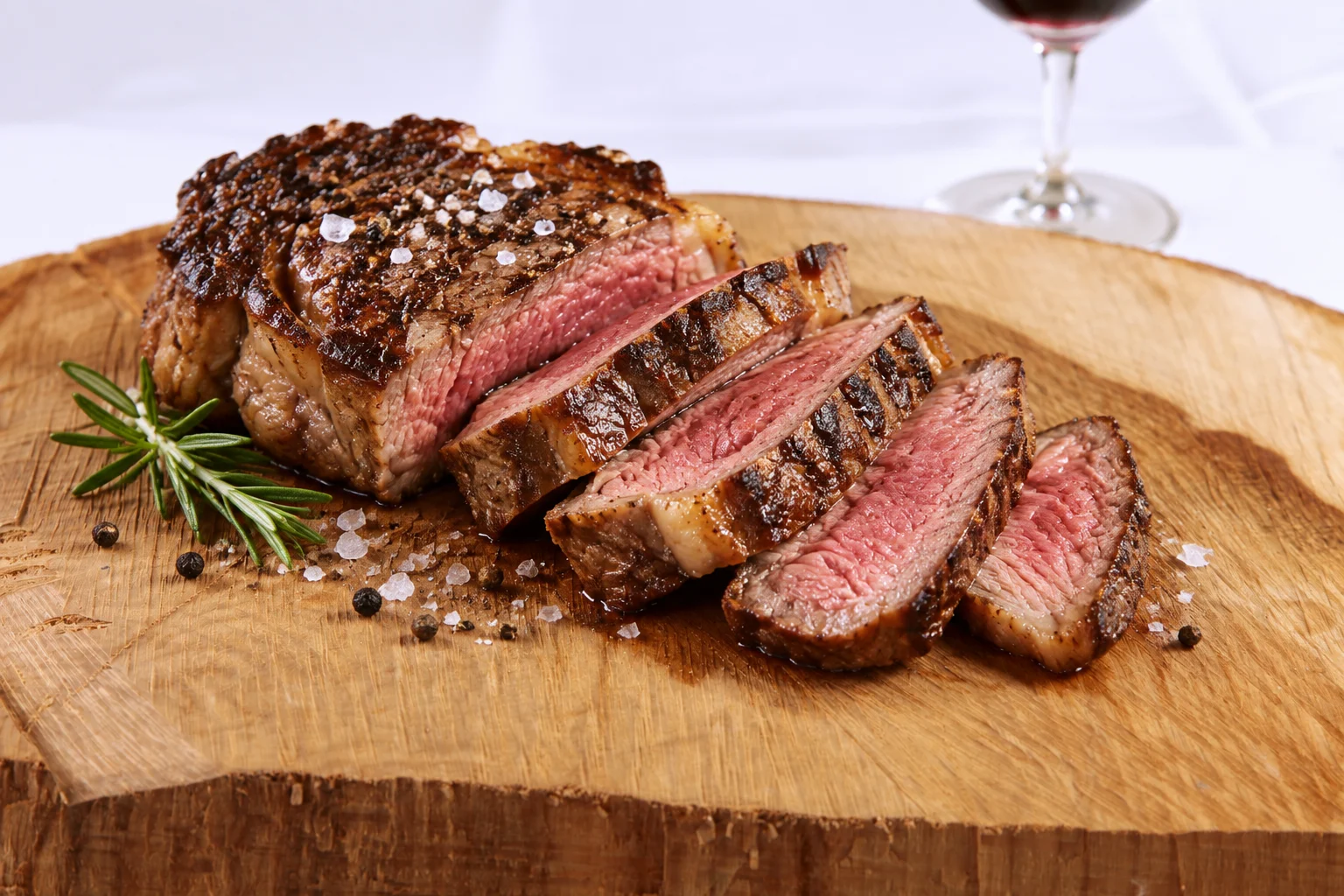
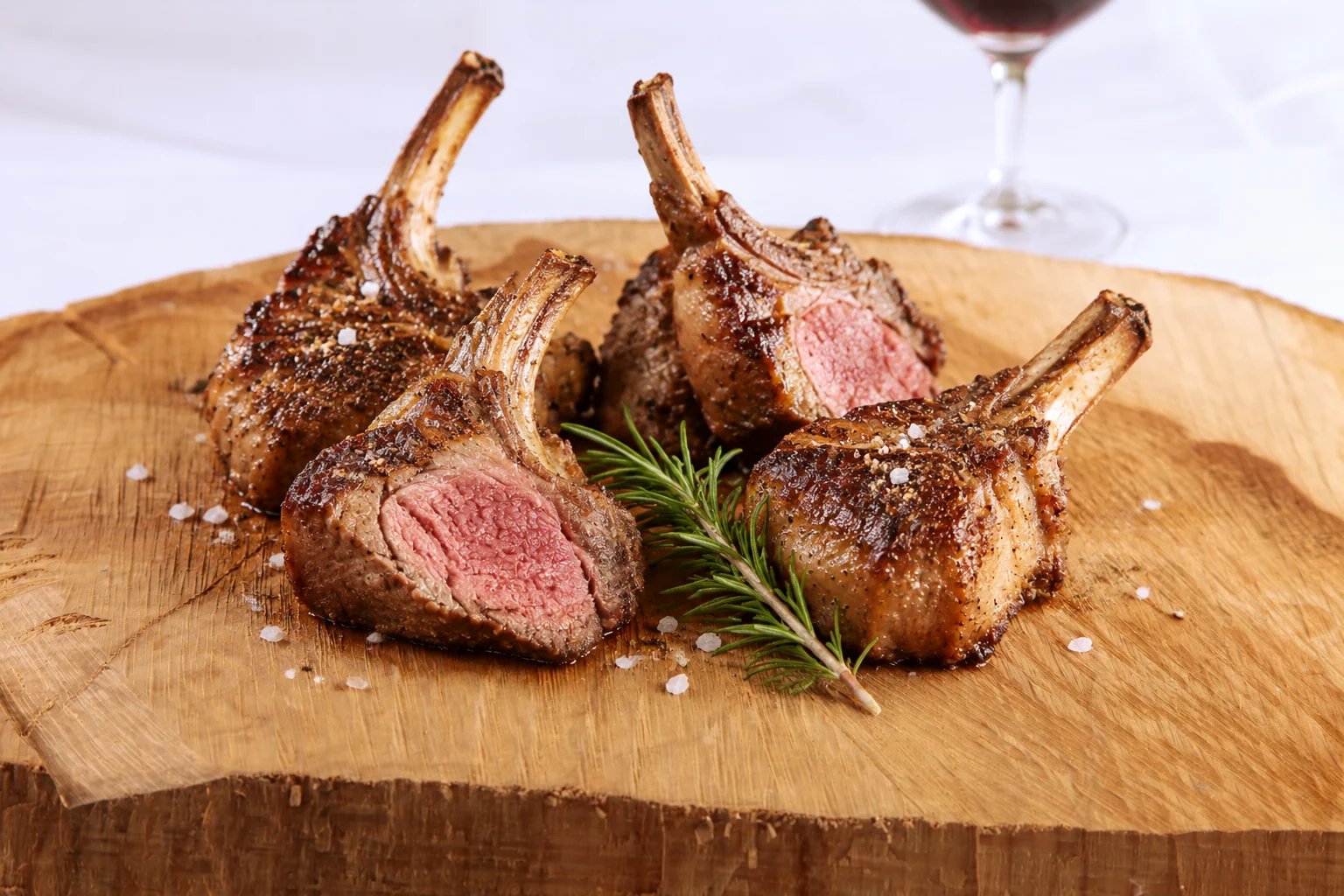
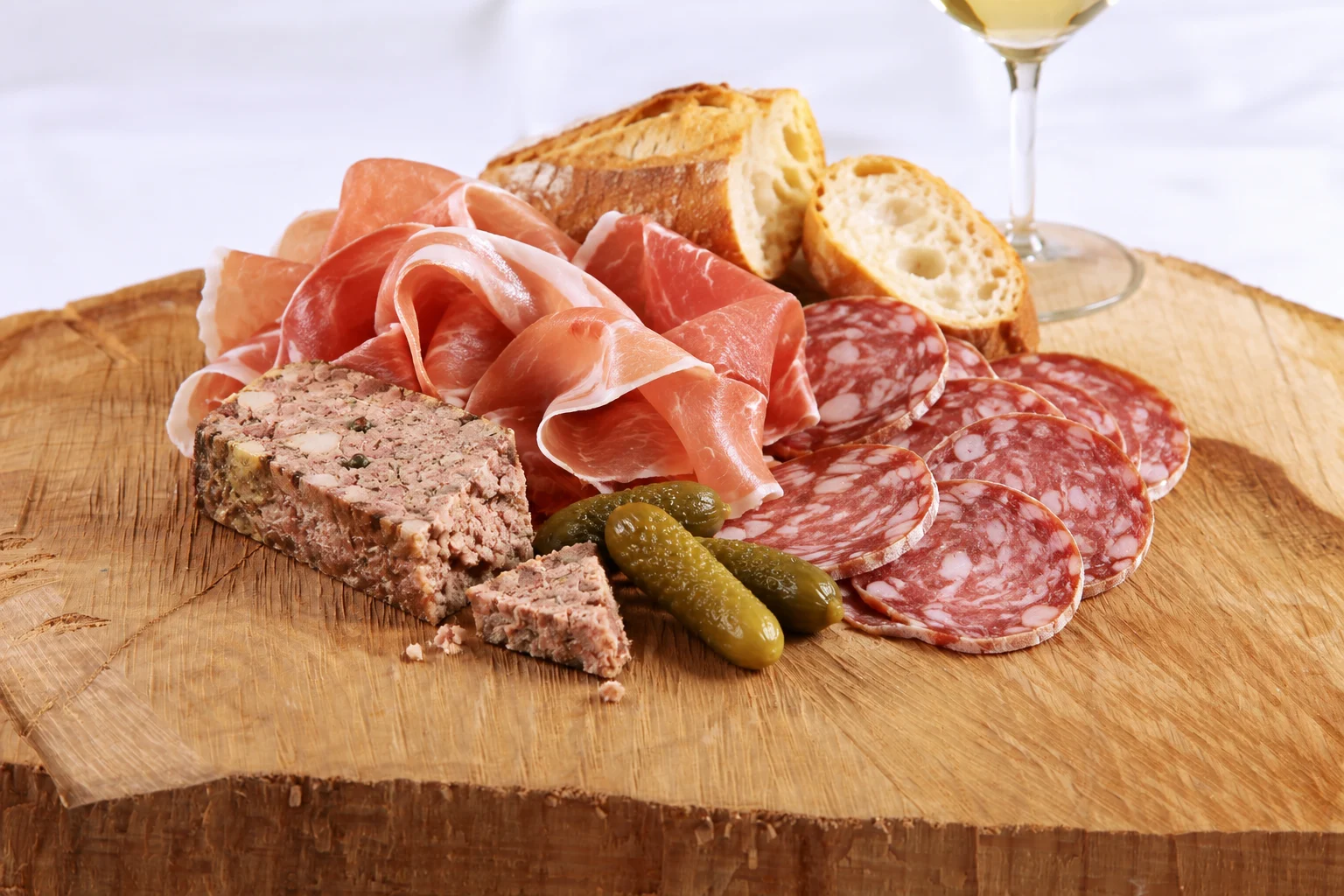
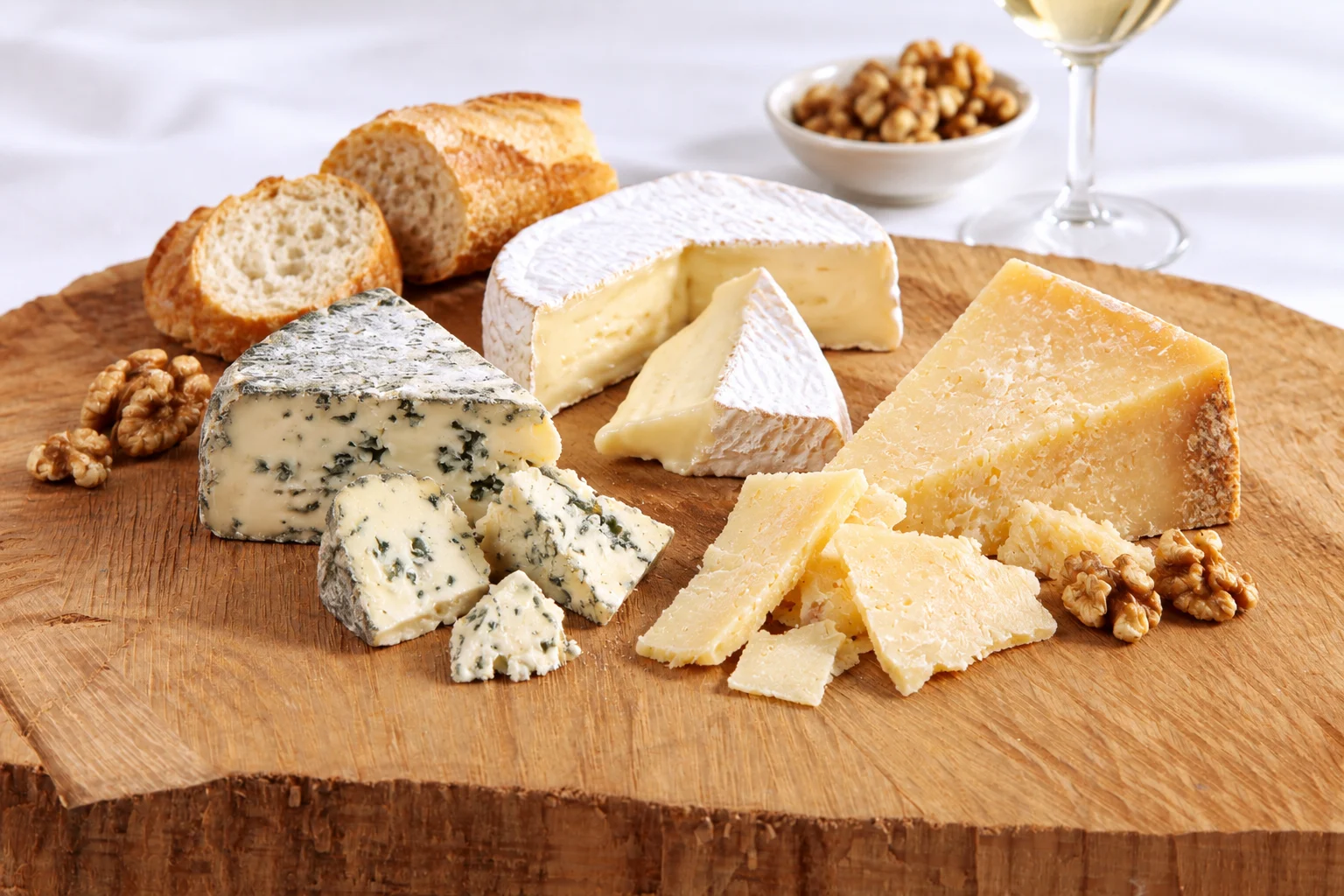
Deze 2019 Barbaresco Asili toont helder en gefocust fruit van wilde kersen en braambes, florale viooltjes en een verfijnde toets van gekonfijte sinaasappelschil, met zijdezachte tannines en een elegante, strakke structuur die nog baat heeft bij wat kelderrust. Die frisse zuurgraad en fijne tannines snijden mooi door het vet van rund en lam en vullen de umami van charcuterie en rijpe kazen aan, waardoor zowel gegrild of geroosterd vlees als krachtige salami en oude Pecorino heerlijk samengaan met de wijn. Bij voorkeur serveer je hem bij langzaam gegaard lamsbout of een rosé naar binnen geserveerde entrecôte met rozemarijn en knoflook, of bij een plank met gerijpte kazen en ambachtelijke charcuterie om de complexiteit van de wijn maximaal tot uiting te laten komen.
Choose a category to discover dishes that pair well with this wine.
Do you already have a dish in mind?
Let Sommy find wines to pair with your meal.
Discover Wine Trivia
Sign in to unlock fascinating facts about this wine and expand your knowledge.
Sign In