

2018 Château Grand-Puy-Lacoste Lacoste Borie Pauillac

Ordering in bulk? Log in to request a quote
Out of Stock
Currently unavailable
How does this wine taste?
How full and heavy the wine feels in your mouth, like the difference between skimmed milk and cream. More alcohol, sugar and oak ageing make a wine fuller.
The drying, grippy feel on your gums and tongue, as with strong tea. It comes from the skins and seeds of black grapes and from oak, and softens with age.
How much sugar you taste, from dry to sweet. Fruity is not the same as sweet: a dry wine can taste of ripe fruit.
How fresh and juicy the wine is: acidity makes your mouth water. High acidity tastes lively and refreshing, low acidity soft and round.
What we taste What you taste Click a taste for what it means
The bars follow how sommeliers taste (WSET): body, tannin, sweetness and acidity, each from low to high.
Body: powerful. Fuller than most red wines from ; 14.5% alcohol.
Tannin: firm. Aged in oak.
Sweetness: dry. Red wine from is almost always dry.
Acidity: medium. The temperate climate of Médoc.
Nothing noted for this wine yet. What do you smell, and how long does the taste linger?
Have you tasted this wine?
Save your rating and notes.
Save your rating and notes.
Have you tasted this wine?
Log in to save your tasting note.
Log in to save your tasting note.
Log inThe 2018 Lacoste-Borie is the second wine of Château Grand-Puy-Lacoste, a renowned winery in Pauillac, Bordeaux. This wine is composed of 61% Cabernet Sauvignon, 31% Merlot and 8% Cabernet Franc, from vineyards with an average age of 38 years. The grapes were hand-harvested between September 21 and October 5, 2018. After careful vinification, the wine was aged for 14 to 16 months in French oak barrels, 45% of which were new wood.
The result is a wine with a deep ruby red colour and aromas of ripe black fruit, such as cassis and black cherries, complemented by hints of tobacco and vanilla. In the mouth the wine offers a balanced structure with supple tannins and a long, elegant finish.
This wine offers excellent value for money and is suitable for drinking now or allowing it to mature for a few more years.
Character
The wine
Origin
Bottle
Wine features
Parker
Reviewed by:
Lisa Perrotti-Brown
Release Price:
NA
Drink Date:
N/A
Deep garnet-purple colored, the 2018 Lacoste-Borie opens with baked plums, stewed cherries, cassis and milk chocolate with earth and herbs. Medium to full-bodied, firm and chewy, it has a good fruit core and an herbal lift on the finish.
Lorem ipsum dolor sit amet, consectetur adipiscing elit. Sed do eiusmod tempor incididunt ut labore et dolore magna aliqua...
Exclusive Content
Sign in to unlock professional wine reviews from world-renowned critics
- Cinquième Grand Cru Classé en 1855
The Grand-Puy-Lacoste family history archives date back to the 16th century. The first recorded owner was M. de Guiraud, a member of the Bordeaux parliament. The estate usually passed down female lines of inheritance and was the dowry in successive marriages. One of M. de Guiraud's daughters married M. de Jehan, another MP. Their son, Bertrand de Jehan, had a daughter who inherited the estate and married M. d'Issac. Traditionally, an owner's name was appended to a place name (such as Grand-Puy), but the hereditary daughters took their husbands' names upon marriage, which explains the numerous name changes by which Grand-Puy is known. When d'Issac's daughter married a Bordeaux lawyer named Saint Guirons, the property became "Grand-Puy Saint-Guirons", it was their daughter, Marie-Jeanne de Saint Guirons, who married François Lacoste. With this marriage in the 19th century, the property took on the name of Lacoste. Still, the name Saint-Guirons remained a reminder of the bond between the two families and of the estate's heritage, so for a time the wines were labeled 'Saint Guirons-Lacoste'. François Lacoste and Marie-Jeanne de Saint Guirons had three children, and after the death of the couple, their son Pierre-Frédéric Lacoste inherited the property in 1844. Pierre-Frédéric Lacoste was an enterprising man who was very devoted to his estate. Like François-Xavier Borie the next century, Lacoste focused on quality and improving the wine's reputation. In 1855 he rebuilt the château, and that same year Grand-Puy-Lacoste's status was officially recognized by its inclusion in the official list of Bordeaux's Great Classified Growths.
The history of Grand-Puy-Lacoste is fascinating in many ways. It is a family saga dating back to the 16th century. The name Grand-Puy, already mentioned in documents from the Middle Ages, comes from the old term "puy" which means "little knoll, small height". The vineyard lives up to its name and is located on outcrops with a terroir similar to that of the first vegetation of the Médoc. From the 16th century, the property remained linked to a single family from generation to generation, in a direct line through marriage until 1920, before being linked to another family in 1978: the Borie.
The castle has been owned by the Borie family since 1978. Jean-Eugène Borie's eldest son, François-Xavier, gradually renovated the property in vineyard, cellars and château. The Borie family has a long history of winemaking at the highest level with properties such as Château Haut Batailley and Château Ducru-Beaucaillou, respectively 5th and 2nd Grand Cru Classé. François-Xavier is now assisted by his daughter Emeline, who is responsible for the château's PR. With the purchase of Grand Puy Lacoste, the Borie family has awakened a "sleeping beauty". Now the domain has great prestige and is at the top of the classification in Pauillac.
Grand-Puy-Lacoste is located in the Pauillac terroir, one of the six common appellations of the Médoc along the left bank of the Gironde. The Pauillac appellation is limited to the municipal district of 2,274 hectares. It boasts 18 properties classified in 1855 (about 85% of the appellation's total production). The commune is separated from Saint-Estèphe in the north by the marshy area of Breuil and from Saint-Julien in the south by the hollow formed by the stream Juillac. The Grand-Puy plateau is located to the west of the village, above the hamlet of Bages. This offshoot of the grounds (called a "puy" in the old local dialect)
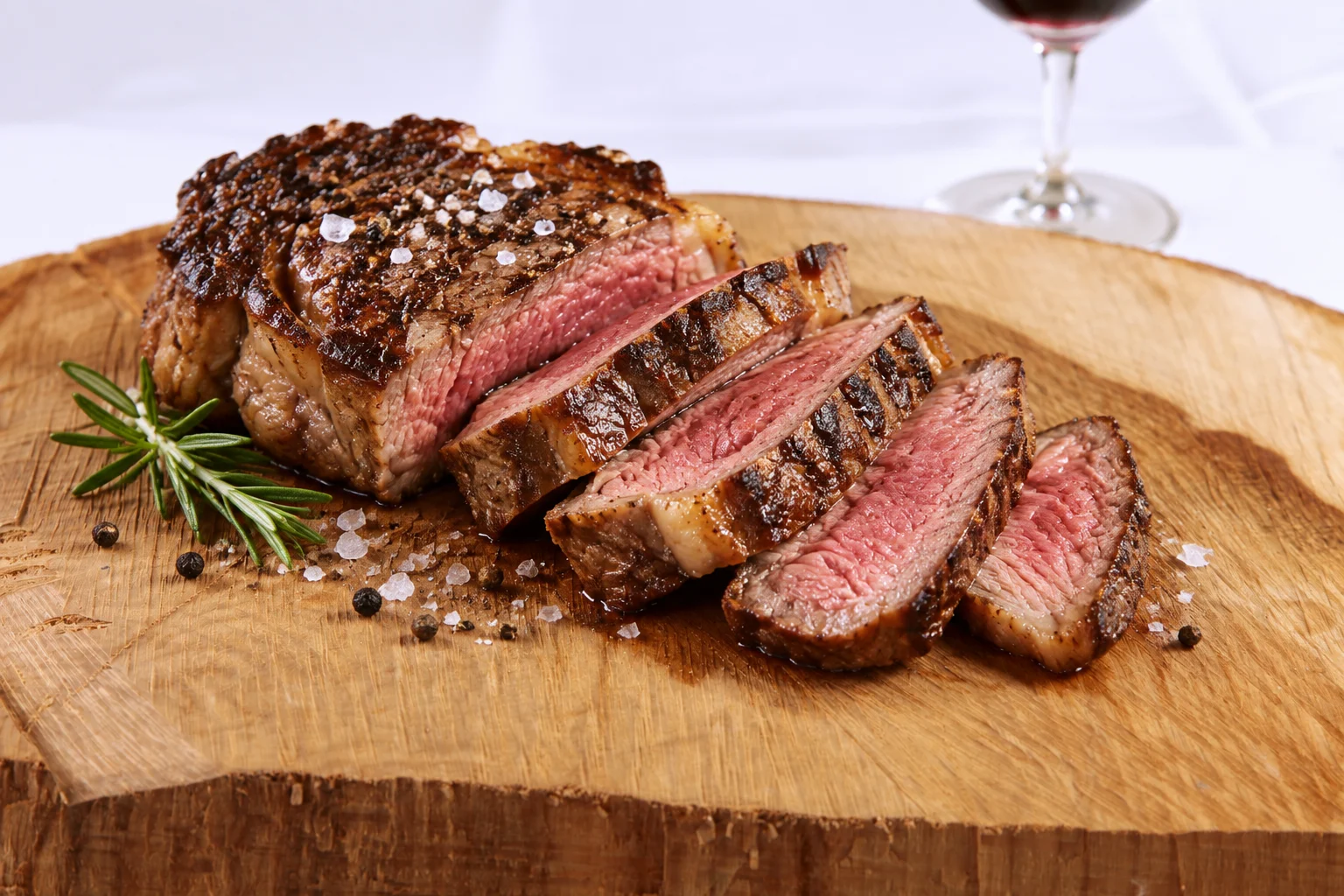
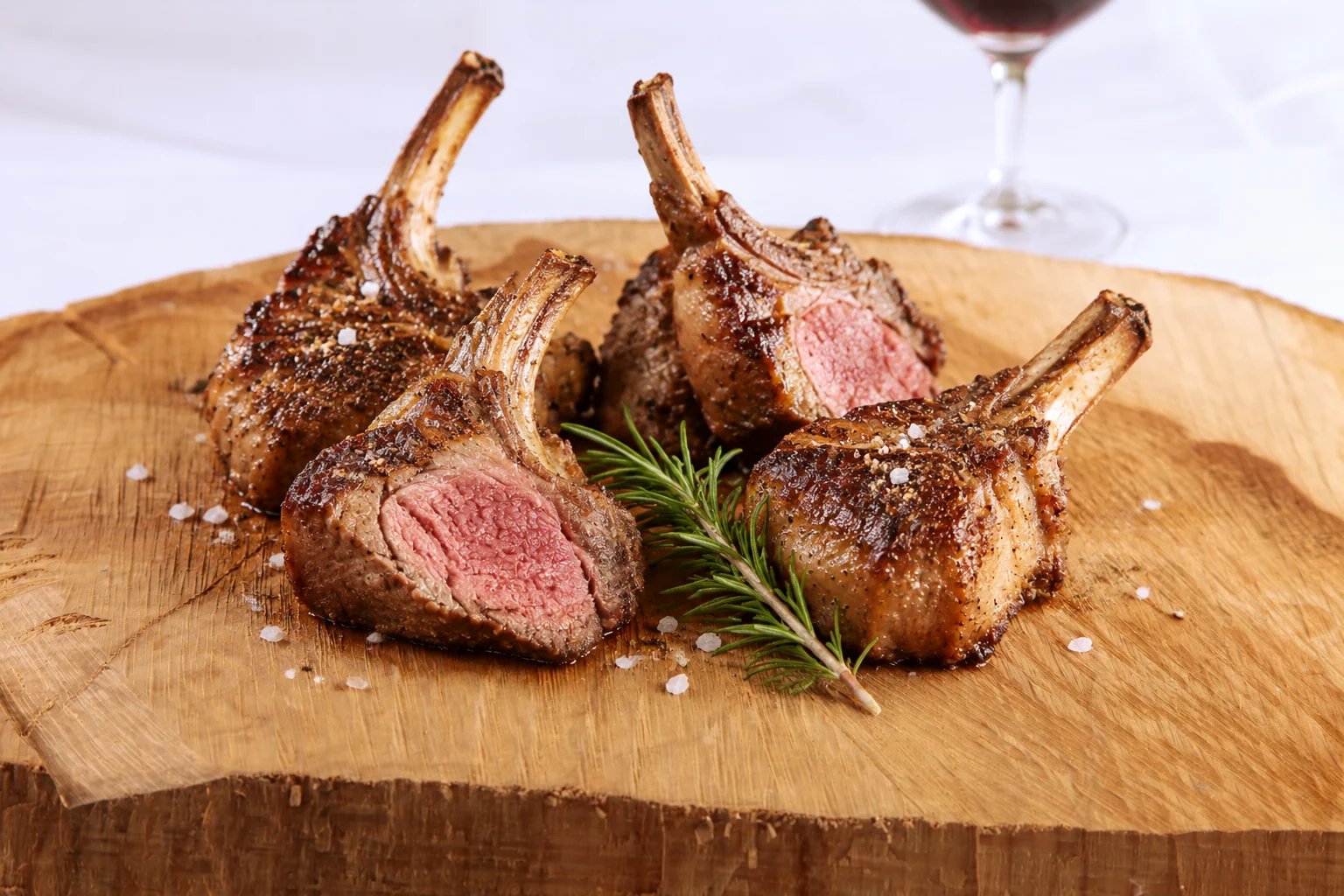
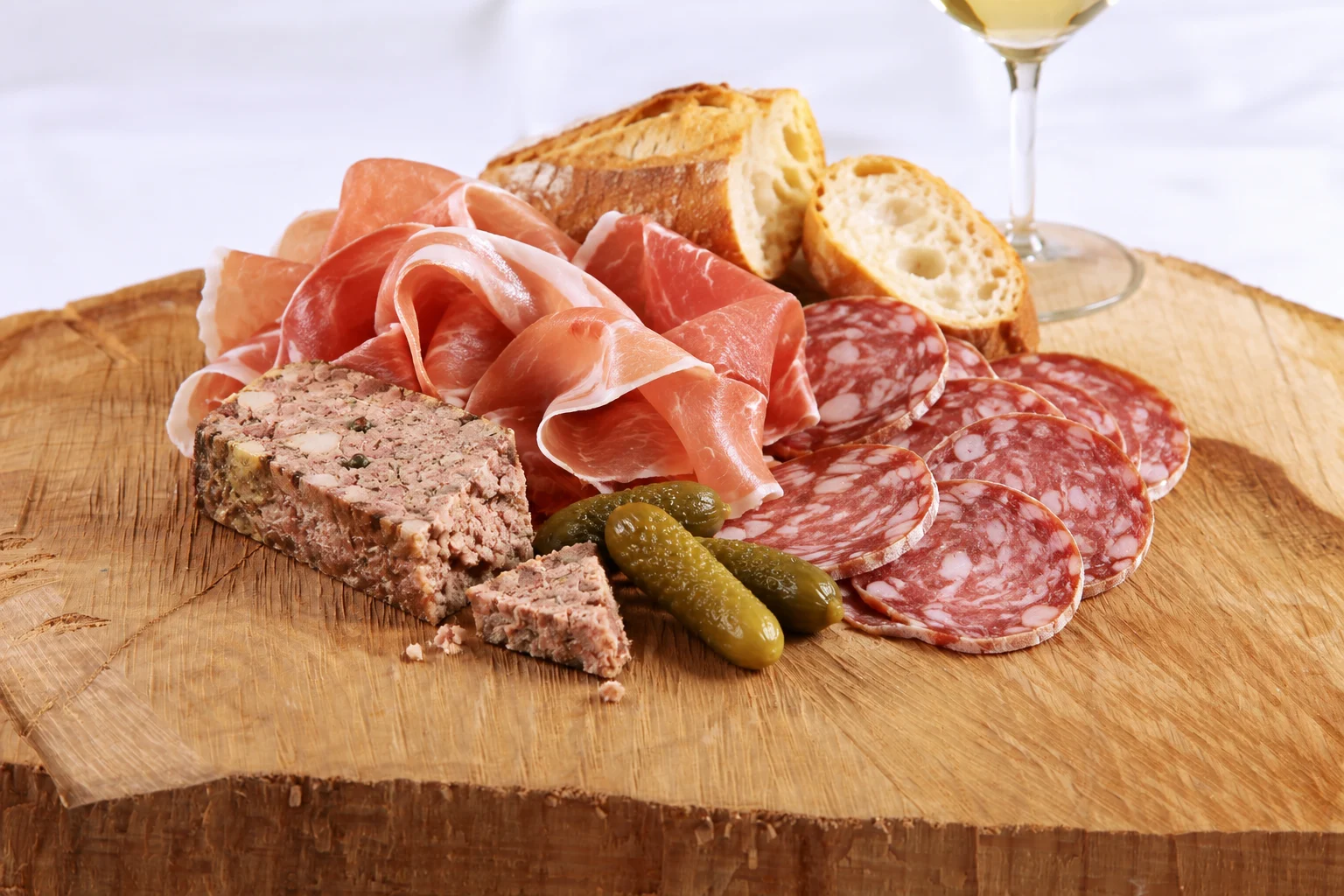
De 2018 Lacoste-Borie laat zich herkenbaar horen met dieprode kleur en aroma's van cassis en zwarte kers, aangevuld met tonen van tabak en vanille, en in de mond een evenwichtige structuur met soepele tannines en een lange, elegante afdronk. Dankzij die stevige maar verfijnde tannines en het rijpe zwarte fruit vormt deze Pauillac een uitstekende partner voor rundvlees, lam, charcuterie en gerechten van de barbecue omdat het vet en umami-afspraken verzacht en de geroosterde, rokerige smaken accentueert. Vooral gegrild ribeye of entrecote, langzaam gegaard lamsvlees met rozemarijn, een kruidige of gedroogde salami en gemarineerde of licht gekarameliseerde barbecuebereidingen tillen zowel wijn als gerecht naar een hoger niveau.
Choose a category to discover dishes that pair well with this wine.
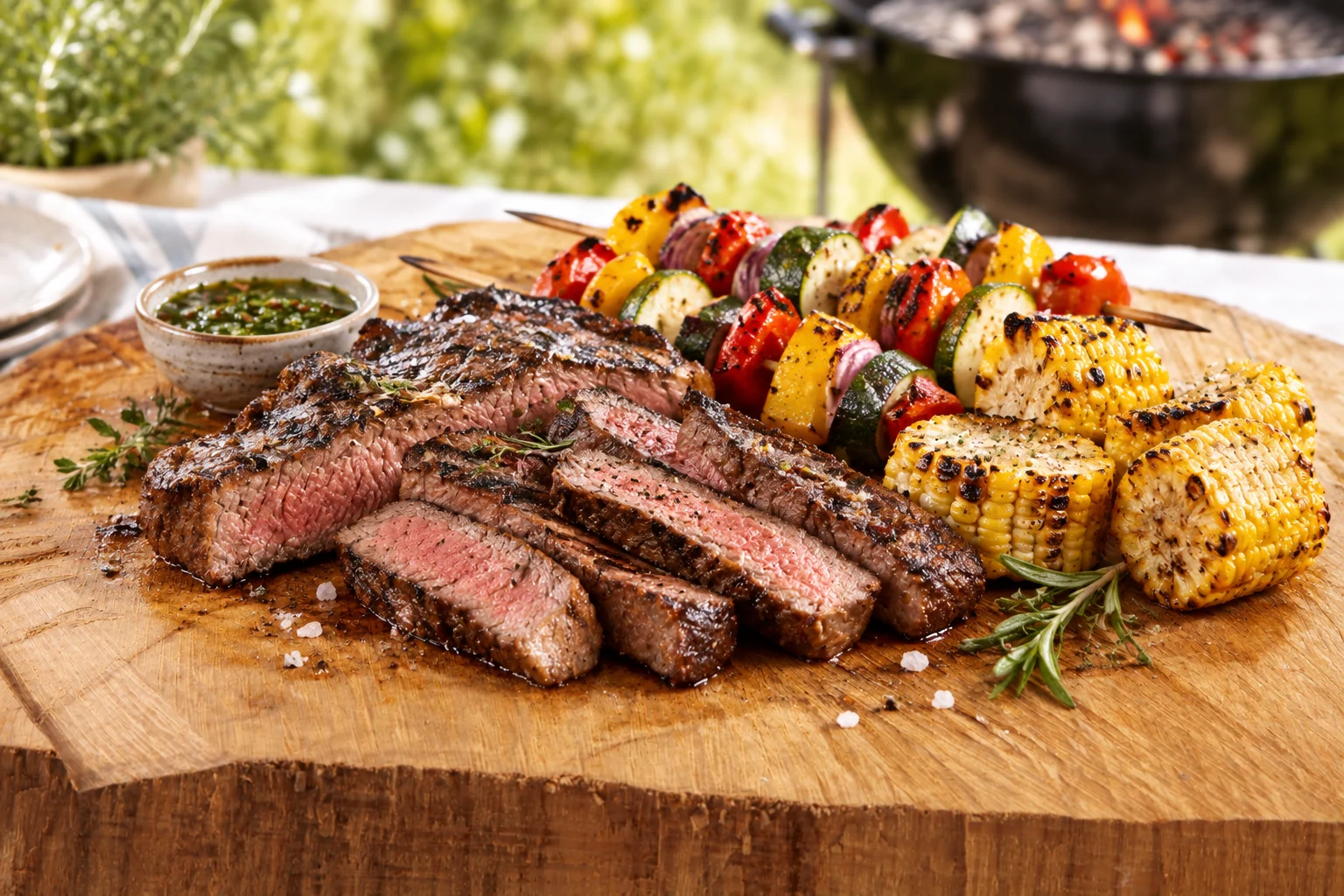
Do you already have a dish in mind?
Let Sommy find wines to pair with your meal.
Discover Wine Trivia
Sign in to unlock fascinating facts about this wine and expand your knowledge.
Sign In