

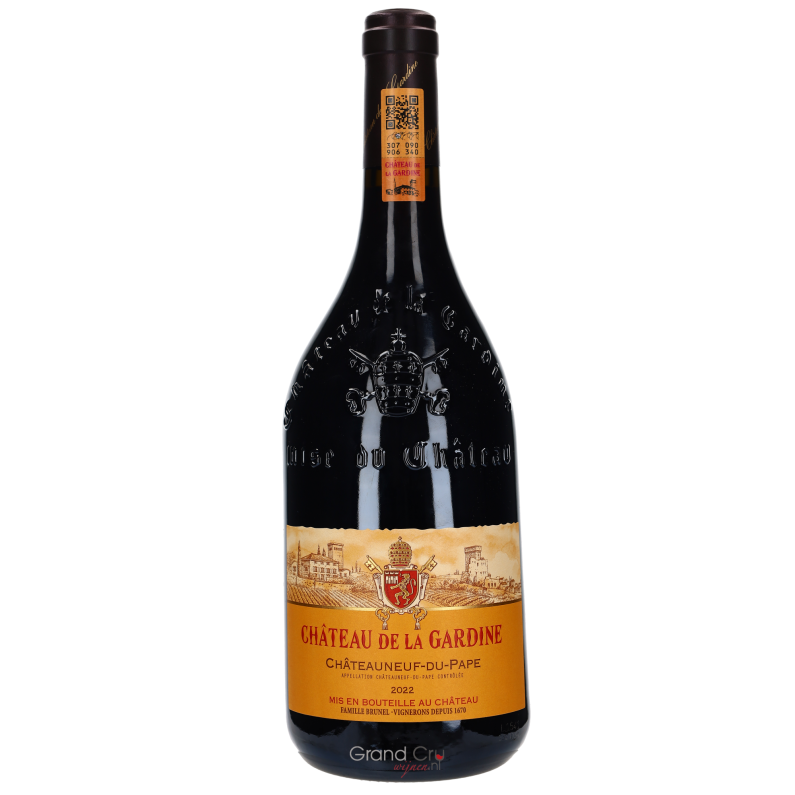
2023 Château de la Gardine Chateauneuf-du-Pape Rouge
How does this wine taste?
How full and heavy the wine feels in your mouth, like the difference between skimmed milk and cream. More alcohol, sugar and oak ageing make a wine fuller.
The drying, grippy feel on your gums and tongue, as with strong tea. It comes from the skins and seeds of black grapes and from oak, and softens with age.
How much sugar you taste, from dry to sweet. Fruity is not the same as sweet: a dry wine can taste of ripe fruit.
How fresh and juicy the wine is: acidity makes your mouth water. High acidity tastes lively and refreshing, low acidity soft and round.
What we taste What you taste Click a taste for what it means
The bars follow how sommeliers taste (WSET): body, tannin, sweetness and acidity, each from low to high.
Body: powerful. Like most red wines from ; 14.5% alcohol.
Tannin: firm. Aged in oak.
Sweetness: dry. Red wine from is almost always dry.
Acidity: fairly low. The warm climate of .
Nothing noted for this wine yet. What do you smell, and how long does the taste linger?
Have you tasted this wine?
Save your rating and notes.
Save your rating and notes.
Have you tasted this wine?
Log in to save your tasting note.
Log in to save your tasting note.
Log inChâteau de la Gardine is a fixture within Châteauneuf-du-Pape and is known for its rich yet balanced style. The red cuvée is composed of approximately 65 percent Grenache, 15 percent Syrah, 15 percent Mourvèdre, and a small 5 percent of complementary varieties such as Muscardin and Vaccarèse. The grapes come from plots with the characteristic rolled pebbles that retain heat and produce powerful, aromatic wines with considerable depth.
Château de la Gardine Chateauneuf du Pape Rouge
In the cellar, concrete and large foudres are used to preserve the structure without the wood dominating the flavor. The wine opens with aromas of ripe cherries, blackberries, and Provençal herbs. Then, notes of licorice, violets, and a soft spiciness emerge. On the palate, it is full and round yet remains remarkably supple thanks to the ripe tannins and lively fruit expression. The long finish reveals a combination of black fruit, spices, and a light earthiness.
Châteauneuf du Pape: origin and character
Châteauneuf-du-Pape is one of the Rhône's most historic and beloved appellations. The combination of Mediterranean warmth, mistral winds, and stony soils produces wines with intensity, complexity, and a distinctly southern character. Château de la Gardine emphasizes the balance between power and finesse. The high presence of Grenache gives the wine warmth and softness, while Syrah and Mourvèdre add structure and depth. This results in a layered red wine that develops beautifully in the glass.
The drinking window is approximately between now and ten years after release. In the early years, the wine primarily displays ripe fruit and spice. After a few years of bottle aging, more earthy notes and added depth emerge. Serve it at around sixteen to seventeen degrees Celsius for the best expression.
Sommelier advice and wine and food pairing
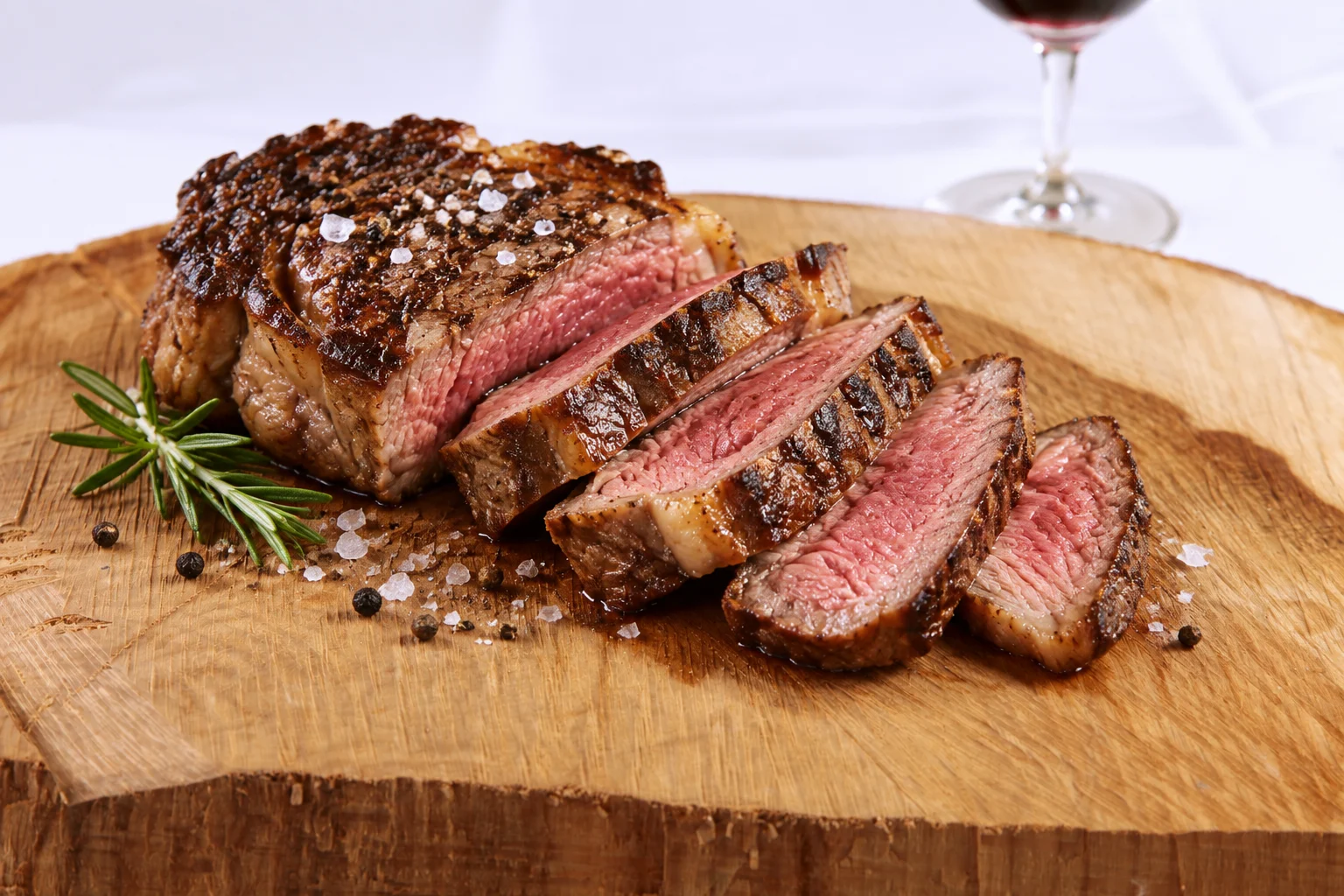
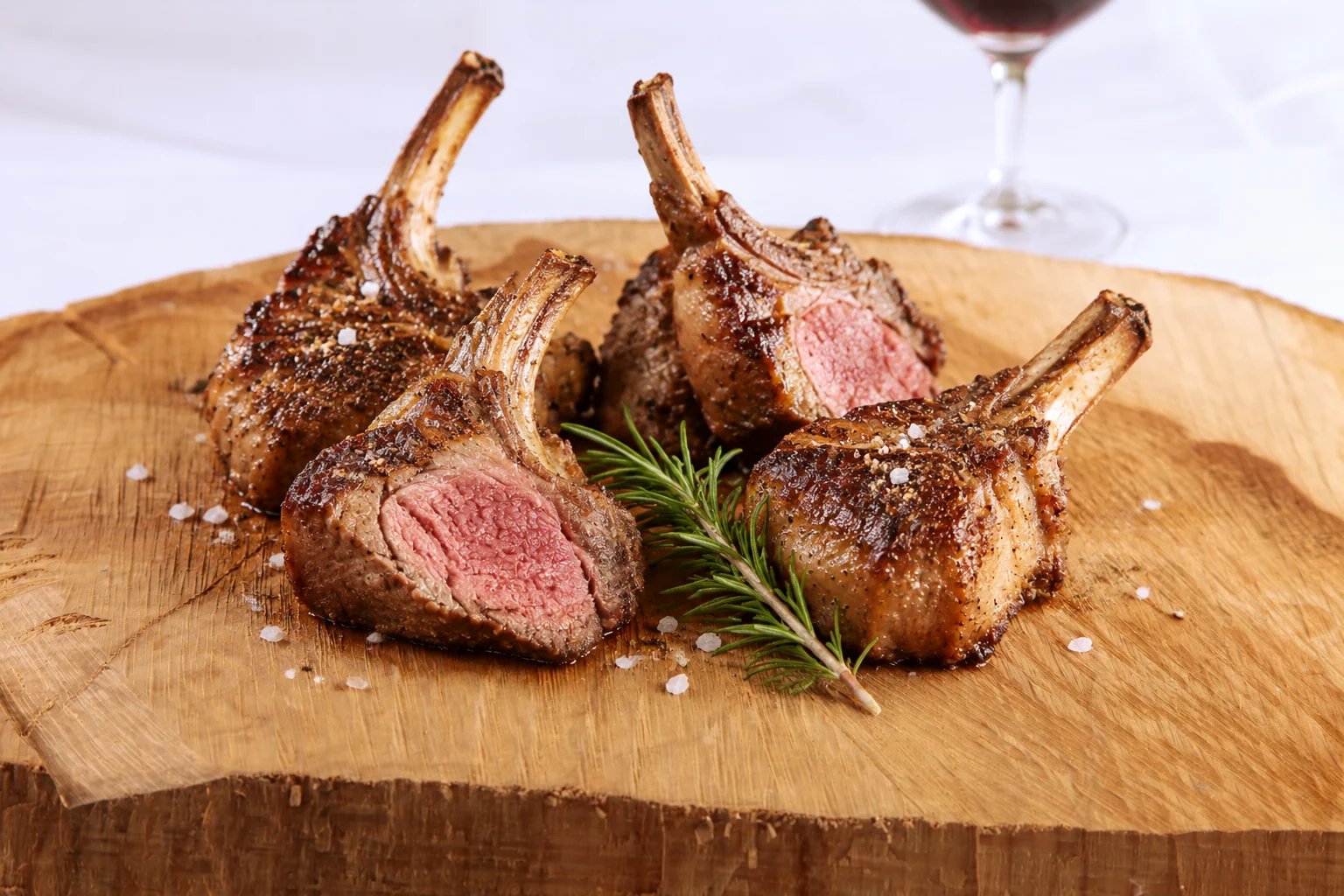
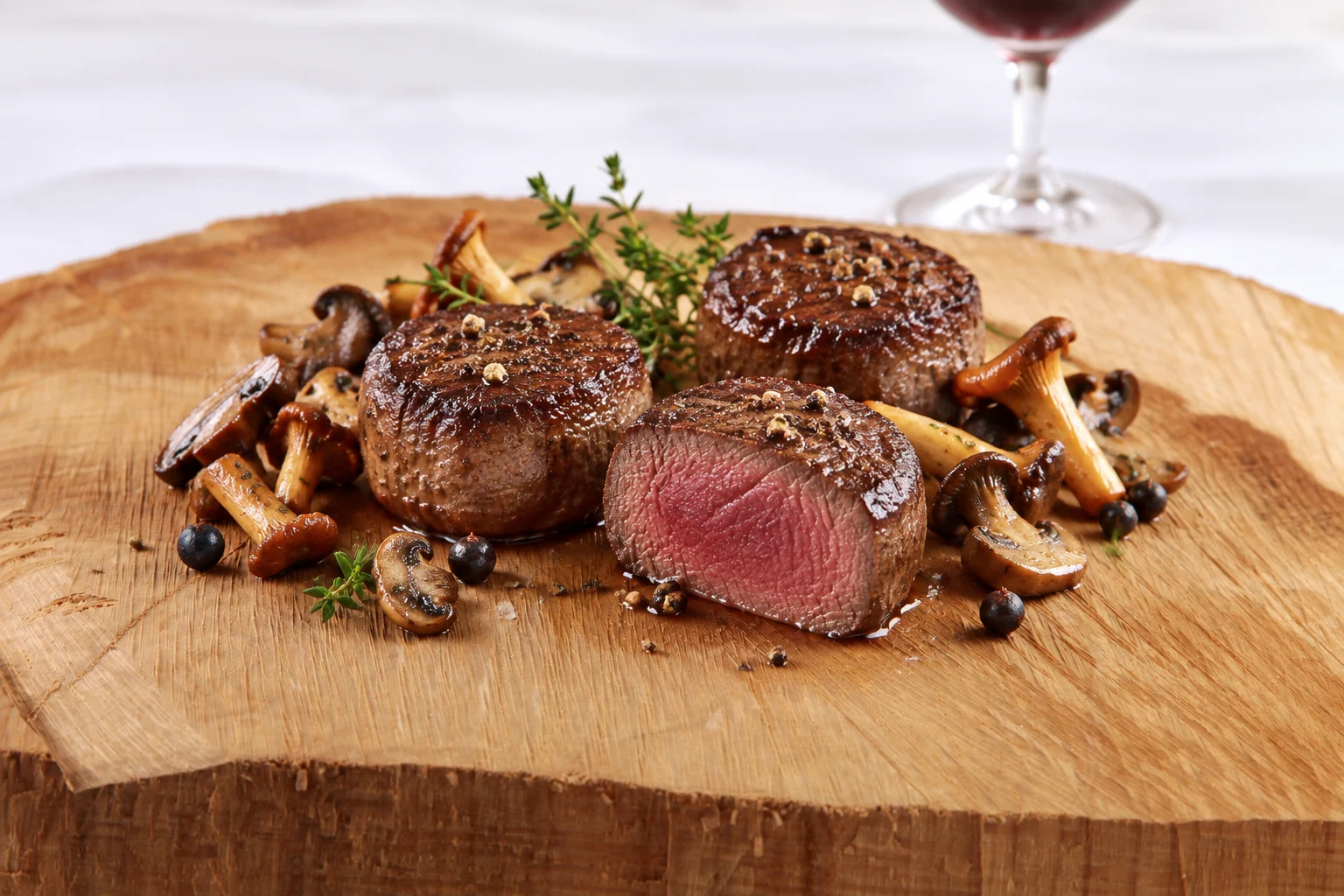
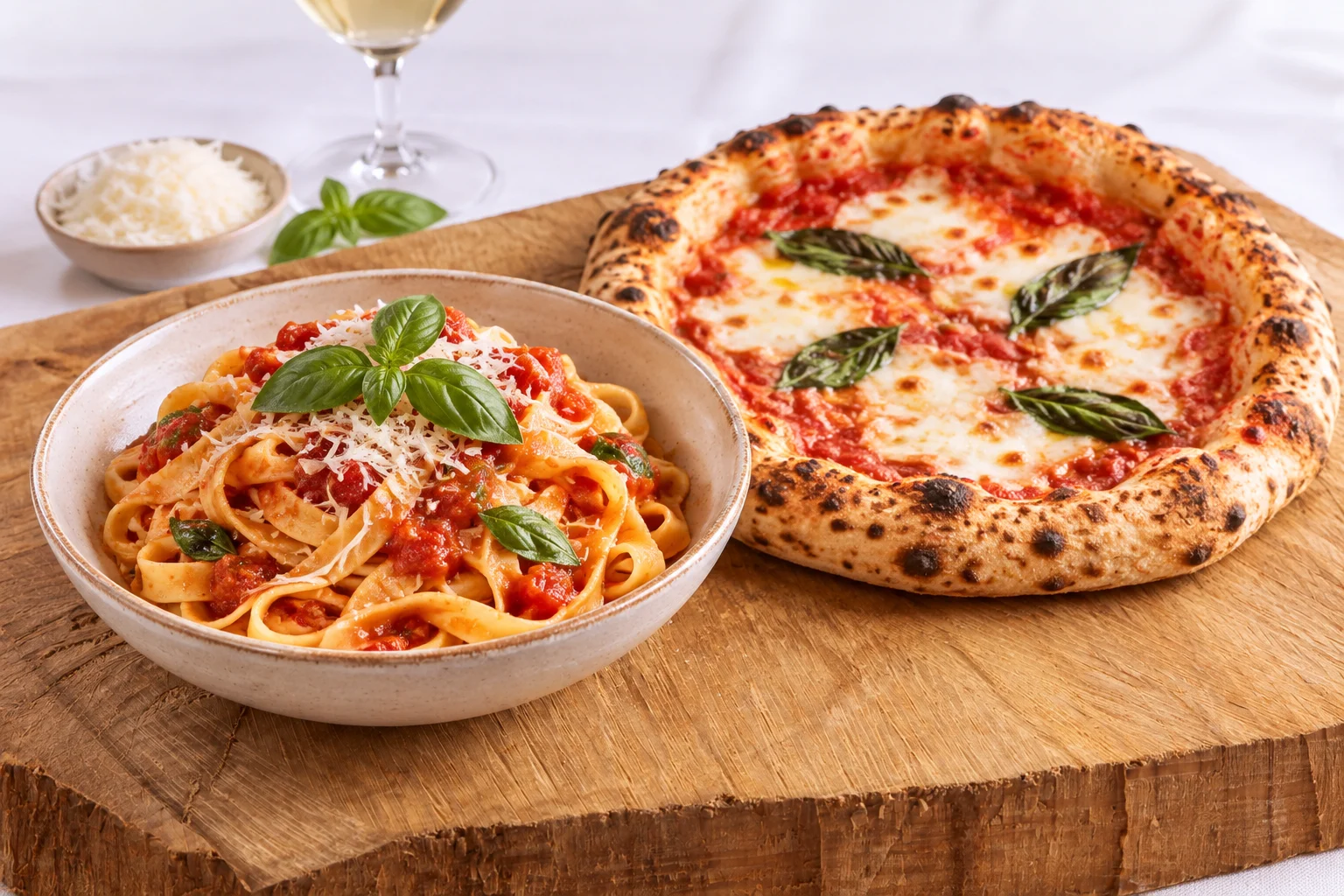
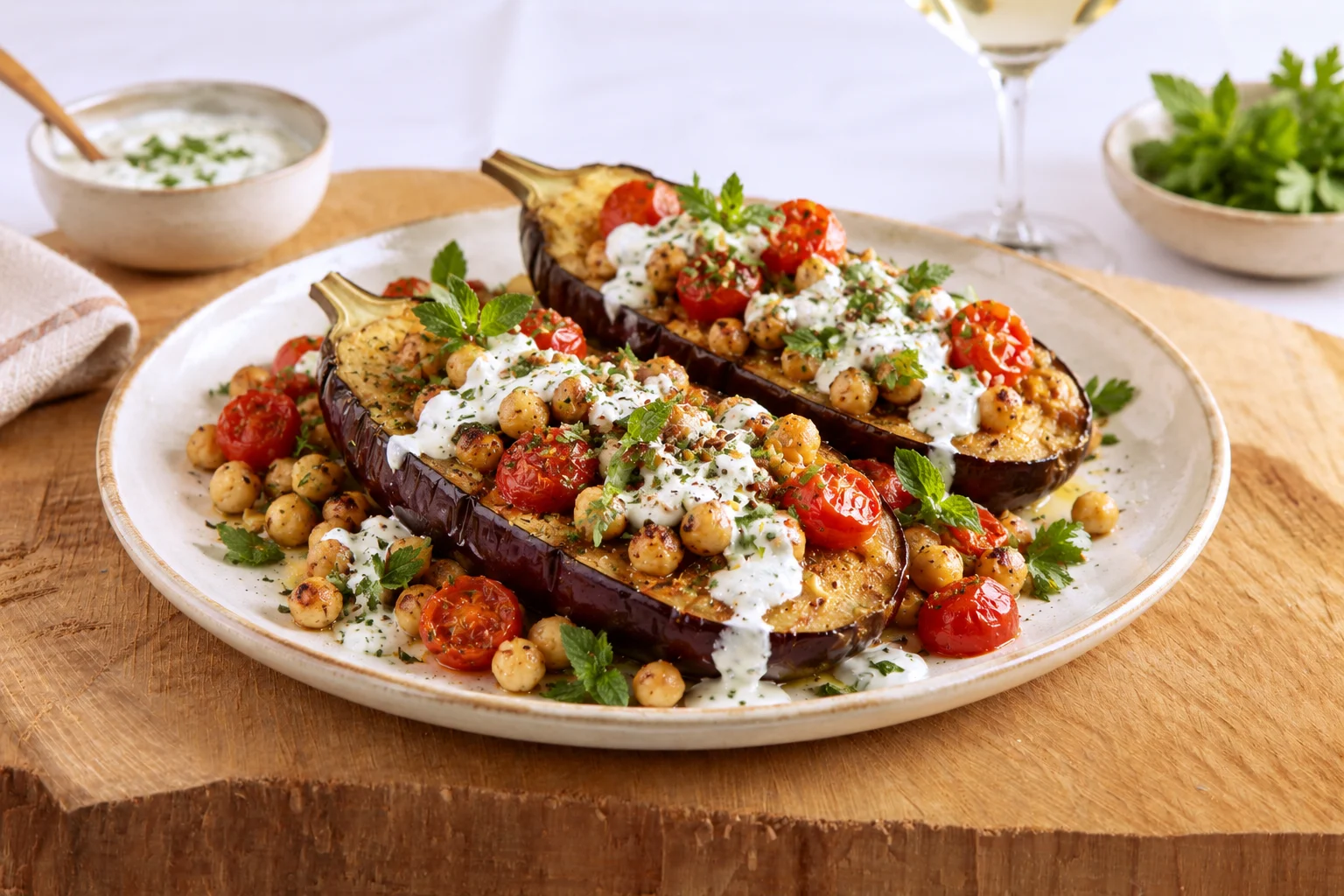
Château de la Gardine Chateauneuf du Pape Rouge is an excellent match for dishes featuring braised lamb, game, and slow-cooked beef. It also complements Provençal dishes like ratatouille, grilled eggplant, or rich tomato pasta dishes. The wine has the power to carry robust flavors, yet its supple structure maintains elegance at the table.
Character
The wine
Origin
Bottle
Wine features
The Brunel family's winemaking tradition dates back to the 17th century. Gaston Brunel, a famous merchant, bought Château de la Gardine in Châteauneuf du Pape in 1945. The estate is now run by his two sons, Patrick and Maxime, with the help of their wives Eve and Maryse and their children Marie-Odile and Philippe. The estate extends over 52 hectares of vineyards (48 hectares red and 4 hectares white) and 20 hectares of woodland, all surrounding the property. The domain is known for the quality of their wines and the unique Gardine bottle. Today, about 70% of production is exported to about 30 countries.
In 1998, the Brunel family saw the potential of the terroir in Lirac. The family therefore also bought Château Saint Roch with 40 hectares of land in Roquemaure where a selection of red, white and rosé wines is produced. It is Eve Brunel, who is also the oenologist for both La Gardine and St Roch, who runs the estate. Robert Parker once said “Don't underestimate the potential of the Brunel family's Château Saint Roch in Lirac. They make wines of an excellent price-quality ratio."
Today, the Brunel family returns to the trading tradition with "Brunel de le Gardine". They offer a wide range of wines from the Northern and Southern Rhone. Patrick Brunel chooses the best wines from each appellation using his trusting relationships with top growers in the region. The family uses all their knowledge and experience to blend and mature the wines, respecting the tradition and the characteristics of each terroir. The quality packaging, with the special Gardine bottle, is the signature of this fine selection of wines.
The Gardine bottle, original and elegant, was created by spontaneous coincidence. When Gaston Brunel first wanted to expand his cellar and dig in the ground, he found a very old mouth-blown bottle. He liked the shape, so he decided to bottle all his wine in a similar bottle. At first he couldn't find a manufacturer in France who could reproduce this bottle, it was that special. He had them made in Italy. Since 1964, all Gardine wines have been bottled in the unique bottle.
Deze Châteauneuf-du-Pape opent met rijpe kersen en bramen, Provençaalse kruiden en tonen van zoethout en viooltjes, heeft zachte, rijpe tannines en een lange afdronk van zwart fruit, specerijen en een lichte aardse toets. Dankzij die combinatie van warme grenache-fruitigheid en structurele syrah en mourvèdre past hij uitstekend bij gestoofd of langzaam gegaard rundvlees en lam, bij gegrild of licht gekruid wild en bij Provençaanse gerechten zoals ratatouille, gegrilde aubergine of tomaatrijke pasta's en pizza's; bereidingswijzen die extra goed werken zijn langzaam sudderen of stoven met tijm en rozemarijn, langzaam gegaarde schouder van lam, of groente en tomatensauzen van geroosterde tomaten en paprika's, en serveer hem rond 16–17 °C voor optimale expressie.
Choose a category to discover dishes that pair well with this wine.
Do you already have a dish in mind?
Let Sommy find wines to pair with your meal.
Discover Wine Trivia
Sign in to unlock fascinating facts about this wine and expand your knowledge.
Sign In