

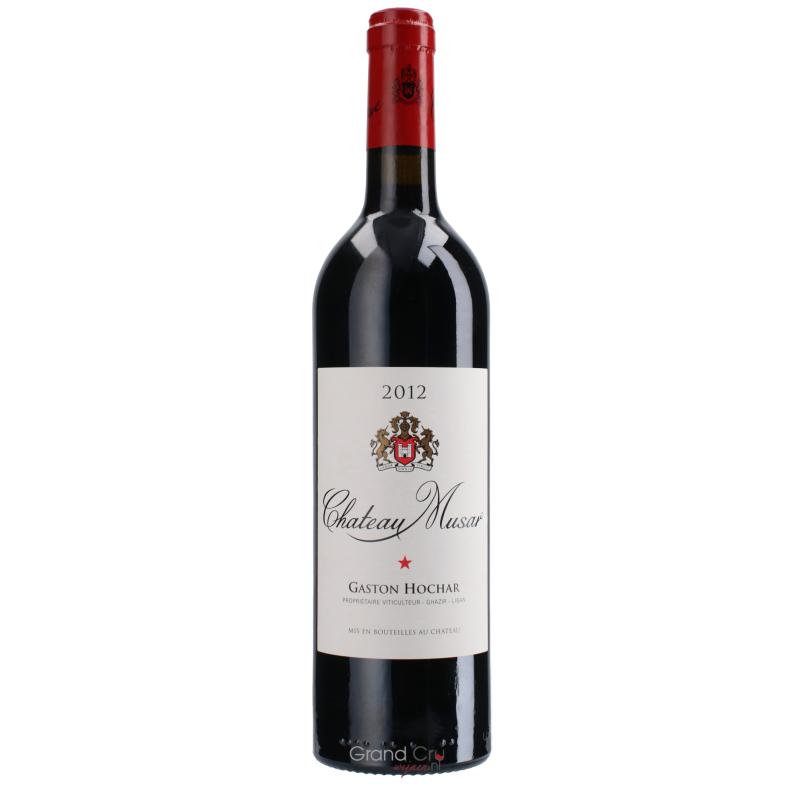
2012 Chateau Musar Bekaa Valley Rouge
Ordering in bulk? Log in to request a quote
Out of Stock
Currently unavailable
Backorder Information
It is possible to order this article in backorder. This is possible with items that we can generally have in stock again in 3-5 working days. You can simply order it, but it is important to mention that we only send the order when it is complete.
How does this wine taste?
How full and heavy the wine feels in your mouth, like the difference between skimmed milk and cream. More alcohol, sugar and oak ageing make a wine fuller.
The drying, grippy feel on your gums and tongue, as with strong tea. It comes from the skins and seeds of black grapes and from oak, and softens with age.
How much sugar you taste, from dry to sweet. Fruity is not the same as sweet: a dry wine can taste of ripe fruit.
How fresh and juicy the wine is: acidity makes your mouth water. High acidity tastes lively and refreshing, low acidity soft and round.
What we taste What you taste Click a taste for what it means
The bars follow how sommeliers taste (WSET): body, tannin, sweetness and acidity, each from low to high.
Body: full-bodied. Like most red wines from ; 14% alcohol.
Tannin: firm. From ; aged in oak.
Sweetness: dry. Red wine from is almost always dry.
Acidity: medium. from the warm climate of .
Aromas: dark fruit and green notes, typical of
Nothing noted for this wine yet. What do you smell, and how long does the taste linger?
Have you tasted this wine?
Save your rating and notes.
Save your rating and notes.
Have you tasted this wine?
Log in to save your tasting note.
Log in to save your tasting note.
Log inChateau Musar is considered one of the most special wine estates in the world. On the one hand this is the location, the Lebanese Bekaa Valley, on the other hand they still use a completely traditional working method. The vineyards are located on siliceous lime-clay soils at an altitude of about 1000 meters. The long, warm summers guarantee excellent ripening of the grapes. Owner Serge Hochar, who in the past was named Winemaker of the Year by the English magazine Decanter Magazine, received his wine training in France.
The red Château Musar derives its character from the large proportion of Cabernet Sauvignon, which gives this wine a Bordeaux-like appearance. Maturation for 24 months in oak barrels from Nevers adds the necessary complexity and flavours. Before the wine reaches the market, it matures for at least 3-5 years in the château's cellars, because it is not yet ready to be drunk. The family ultimately decides which vintage is released and when. This means that when it arrives on the market it already has a wonderful taste, ready to enjoy immediately, but according to Musar this wine only gets better with age and has a drinking window of 2030+
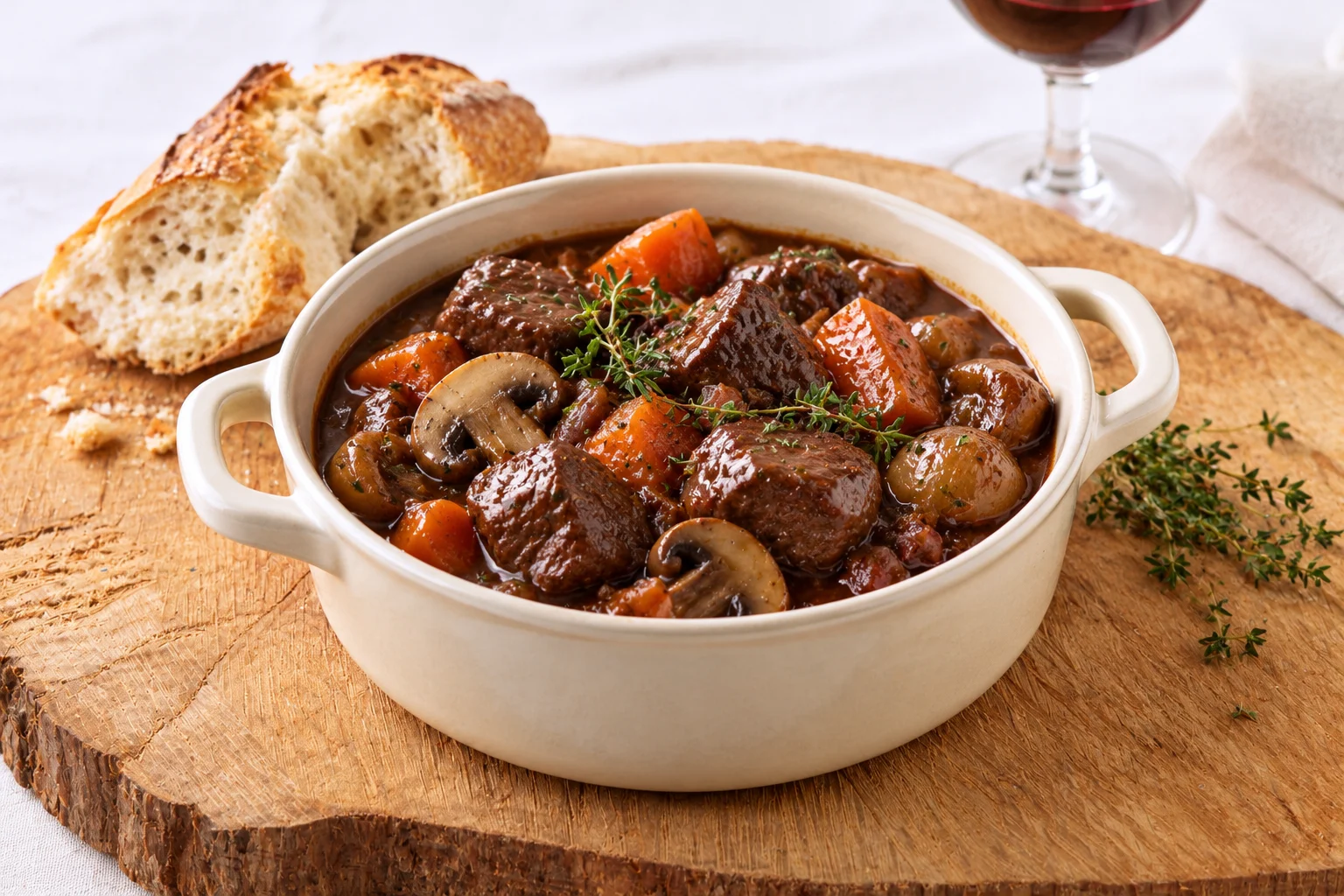
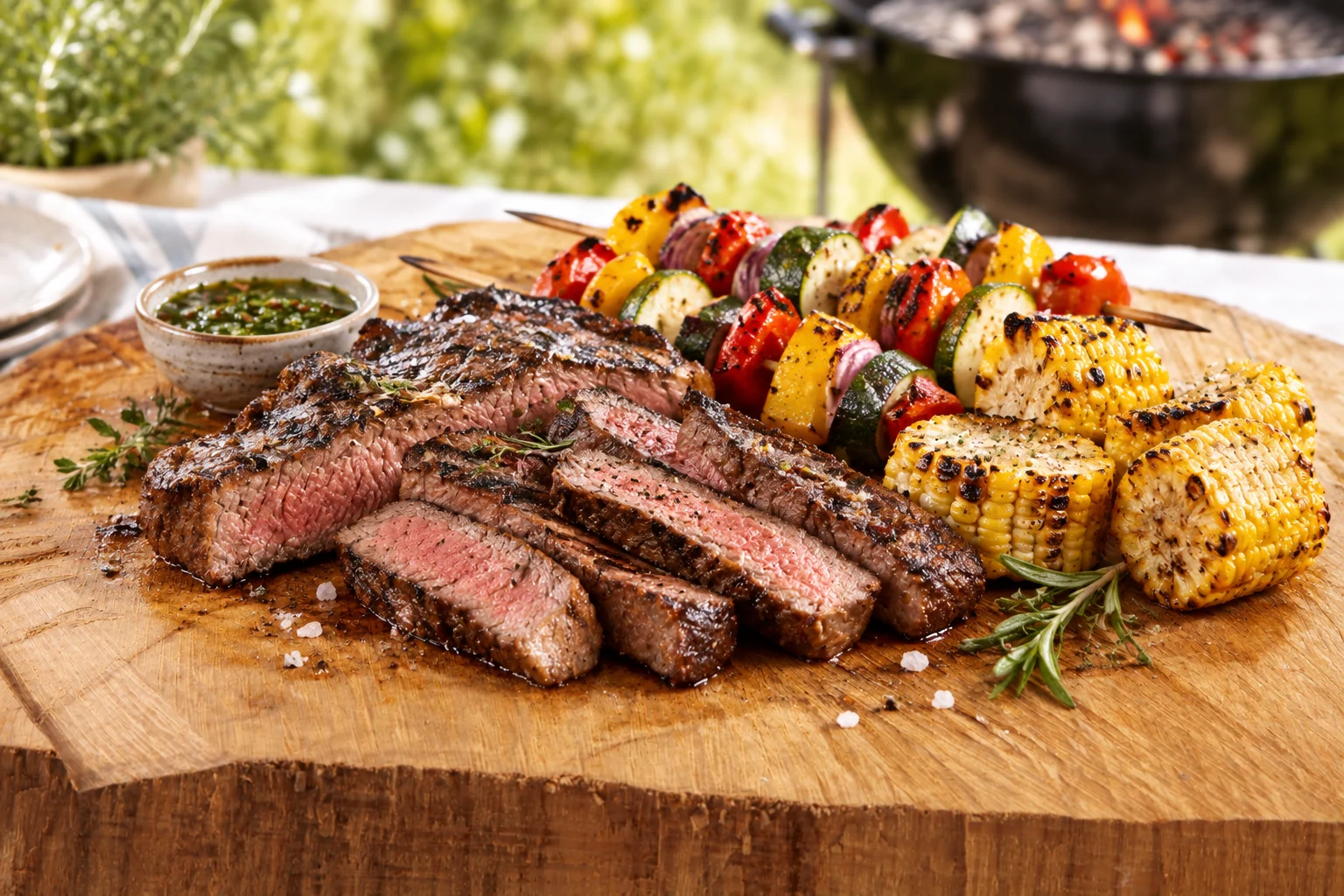
The 2012 Musar has a rich aromatic and fruity nose full of mulberries, black cherries and a hint of mocha and has a dark, almost blood-red color in the glass. The Musar is a wine with a strongly mature character, partly due to a hint of volatile acid, rosemary, cedar, leather; the taste is elegant, open and easy, with pleasant cherries, an accessible character, without the hardness of too many tannins. The taste Intense and concentrated palette, full volume characterized by black fruit with an elegant spiciness. Soft and juicy tannins and a long finish. Forms a happy marriage with spicy, southern dishes, beef and lamb from the grill.
Character
The wine
- 100%
Origin
Bottle
Wine features
Parker
Rating
92
Release Price
$55
Drink Date
2016 - 2032
Reviewed by
Mark Squires
Issue Date
26th Jun 2014
Source
213, The Wine Advocate
The 2007 Chateau Musar, the flagship estate red, is the typical, roughly equal blend of Cabernet Sauvignon, Carignan and Cinsault, aged for 12 months in French oak. Adding a much needed layer of concentration to the Hochar also reviewed this issue, this also provides more focus and intensity, while still seeming to be a civilized Musar. Finishing with complexity, earthy nuances and a gamey hint, it is a relatively polished Musar that shows both finesse and flavor on the finish. After opening rather soft and reticent, the underlying power emerged strongly. There are tannins lurking underneath, of course. Add the acidity, providing some steel and intensity, and this becomes a completely different wine with three hours of decanting, up to and including, what seemed to me to be a high-toned nuance, a hint of Amarone that, hopefully, stays under control. With the right food match, you might not notice. Like most Musars, this is a bottling that has a lot of stuff going on. Take it for what it is. In any event, if I didn't have it in front of me at home the whole time, I'd think someone had switched my glasses from start to finish. It went from "nice" to "it's Musar!" It should age pretty nicely – they always do – but this opened so well that I would not chastise anyone who decided to dive in now. That said, as this became more powerful and astringent with decanting, it certainly demonstrated that it will benefit from more cellaring. It also proved that it could use another year or two to settle down. Let's take the aging curve in stages. Drink 2016-2032.
Lorem ipsum dolor sit amet, consectetur adipiscing elit. Sed do eiusmod tempor incididunt ut labore et dolore magna aliqua...
Exclusive Content
Sign in to unlock professional wine reviews from world-renowned critics
Winemaking in Lebanon is far from a modern phenomenon. In the Beqaa Valley, evidence of wine production dates back to the Bronze Age, with the Phoenicians being among the earliest to cultivate vineyards. The famous Bacchus Temple in Baalbek also stands as a testament to the Roman's involvement in winemaking in the region.
Château Musar: a legacy of winemaking in Lebanon
The Beqaa Valley is an ideal location for grape cultivation. The valley is about eight kilometers wide and situated between two mountain ranges at an elevation of approximately 1,000 meters. This high altitude creates a unique microclimate where the intense heat of the day is offset by cool nights, allowing the grapes to retain their fruity aromas. Additionally, meltwater from the mountains ensures a reliable water supply, while the soil—comprising loam, pebbles, and gray limestone—provides a healthy environment for the vines.
Despite the ongoing conflict in the region, winemaking has persisted. The only exceptions were during the years 1976 and 1984, when war prevented wine production. Grapes had to be transported nearly 100 kilometers through conflict zones to reach the winery, located just north of Beirut.
The revival of Lebanese winemaking because of Château Musar
After a long hiatus due to Islamic rule, which imposed a ban on alcohol production for over a thousand years, winemaking in Lebanon was revived by Jesuit priests in 1857. In 1930, Gaston Hochar founded Château Musar during the French mandate period. He sourced grapes from the Beqaa Valley and established a winery and cellar on the western slopes of Mount Lebanon, in Ghazir, just north of Beirut. Hochar received guidance from French professors in setting up his winery.
The Influence of Serge Hochar
Gaston Hochar's son, Serge, played a pivotal role in bringing Château Musar to global recognition. After training at Château Langoa-Barton in Bordeaux, Serge Hochar developed his own philosophy of winemaking. He favored a unique blend, combining the firm and robust structure of Cabernet Sauvignon with the fruit-forward character of Rhône varietals such as Carignan and Cinsault—a blend rarely seen elsewhere.
Serge Hochar was committed to natural winemaking techniques, using wild yeasts, avoiding fining and filtering, and famously describing his wines as "wines without makeup." The red wines from Château Musar are aged for an average of 12 months in French oak barrels that are not toasted, followed by several years of cellar aging. The final blend is determined purely by taste, with each vintage offering distinct characteristics.
The unique style of Château Musar wines
The red Château Musar is an exceptional and traditional wine, often considered old-fashioned in style. Its color is never truly dark, usually exhibiting a brownish hue, with notes of spices and a subtle herbal quality in both aroma and flavor. These wines have remarkable aging potential, with Serge Hochar recommending they be enjoyed at their peak after 15 years. Each vintage reflects its own personality, and the wines are renowned for their distinctive character and ability to age gracefully.
Château Musar continues to be celebrated worldwide for its commitment to tradition and unique winemaking approach.
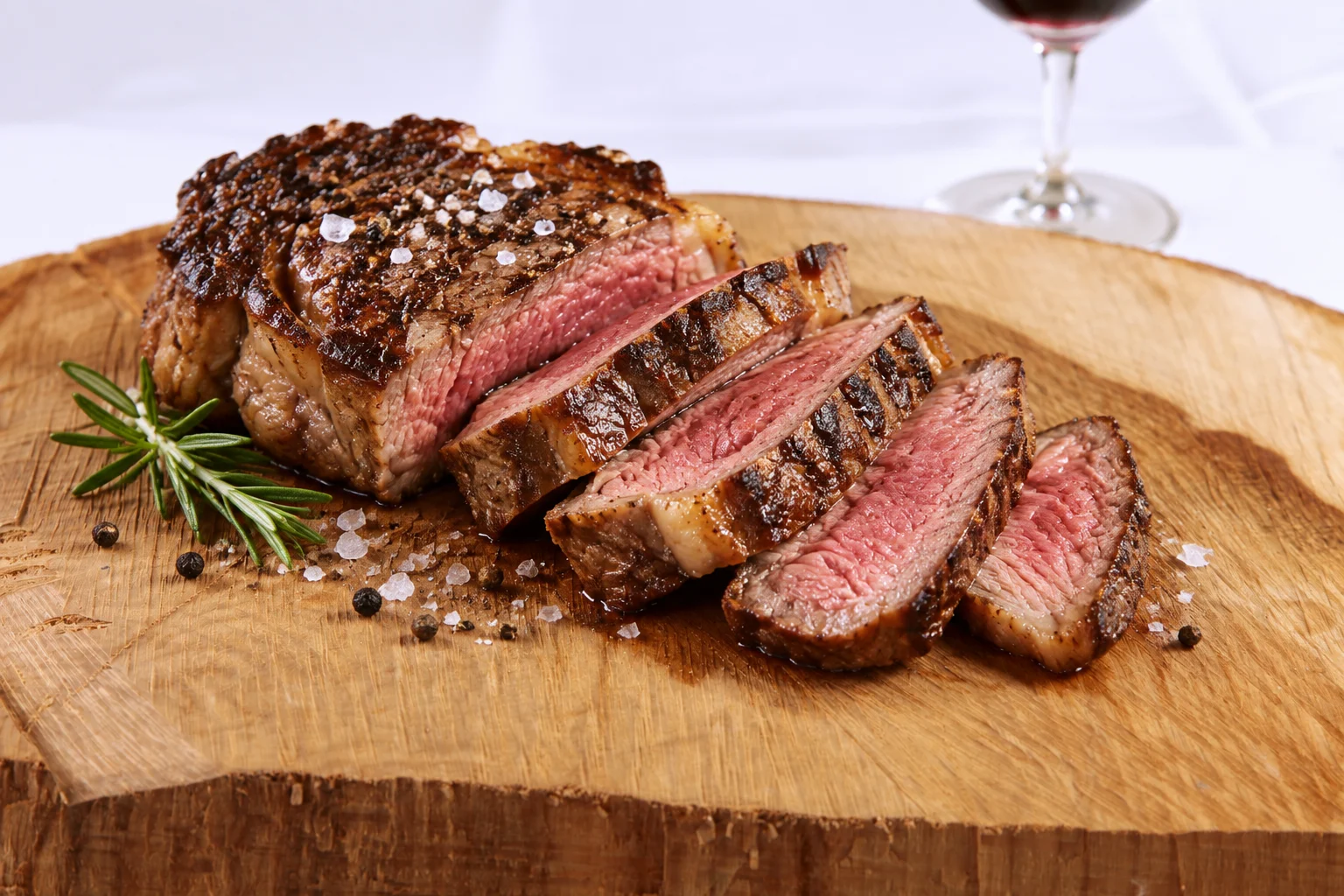
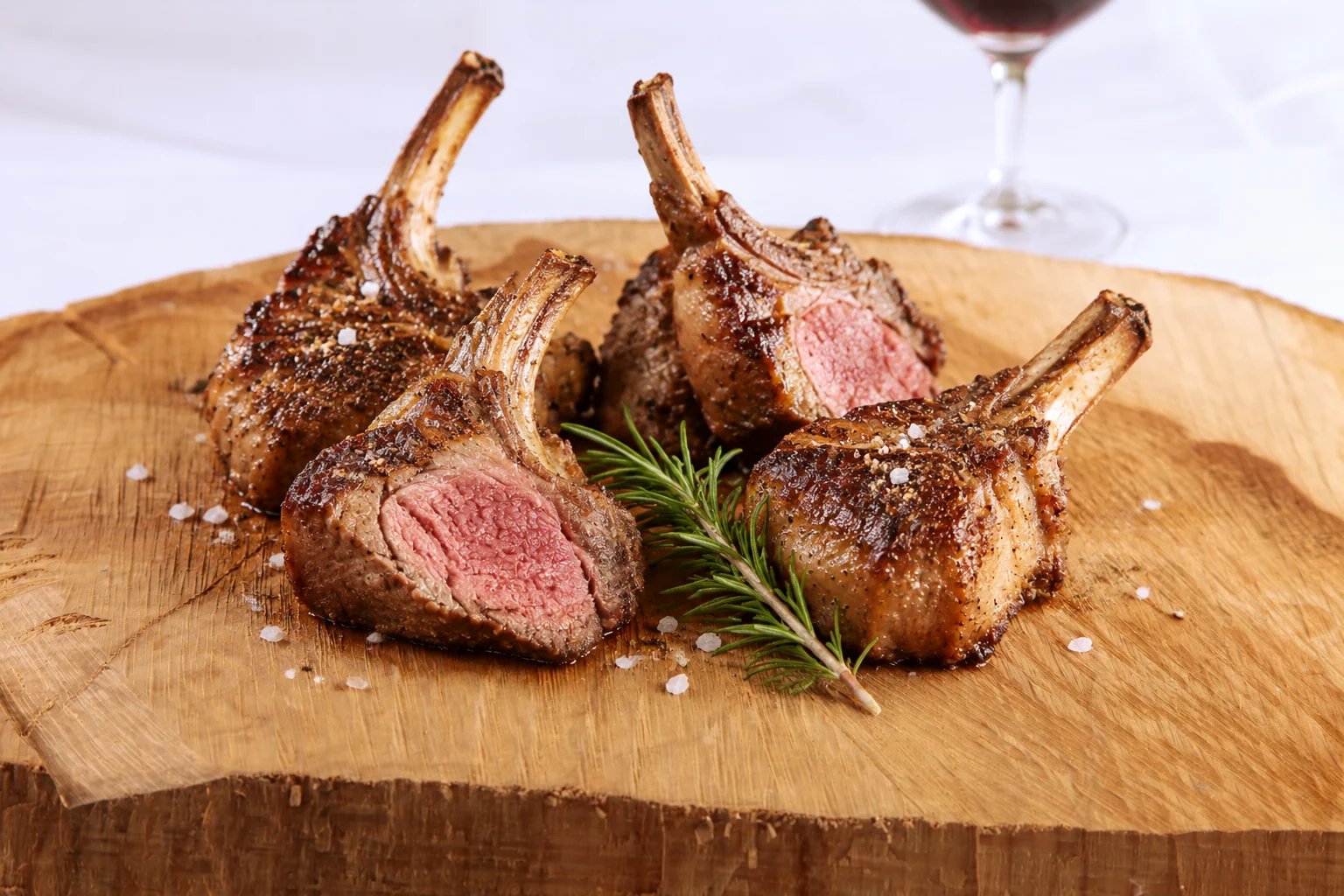
De 2012 Château Musar toont een geconcentreerd smaakpalet van zwart fruit zoals moerbei en zwarte kers, aangevuld met mokka, cederhout, een kruidige rozemarijnachtige toets en een lichte vleug van leer en vluchtig zuur, met rijpe maar zachte tannines en een stevige structuur. Daardoor werkt de wijn uitstekend bij rundvlees, lam, stoofschotels en barbecue omdat de zuurgraad en het donkere fruit het vet en de umami van gegrild en gestoofd vlees verzachten, terwijl de tannines en het eikenhout goed samengaan met eiwit en rokerige smaken; kruidige mediterrane accenten sluiten bovendien aan bij de rozemarijn- en cederaroma’s. Kies voor langzaam gegaarde stoofschotels, een kruidige herb-crust of rozemarijn-lamskoteletten van de grill en geef gegrilde ribeye of lamsbout met knoflook en geroosterde groenten de voorkeur; decanteer de fles enkele uren voor het beste resultaat.
Choose a category to discover dishes that pair well with this wine.
Do you already have a dish in mind?
Let Sommy find wines to pair with your meal.