

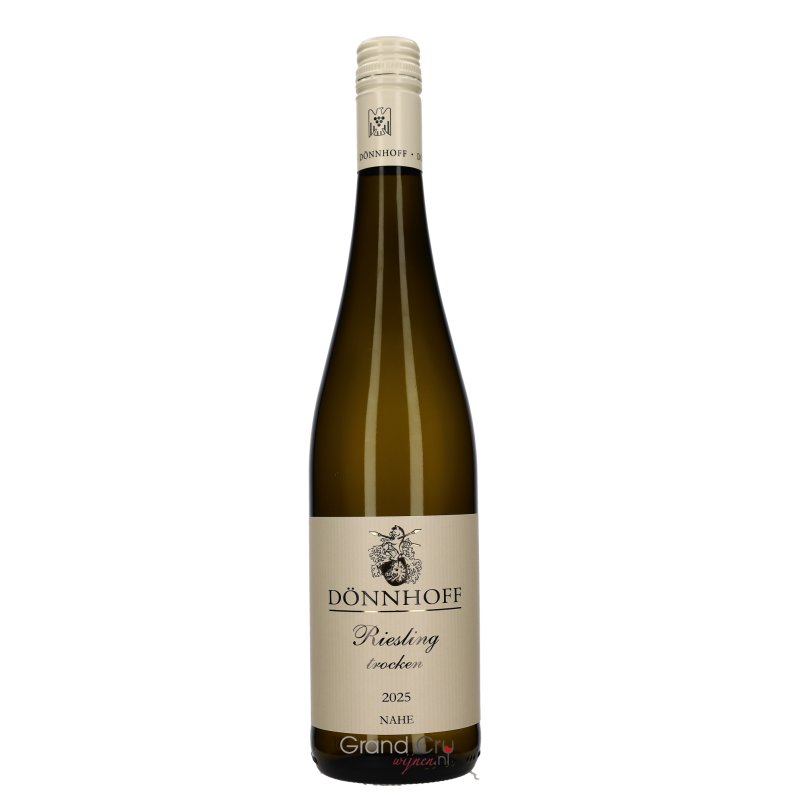
2025 Weingut Dönnhoff Riesling Trocken
Ordering in bulk? Log in to request a quote
Low Stock
Only 2 left
Need more? You can backorder the rest.
How does this wine taste?
How full and heavy the wine feels in your mouth, like the difference between skimmed milk and cream. More alcohol, sugar and oak ageing make a wine fuller.
How much sugar you taste, from dry to sweet. Fruity is not the same as sweet: a dry wine can taste of ripe fruit.
How fresh and juicy the wine is: acidity makes your mouth water. High acidity tastes lively and refreshing, low acidity soft and round.
What we taste What you taste Click a taste for what it means
The bars follow how sommeliers taste (WSET): body, tannin, sweetness and acidity, each from low to high.
Body: medium-bodied. Fuller than most white wines from ; 11.5% alcohol.
Sweetness: dry. on the label.
Acidity: high. from the fairly cool climate of .
Aromas: flowers, stone fruit and tropical fruit, typical of
Nothing noted for this wine yet. What do you smell, and how long does the taste linger?
Have you tasted this wine?
Save your rating and notes.
Save your rating and notes.
Have you tasted this wine?
Log in to save your tasting note.
Log in to save your tasting note.
Log inA more than magnificent Riesling from Weingut Dönnhoff, which, with its 9 Große Lagen, is considered one of the absolute top in the region. The Riesling grapes originate from Oberhausen and Niederhausen (thus from weathered slate and volcanic stones). The Dönnhoff 2025 Riesling is pure and refreshingly mineral on the nose, with bright, clear, and spicy fruit and crisp slate aromas. A quintessential classic Kabinett with citrus, a silky texture, and a very elegant, ripe, and piquant acidity. This is a deliciously fruity and stimulating, palate-pleasing Riesling. Helmut Dönnhoff states: "We must be careful that it doesn't become too good for the price range."
VDP (Verband Deutscher Pradikatsweinguter) Grosse Lage is the designation for the very best German vineyards, which are precisely delineated by plot. The VDP is a major organization with approximately 200 of the best winemakers in Germany affiliated with it. The VDP has mapped the quality of vineyards (and their wines) and subdivided them into Erste Lage and Grosse Lage, comparable to the Premier Cru and Grand Cru classifications in Burgundy. In the VDP classification, the focus is on terroir rather than must weight. Unique wines with a special expression of the specific plot, a mature character, and great aging potential are born here. Only the very best grape varieties, specifically suited to the vineyard, enjoy the privilege of being planted here. The strictest possible production criteria guarantee the top of the VDP classification pyramid.
Character
The wine
- 100%
Origin
Bottle
Wine features
Weingut Dönnhoff is a winery located in the Nahe, Germany. The estate is known for producing high-quality Rieslings, which are considered some of the best in the world. The winery has a long history of winemaking and is widely respected for its dedication to producing exceptional wines with a sense of place and terroir.
History of Weingut Dönnhoff
The Dönnhoff family has been involved in the wine world for generations, and the history of the estate dates back to the mid-18th century. Helmut Dönnhoff, who took over the estate in the 1980s, has been instrumental in improving production. Under his leadership, Weingut Dönnhoff saw a significant transformation and gained recognition as one of the best wineries in Germany. Helmut Dönnhoff's approach to winemaking is rooted in a commitment to quality and terroir expression. He implemented meticulous vineyard management and winemaking techniques to produce wines that reflect the unique characteristics of the Nahe. The estate's focus on Riesling has been a defining feature of its history.
Nahe
The Nahe region is located between the Palatinate in the south and the Moselle wine region in the north. The Nahe River flows through the region and gives it its name. The region's diverse topography includes valleys, hills, and terraced vineyards. One of the most distinctive features of the Nahe is its varied terroir. The soil types here range from volcanic, shale and sandstone to clay and limestone. This diversity allows for the cultivation of a wide range of grape varieties and wine styles.
The Nahe region is known for the production of high-quality Rieslings. Riesling thrives in these diverse soil and microclimate conditions of the region. In addition to Riesling, other white grape varieties such as Müller-Thurgau, Silvaner and Weissburgunder (Pinot Blanc) are also grown, and some red varieties such as Pinot Noir (Spätburgunder) can be found. The Nahe benefits from a variety of microclimates, influenced by its topography and proximity to the Rhine. The region has warmer and drier areas in the valleys, as well as cooler, higher elevation locations, which allow for the production of different styles of wine, from dry to sweet. The Nahe is known for producing a wide range of wine styles, from bone-dry and crunchy Rieslings to deliciously sweet and botrytized dessert wines (noble rot). The region is also known for its sparkling wines and rosé wines.
Production by Weingut Dönnhoff
Weingut Dönnhoff is especially praised for its Rieslings, which are known for their elegance, precision, and terroir expression. They produce a variety of Riesling styles, from dry to sweet, as well as noble sweet wines made from grapes with botryt. The estate is committed to sustainable viticulture and uses environmentally friendly farming methods. They strive to minimize their impact on the environment while producing high-quality grapes. Weingut Dönnhoff's wines have received wide recognition and numerous awards from wine critics and organizations. They are highly sought after by collectors and wine lovers around the world. In addition to Riesling, Weingut Dönnhoff also produces other white grape varieties, including Weissburgunder (Pinot Blanc), Grauburgunder (Pinot Gris) and Silvaner.
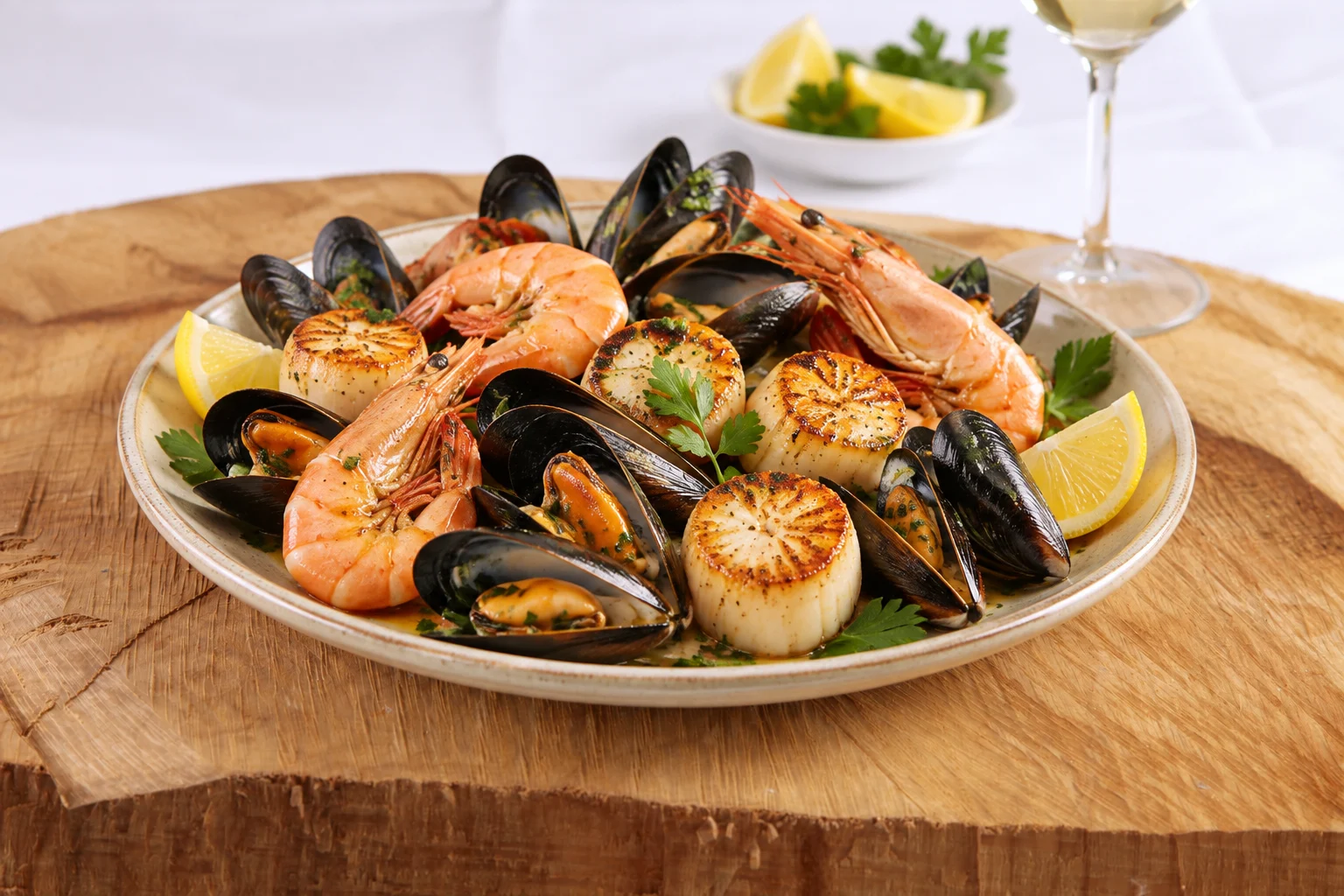
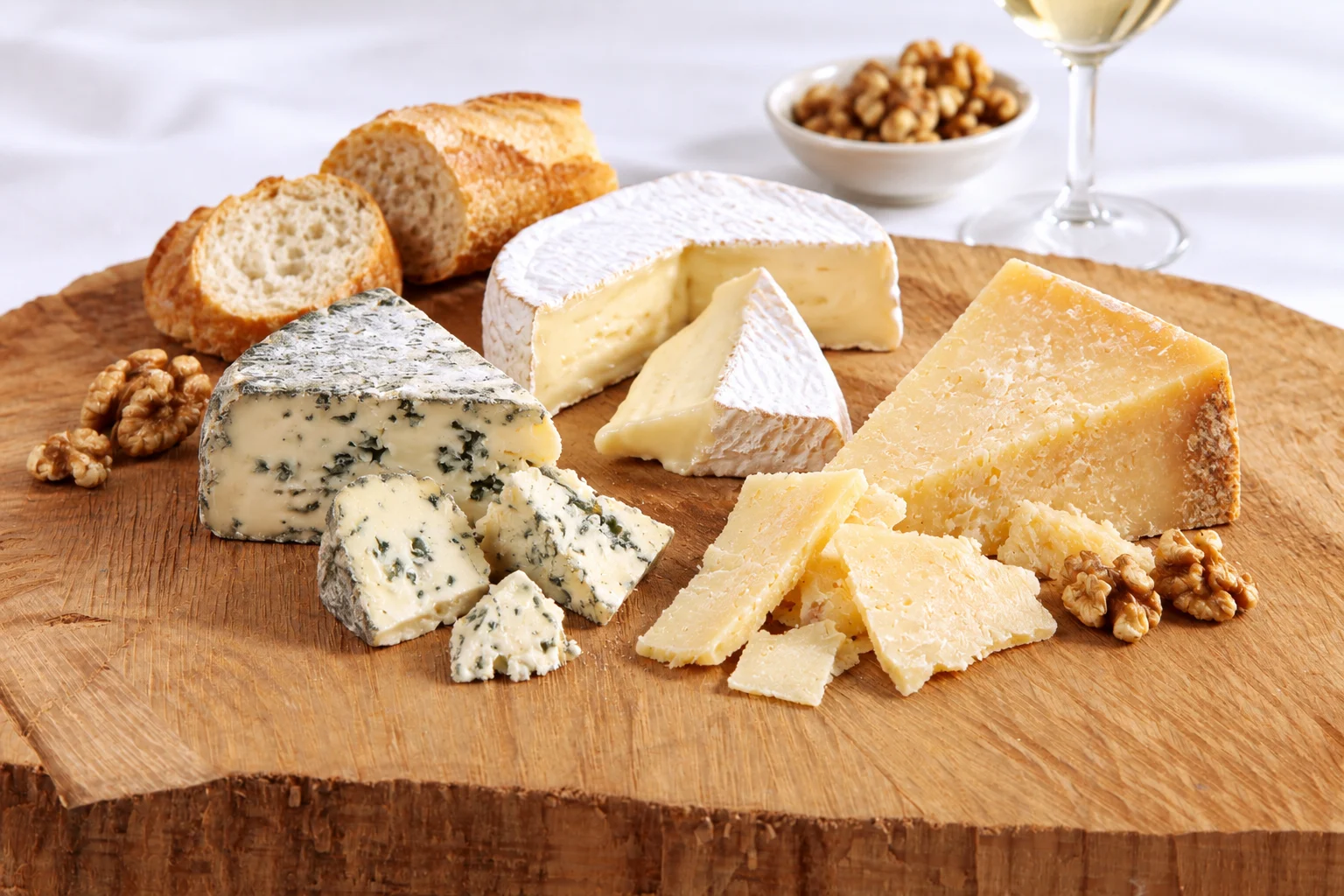
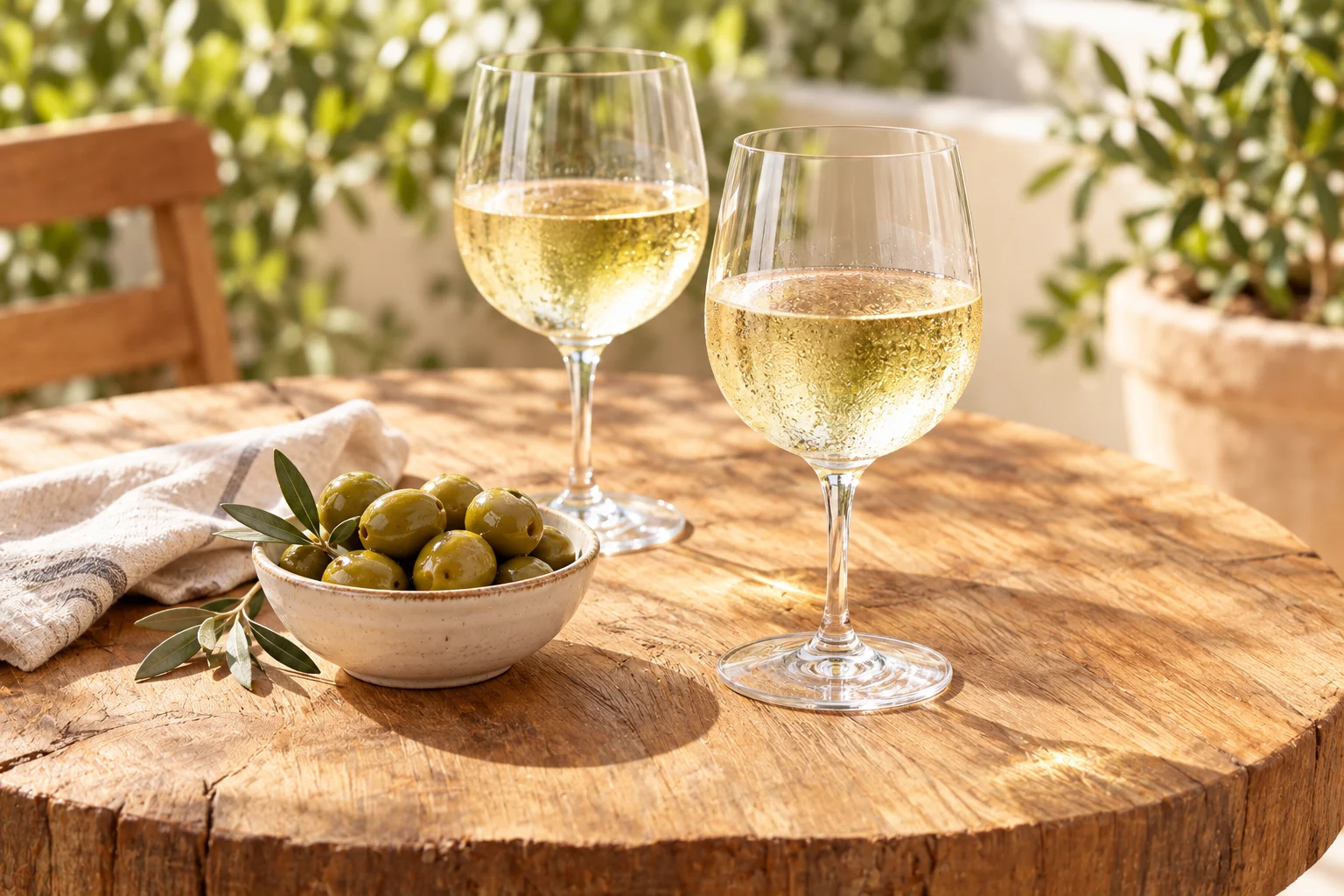
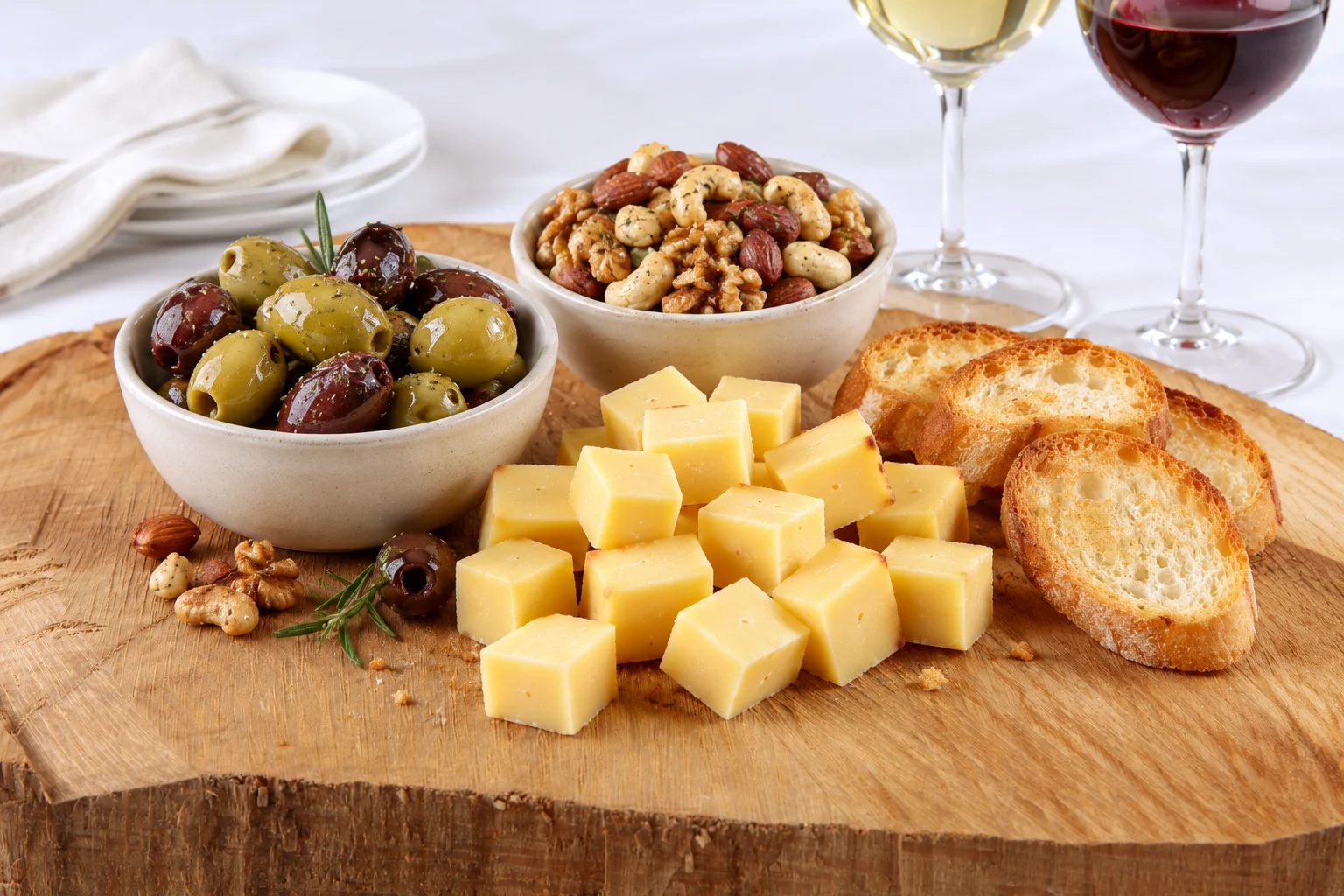
Deze 2023 Dönnhoff Riesling Trocken toont helder citrus- en steenfruit met een uitgesproken mineraal karakter, kruidige ondertonen, een zijdezachte textuur en een levendige, pikante zuurgraad die typisch is voor een top Kabinett. Daardoor werkt hij uitstekend bij schelp- en schaaldieren en lichte kazen omdat de frisse zuurgraad en het leisteenachtige sap de zilte, vette smaken doorsnijden en tegelijkertijd het fruit versterken; extra goed te combineren met rauwe bereidingen zoals ceviche of oesters, gegrilde garnalen met citroen of zachte geitenkaas en milde roomsausjes, en dankzij zijn verfrissende karakter is hij ook perfect als terras- of borrelwijn.
Choose a category to discover dishes that pair well with this wine.
Do you already have a dish in mind?
Let Sommy find wines to pair with your meal.
Discover Wine Trivia
Sign in to unlock fascinating facts about this wine and expand your knowledge.
Sign In