

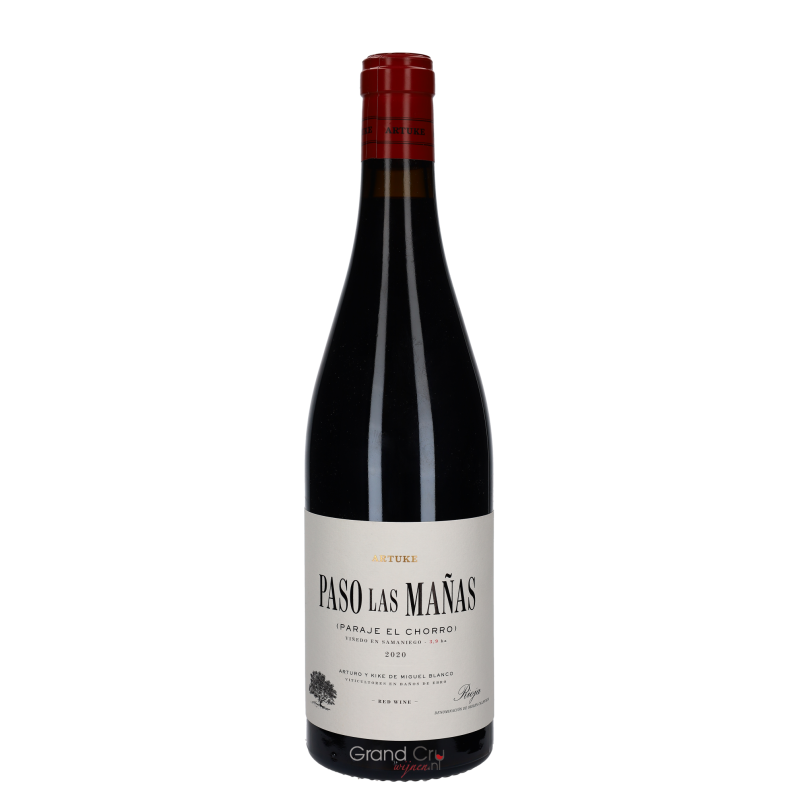
2020 Artuke Paso Las Mañas
How does this wine taste?
How full and heavy the wine feels in your mouth, like the difference between skimmed milk and cream. More alcohol, sugar and oak ageing make a wine fuller.
The drying, grippy feel on your gums and tongue, as with strong tea. It comes from the skins and seeds of black grapes and from oak, and softens with age.
How much sugar you taste, from dry to sweet. Fruity is not the same as sweet: a dry wine can taste of ripe fruit.
How fresh and juicy the wine is: acidity makes your mouth water. High acidity tastes lively and refreshing, low acidity soft and round.
What we taste What you taste Click a taste for what it means
The bars follow how sommeliers taste (WSET): body, tannin, sweetness and acidity, each from low to high.
Body: full-bodied. Like most red wines from Rioja; 14% alcohol.
Tannin: firm. From ; aged in oak.
Sweetness: dry. Red wine from is almost always dry.
Acidity: medium. from the temperate climate of Rioja.
Aromas: earthy notes, dark fruit and red fruit, typical of
Nothing noted for this wine yet. What do you smell, and how long does the taste linger?
Have you tasted this wine?
Save your rating and notes.
Save your rating and notes.
Have you tasted this wine?
Log in to save your tasting note.
Log in to save your tasting note.
Log inArtuke is a small family business in Baños de Ebro in the Rioja Alavesa. Brothers Arturo and Kike de Miquel (Artuke is a combination of their first names) have been working at their parents' company since 2003 and 2010 respectively, who now advise the boys in the background. The focus is entirely on making terroir-driven wines with expression of the vineyards, a Burgundian complexity and elegance.
Paso Las Mañas can be seen as the Premier Cru of Arturke. The wine comes from the youngest vines, 3.9 hectares that were planted in 1999 in Samaniego, at an altitude of 700 m, which gives it a quite special character. In 2016, 3500 bottles were bottled. It is the only cuvée that is based on 100% Tempranillo. It is therefore a Single Vineyard wine.
In the plot, the pickers themselves determine which bunches are picked in a first selection. They are then picked in small baskets and transported in large baskets of maximum 10 cm high so that the grapes cannot crush each other and the fruit remains beautiful and intact. Then all the bunches are sorted on the selection table in the bodega. The bunches are destemmed and then transported by gravity to the stainless steel tanks for fermentation. Only indigenous yeasts are used. Malolactic fermentation in wooden foeders of 500 and 3500 liters. The wine matures further in these same foeders for 15 months.
In the glass, the Paso Las Mañas has a dark ruby red color. In the nose mainly floral tones that dominate, and after a good swirling lots of red fruit. Very Burgundian character for Tempranillo. In the mouth lots of juice, the red fruit comes back, beautiful balance between the fruit, some spicy wood, acids and tannins. In the mouth lots of juice, the red fruit comes back, beautiful balance between the fruit, some spicy wood, acids and tannins. Due to the height of the vineyard we feel the acidity clearly present but nicely fused with the fruit. Long finish. 95/100 Parker
Character
The wine
- 100%
Origin
Bottle
Wine features
Parker
The Wine Advocate
RP 95
Reviewed by:
Luis Gutiérrez
Release Price:
$48
Drink Date:
2022 - 2032
The 2020s feel very elegant, and the 2020 Paso Las Mañas, which mentions the Paraje El Chorro in Samaniego where the vines are, is no exception. It has a very lively palate that is effervescent with freshness and chalky minerality, leaving a dry sensation that is very tasty, almost salty. It's young-ish Tempranillo that achieved 13.5% alcohol and kept a pH of 3.42, meaning moderate ripeness, a medium body and very good freshness—a constant across the 2020s. 6,000 bottles were filled in January 2022 after 12 months in 3,500-liter foudre.
Artuke has seen one of the best progressions in Rioja in the last few years and is one of the finest young family wineries in the region. They have 30 hectares planted between 1920 and 2013 in their village, Baños De Ebro and Ábalos, San Vicente de La Sonsierra, Samaniego and Villabuena de Álava and currently produce some 170,000 bottles.
I tasted mainly the 2020s (except the young 2021), a vintage marked by abundant rains during the months of June and July that caused crop losses due to mildew. The rest of the summer saw warm temperatures, and the harvest began in the second week of September, since the decrease in quantity meant that the harvest was a little earlier than the previous year.
Published: Jul 14, 2022
Lorem ipsum dolor sit amet, consectetur adipiscing elit. Sed do eiusmod tempor incididunt ut labore et dolore magna aliqua...
Exclusive Content
Sign in to unlock professional wine reviews from world-renowned critics
Artuke is a small family winery, founded by father Miguel Blanco in 1991 and for about 10 years now with the help of sons Arturo and Kike (together 'Artuke'). Together they cultivate 22 hectares, spread over 32 different plots, some of which are top crus. They are also the forerunners of the Rioja'n Roll movement that saw the light in this area a few years ago.
Young winemakers from Rioja worked together with the same philosophy; Terroir wines are made in a natural way, without fuss, and with respect for their region and especially their landscape and their varieties, in the first place Tempranillo, of course, but also other old cépages that are often planted together in the vineyard. Originally from Rioja Alavesa in Baños de Ebro, they also have some nice plots with vieilles vignes in Samaniego and San Vicente de la Sonsierra and even in Abalos in Rioja Alta. For us, they are the pioneers of the new generation in Rioja.
The whole family has its roots in Rioja and in viticulture. Father Miguel Blanco decided in 1991 not to sell his grapes anymore, but to start on his own account. He launched his wines under his own name. The sons were raised on the small family estate and grew up among the vineyards and the bottles. In 2003 Arturo joined the domain and in 2010 the youngest son Kike. The first thing the new generation did was to study the different plots and terroirs their father owned.
All their vineyards were planted in gobelet or 'bushvines', which made them more resistant to drought and extreme climatic conditions. The new vineyards they plant today are also systematically planted in Gobelet. They also decided to adopt the biodynamic practices for their vineyards and, along with a number of other young winemakers, were the forerunners of the innovative Rioja 'n Roll movement. 2016 was the first vintage that they made their wines according to their terroir and divided them into 'premiers crus' (Finca de los Locos and Paso las Mañas) and 'grands crus' (La Condenada and El Escolladero).
In the meantime they still make a young cosechero wine and a 'vin de village', the Pies Negros, from the village of Abalos. Today they are one of the big names for the future in the well-known Rioja region.
Rioja, of course, means Tempranillo, and that is also the main grape variety in their vineyards. They work with a lot of vieilles vignes, which means that on the corners of the plots, and often also between the Tempranillo vines, other grape varieties are often planted. They do not vinify these separately, but believe in their terroir and in the coupage of their terroir. That is why up to 20% of other grape varieties are often used, such as of course Graciano, which is increasingly seen in Rioja, but also Garnacha and Cagazal, a Rioja variant of the well-known Palomino.
In vineyards planted just after the phylloxera, around 1920, the latter is often found to fill the gaps. After all, Palomino was a fast grower with high yields. And in coupage with Tempranillo, these other grape varieties give a nice variety and freshness.
Terroir
Artuke mainly works in Rioja Alavesa. These villages usually have a little more Atlantic influence than Rioja Alta. Their best vineyards are in Baños de Ebro, Samaniego and San Vicente de la Sonsierra. Some nice vineyards also in Abalos, just over the border in Rioja Alta, but below the Sierra Cantabria, so the most Atlantic part of the Rioja Alta.
Abalos: 8 different plots for Pies Negros and 1 plot for the grand cru El Escolladero. Both are mainly lime-clay soils, located between 530 and 600 m altitude.
Samaniego: for 1er cru Paso Las Mañas, lime-clay soil, on a 15% slope from north to south, between 680 and 700 m altitude.
Baños de Ebro: plots for their base wines and for 2 crus:
Finca de los Locos: sandy stony soils on a north-south slope of 3% between 520 and 530 m.
Grand Cru La Condenada: sandy soil with sandstone in the subsoil at 540 m altitude.
Vinification
All plots are biologically farmed and most plots use biodynamic practices. Artuke's wines are sometimes called the most Burgundian of Rioja because of their elegant and fine style. No “power Tempranillo” is made here. All grapes are harvested by hand and brought to the bodega in small baskets. All grapes pass the selection table. These are de-stained and then transported by gravity to stainless steel tanks.
Fermentation takes place with native yeasts. Malolactic fermentation in large wooden foeders. Then an élevage of another 13 to 16 months, depending on the wine, in large wooden casks (between 500 and 3500 litres). The 2 grands crus come in 600 liter foeders.
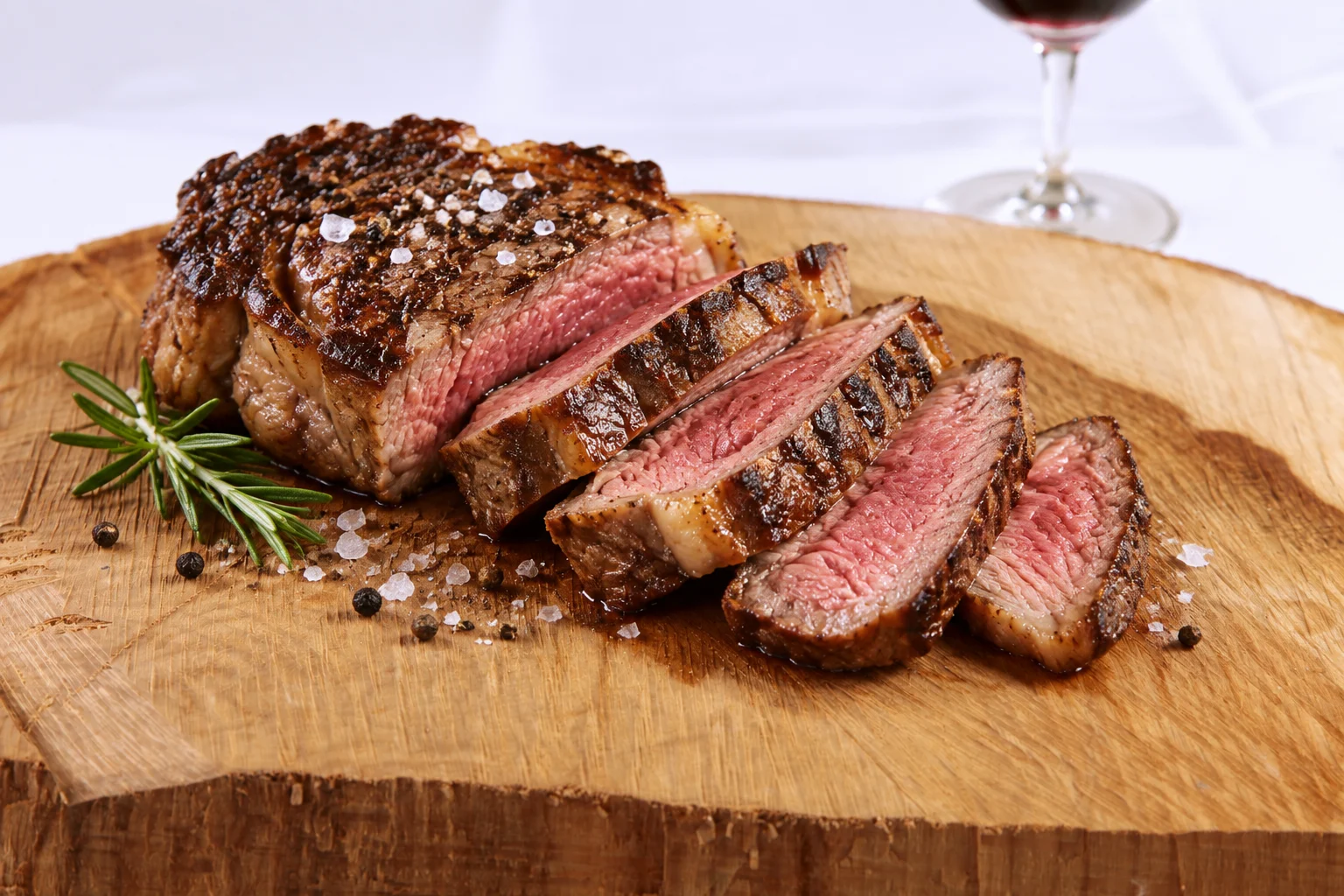
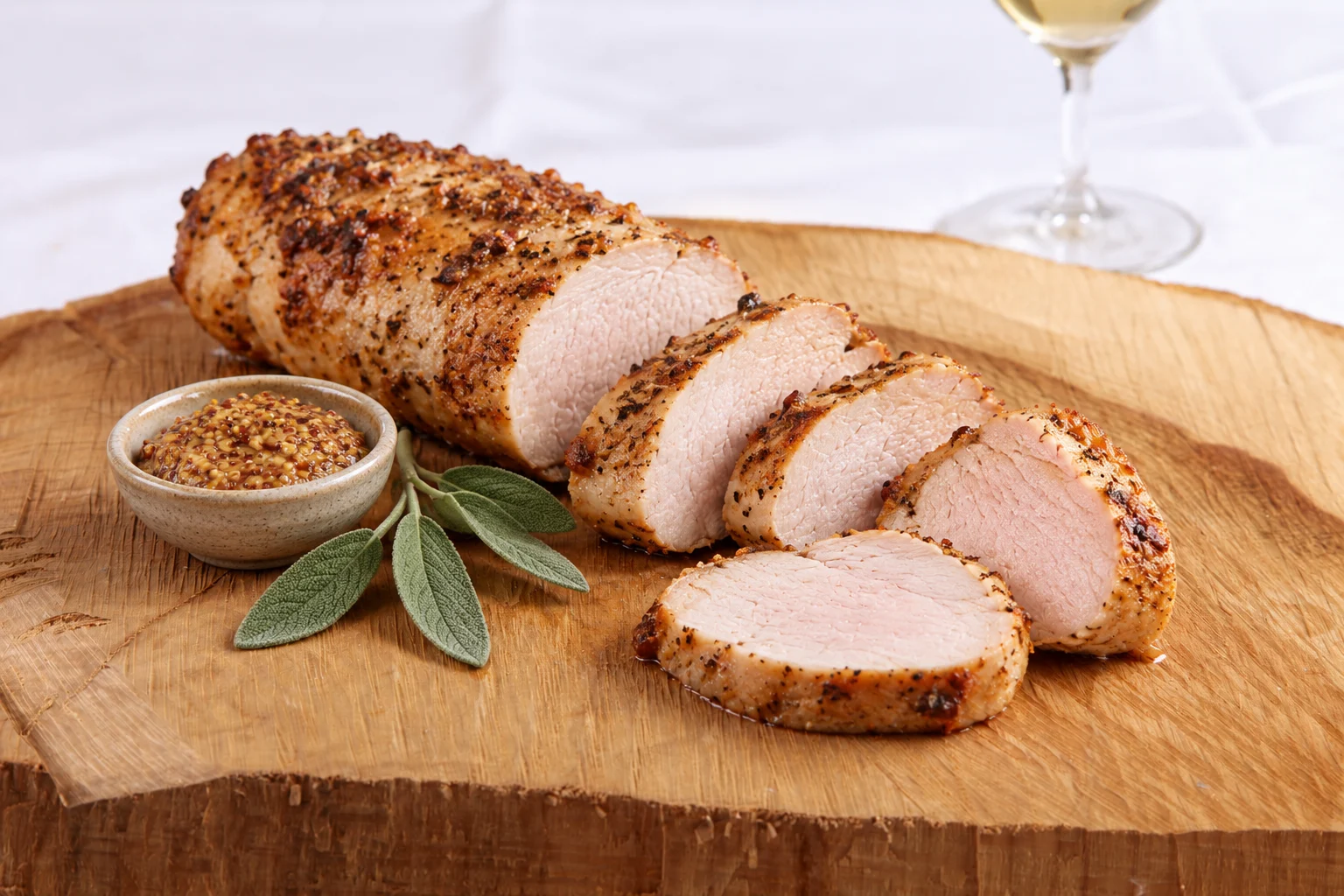
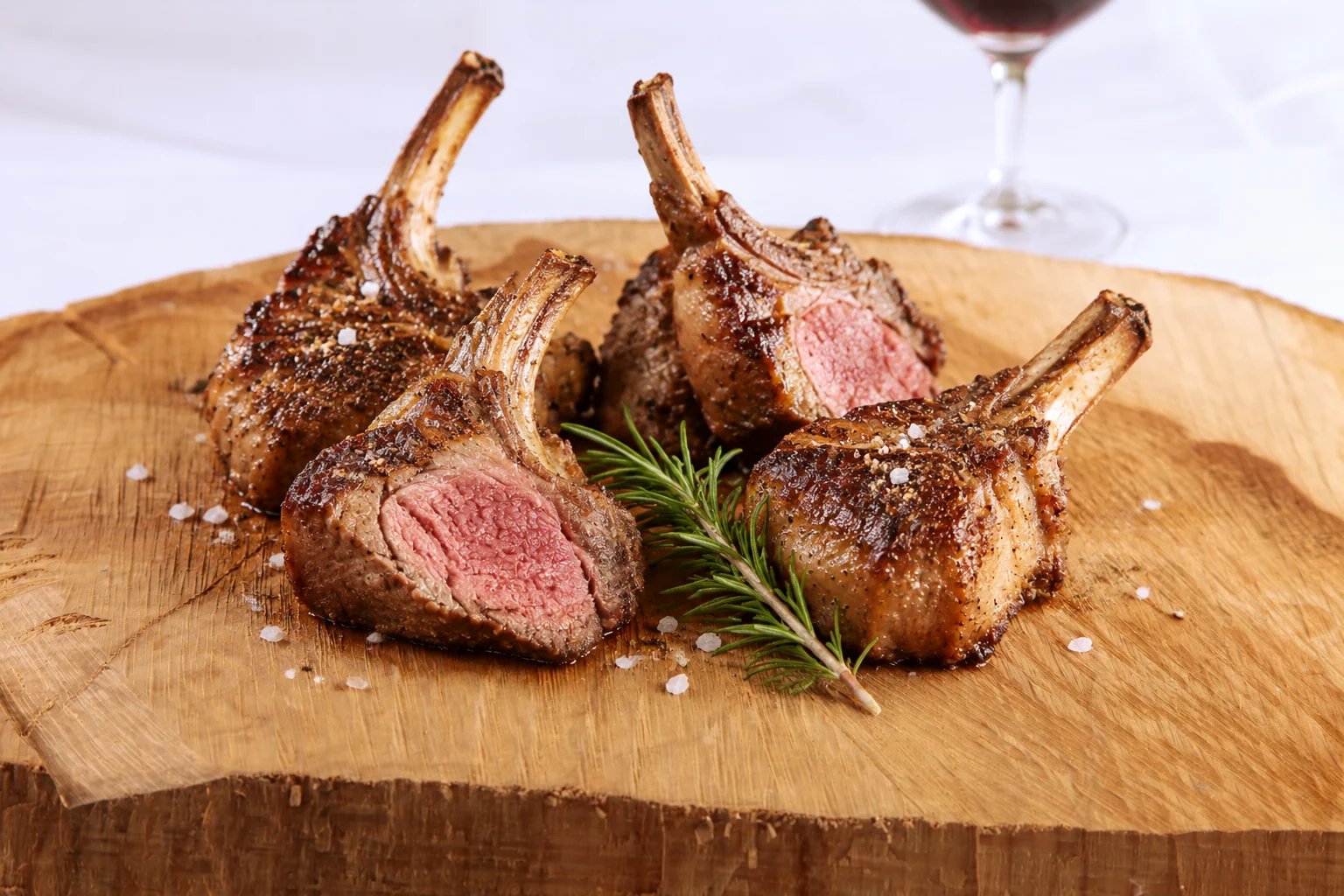
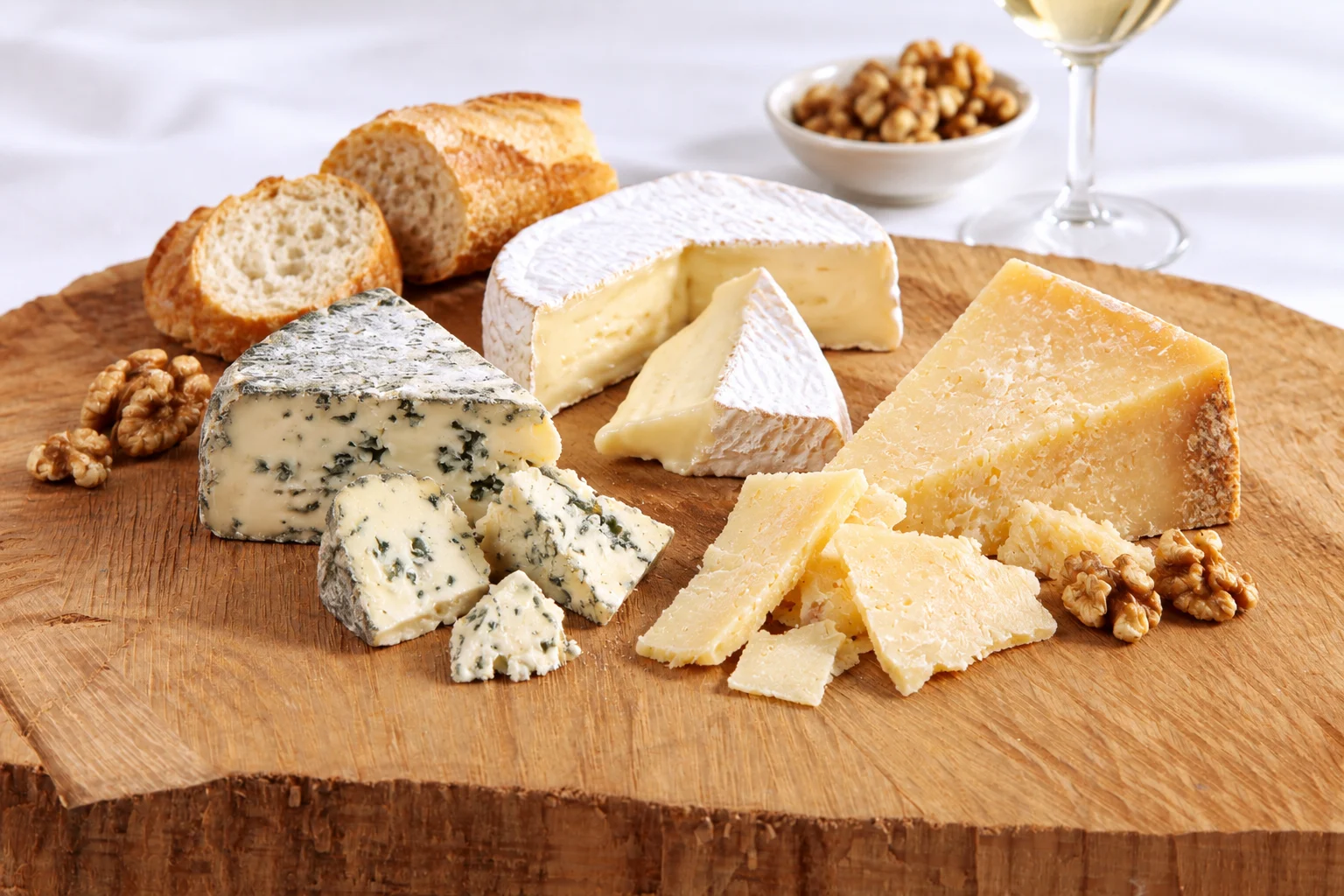
De 2020 Artuke Paso Las Mañas toont een donker robijnrood en presenteert zich met bloemige tonen en helder rood fruit, ondersteund door krijtachtige mineraliteit, levendige zuren, verfijnde tannines en subtiel kruidig hout voor een elegante, medium-bodied smaak met een lange afdronk. Door die frisse zuurgraad en fijne tannines snijdt de wijn mooi door het vet van rund, varken en lam en versterkt hij de hartige smaken van gerijpte kazen, waardoor hij uitstekend werkt bij gegrild of gebraden vlees, langzaam gestoofd of in de oven geroosterd met rozemarijn en knoflook en bij gekaramelliseerde of licht gerookte bereidingen; ook bij een oude Manchego of andere volle schapen- en belegen kazen komt hij prachtig tot zijn recht.
Choose a category to discover dishes that pair well with this wine.
Do you already have a dish in mind?
Let Sommy find wines to pair with your meal.
Discover Wine Trivia
Sign in to unlock fascinating facts about this wine and expand your knowledge.
Sign In